
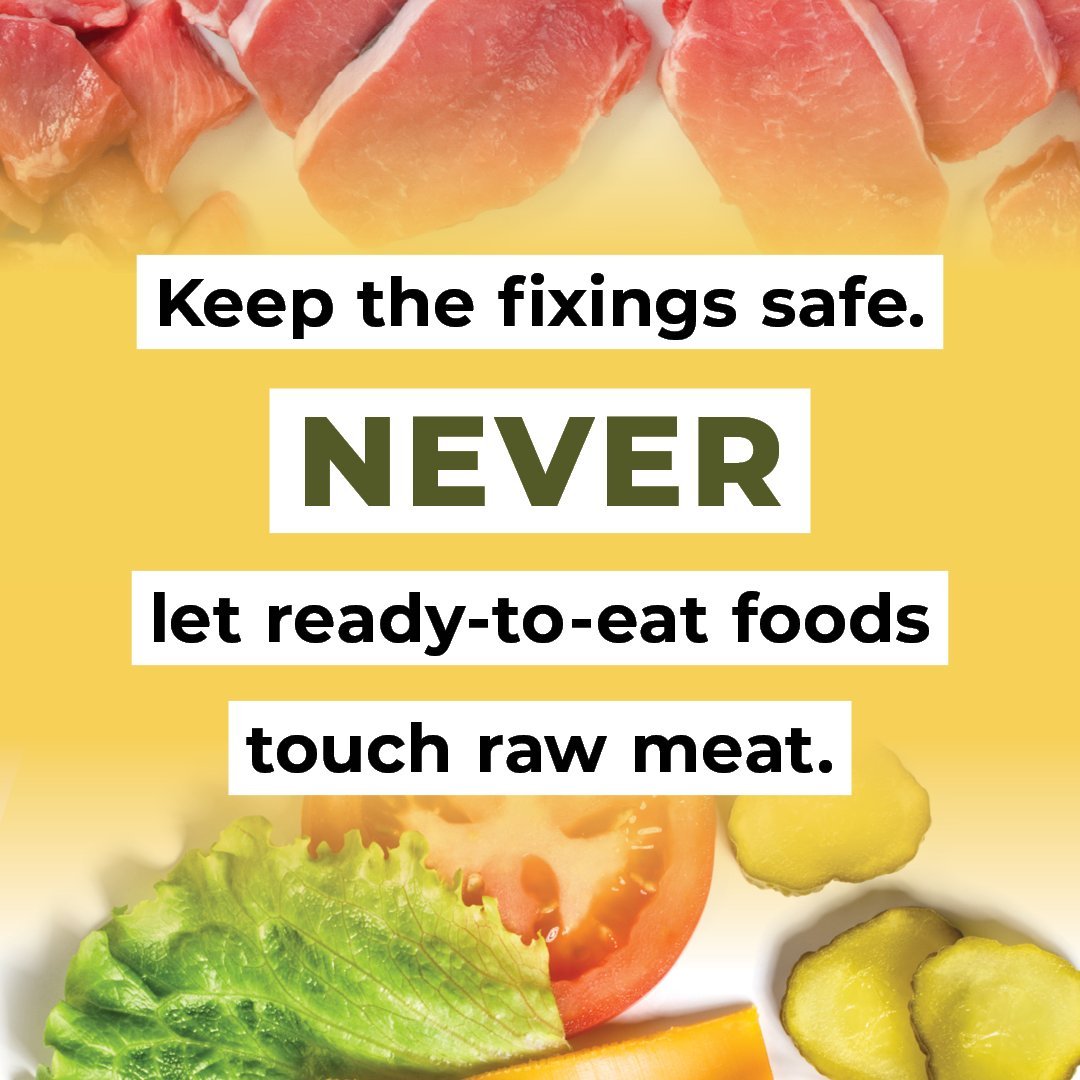
Handling raw meat can be tricky, but it’s something you do every time you cook. If you’re not careful, you could risk your health and your family’s too.
You want to know the best ways to keep your kitchen safe and avoid foodborne illnesses. You’ll discover simple, effective tips that make handling raw meat easier and safer. Keep reading to protect yourself and enjoy your meals without worry.

Credit: www.aol.com
Choosing Fresh Meat
Handling raw meat safely is essential for health. Choosing fresh meat is the first step in ensuring safety and quality. Here are some tips to help you select the best meat for your meals.
Check Expiry Dates
Always look at the expiry date on the package. This date tells you how long the meat is safe to use. It is important to choose meat with a future expiry date for maximum freshness.
- Check the “use by” or “sell by” date.
- Avoid packages with dates that have passed.
Inspect Meat Color And Texture
Fresh meat has a specific color and texture. These are good indicators of quality and freshness. Knowing what to look for can help you avoid spoiled meat.
- Beef should be bright red, not brown.
- Pork should be pink with white fat.
- Chicken should be pale pink with no color spots.
- Meat should feel firm, not slimy.
Buy From Trusted Sources
Purchasing meat from reliable sources ensures quality. Trusted sellers maintain high standards in handling and storing meat. This reduces the risk of contamination.
- Choose well-known supermarkets or local butchers.
- Look for sellers with good reviews.
- Ask friends for recommendations.

Credit: www.fsis.usda.gov
Proper Storage Techniques
Storing raw meat safely is important to stop germs from growing. Good storage keeps meat fresh and safe to eat.
Follow simple rules to store raw meat correctly. This helps avoid food poisoning and waste.
Refrigeration Tips
Keep raw meat in the coldest part of the fridge. The temperature should be below 40°F (4°C).
Store meat in sealed containers or wrap it tightly. This stops juices from leaking and spreading germs.
- Use a separate drawer for raw meat if possible
- Keep raw meat on the lowest shelf
- Check fridge temperature regularly
Freezing Guidelines
Freeze raw meat if you will not use it soon. Freezing keeps meat safe for months.
Wrap meat tightly in freezer bags or foil. Remove as much air as possible to stop freezer burn.
- Label packages with date before freezing
- Use frozen meat within 3 to 12 months
- Thaw meat safely in the fridge or cold water
Separate Raw Meat From Other Foods
Keep raw meat away from cooked foods and fresh produce. This stops germs from spreading.
Use different cutting boards and utensils for raw meat. Clean them well after use.
- Store raw meat on separate shelves or containers
- Wash hands after handling raw meat
- Do not reuse marinades used on raw meat without cooking
Safe Thawing Methods
Thawing raw meat safely is important to stop germs from growing. You must use the right ways to keep food safe.
Here are some good methods to thaw meat without causing health risks.
Use Refrigerator Thawing
Put frozen meat in the fridge to thaw slowly. This keeps the meat cold and safe.
It takes time, so plan ahead. Small pieces may thaw in one day. Larger cuts need more time.
- Place meat on a plate to catch drips
- Keep meat on the bottom shelf
- Use within 1-2 days after thawing
Cold Water Thawing
Seal meat in a leak-proof bag. Submerge it in cold water to thaw faster.
Change the water every 30 minutes. This keeps the water cold and safe.
- Use cold water, not warm or hot
- Keep the bag sealed tightly
- Cook meat immediately after thawing
Avoid Room Temperature Thawing
Do not thaw meat on the counter at room temperature. Bacteria grow fast at warm temperatures.
Thawing at room temperature can cause food poisoning. Always use safe thawing methods.
Effective Hand Hygiene
Handling raw meat needs careful hand hygiene. Germs can spread easily if hands are not clean.
Good hand washing and using gloves help keep you safe from bacteria.
Wash Hands Before And After Handling
Always wash your hands before touching raw meat. This stops germs from other surfaces.
Wash hands again after handling raw meat to remove any bacteria. Use warm water and soap.
- Wet hands with warm water
- Apply soap and scrub all parts of hands
- Scrub for at least 20 seconds
- Rinse well under clean water
- Dry with a clean towel or air dry
Use Disposable Gloves When Needed
Wear disposable gloves to protect your hands from germs. Gloves act as a barrier.
Change gloves if they get torn or after touching other surfaces. Never reuse disposable gloves.
- Put on gloves before handling raw meat
- Remove gloves carefully to avoid touching the outside
- Throw gloves away after use
- Wash hands after removing gloves
Preventing Cross-contamination
Handling raw meat safely is very important to avoid spreading germs. Cross-contamination happens when harmful bacteria move from raw meat to other foods or surfaces.
Use simple habits to stop germs from spreading. This keeps your food safe and healthy to eat.
Separate Cutting Boards
Always use different cutting boards for raw meat and other foods. This stops germs from moving to fruits, vegetables, or cooked foods.
Use color-coded boards or label them to keep track. Clean each board well after use.
- Use one board for raw meat only
- Use another for fruits and vegetables
- Never cut cooked food on the raw meat board
Clean Utensils And Surfaces
Wash knives, forks, and surfaces after handling raw meat. This removes bacteria and stops it from spreading.
Use hot, soapy water or a kitchen sanitizer for cleaning. Clean often during cooking to keep safe.
- Wash utensils between uses
- Clean counters after preparing meat
- Use paper towels or clean cloths
Use Different Plates For Raw And Cooked Meat
Never put cooked meat back on the plate that held raw meat. This can spread harmful germs to cooked food.
Use a clean plate for cooked meat. Keep raw and cooked foods separate at all times.
- Place raw meat on one plate
- Use a fresh plate for cooked meat
- Do not reuse plates without washing
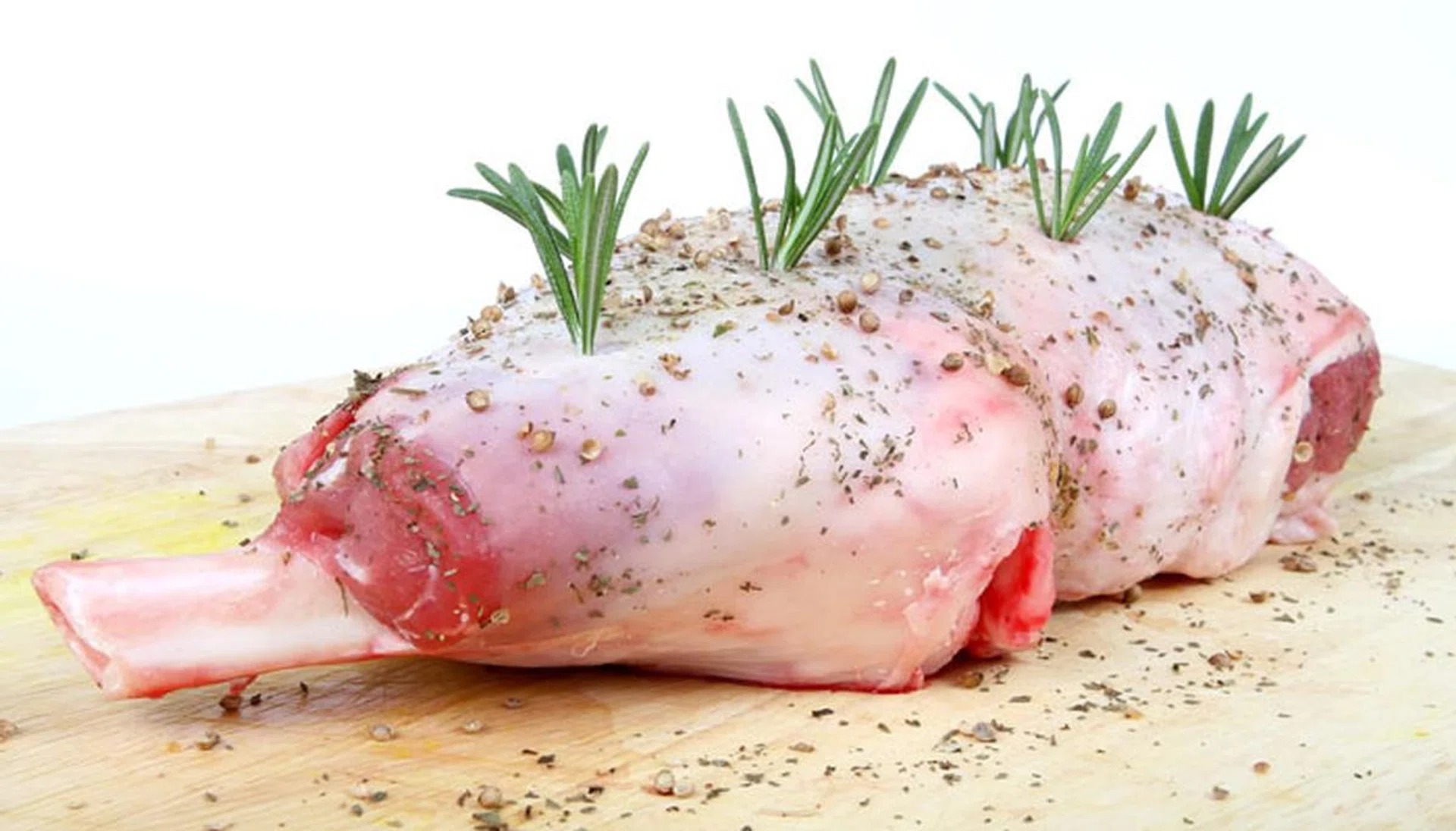
Credit: www.womensweekly.com.sg
Safe Cooking Practices
Cooking raw meat safely stops harmful germs from making people sick. It is important to cook meat properly every time.
Following safe cooking tips helps keep your food healthy and tasty. Use the right tools and methods to cook meat well.
Cook To Recommended Temperatures
Cooking meat to the right temperature kills bacteria. Different meats need different temperatures to be safe.
- Chicken and turkey should reach 165°F (74°C).
- Ground beef and pork need 160°F (71°C).
- Steaks and roasts are safe at 145°F (63°C), plus rest time.
Use A Food Thermometer
A food thermometer checks the inside temperature of meat. It is the best way to know if meat is cooked.
Insert the thermometer in the thickest part of the meat. Avoid touching bones or fat for an accurate reading.
Avoid Partial Cooking
Partial cooking means stopping cooking before the meat is done. This can let bacteria grow if not finished right away.
Cook meat fully in one go. If you must partially cook, do it only before finishing cooking soon after.
Cleaning And Disinfecting
Handling raw meat requires careful cleaning to stop germs from spreading. Cleaning and disinfecting keep your kitchen safe and healthy.
Proper cleaning removes bacteria, while disinfecting kills the germs that remain. Both steps protect your family from foodborne illnesses.
Sanitize Kitchen Surfaces
Always clean kitchen surfaces after touching raw meat. Use hot soapy water to wash counters, cutting boards, and knives.
After washing, apply a disinfectant safe for food areas. Let it sit for a few minutes before wiping dry. This kills harmful bacteria.
- Clean with hot, soapy water first
- Use food-safe disinfectant next
- Let disinfectant sit to work properly
- Dry surfaces with a clean cloth or paper towel
Properly Wash Dishcloths And Sponges
Dishcloths and sponges hold many germs after cleaning raw meat. Wash them often to avoid spreading bacteria.
Use hot water and detergent to wash dishcloths. Replace sponges every few weeks or sanitize them in the microwave or dishwasher.
- Wash dishcloths in hot water with soap
- Replace sponges regularly
- Sanitize sponges by microwaving for one minute
- Dry sponges completely after use
Frequently Asked Questions
How To Prevent Cross-contamination With Raw Meat?
Always use separate cutting boards and utensils for raw meat. Wash hands and surfaces thoroughly after handling raw meat to avoid bacteria spread.
What Is The Safe Temperature To Cook Raw Meat?
Cook meat to an internal temperature of at least 145°F (63°C) for whole cuts. Ground meat should reach 160°F (71°C).
How Long Can Raw Meat Stay In The Fridge?
Raw meat can safely stay in the fridge for 1-2 days. Store it properly in airtight containers to maintain freshness.
Should Raw Meat Be Thawed Before Cooking?
Yes, thaw raw meat in the refrigerator or under cold water. Avoid thawing at room temperature to prevent bacterial growth.
Conclusion
Handling raw meat safely protects your health and your family’s. Always wash hands and surfaces well. Keep raw meat separate from other foods. Use different cutting boards for meat and vegetables. Cook meat to the right temperature every time. Store meat properly in the fridge or freezer.
These simple steps help stop harmful bacteria. Safe habits in the kitchen prevent food poisoning. Stay careful, stay healthy. Your safety matters most.