
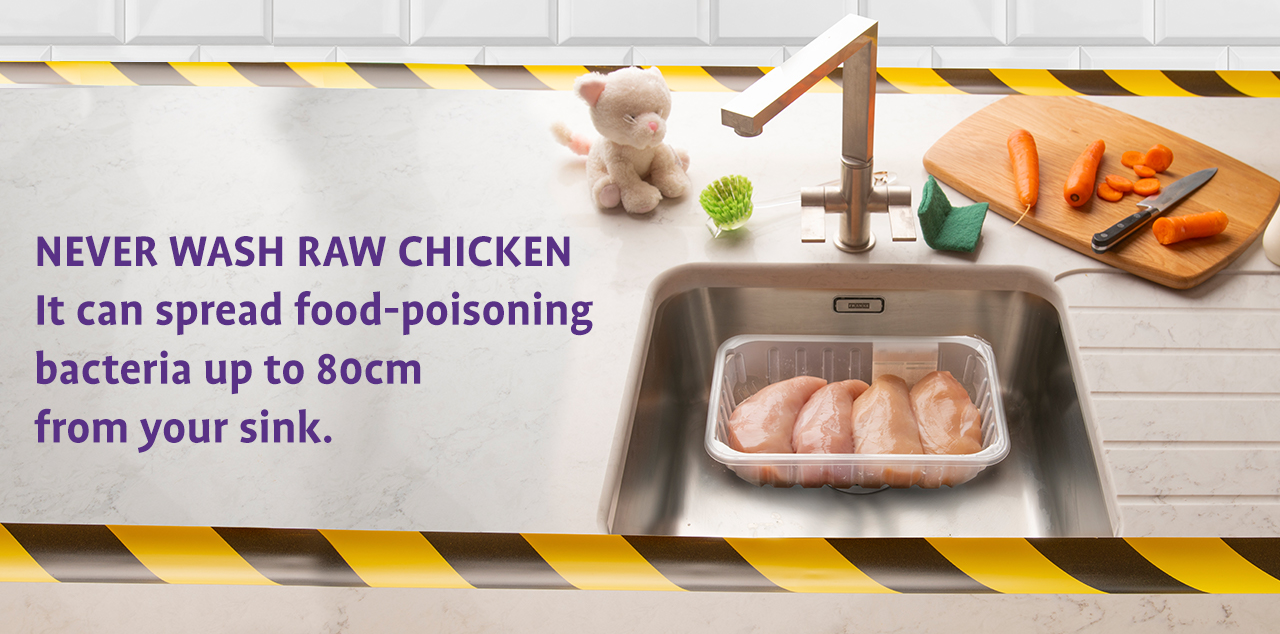
Handling poultry hygienically is more important than you might think. Whether you’re cooking for your family or running a small business, keeping your poultry clean and safe protects everyone from harmful bacteria.
You might not realize how simple changes in your routine can make a big difference in preventing foodborne illnesses. If you want to keep your meals safe, fresh, and delicious, these easy tips will guide you step-by-step. Keep reading to discover how you can handle poultry with confidence and care every time.

Credit: foodsafetyhelpline.com
Choosing Fresh Poultry
Handling poultry safely starts with picking fresh meat. Fresh poultry tastes better and is safer to eat.
Knowing how to spot fresh poultry helps avoid foodborne illnesses. Always check the quality before buying.
Identifying Freshness
Fresh poultry has a clean, mild smell. It should not have a strong or bad odor.
The skin looks moist and smooth. It should not be slimy or sticky to the touch.
- Color: pale pink or light yellow, depending on the bird
- Texture: firm and springy when pressed
- Packaging: sealed well with no tears or leaks
Signs Of Spoilage
Spoiled poultry has a sour or rotten smell. This is a clear sign to avoid it.
The skin may look gray or greenish. It might feel sticky or slimy.
- Discoloration: dark spots or unusual colors
- Texture: overly soft or mushy
- Packaging: swollen or leaking fluids
Proper Storage Techniques
Storing poultry safely keeps it fresh and prevents germs. Proper storage reduces the risk of food poisoning.
Use the right temperature and containers to keep poultry clean and safe before cooking.
Refrigeration Tips
Keep poultry in the fridge at 40°F (4°C) or below. This slows bacteria growth and keeps meat fresh.
Store raw poultry on the bottom shelf to stop juices from dripping on other foods.
- Place poultry in a leak-proof container or wrap it well.
- Use poultry within 1-2 days of purchase for best safety.
- Check fridge temperature often to keep it cold enough.
Freezing Guidelines
Freeze poultry if you will not use it soon. Keep the freezer at 0°F (-18°C) or lower.
Wrap poultry tightly in freezer bags or wrap to avoid freezer burn and keep flavor.
- Label packages with the date before freezing.
- Use frozen poultry within 6 months for best quality.
- Thaw poultry in the fridge, not at room temperature.
Safe Thawing Methods
Thawing poultry safely is important to prevent germs from growing. Unsafe thawing can cause food poisoning.
Use the right thawing methods to keep poultry fresh and safe to eat.
Refrigerator Thawing
Thaw poultry in the refrigerator for safe, slow thawing. Keep the temperature below 40°F (4°C).
Place poultry in a container to catch drips and avoid cross-contamination. This method takes time but is the safest.
- Small poultry may take 1 day to thaw
- Large poultry may take 2-3 days
- Cook poultry within 1-2 days after thawing
Cold Water Thawing
Cold water thawing is faster than the refrigerator but needs more attention. Keep poultry in a sealed bag.
Submerge the bag in cold tap water. Change the water every 30 minutes to keep it cold.
- Small poultry may thaw in 1-2 hours
- Large poultry may take a few hours
- Cook poultry immediately after thawing
Microwave Thawing
Microwave thawing is the fastest method. Use the microwave’s defrost setting and follow its instructions.
Cook poultry right after thawing in the microwave. Some parts may start cooking during thawing.
- Check poultry often to prevent cooking
- Use microwave-safe containers
- Cook poultry immediately after thawing
Avoiding Cross-contamination
Cross-contamination happens when harmful bacteria spread from raw to cooked food. This can cause food poisoning and illness.
Handling poultry carefully helps keep your kitchen safe. Follow simple rules to stop bacteria from spreading.
Separating Raw And Cooked Foods
Keep raw poultry away from cooked foods at all times. Raw meat has germs that cooking removes.
Store raw and cooked foods in different containers and shelves. This prevents juices from touching cooked food.
- Use sealed containers for raw poultry
- Place raw meat on bottom shelves to avoid drips
- Keep cooked food covered and stored separately
Using Separate Utensils
Use different knives, cutting boards, and plates for raw and cooked poultry. This stops germs from moving to cooked food.
Wash utensils well with hot, soapy water after handling raw meat. Never reuse them for cooked food without cleaning.
- Label or color-code utensils for raw and cooked foods
- Wash hands before and after touching poultry
- Use disposable gloves if possible and change them often
Effective Cleaning Practices
Keeping poultry areas clean is very important to stop germs and sickness. Cleaning helps keep your birds healthy.
Good cleaning removes dirt and germs. It makes your poultry place safe and fresh.
Sanitizing Surfaces
Sanitize all surfaces where poultry live or are handled. This stops germs from spreading.
Use safe disinfectants that kill bacteria and viruses. Clean surfaces first, then apply sanitizer.
- Remove dirt and droppings before sanitizing
- Use hot water and soap to wash surfaces
- Apply disinfectant and let it sit for a few minutes
- Rinse surfaces with clean water after sanitizing
- Let surfaces dry completely before use
Cleaning Utensils And Equipment
Utensils and equipment must be cleaned after use. This prevents germs from moving to other areas.
Wash tools with soap and water. Then sanitize them to kill any remaining germs.
- Remove food and dirt from tools first
- Wash with warm soapy water
- Use a brush to clean hard spots
- Soak utensils in disinfectant for a few minutes
- Rinse with clean water and air dry
Cooking Poultry Safely
Cooking poultry safely helps prevent foodborne illness. It is important to handle and cook poultry properly.
Make sure poultry is cooked to the right temperature. This kills harmful bacteria and keeps food safe.
Recommended Cooking Temperatures
Cook poultry to the right temperature to kill bacteria. Different parts of poultry may need different temperatures.
- Whole chicken or turkey: 165°F (74°C)
- Ground poultry: 165°F (74°C)
- Chicken breasts: 165°F (74°C)
- Dark meat (legs, thighs): 165°F (74°C)
Always check the temperature in the thickest part. Avoid touching bone with the thermometer.
Using A Meat Thermometer
A meat thermometer helps check if poultry is cooked enough. It gives a clear temperature reading inside the meat.
Insert the thermometer into the thickest part of the poultry. Do not touch bone or fat for accurate results.
- Clean the thermometer before and after use.
- Wait a few seconds for the temperature to stabilize.
- Use an instant-read thermometer for quick checks.
- Make sure the reading reaches the safe temperature.
Handling Leftovers Correctly
Handling poultry leftovers safely keeps you and your family healthy. Proper care stops bacteria from growing.
Following simple steps helps keep your food fresh and safe to eat later.
Proper Cooling And Storage
Cool poultry leftovers quickly to prevent bacteria growth. Place food in shallow containers for faster cooling.
Store leftovers in the refrigerator within two hours of cooking. Keep the fridge temperature at 40°F (4°C) or below.
- Use airtight containers to keep food fresh
- Label containers with the date of storage
- Consume leftovers within 3 to 4 days
- Freeze leftovers if you want to keep them longer
Reheating Guidelines
Reheat poultry leftovers until they are steaming hot all the way through. This kills harmful bacteria.
Use a food thermometer to check the temperature. Heat food to at least 165°F (74°C) before serving.
- Reheat only the amount you will eat
- Avoid reheating leftovers more than once
- Stir food during reheating for even heat
- Use microwave-safe containers if using a microwave
Credit: extension.msstate.edu
Understanding Foodborne Illness Risks
Poultry can carry harmful bacteria and viruses. These germs can cause foodborne illnesses if not handled safely.
Knowing the risks helps you keep your food and family safe. Proper hygiene is key when working with poultry.
Common Bacteria And Viruses
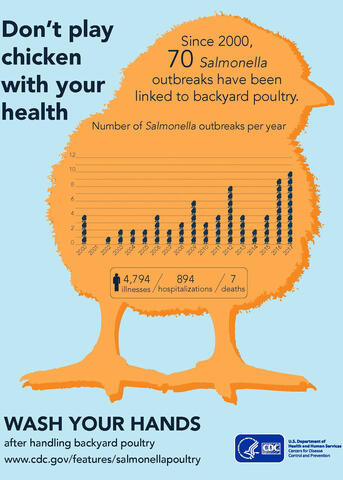
Raw poultry often contains bacteria like Salmonella and Campylobacter. These are the main causes of food poisoning.
Viruses such as Norovirus can also spread through contaminated poultry or poor hygiene during food prep.
- Salmonella:Causes diarrhea, fever, and cramps.
- Campylobacter:Leads to diarrhea and stomach pain.
- Norovirus:Results in vomiting and stomach upset.
Symptoms And Prevention
Symptoms of foodborne illness include stomach pain, vomiting, diarrhea, and fever. These can appear within hours or days.
Prevent illness by washing hands, cleaning surfaces, and cooking poultry thoroughly. Avoid cross-contamination by using separate utensils.
- Wash hands before and after handling poultry.
- Use clean cutting boards and knives.
- Cook poultry to an internal temperature of 165°F (74°C).
- Store raw poultry separately from other foods.
- Clean kitchen surfaces with hot soapy water.
Safe Handling Practices For Backyard Poultry
Backyard poultry can provide fresh eggs and meat. Keeping them safe and clean is very important.
Good hygiene helps prevent diseases for both birds and humans. Follow easy steps to handle poultry safely.
Caring For Live Poultry
Wash your hands before and after touching your birds. Clean their coop often to stop germs.
Give your birds clean water and fresh food every day. Remove wet or dirty bedding quickly.
- Wear gloves if possible when handling birds
- Keep your birds away from wild animals
- Check birds daily for signs of illness
- Disinfect tools and feeders regularly
Egg Collection And Storage
Collect eggs at least once a day. Handle eggs gently to avoid cracks and dirt.
Store eggs in a clean, cool place. Do not wash eggs before storing as it can remove the protective layer.
- Use a clean basket or container for egg collection
- Keep eggs away from strong odors
- Refrigerate eggs to keep them fresh longer
- Discard any eggs that are cracked or dirty

Credit: www.provisioneronline.com
Frequently Asked Questions
How Can I Maintain Poultry Hygiene Daily?
Daily hygiene includes cleaning coops, removing waste, and providing fresh water. Regularly disinfect feeding and watering equipment to prevent disease spread. Proper ventilation reduces moisture and odors, maintaining a healthy environment for poultry.
What Are The Best Practices For Poultry Feed Hygiene?
Store feed in dry, sealed containers to avoid contamination. Use clean feeders and avoid overfeeding to reduce waste. Regularly check feed quality to prevent mold and spoilage, which can harm poultry health.
How Often Should Poultry Housing Be Cleaned?
Clean poultry housing at least once a week. Remove bedding, droppings, and debris thoroughly. Disinfect surfaces to reduce pathogens. Frequent cleaning prevents disease and promotes better bird health and productivity.
Why Is Biosecurity Important In Poultry Farming?
Biosecurity prevents introduction and spread of diseases among birds. Limit visitor access, disinfect equipment, and isolate new birds. Strong biosecurity measures protect flock health and enhance overall farm productivity.
Conclusion
Keeping poultry clean helps protect your health and your family’s. Simple steps make a big difference. Clean hands and tools stop germs from spreading. Store food properly to avoid spoilage. Regular cleaning keeps your poultry safe to eat. Small efforts lead to safer meals every day.
Stay careful and enjoy fresh, healthy poultry. Safety is easy when you follow these tips.