
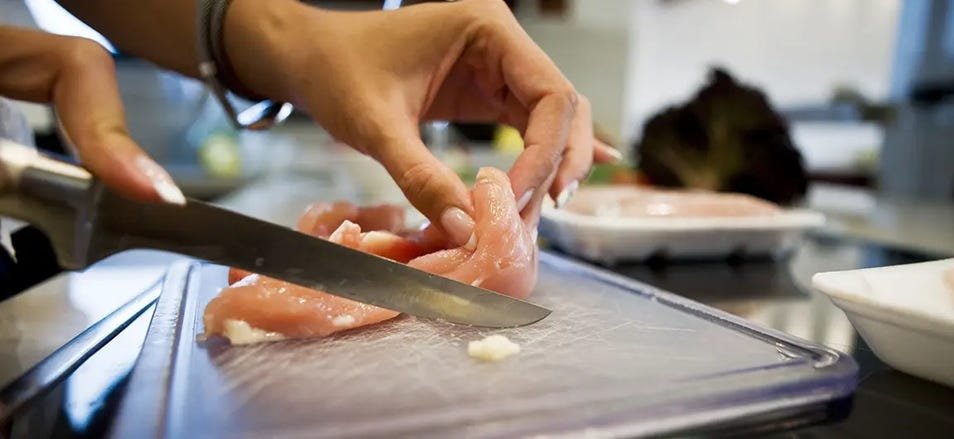
Your cutting board is one of the busiest tools in your kitchen. But do you know how to keep it truly clean and safe after each use?
If you don’t disinfect it properly, harmful bacteria can stick around and cause food poisoning. You might think a quick rinse is enough, but there’s a smarter way to protect yourself and your family. You’ll discover simple, effective tips to disinfect your cutting boards the right way.
Keep reading to make your kitchen safer and your meals healthier!
Credit: www.cheftalk.com
Choosing The Right Cutting Board
A good cutting board keeps your kitchen safe and clean. It is important to choose the right one for your needs.
Different materials and designs suit different types of food. This helps in proper cleaning and maintaining hygiene.
Wood Vs Plastic
Wood cutting boards look nice and can last a long time. They are gentle on knives and resist deep cuts.
Plastic boards are often cheaper and easier to clean in a dishwasher. They are good for meats because they can be sanitized well.
- Wood boards need regular oiling to stay in good condition.
- Plastic boards can be replaced more often as they are cheaper.
- Both types should be cleaned after each use to prevent bacteria.
Boards For Different Foods
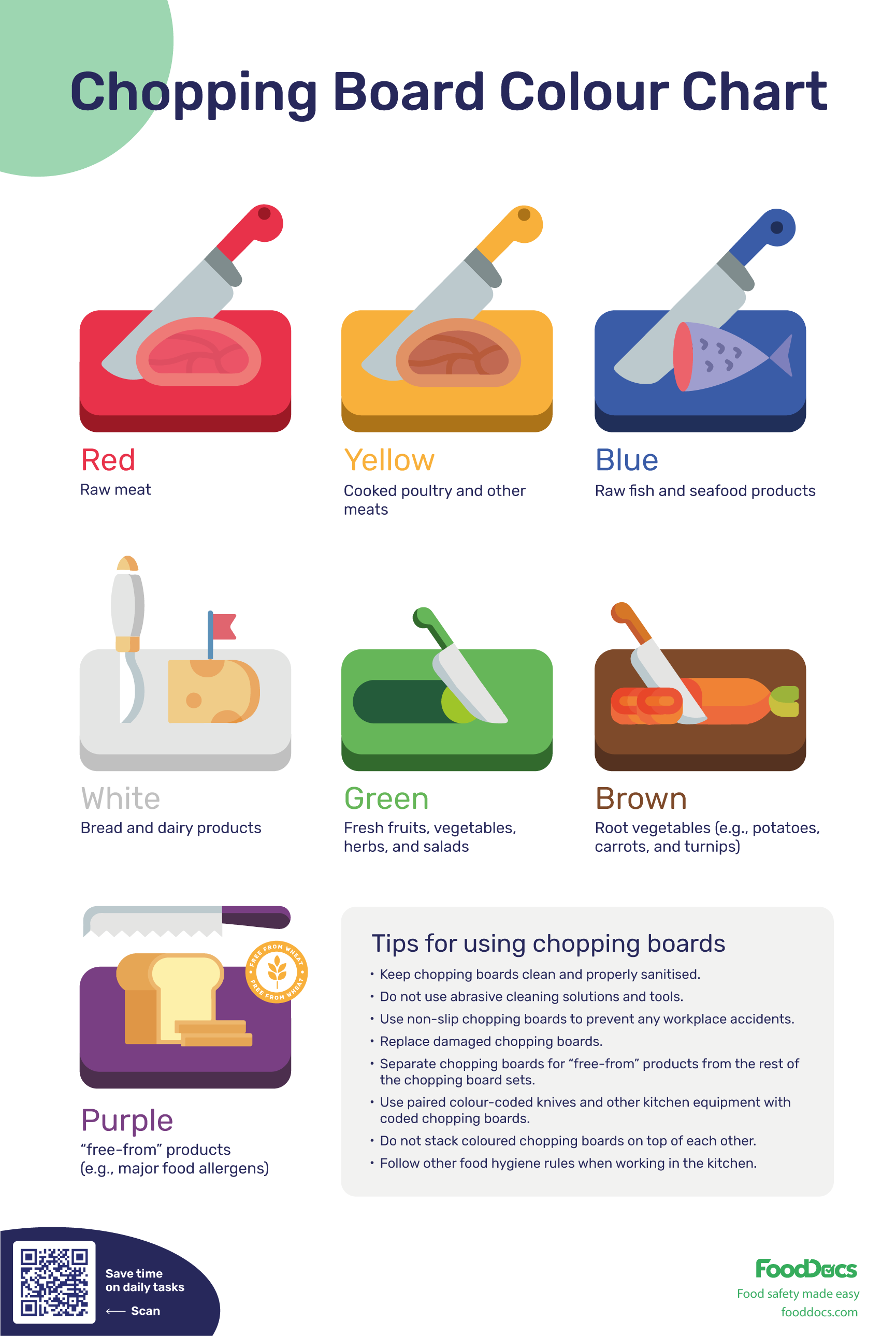
Having separate boards for different foods helps avoid cross-contamination. It keeps your meals safe and healthy.
Use different boards for meat, vegetables, and fruits. This reduces the risk of spreading bacteria from raw meat.
- Use red boards for raw meat to keep bacteria contained.
- Green boards are great for vegetables to keep them clean.
- Yellow boards can be used for fruits to prevent mixing flavors.
Basic Cleaning Steps
Cleaning your cutting board is important to keep it safe and ready for use. Dirt and germs can hide in food leftovers. Follow simple steps to clean your board well.
These basic steps help stop bacteria from spreading to your food. Clean your board after every use for best results.
Removing Food Residue
First, scrape off any leftover food pieces from the cutting board. Use a plastic scraper or a spatula to remove stuck bits.
Make sure to get rid of all visible food. This helps prevent germs from growing on the board.
Washing With Soap And Water
After removing food residue, wash the board with warm water and dish soap. Use a sponge or brush to scrub the surface well.
Rinse the board thoroughly to remove all soap. Dry it with a clean towel or let it air dry standing up.
Effective Disinfection Methods
Cutting boards can hold germs after use. Cleaning them well stops bacteria from spreading.
Using the right disinfection methods keeps your kitchen safe and your food healthy.
Using Vinegar And Hydrogen Peroxide
White vinegar and hydrogen peroxide are safe cleaners for cutting boards. They kill many germs without harsh chemicals.
Spray vinegar on the board first. Let it sit for a few minutes. Then spray hydrogen peroxide to boost cleaning power.
- Use white vinegar at full strength.
- Apply 3% hydrogen peroxide after vinegar dries.
- Let both sit for 5 minutes before rinsing.
- Dry the board with a clean towel.
Bleach Solutions For Deep Cleaning
Bleach is strong and kills almost all bacteria and viruses. It is best for deep cleaning once in a while.
Mix one tablespoon of bleach with one gallon of water. Soak or wipe the board with this solution for a few minutes.
- Use a diluted bleach solution only.
- Apply with a clean cloth or soak for 2 minutes.
- Rinse the board well with water after.
- Let the board air dry completely.
Natural Alternatives
Natural ingredients like lemon and baking soda can clean and freshen cutting boards. They are gentle and safe.
Rub lemon juice and baking soda on the board. Let it sit for a few minutes. Then rinse and dry well.
- Lemon juice kills bacteria and removes smells.
- Baking soda scrubs away stains and dirt.
- Use this method regularly for light cleaning.
- It is best for wooden cutting boards.
Credit: www.fooddocs.com
Drying And Storage Tips
Cleaning your cutting boards well is important. Drying and storing them the right way stops germs from growing.
Good drying and storage keep your kitchen safe and your boards in good shape for a long time.
Air Drying Techniques
Let cutting boards dry completely in open air. This stops moisture that germs need to grow.
Stand boards on their side or use a rack. This lets air reach all surfaces and dry them fast.
- Place boards vertically to allow full airflow
- Use a clean drying rack or stand
- Keep boards away from damp areas
- Do not stack boards while wet
Preventing Mold And Bacteria Growth
Store boards in a dry place with good air flow. Moist areas can cause mold and bacteria to grow.
Clean boards after every use and dry them well before storing. Use only clean storage spots.
- Keep boards away from sinks and damp counters
- Use sealed or covered storage if needed
- Check boards regularly for cracks or damage
- Replace boards if mold or stains appear
Maintaining Cutting Board Hygiene
Cutting boards can carry germs if not cleaned well. Keeping them clean helps prevent illness.
Good hygiene means cleaning, checking, and sometimes replacing the board. This keeps your kitchen safe.
Regular Inspection For Damage
Look closely at your cutting board after each use. Check for cracks, deep cuts, or rough spots.
Damaged areas can hide bacteria and make cleaning hard. Small cracks grow bigger over time.
- Inspect both sides of the board
- Feel for rough or uneven surfaces
- Watch for discoloration or stains
- Note any deep cuts or cracks
Replacing Old Boards
Replace your cutting board if damage is severe. Old boards can hold harmful germs even after cleaning.
Boards made of wood or plastic wear down differently. Replace them to keep food safe.
- Replace wooden boards every 1-2 years
- Plastic boards should be replaced if cracked or deeply scored
- Use separate boards for raw meat and vegetables
- Choose boards that are easy to clean and dry

Credit: www.yahoo.com
Extra Hacks For Hygiene
Keeping cutting boards clean is very important to stop germs. Some easy tricks help you disinfect better after use.
These extra hacks can add safety and make your kitchen healthier. Try them to remove bacteria well.
Freezing To Kill Bacteria
Freezing your cutting board can help kill some harmful bacteria. Place the board in a plastic bag and put it in the freezer overnight.
The cold temperature slows bacteria growth and may reduce germs on the surface. This works best for plastic boards.
Using Lemon And Salt
Lemon and salt make a natural cleaner that kills germs and removes stains. Cut a lemon in half and sprinkle salt on your cutting board.
Rub the lemon over the board with the salt for a few minutes. Rinse well with warm water to wash away dirt and bacteria.
Frequently Asked Questions
How Often Should I Disinfect My Cutting Board?
Disinfect your cutting board after every use, especially after cutting raw meat. Frequent cleaning prevents bacteria buildup and cross-contamination, keeping your kitchen safe.
What Is The Best Disinfectant For Cutting Boards?
A mixture of white vinegar or diluted bleach solution is best. These kill most bacteria effectively without harming the board when used properly.
Can I Use The Dishwasher To Disinfect Cutting Boards?
Yes, dishwasher heat and detergent disinfect plastic boards well. However, wooden boards may warp or crack, so hand washing is better for them.
How Do I Remove Stains And Odors From Cutting Boards?
Use lemon and coarse salt to scrub the board. This natural method deodorizes and removes stains while disinfecting gently and safely.
Conclusion
Disinfecting cutting boards keeps your kitchen safe and clean. Use soap and hot water to wash boards first. Then apply a disinfectant like vinegar or bleach solution. Let the board dry completely before using again. Clean boards stop bacteria from spreading to food.
Small habits make a big difference in food safety. Follow these tips every time you cook. Stay safe and enjoy healthy meals at home.