
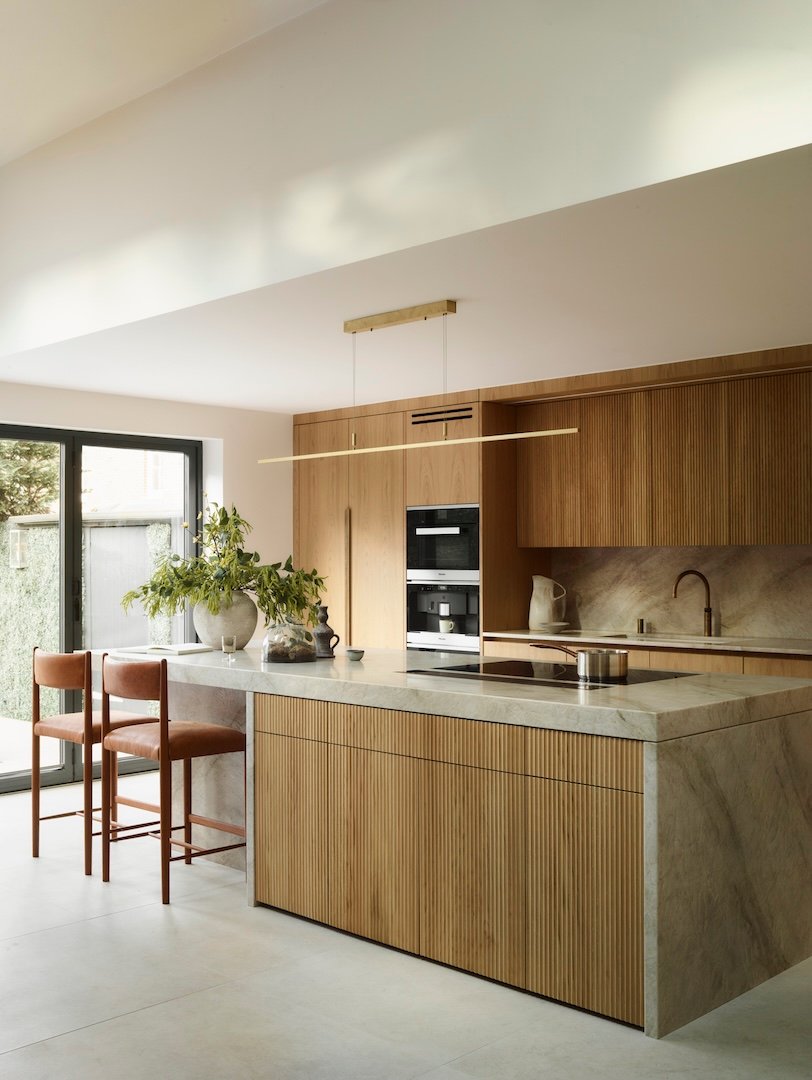
Your kitchen is more than just a place to cook—it’s where meals come to life, conversations happen, and memories are made. Designing a multifunctional kitchen means creating a space that works perfectly for all your needs, whether it’s cooking, dining, working, or even entertaining.
But how do you make sure every inch of your kitchen serves a purpose without feeling cluttered? You’ll discover simple yet powerful tips to transform your kitchen into a smart, stylish, and highly functional space. Keep reading, and you’ll learn how to maximize efficiency, save time, and enjoy your kitchen like never before.

Credit: www.designcafe.com
Maximizing Space
Designing a multifunctional kitchen needs smart use of space. Small kitchens must fit many tasks and tools.
Good planning helps keep the kitchen neat and easy to use. This saves time and makes cooking fun.
Clever Storage Solutions
Storage is key for a multifunctional kitchen. Use drawers and cabinets that fit your items well.
Organize items by use and size. Keep daily tools easy to reach and store less used items away.
- Use pull-out drawers for pots and pans
- Add dividers for utensils and cutlery
- Install lazy Susans in corner cabinets
- Use clear containers to store dry goods
- Label shelves and bins for quick access
Utilizing Vertical Space
Walls and tall spaces offer extra storage chances. Use hooks and shelves to free up counters.
Hang pots, pans, and utensils on racks. Add open shelves for cookbooks and spices.
- Install ceiling-mounted pot racks
- Add magnetic strips for knives
- Use tall cabinets that reach the ceiling
- Place baskets on top shelves for extras
Compact Appliances
Small appliances save space in a busy kitchen. Choose tools that do many jobs in one.
Look for slim and stackable appliances. Store them inside cabinets when not in use.
- Use combination microwave and convection ovens
- Choose slim dishwashers and refrigerators
- Buy stackable mixers and blenders
- Pick multi-use cookers like Instant Pots
Credit: roundhousedesign.com
Flexible Layout Ideas
Designing a kitchen that serves many purposes needs smart planning. Flexible layouts help you use space well.
These ideas make your kitchen ready for cooking, eating, and relaxing without feeling crowded.
Open-concept Designs
Open-concept kitchens remove walls to join the kitchen with living or dining areas. This creates a large space for many activities.
It allows people to cook and chat or watch kids while working in the kitchen.
- Makes the kitchen feel bigger and brighter
- Easy to move between spaces
- Good for social gatherings and family time
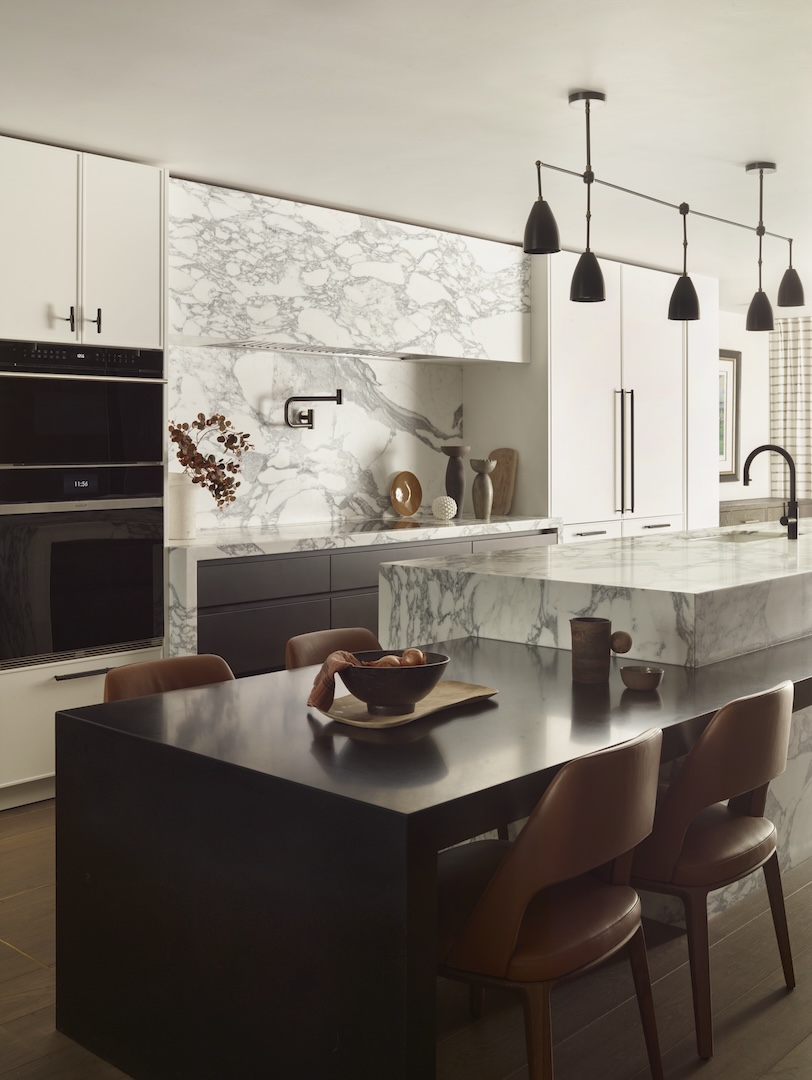
Modular Kitchen Islands
Modular kitchen islands can change position or function. They add extra counter space and storage.
You can use them for cooking, eating, or as a work desk. Some islands come with wheels to move around.
- Provides flexible workspace
- Can serve as a dining spot
- Easy to rearrange for different needs
Convertible Dining Areas
Convertible dining areas adjust to fit your space. Tables can fold or extend to seat more people.
Chairs can be stored or stacked to free up room. This design helps keep the kitchen neat and useful.
- Folds away to create more walking space
- Expands to host family and friends
- Easy to change based on your needs
Incorporating Smart Technology
Smart technology makes kitchens more useful and easier to use. It helps save time and energy.
Adding smart features can make your kitchen multifunctional and modern. You can control many tasks with ease.
Smart Appliances
Smart appliances use technology to improve cooking and cleaning. They often connect to Wi-Fi for remote control.
These appliances can adjust settings automatically and send alerts to your phone. This saves you effort and time.
- Smart refrigerators track food and suggest recipes
- Ovens with remote control allow preheating from anywhere
- Dishwashers adjust water use based on load size
- Smart coffee makers start brewing on schedule
Integrated Lighting Systems
Integrated lighting brightens your kitchen and adds style. You can control lights with switches or apps.
Smart lighting changes color and brightness to fit your tasks. It can save energy by turning off when not needed.
- Under-cabinet lights help with food prep
- Adjustable ceiling lights improve mood and visibility
- Motion sensors turn lights on automatically
- Energy-saving LED bulbs reduce electricity use
Voice-control Features
Voice control lets you use your hands-free to manage kitchen tasks. It works with smart speakers and devices.
You can ask for timers, play music, or control appliances without stopping your work. This keeps your kitchen efficient.
- Set cooking timers with simple voice commands
- Control smart lights and appliances by talking
- Get recipe instructions while cooking
- Play music or news without using your hands
Credit: roundhousedesign.com
Stylish Design Elements
A multifunctional kitchen needs to look good and work well. Stylish design elements make your kitchen inviting and practical.
Simple choices in color, texture, and decor can create a space you enjoy using every day.
Choosing A Color Palette
Pick colors that set the mood you want in your kitchen. Soft colors create calm, while bright colors add energy.
Use a main color with one or two accent colors for balance. Light colors make the space feel bigger.
- Use neutral shades for walls and cabinets
- Add bright colors with accessories or backsplashes
- Match colors with your kitchen lighting
Mixing Materials And Textures
Combine different materials to add depth and interest. Smooth and rough textures create a nice contrast.
Wood, metal, and stone work well together in kitchens. Mixing materials can make your kitchen feel warm and modern.
- Use wood for cabinets or flooring
- Choose metal for handles and fixtures
- Add stone or tile for countertops and backsplashes
- Include soft fabrics in seating or curtains
Incorporating Art And Decor
Art and decor bring personality to your kitchen. They can be simple and still add style.
Choose items that fit your kitchen’s colors and theme. Keep decor minimal to avoid clutter.
- Hang framed prints or paintings on empty walls
- Use decorative bowls or vases on counters
- Add plants to bring in natural color
- Select stylish storage jars and containers
Sustainable And Eco-friendly Choices
Designing a multifunctional kitchen with eco-friendly choices helps the planet. It also saves money and energy.
Using sustainable materials and efficient appliances makes your kitchen greener. Small changes create a big impact.
Energy-efficient Appliances
Energy-efficient appliances use less electricity. They reduce your utility bills and lower carbon footprints.
Look for appliances with Energy Star labels. These meet strict energy-saving standards and last longer.
- Choose refrigerators with inverter compressors
- Use induction cooktops instead of gas stoves
- Pick LED lighting for kitchen work areas
- Select dishwashers with eco modes
Sustainable Materials
Sustainable materials come from renewable or recycled sources. They reduce waste and protect forests.
Use bamboo, reclaimed wood, or recycled metal. These materials look great and last a long time.
- Bamboo cabinets are strong and fast-growing
- Reclaimed wood adds unique style
- Recycled metal works well for countertops
- Low-VOC paints improve indoor air quality
Water-saving Fixtures
Water-saving fixtures reduce water use in your kitchen. They help save this precious resource every day.
Install faucets and dishwashers with low flow rates. These keep your kitchen functional without wasting water.
- Choose faucets with aerators
- Use dishwashers that use less water
- Install touchless or sensor faucets
- Fix leaks to prevent water waste
Balancing Functionality And Aesthetics
Designing a multifunctional kitchen means blending how it works with how it looks. A good kitchen must be practical and beautiful.
Finding the right balance helps create a space that feels comfortable and serves all your needs well.
Prioritizing Daily Needs
Think about what you use most in your kitchen every day. Arrange the space so these items are easy to reach.
- Keep the stove, sink, and fridge close to each other
- Store daily dishes and utensils near the dishwasher
- Use clear containers for frequently used ingredients
- Have enough counter space for meal prep
Customizing For Lifestyle
Your kitchen design should match how you live. Think about your cooking style and family size.
| Family Size | Design Tip |
| Small (1-2 people) | Compact layout with multi-use spaces |
| Medium (3-4 people) | More storage and seating areas |
| Large (5+ people) | Multiple work zones and large counters |
| Frequent Entertainer | Open layout with easy flow to dining |
Ensuring Easy Maintenance
Choose materials and finishes that are simple to clean. Keep the kitchen organized to save time.
- Use smooth, non-porous countertops
- Pick cabinets with easy-clean surfaces
- Install good lighting for quick cleaning
- Set up zones for trash and recycling
Frequently Asked Questions
What Are Key Features Of A Multifunctional Kitchen?
A multifunctional kitchen combines cooking, dining, and storage efficiently. It includes flexible layouts, smart appliances, and ample counter space. This design enhances usability and maximizes space, making the kitchen versatile for various tasks.
How To Maximize Storage In A Multifunctional Kitchen?
Use vertical storage, pull-out cabinets, and multi-use furniture. Organize items by frequency of use and utilize corner spaces. Efficient storage keeps the kitchen clutter-free and functional for multiple activities.
Which Materials Suit A Multifunctional Kitchen Best?
Durable, easy-to-clean materials like quartz, stainless steel, and ceramic tiles are ideal. These materials withstand heavy use and maintain a stylish appearance, supporting both cooking and social functions in the kitchen.
How To Create Zones In A Multifunctional Kitchen?
Divide the kitchen into cooking, prep, cleaning, and dining zones. Use furniture placement and lighting to define each area. Zoning improves workflow and allows multiple users to work comfortably together.
Conclusion
Designing a multifunctional kitchen takes careful thought and planning. Space matters most. Choose smart storage to keep things tidy. Use flexible furniture for different tasks. Good lighting helps you work better. Keep the design simple and clean. This way, your kitchen feels open and welcoming.
A well-planned kitchen saves time and effort daily. Enjoy cooking, eating, and spending time with family here. Small changes can make a big difference. Start with these tips to create your ideal kitchen.