
Are you dreaming of a kitchen that’s both stylish and super functional? Designing a modern kitchen layout can feel overwhelming, but with the right tips, you can create a space that works perfectly for your lifestyle.
Imagine cooking in a kitchen where everything flows smoothly, looks clean, and makes your daily tasks easier. You’ll discover simple yet powerful ideas to transform your kitchen into a modern haven. Keep reading, and you’ll find out how to design a kitchen that not only looks great but also feels just right for you.
:max_bytes(150000):strip_icc()/kitchen-layout-mistakes-GettyImages-2217149382-23138f03f060476392650c2b2bfbe96c.jpg)
Credit: www.realsimple.com
Maximizing Space Efficiency
Designing a modern kitchen means using space wisely. Small kitchens especially need smart ideas. Good layout helps make cooking easier and keeps the area neat.
Maximizing space means fitting everything you need without clutter. This guide shows ways to use every inch well.
Use Vertical Storage
Walls offer a lot of unused space. Adding shelves or cabinets up high keeps items off counters. You can store things you use less often safely out of the way.
- Install tall cabinets reaching the ceiling
- Add hooks for pots and pans on walls
- Use open shelves for easy access to dishes
- Hang magnetic strips for knives and utensils
Plan Efficient Work Zones
Group your kitchen tasks into zones. Keep cooking, cleaning, and food prep areas separate but close. This reduces walking and saves time.
| Zone | Purpose | Key Items |
| Cooking | Prepare hot meals | Stove, oven, pots |
| Cleaning | Wash dishes and hands | Sink, dishwasher |
| Food Prep | Cut and mix ingredients | Counter space, knives |
| Storage | Keep food and tools | Pantry, cabinets, fridge |
Choose Multi-functional Furniture
Furniture that serves more than one purpose saves space. For example, an island can work as a table and storage unit. Foldable tables free space when not used.
Examples of multi-functional furniture:
- Kitchen island with drawers and shelves
- Pull-out cutting boards built into counters
- Stackable stools tucked under counters
- Fold-down tables for extra workspace
Optimize Cabinet Interiors
Use cabinet organizers and pull-out trays to fit more inside. Drawers with dividers keep tools neat. Lazy Susans help reach items in deep corners.
- Install pull-out shelves for easy access
- Add hooks inside cabinet doors for small items
- Use stackable bins to separate ingredients
- Label containers to find things fast
Incorporating Innovative Storage Solutions
Designing a modern kitchen needs smart storage ideas. Good storage keeps your kitchen clean and easy to use.
Use new storage solutions to save space and organize your items well. This helps your kitchen look neat.
Pull-out Pantry Shelves
Pull-out pantry shelves give easy access to all your food. You can see everything without bending or reaching far.
These shelves slide out smoothly and use space inside tall cabinets. They keep your items organized and easy to find.
Corner Drawers And Cabinets
Corners often waste space in kitchens. Special corner drawers and cabinets use this space well.
They pull out fully, so you can reach items stored deep inside. This makes your kitchen more efficient.
Hidden Appliance Storage
Keep your kitchen tidy by hiding small appliances. Use cabinets with lift-up doors or sliding panels.
This hides clutter and frees up counter space. Appliances stay safe and easy to use when needed.
Vertical Storage Solutions
Use vertical space on walls for storage. Install tall cabinets, shelves, or magnetic strips for knives.
This keeps counters clear and stores items at hand height. It also adds style to your kitchen walls.
Drawer Dividers And Inserts
Keep drawers neat with dividers and inserts. They separate utensils, pots, and pans for easy access.
Use adjustable dividers to fit different items. This stops clutter and saves time while cooking.
- Separate forks, knives, and spoons
- Store lids and baking sheets upright
- Use trays for spices and small tools
Choosing The Right Appliances
Choosing the right appliances is key for a modern kitchen layout. The appliances should fit your space and style.
Think about how you use your kitchen daily. Pick appliances that make cooking easy and efficient.
Consider Size And Space
Measure your kitchen space before buying appliances. Large appliances can crowd small kitchens.
Choose appliances that fit well without blocking movement. Built-in appliances save space.
Energy Efficiency Matters
Energy-efficient appliances save money on bills. Look for the Energy Star label when shopping.
They use less power but work just as well. This helps the environment too.
Match Your Kitchen Style
Appliances should match your kitchen’s look. Choose finishes like stainless steel or matte black.
Consistent style creates a clean and modern feel. Avoid mixing too many styles in one space.
Focus On Functionality
Pick appliances that fit your cooking habits. If you bake often, a good oven is important.
Look for features like easy controls and quick cleaning. These save time and effort.
Plan Appliance Placement
Think about where to put each appliance. Keep the fridge, sink, and stove close for easy cooking.
This creates a smooth workflow. Avoid placing appliances where they block walking paths.
Embracing Open Concept Designs
Open concept kitchens create a spacious and welcoming feel. They connect the kitchen with living and dining areas. This design improves flow and makes the space feel larger.
Modern kitchens benefit from open layouts by allowing easy interaction and better natural light. This style suits busy families and those who like to entertain guests.
Maximize Space With Layout Choices
Choose layouts that keep the kitchen open and efficient. Popular options include L-shaped, U-shaped, and island designs. These keep work areas connected and accessible.
- L-shaped kitchens offer corner space use and open flow.
- U-shaped layouts provide plenty of storage and counter space.
- Kitchen islands add workspace and act as social hubs.
Use Consistent Flooring And Colors
Uniform flooring helps blend the kitchen with adjoining rooms. Choose colors that match or complement the open space. This creates harmony and a clean look.
| Flooring Type | Benefits |
| Hardwood | Warmth and continuity |
| Tile | Durability and style options |
| Vinyl | Water resistance and comfort |
Create Zones For Cooking And Socializing
Separate the kitchen into zones for cooking, eating, and relaxing. This helps keep the space organized. It also allows guests to gather without crowding the cook.
Example Kitchen Zones
- Cooking Zone:Stove, oven, and prep counters
- Cleaning Zone:Sink and dishwasher area
- Eating Zone:Breakfast bar or island seating
- Social Zone:Adjacent living or dining space
Selecting Modern Materials
Choosing the right materials shapes the look and feel of your kitchen. Modern materials offer style and function.
Focus on durability, maintenance, and appearance when picking materials for cabinets, countertops, and floors.
Cabinet Materials
Modern cabinets often use sleek, smooth surfaces that are easy to clean. Materials like plywood with laminate or thermofoil finishes are popular.
- Laminate offers many color and pattern choices.
- Thermofoil gives a seamless, glossy look.
- Wood veneer adds warmth with natural grain.
Countertop Options
Countertops must resist stains, heat, and scratches. Quartz and concrete are top modern choices.
| Material | Pros | Cons |
| Quartz | Durable, non-porous, low maintenance | Can be expensive |
| Concrete | Customizable, modern look | Needs sealing, may crack |
| Stainless Steel | Heat resistant, sleek | Shows scratches and fingerprints |
Flooring Choices
Floors should be strong and easy to clean. Popular modern floors include large tiles, polished concrete, and luxury vinyl.
| Flooring Type | Benefits | Drawbacks |
|---|---|---|
| Porcelain Tiles | Waterproof, durable | Cold underfoot |
| Polished Concrete | Modern, easy to maintain | Hard surface |
| Luxury Vinyl | Soft, water resistant | Can dent or scratch |
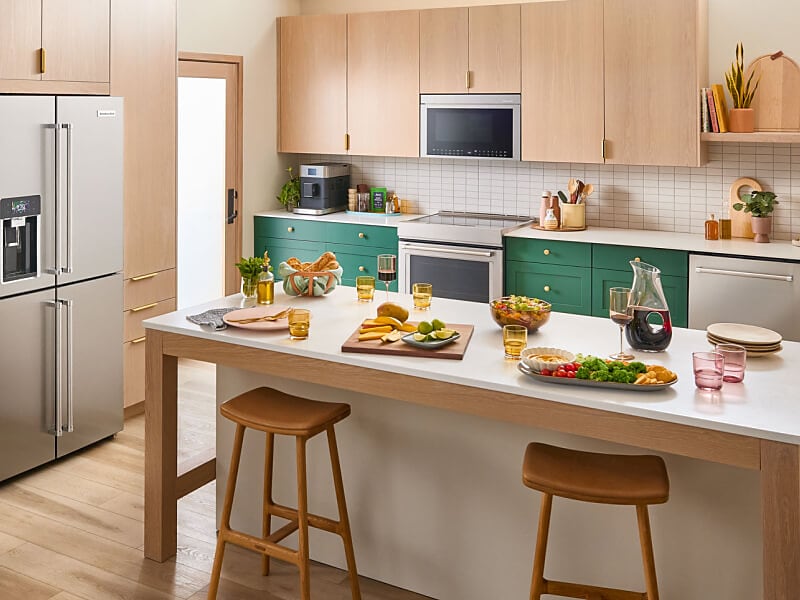
Credit: www.kitchenaid.com
Implementing Smart Technology
Smart technology can make your kitchen more efficient and easier to use. It helps with cooking, cleaning, and managing energy.
Using smart devices lets you control your kitchen tools from your phone or voice assistant. This saves time and adds convenience.
Smart Appliances
Smart appliances like refrigerators, ovens, and dishwashers connect to Wi-Fi. They offer features such as remote control and alerts.
For example, a smart fridge can notify you when food is running low or about expiration dates.
Voice Control Systems
Voice assistants like Alexa or Google Assistant can control kitchen devices. You can set timers, play music, or adjust lights without using your hands.
- Set cooking timers
- Turn lights on or off
- Play your favorite recipe videos
- Ask for measurement conversions
Energy Efficiency Monitoring
Smart meters and plugs track energy use of your kitchen devices. This helps reduce electricity bills and lower waste.
| Device | Feature | Benefit |
| Smart Oven | Remote temperature control | Save energy by cooking only when needed |
| Smart Fridge | Energy consumption reports | Identify power-hungry settings |
| Smart Dishwasher | Delay start times | Use lower-cost electricity periods |
Smart Lighting
Smart lights adjust brightness and color to fit your kitchen tasks. You can control them with apps or voice commands.
Benefits of smart lighting:
- Save energy by dimming lights when not needed
- Improve mood with color changes
- Increase safety with motion sensors
Creating Functional Work Zones
A modern kitchen should be easy to use and efficient. Designing work zones helps organize tasks.
Work zones group related kitchen activities. This makes cooking faster and cleaner.
The Cooking Zone
This zone includes the stove, oven, and microwave. It is where food is cooked and heated.
Keep pots, pans, and cooking tools close to this area. It saves time and effort.
The Preparation Zone
This zone is for chopping, mixing, and preparing ingredients. It usually has a countertop and sink nearby.
Store knives, cutting boards, and mixing bowls here. This keeps everything handy for meal prep.
The Storage Zone
Keep your fridge, freezer, and pantry in this zone. It stores fresh and dry ingredients.
Arrange items so you can easily reach daily essentials. This prevents unnecessary trips around the kitchen.
The Cleaning Zone
This area includes the sink, dishwasher, and trash bin. It handles washing dishes and waste.
Place cleaning supplies nearby. This keeps the area neat and ready for use.
The Serving Zone
Designate space for plating and serving meals. It can be a countertop or kitchen island.
Keep plates, utensils, and napkins close. This makes serving easier and faster.
Enhancing Natural Lighting
Natural light makes a kitchen feel bright and welcoming. It helps you see colors clearly and saves energy.
Designing your kitchen to use natural light well improves its look and your mood.
Use Large Windows
Big windows bring in more sunlight. Place windows where they catch the sun during the day. Avoid blocking windows with tall furniture.
Choose Light Colors
Light colors reflect sunlight and spread it across the room. Use white, cream, or pastels for walls and cabinets.
- White ceilings brighten the space
- Glossy surfaces reflect light well
- Light-colored floors help bounce light
Add Reflective Surfaces
Mirrors and shiny backsplashes increase natural light by reflecting it. Use glass or metal finishes for a modern look.
| Surface Type | Effect on Light |
|---|---|
| Glass Backsplash | Reflects sunlight evenly |
| Polished Metal Appliances | Creates bright highlights |
| Mirrored Wall Tiles | Double the natural light |
Keep Window Treatments Minimal
Use sheer curtains or blinds that open fully. Avoid heavy drapes that block sunlight. This keeps the kitchen bright all day.
Utilizing Color And Texture
Color and texture shape the look and feel of your kitchen. They add style and warmth to the space.
Choosing the right colors and textures makes the kitchen inviting and modern. You can mix and match for a unique design.
Picking The Right Color Palette
Start with a base color that feels calm and clean. Light colors open up small kitchens, while dark shades add depth to large spaces.
- Use neutral tones for walls and cabinets
- Add bright colors with accessories like rugs or stools
- Consider soft pastels for a fresh, modern look
- Match colors to natural light for balance
Adding Texture For Interest
Texture brings dimension and comfort to your kitchen. Mixing smooth and rough surfaces creates a pleasing contrast.
| Texture Type | Where to Use | Effect |
| Matte | Cabinet doors, walls | Soft, modern feel |
| Glossy | Countertops, backsplashes | Bright, reflective look |
| Wood Grain | Flooring, shelves | Warmth and natural vibe |
| Stone | Countertops, accents | Durable and earthy |
Combining Color And Texture
Use color and texture to guide the eye across the room. Balance bold colors with soft textures to avoid clutter.
Tip:Pair a smooth, dark countertop with light, textured cabinets. This contrast creates a modern and cozy kitchen.
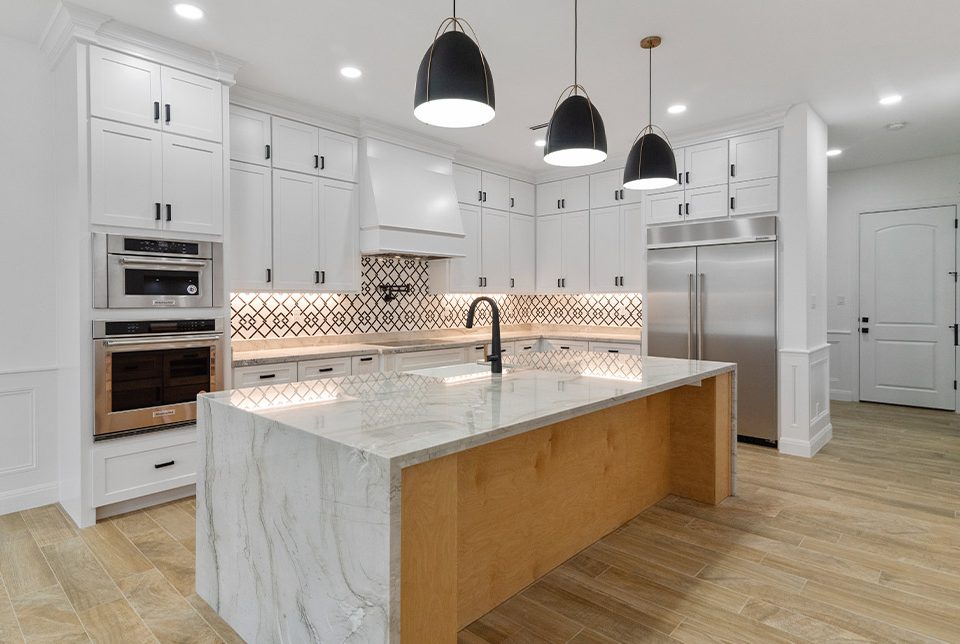
Credit: guzmanconstructionrgv.com
Balancing Aesthetics And Practicality
Designing a modern kitchen means mixing looks with function. It must look good and be easy to use.
Good design saves time and makes cooking fun. Here are tips to keep your kitchen stylish and practical.
Plan Your Kitchen Work Zones
Divide your kitchen into zones for cooking, cleaning, and storage. This helps you move smoothly while working.
- Cooking zone: stove and oven
- Cleaning zone: sink and dishwasher
- Storage zone: pantry and cabinets
- Preparation zone: counter space
Choose Durable And Stylish Materials
Select materials that last long and look modern. Balance beauty with easy cleaning and resistance to damage.
| Material | Aesthetic | Practicality |
| Quartz Countertops | Shiny and smooth | Scratch and stain resistant |
| Matte Cabinets | Modern look | Hides fingerprints |
| Tile Backsplash | Colorful and bright | Easy to clean |
Maximize Storage Space
Smart storage keeps your kitchen tidy and efficient. Use every inch without cluttering the space.
- Install pull-out drawers in cabinets
- Use vertical shelves for small items
- Add hooks for pots and pans
- Choose multi-purpose furniture
Use Lighting To Enhance Function And Mood
Good lighting helps you see well and creates a warm atmosphere. Mix task and ambient lights for balance.
- Bright lights over work areas
- Soft lights for dining space
- Under-cabinet lighting for counters
- Dimmer switches for mood control
Frequently Asked Questions
What Is The Best Modern Kitchen Layout For Small Spaces?
The best layout for small kitchens is the L-shape or galley design. These maximize space and improve workflow. Open shelving and minimalistic cabinetry keep the area uncluttered and functional.
How To Choose The Right Kitchen Island Design?
Select an island that fits your kitchen size and needs. It should offer extra storage, seating, or prep space. Sleek, simple designs with clean lines suit modern kitchens best.
What Are Key Features Of A Modern Kitchen Layout?
Modern kitchens feature open floor plans, efficient work triangles, and integrated appliances. Use neutral colors, streamlined cabinets, and smart lighting to create a clean, functional space.
How To Improve Kitchen Workflow With Layout Design?
Place the sink, stove, and refrigerator in a triangular layout. This reduces unnecessary movement and speeds up meal prep. Ensure enough counter space near these zones for convenience.
Conclusion
Designing a modern kitchen means focusing on space and function. Keep your layout simple and easy to move around. Use clean lines and neutral colors for a fresh look. Choose storage that fits your needs without clutter. Lighting should brighten work areas and create warmth.
Small details make a big difference in style and comfort. Plan well, and your kitchen will feel open and inviting. Enjoy cooking and spending time in a space that works for you.