
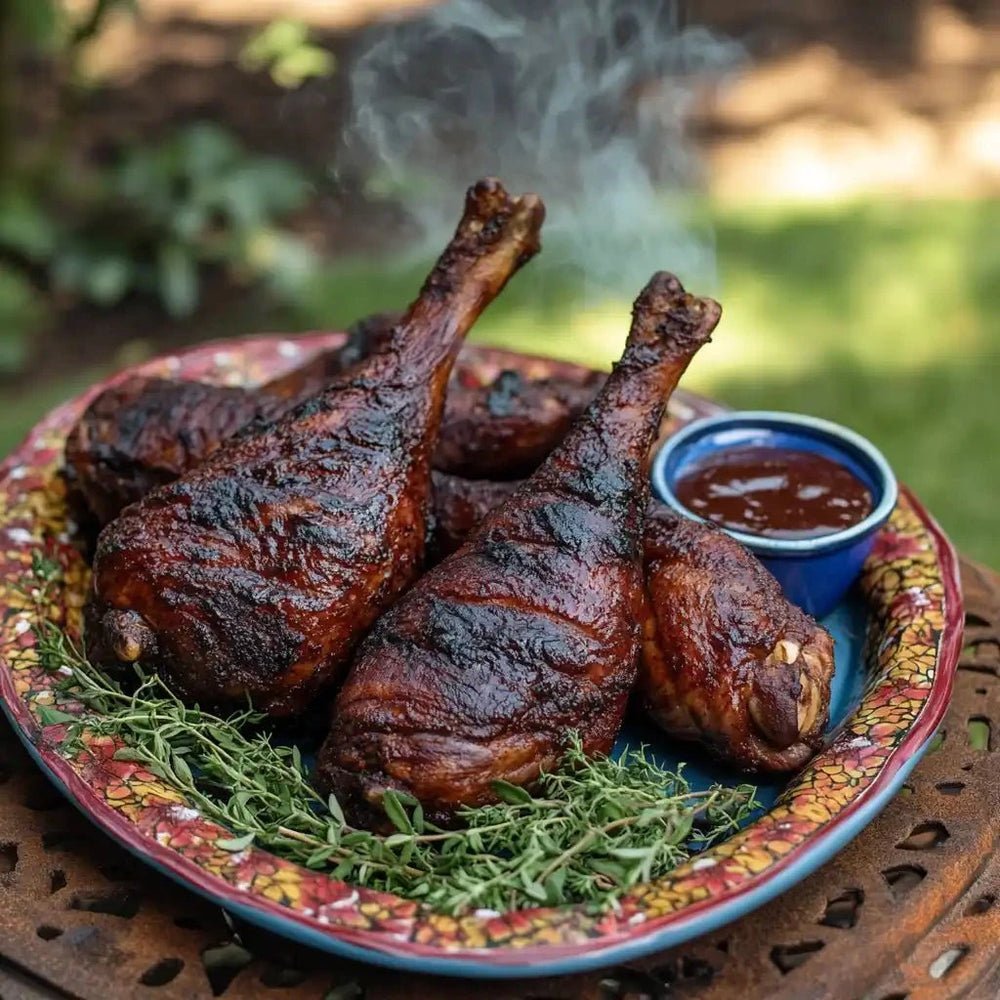
Are you tired of cooking turkey legs that turn out dry and tough? You’re not alone.
Getting juicy, flavorful turkey legs can feel tricky, but it doesn’t have to be. With the right tips and tricks, you can enjoy tender, mouth-watering turkey legs every time. Keep reading, and you’ll discover simple steps that will transform your cooking and make your turkey legs the star of any meal.
Your next delicious bite is just a few tips away!

Credit: www.everylastbite.com
Choosing The Right Turkey Legs
Picking the right turkey legs is key for juicy and tasty results. The quality of the meat affects cooking time and flavor.
Understanding your options helps you decide what fits your needs and budget best.
Fresh Vs. Frozen Options
Fresh turkey legs offer a tender texture and rich flavor. They cook evenly and are easy to season.
Frozen turkey legs are convenient and last longer. Proper thawing is important to keep them juicy.
- Fresh turkey legs usually cost more but taste better.
- Frozen turkey legs need slow thawing in the fridge.
- Check packaging dates to ensure freshness.
- Both types work well if handled correctly.
Organic And Free-range Choices
Organic turkey legs come from birds raised without synthetic chemicals. They often have a cleaner taste.
Free-range turkey legs are from birds that roam outdoors. This can make the meat firmer and more flavorful.
| Type | Key Feature | Flavor | Price Range |
|---|---|---|---|
| Organic | No synthetic chemicals | Clean and natural | High |
| Free-Range | Outdoor roaming | Firm and rich | Medium to High |
| Conventional | Standard farming | Mild | Low to Medium |
Essential Tools For Cooking
Cooking turkey legs juicy needs the right tools. Using proper equipment helps keep the meat tender and full of flavor.
Choosing the best kitchen tools makes cooking easier and gives better results. These tools help control heat and moisture during cooking.
Must-have Kitchen Equipment
Some tools are important for cooking turkey legs well. They keep the meat juicy and cook it evenly.
- Meat thermometer: checks the turkey’s internal temperature for perfect doneness.
- Sharp knife: helps trim excess fat and skin before cooking.
- Cutting board: provides a clean space for prepping the turkey legs.
- Mixing bowl: used to prepare marinades or seasoning blends.
- Basting brush: applies sauces or oils during cooking to keep meat moist.
Choosing The Right Cooking Vessel
Selecting the best cooking vessel helps keep turkey legs juicy. Some vessels hold heat and moisture better than others.
| Vessel Type | Advantages | Best Use |
| Dutch Oven | Holds heat well, traps moisture | Braising and slow cooking |
| Cast Iron Skillet | Even heat distribution | Pan-searing before oven cooking |
| Roasting Pan with Lid | Allows roasting with moisture retention | Oven roasting turkey legs |
| Slow Cooker | Keeps low, steady heat | Long, gentle cooking |
Marinating For Maximum Flavor
Marinating turkey legs adds flavor and keeps the meat juicy. The right marinade soaks into the meat, making it tender and tasty.
Understanding the ingredients and timing helps you get the best results. Let’s explore the basics of marinating turkey legs.
Basic Marinade Ingredients
Good marinades have a balance of acid, oil, and seasonings. Each part plays a role in flavor and texture.
- Acid:Lemon juice, vinegar, or yogurt help break down meat fibers.
- Oil:Olive oil or vegetable oil locks in moisture and carries flavors.
- Salt:Enhances taste and helps the meat retain water.
- Herbs and spices:Garlic, rosemary, thyme, and pepper add aroma and depth.
- Sweeteners:Honey or brown sugar balance acidity and improve browning.
Timing And Techniques
Marinating time depends on the size and thickness of turkey legs. Too short means less flavor; too long can change texture.
| Marinating Time | Effect |
| 30 minutes to 2 hours | Light flavor, meat stays firm |
| 4 to 6 hours | Good flavor, tender texture |
| Over 12 hours | Strong flavor, can be mushy |
Place turkey legs in a sealed bag or container with marinade. Turn them a few times during marinating to coat evenly.
Keep turkey in the refrigerator while marinating to stay safe and fresh.
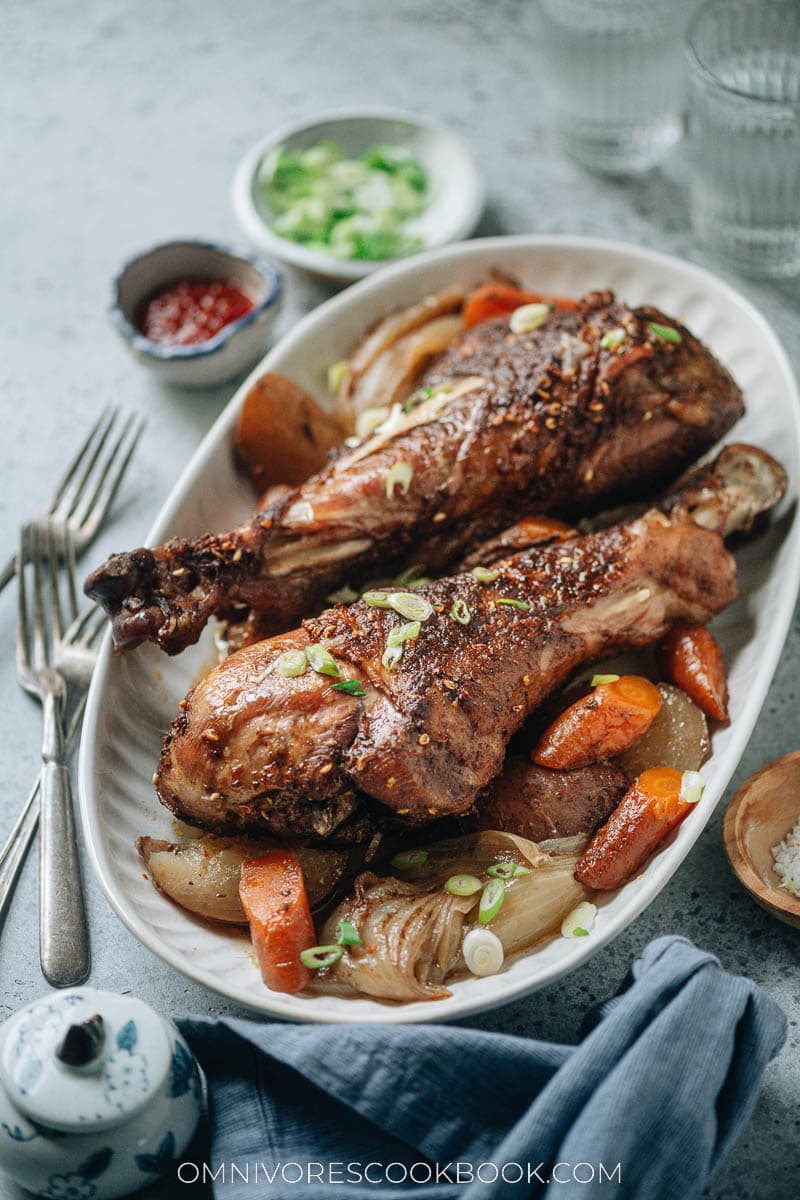
Credit: omnivorescookbook.com
Optimal Cooking Methods
Cooking turkey legs so they stay juicy can be tricky. Choosing the right method helps keep the meat tender and flavorful.
Below are some common ways to cook turkey legs. Each method offers a unique taste and texture.
Roasting To Perfection
Roasting turkey legs in the oven makes the skin crispy and the inside juicy. Use moderate heat to cook the meat evenly.
Wrap the turkey legs in foil to keep moisture inside. Check the temperature to avoid drying out the meat.
- Preheat oven to 350°F (175°C)
- Season turkey legs with salt and herbs
- Wrap in foil or place in a covered pan
- Roast for 1.5 to 2 hours
- Use a meat thermometer; aim for 165°F (74°C) inside
Grilling For Smoky Notes
Grilling turkey legs adds a smoky flavor and crispy skin. Cook over medium heat to prevent burning the outside.
Turn the legs often to cook them evenly. Use indirect heat to keep the meat juicy inside.
- Preheat grill to medium heat
- Marinate or season turkey legs
- Place legs away from direct flame
- Grill 25-30 minutes per side
- Check for internal temperature of 165°F (74°C)
Slow Cooking For Tenderness
Slow cooking turkey legs makes the meat very tender. The low heat breaks down tough fibers.
Add broth or sauce to keep the meat moist during cooking. This method works well for hands-off cooking.
- Place turkey legs in slow cooker
- Add broth, vegetables, or sauce
- Cook on low for 6-8 hours
- Check tenderness before serving
- Ensure the meat reaches 165°F (74°C)
Seasoning Tips
Seasoning turkey legs well makes them juicy and tasty. The right spices add flavor without drying the meat.
Use a mix of spices, herbs, and citrus to keep the turkey legs moist and delicious. Let the flavors soak in before cooking.
Spice Blends And Rubs
Spice blends and rubs add a bold taste to turkey legs. Rub the mix on the skin and under it to reach the meat.
- Use paprika for a smoky flavor
- Add garlic powder for depth
- Include black pepper for heat
- Try cumin for earthiness
- Mix salt to enhance all flavors
Let the rubbed turkey sit for at least an hour. This helps the spices penetrate the meat for juicier results.
Enhancing With Herbs And Citrus
Fresh herbs and citrus brighten the flavor of turkey legs. They add moisture and a fresh aroma.
- Use rosemary or thyme for herbal notes
- Add lemon or orange zest for a citrus kick
- Place whole herbs under the skin
- Sprinkle citrus juice before cooking
- Combine herbs and citrus in a marinade
These ingredients help keep the turkey juicy and add layers of flavor that make each bite better.
Checking For Doneness
Cooking turkey legs until they are juicy and safe to eat is important. You need to check if they are done before serving. There are simple ways to tell if turkey legs are fully cooked.
Two main methods help you check doneness: using a meat thermometer and looking at visual and texture signs. Each method gives clues about the turkey leg’s readiness.
Using A Meat Thermometer
A meat thermometer is the safest tool to check turkey legs. It tells you the exact internal temperature inside the meat.
- Insert the thermometer into the thickest part of the leg, avoiding bone.
- The safe temperature for turkey legs is 165°F (74°C).
- Check the temperature after 30 minutes of cooking for accuracy.
- Remove the turkey legs from heat once they reach the right temperature.
Visual And Texture Indicators
| Indicator | What to Look For | Why It Matters |
| Juices | Clear, not pink or red | Shows meat is cooked through |
| Color | White or light brown inside | Means turkey leg is done |
| Texture | Firm but not hard | Indicates proper cooking |
| Ease of Pull | Meat pulls away easily from bone | Shows tenderness and doneness |
Resting And Carving
Cooking turkey legs well is only part of the process. Resting and carving them right keeps the meat juicy and tender. This guide covers why resting is important and how to carve for best results.
Importance Of Resting Time
After cooking, resting lets the juices settle inside the turkey leg. Cutting too soon causes the juices to escape, making the meat dry. Resting also makes carving easier and safer.
- Allow turkey legs to rest for 10 to 15 minutes.
- Cover loosely with foil to keep warm.
- Keep the resting area free from drafts or cold air.
- Use this time to prepare your carving tools and plate.
Carving Techniques For Juicy Slices
Proper carving keeps the turkey leg slices moist and tasty. Use a sharp knife and cut against the grain. This makes the meat easier to chew and keeps juices inside.
| Technique | Tip |
| Use a sharp knife | Helps make clean cuts without tearing meat |
| Cut against the grain | Keeps slices tender and juicy |
| Slice thinly | Allows even cooking and better flavor |
| Cut away from bone | Prevents splinters and keeps slices neat |
Serving Suggestions
Cooking turkey legs juicy is only part of the meal. How you serve them can make a big difference. Good sides and nice presentation make the meal special.
Try simple ideas that bring out the flavor. Think about what pairs well and how to display the turkey legs beautifully.
Pairing With Side Dishes
Turkey legs taste great with many side dishes. Choose sides that balance the rich, juicy meat. Fresh and light sides add contrast.
Root vegetables, greens, and grains often work well. They add texture and flavor without overpowering the turkey.
- Roasted carrots and parsnips
- Steamed green beans with lemon
- Mashed potatoes or sweet potatoes
- Quinoa or wild rice salad
- Crisp garden salad with vinaigrette
- Grilled corn on the cob
Creative Presentation Ideas
How you plate turkey legs can excite your guests. Use simple tricks to make the dish look fun and inviting.
Adding garnishes and using different plates can change the meal’s feel. Let the turkey legs shine as the main feature.
- Place turkey legs on a wooden board for a rustic look
- Arrange legs beside colorful vegetables in a circle
- Top with fresh herbs like parsley or rosemary
- Serve with a small bowl of dipping sauce on the side
- Use bright plates to make the turkey color pop

Credit: niyis.co.uk
Frequently Asked Questions
How Do I Keep Turkey Legs Juicy While Cooking?
To keep turkey legs juicy, cook them slowly at low heat. Use a marinade or brine to add moisture. Baste occasionally with pan juices or butter. Avoid overcooking, which dries out the meat.
What Is The Best Cooking Temperature For Turkey Legs?
Cook turkey legs at 325°F (163°C) for even, juicy results. This moderate temperature helps render fat and keeps meat tender. Use a meat thermometer to reach an internal temperature of 165°F (74°C).
Should I Marinate Turkey Legs Before Cooking?
Yes, marinating turkey legs enhances flavor and moisture. Use acidic ingredients like lemon juice or vinegar with herbs and spices. Marinate for at least 2 hours or overnight for best results.
How Long Does It Take To Cook Turkey Legs Thoroughly?
Turkey legs usually take 1. 5 to 2 hours to cook at 325°F (163°C). Cooking time varies by size, so check internal temperature for doneness. Rest the meat before serving to retain juices.
Conclusion
Cooking juicy turkey legs is easier than you think. Use fresh ingredients and keep the heat steady. Let the meat rest before cutting. This helps keep all the juices inside. Try different spices for more flavor. Simple steps lead to tasty results every time.
Enjoy your meal and share with friends. Cooking can be fun and rewarding. Keep practicing and you will get better fast. Juicy turkey legs will impress everyone at your table.