
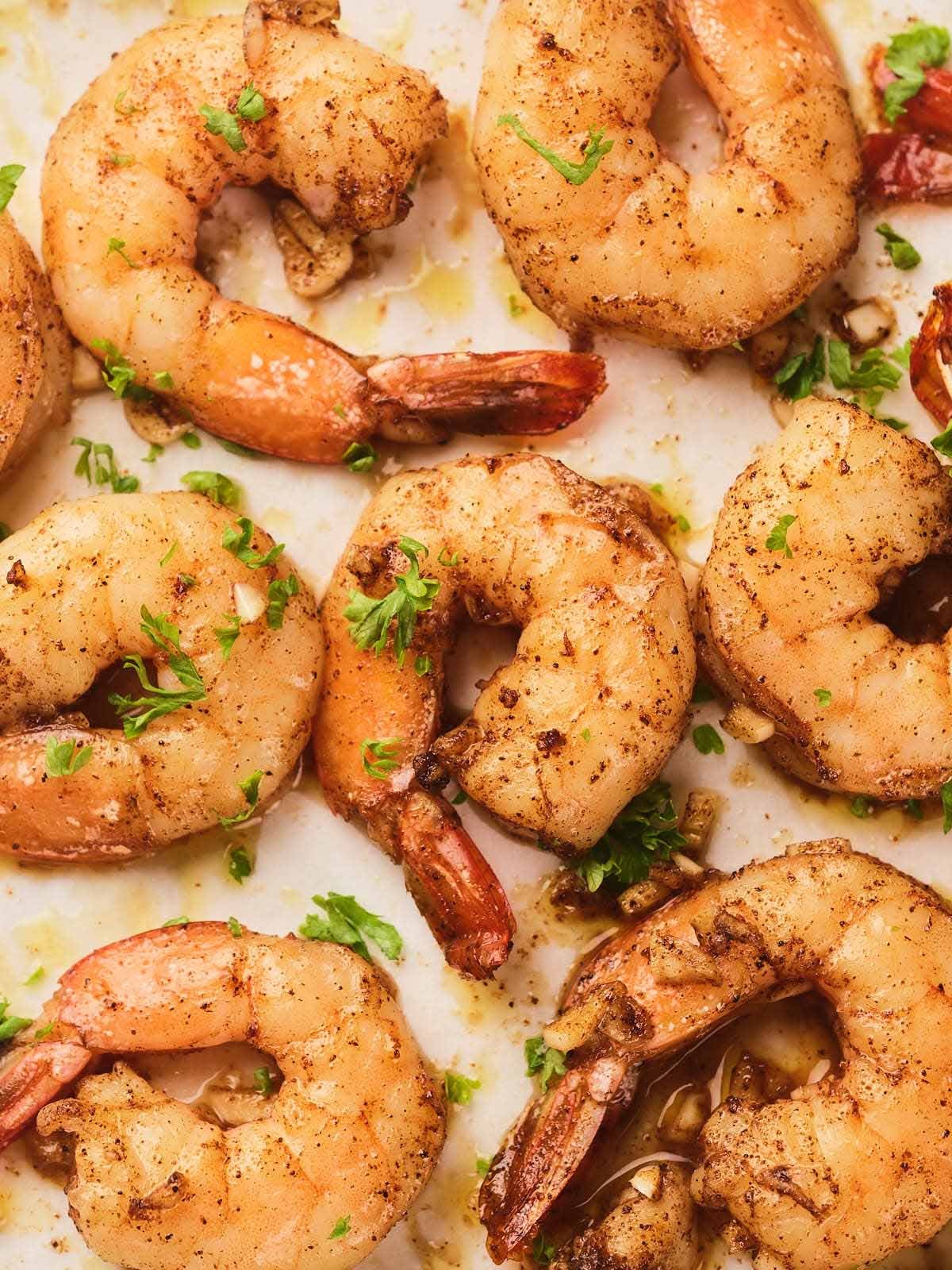
Cooking shrimp in the oven can be quick and delicious, but getting them cooked evenly can sometimes feel tricky. If you’ve ever ended up with some shrimp overcooked while others are underdone, you’re not alone.
The good news is, with a few simple tips, you can make sure every shrimp on your tray comes out perfectly tender and juicy. Keep reading, and you’ll discover easy tricks that will transform your shrimp cooking game and impress everyone at your table.
Ready to master the art of oven-cooked shrimp? Let’s dive in!
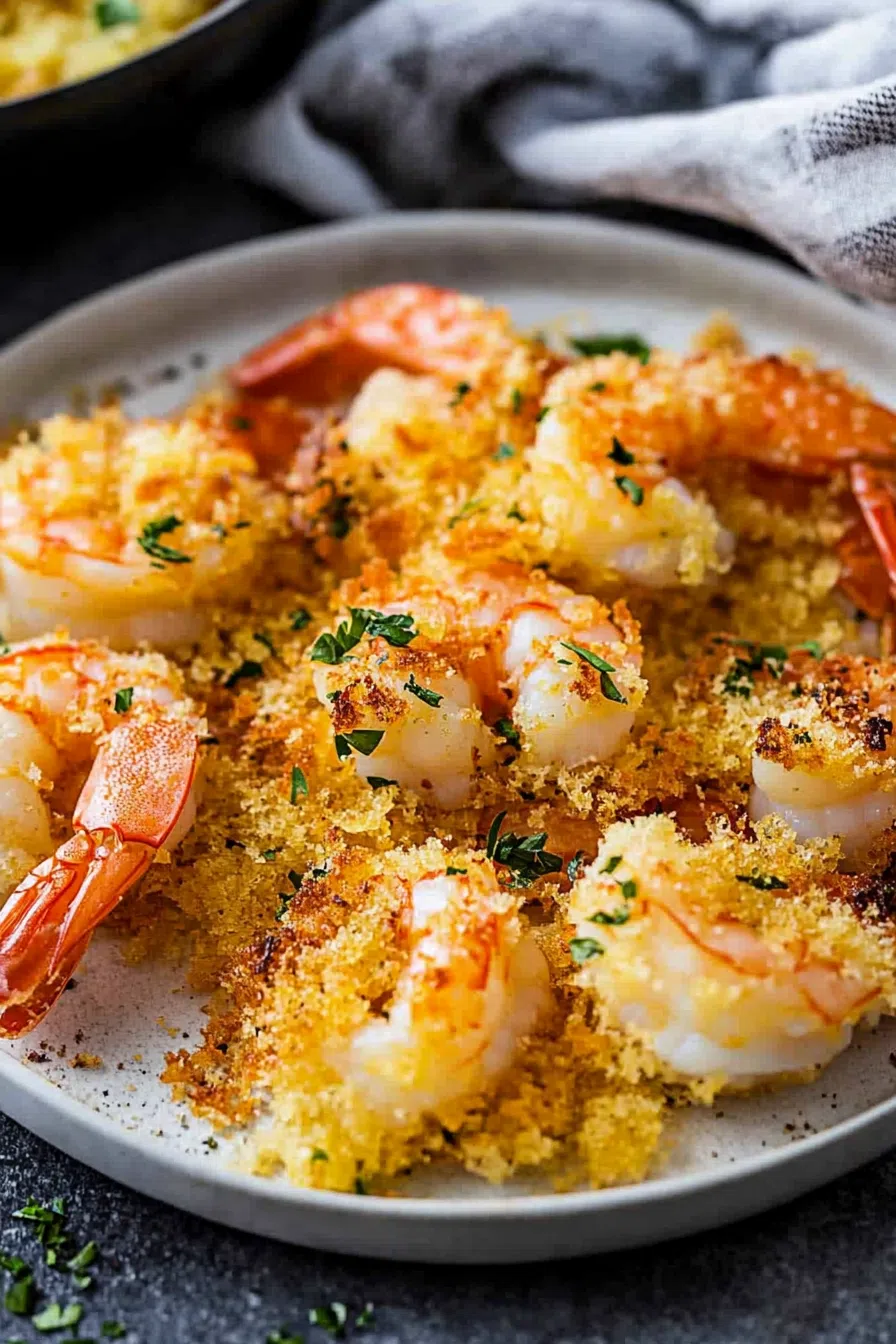
Credit: nodashofgluten.com
Choosing The Right Shrimp
Picking the right shrimp is important for even cooking in the oven. The shrimp you choose affects taste and texture.
This guide helps you select shrimp that cook evenly and taste great every time.
Fresh Vs. Frozen Options
Fresh shrimp usually have a better texture but can be harder to find. Frozen shrimp are easy to store and often just as good.
- Fresh shrimp should smell like the sea and look translucent.
- Frozen shrimp should be firm and free of ice crystals.
- Buy frozen shrimp with the shell on to lock in moisture.
- Thaw frozen shrimp in cold water for best results.
Selecting The Right Size
The size of shrimp affects cooking time and evenness. Choose a size that fits your recipe and oven time.
| Size Label | Count Per Pound | Best Use |
| Small | 51+ shrimp | Salads, soups |
| Medium | 41–50 shrimp | Skewers, pasta |
| Large | 31–40 shrimp | Baking, grilling |
| Extra Large | 21–30 shrimp | Main dishes |
| Jumbo | 16–20 shrimp | Special meals |
Credit: gfreefoodie.com
Prepping Shrimp For The Oven
Cooking shrimp evenly in the oven starts with good preparation. Proper steps help the shrimp cook well and taste great.
Two key parts of prepping are cleaning and marinating. These help remove unwanted parts and add flavor.
Cleaning And Deveining
Clean shrimp to remove the shell and vein. This makes the shrimp ready to cook and eat.
- Rinse shrimp under cold water.
- Remove the shell by peeling from the legs.
- Use a small knife to cut along the back.
- Pull out the dark vein with the knife or your fingers.
- Rinse the shrimp again to clean well.
Marinating For Flavor
Marinate shrimp to add taste and keep them moist. Use simple ingredients and short time for best results.
| Ingredient | Purpose |
| Olive oil | Keeps shrimp moist |
| Garlic | Adds strong flavor |
| Lemon juice | Gives fresh tang |
| Salt | Enhances taste |
| Black pepper | Adds mild heat |
Mix these ingredients and coat shrimp well. Let them sit for 15 to 30 minutes before baking.
Setting The Ideal Temperature
Cooking shrimp evenly in the oven depends a lot on the temperature you set. The right heat helps shrimp cook through without drying out or burning.
Setting the ideal temperature creates a perfect balance between cooking fast and staying juicy. Let’s look at why temperature is so important and what settings work best.
Why Temperature Matters
Shrimp cook quickly and can become tough if the heat is too high. Low temperatures might dry them out or leave them undercooked.
The right temperature ensures shrimp cook evenly. It allows the shrimp to stay tender and juicy inside while getting a nice outside texture.
- High heat can burn the outside before the inside cooks.
- Low heat may cause uneven cooking and dryness.
- Ideal temperature keeps shrimp plump and flavorful.
Recommended Oven Settings
Set your oven temperature between 375°F and 425°F for best results. This range cooks shrimp quickly without drying them.
Use a baking sheet with space between shrimp. This helps heat circulate and cooks them evenly.
- Preheat oven to 400°F for balanced cooking.
- Bake shrimp for 8-10 minutes depending on size.
- Use convection mode if available to improve heat flow.
- Check shrimp early to avoid overcooking.
Arranging Shrimp On The Baking Sheet
Cooking shrimp evenly in the oven needs the right arrangement. How you place shrimp on the baking sheet matters a lot.
Proper placement helps shrimp cook at the same rate. This prevents some from being overcooked or undercooked.
Importance Of Even Spacing
Space shrimp evenly on the baking sheet. Crowded shrimp steam instead of bake. This makes them rubbery and less tasty.
Even spacing lets hot air flow around each shrimp. This helps them cook quickly and get a nice texture.
- Leave about 1 inch between each shrimp
- Do not overlap shrimp
- Use a large enough baking sheet for the amount
Using Parchment Or Foil
Line your baking sheet with parchment paper or foil. This stops shrimp from sticking to the pan.
Parchment and foil also make cleanup easy. They help shrimp cook evenly by reflecting heat and preventing hot spots.
- Parchment paper prevents sticking without added fat
- Foil can help crisp edges if lightly oiled
- Both protect the baking sheet and keep shrimp intact
Monitoring Cooking Time
Cooking shrimp in the oven needs careful time control. Shrimp cook quickly and can become tough if overdone.
Watching the cooking time helps you get juicy and tender shrimp every time.
Signs Of Perfectly Cooked Shrimp
Shrimp change color when they cook. They turn from gray to pink and white. This shows they are done.
The texture also changes. Cooked shrimp are firm but still springy. They should not feel rubbery or hard.
- Pink and white color with no gray spots
- Firm but springy texture
- Curled shape, usually forming a loose “C”
- Clear juices, not milky or cloudy
Avoiding Overcooking
Overcooked shrimp become tough and chewy. They lose their natural sweetness and taste dry.
Set a timer for the shortest recommended cooking time. Check shrimp early to avoid overcooking.
- Preheat the oven to the right temperature
- Cook shrimp for 6 to 8 minutes, depending on size
- Check shrimp at 5 minutes for doneness
- Remove from oven as soon as shrimp turn pink and firm
- Let shrimp rest for a minute; they will finish cooking slightly
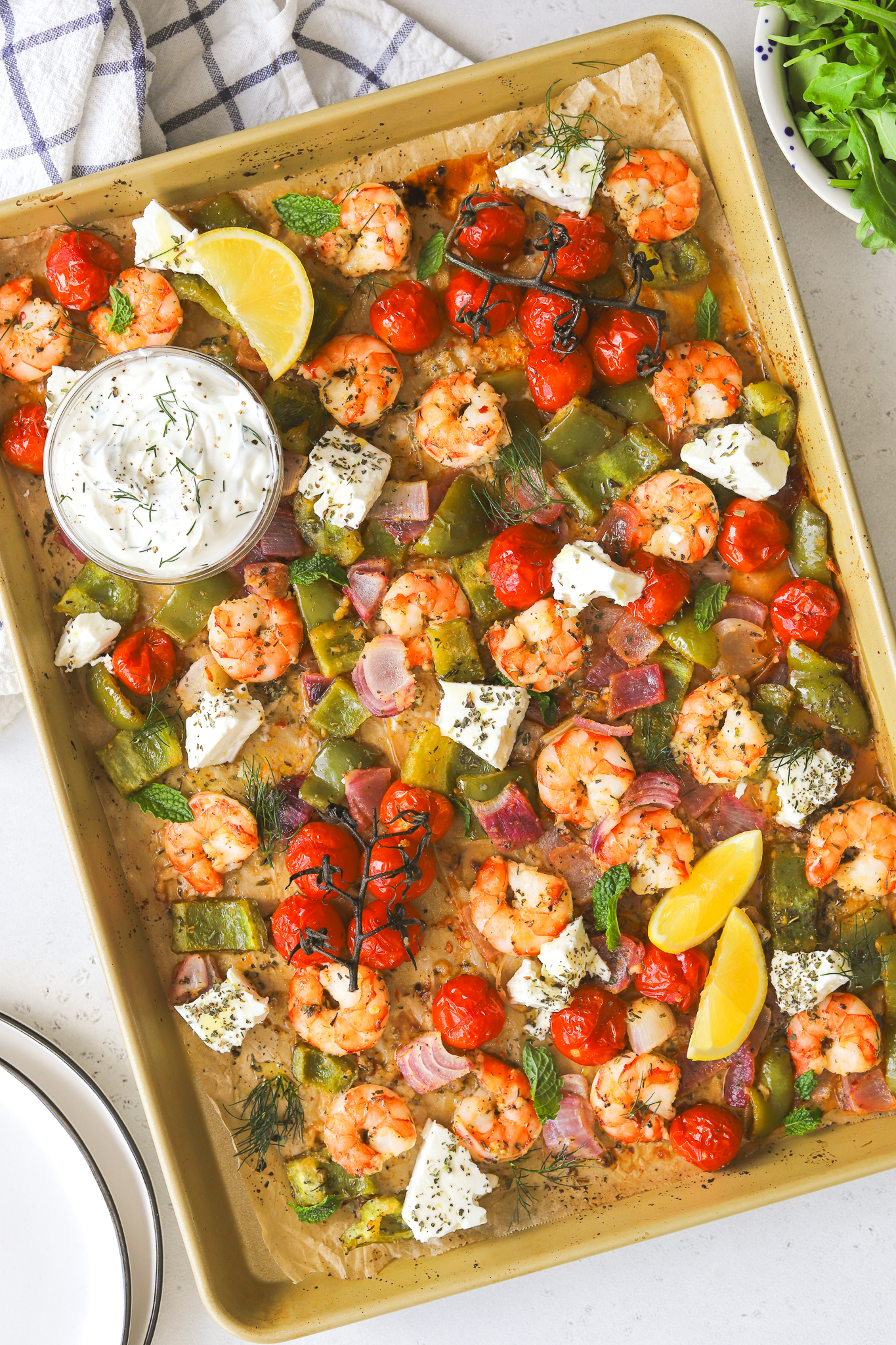
Credit: www.cookinginmygenes.com
Enhancing Flavor After Cooking
Cooking shrimp in the oven is quick and easy. After cooking, adding flavors can make the shrimp taste even better.
Simple additions like herbs, spices, and serving ideas bring out the best in your shrimp.
Adding Fresh Herbs And Spices
Fresh herbs add a bright and fresh taste to cooked shrimp. Sprinkle chopped parsley, cilantro, or basil for extra flavor.
Spices like smoked paprika, garlic powder, or a pinch of chili flakes can add warmth and depth.
- Chopped parsley for freshness
- Cilantro for a citrusy note
- Basil for a sweet aroma
- Smoked paprika for smokiness
- Garlic powder for mild pungency
- Chili flakes for heat
Serving Suggestions
Serve shrimp with simple sides to balance their flavor. Lemon wedges add a zesty touch after cooking.
Pair shrimp with rice, salad, or crusty bread to make a complete meal.
- Lemon wedges for brightness
- Steamed rice for a mild base
- Fresh green salad for crunch
- Crusty bread to soak juices
Frequently Asked Questions
How Do I Prevent Shrimp From Overcooking In The Oven?
To avoid overcooking, bake shrimp at 400°F for 8-10 minutes. Use a timer and check for opaque color and firm texture.
What Is The Best Oven Temperature For Cooking Shrimp Evenly?
Set your oven to 400°F (204°C). This temperature cooks shrimp quickly and evenly without drying them out.
Should I Marinate Shrimp Before Baking In The Oven?
Yes, marinating shrimp adds flavor and moisture. Keep the marinade light and marinate for 15-30 minutes before cooking.
How Can I Ensure Even Cooking Of Shrimp In The Oven?
Arrange shrimp in a single layer on a baking sheet. Avoid overcrowding to allow hot air to circulate evenly.
Conclusion
Cooking shrimp evenly in the oven is easy with some care. Preheat the oven and arrange shrimp in a single layer. Keep an eye on cooking time to avoid overcooking. Use simple seasonings to bring out natural flavors. Let shrimp rest briefly after baking for juiciness.
These tips help you enjoy tasty, perfectly cooked shrimp every time. Try them and see how much better your shrimp can taste. Simple steps make a big difference in your kitchen.