
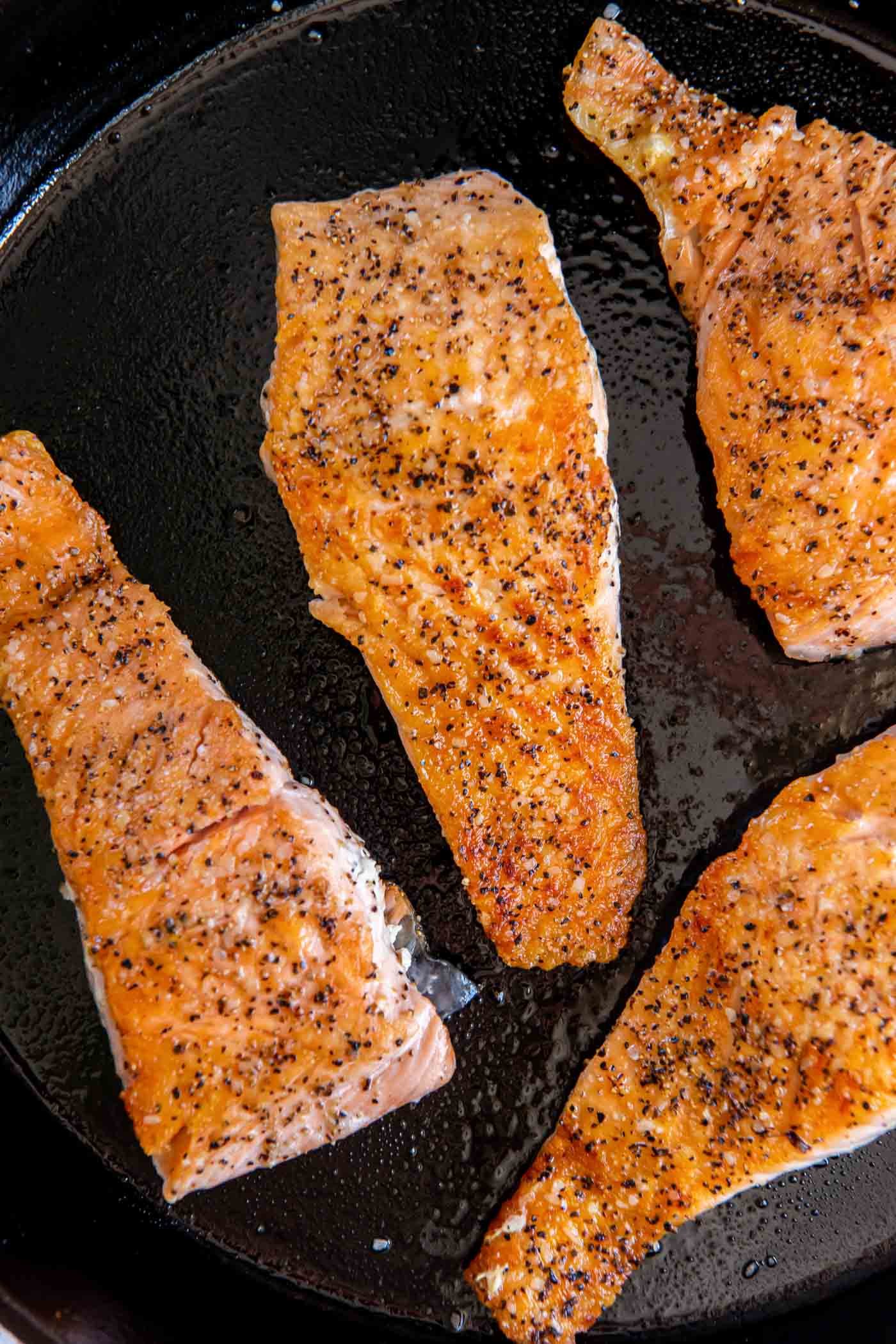
Cooking salmon fillets in a skillet can seem tricky, but it doesn’t have to be. You want that perfect golden crust outside and tender, juicy fish inside.
With the right tips, you can achieve restaurant-quality salmon right at home. You’ll discover simple tricks to make your skillet salmon cook faster, taste better, and look amazing every time. Keep reading, and you’ll never worry about overcooked or bland salmon again!
Choosing The Right Salmon
Cooking salmon fillets in a skillet starts with picking the right fish. The type and quality of salmon affect taste and texture.
Knowing the difference between fresh and frozen, and wild-caught versus farm-raised helps you make better choices.
Fresh Vs. Frozen
Fresh salmon usually tastes better and has a firmer texture. It is best for quick cooking like skillet recipes.
Frozen salmon can be just as good if handled well. It lasts longer and is often more affordable.
- Fresh salmon has a bright color and smells like the ocean.
- Frozen salmon should be thawed slowly in the fridge for best results.
- Check for ice crystals on frozen fish; they may mean freezer burn.
Wild-caught Vs. Farm-raised
Wild-caught salmon lives in natural waters and eats a natural diet. This gives it a stronger flavor.
Farm-raised salmon grows in controlled environments. It often costs less and is easier to find.
- Wild-caught salmon usually has deeper red or orange flesh.
- Farm-raised salmon may have a lighter color and milder taste.
- Both types can cook well in a skillet if fresh and properly prepared.

Credit: www.acouplecooks.com
Preparing The Fillets
Cooking salmon fillets in a skillet starts with good preparation. Proper prep helps the fish cook evenly and taste great.
Focus on thawing, drying, and seasoning the fillets before cooking. These steps make a big difference.
Thawing Techniques
Thaw frozen salmon slowly for best texture. Avoid quick thawing to keep the fillets firm.
Place frozen salmon in the fridge overnight. This lets it thaw evenly without bacteria growth.
- If short on time, seal the fillet in a plastic bag.
- Submerge it in cold water for 30 minutes to an hour.
- Never use hot water, as it cooks the fish unevenly.
Patting Dry For Crispiness
Drying the fillets removes extra moisture. This step helps the salmon get a crispy crust in the skillet.
Use paper towels to gently pat the fish dry. Press lightly to avoid breaking the fillet.
- Pat both sides of the fillet thoroughly.
- Let the fillet sit a few minutes after drying for even better results.
- Moisture on the surface causes steaming, not searing.
Seasoning Options
Season salmon simply to highlight its flavor. Use salt and pepper for a classic taste.
Add herbs or spices for extra flavor. Choose mild options to keep the fish’s natural taste.
- Lemon zest or slices add freshness.
- Dill or parsley pairs well with salmon.
- Garlic powder or paprika add mild spice.
- Olive oil helps seasonings stick and aids browning.
Selecting The Ideal Skillet
Cooking salmon fillets in a skillet needs the right pan. The skillet affects how well the fish cooks and tastes.
Choosing the best skillet depends on its material and size. Both factors affect cooking time and texture.
Nonstick Vs. Cast Iron
Nonstick skillets help prevent salmon from sticking. They need less oil and are easy to clean.
Cast iron skillets keep heat well and give a nice crust. They need seasoning and care to stay nonstick.
- Nonstick: Easy release, less oil, simple cleanup
- Cast iron: Even heat, great crust, needs seasoning
Proper Size And Shape
Pick a skillet size that fits your salmon fillets without crowding. Crowding causes uneven cooking.
Round skillets work well for small fillets. Square or oval pans fit more pieces at once.
- Use 10-12 inch skillet for 2-4 fillets
- Choose pan shape based on fillet size and quantity
- Make sure skillet has a flat bottom for even heat
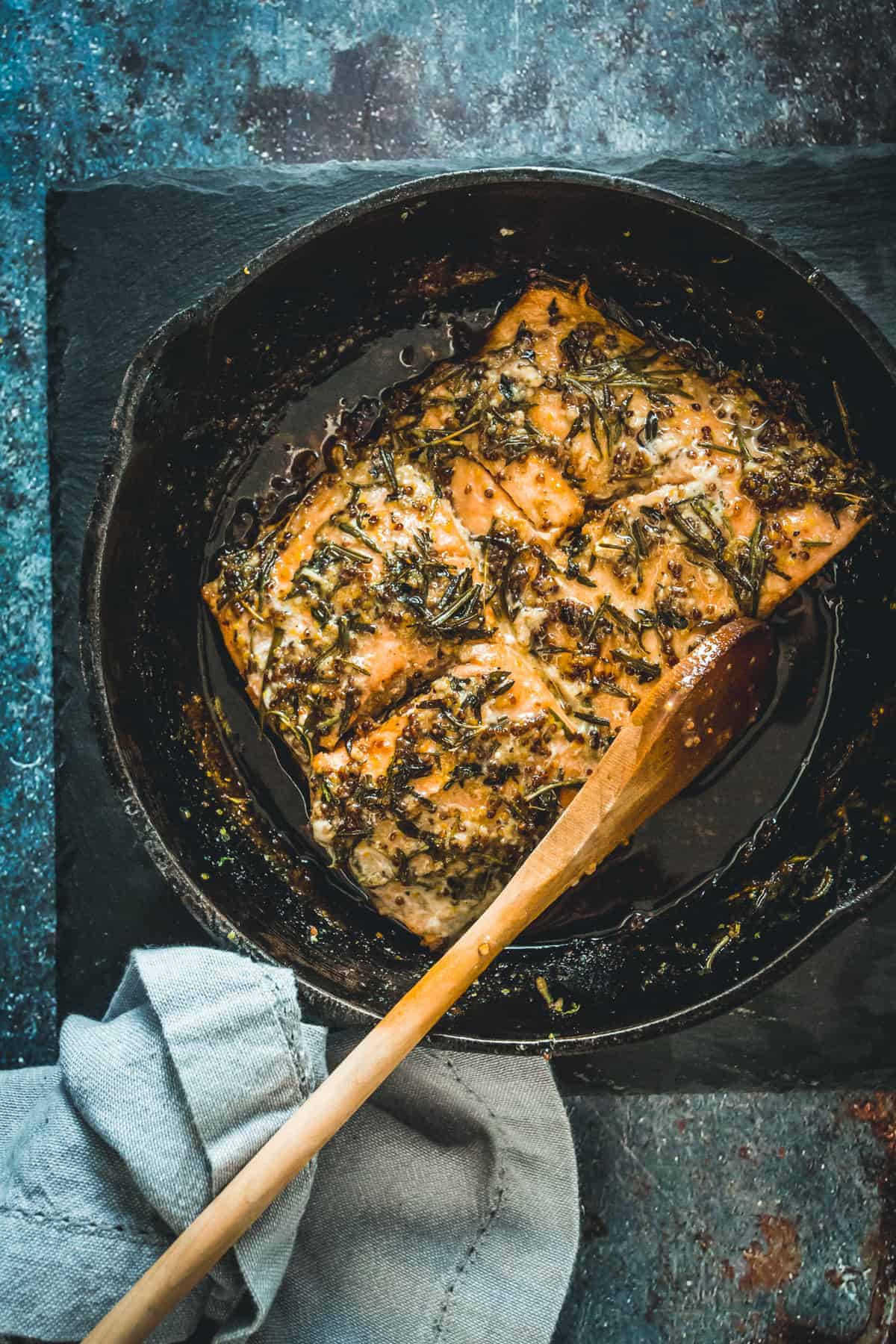
Credit: immigrantstable.com
Preheating The Skillet
Cooking salmon fillets in a skillet needs the pan to be hot. Preheating helps cook the fish evenly. It also keeps the salmon from sticking to the pan.
Knowing how to preheat the skillet right makes your salmon taste better. It creates a nice crust while keeping the inside soft and juicy.
Importance Of High Heat
High heat cooks the salmon quickly and seals in moisture. It helps form a golden crust on the outside. This crust adds flavor and texture to your fillets.
Using low heat can make the salmon dry and sticky. High heat keeps the fish tender inside and crispy outside. It also stops the salmon from sticking to the skillet.
Testing Skillet Readiness
To check if the skillet is hot enough, sprinkle a few drops of water on it. If the water sizzles and evaporates fast, the pan is ready.
You can also hold your hand a few inches above the skillet surface. If you feel strong heat quickly, the skillet is preheated well.
- Water drops should dance and evaporate quickly
- Skillet should feel very hot without smoking
- Use an oil with a high smoke point for best results
Cooking Techniques
Cooking salmon fillets in a skillet is simple and quick. Using the right techniques makes the fish tasty and moist.
Good cooking methods help keep the salmon tender and full of flavor. Let’s look at two important tips.
Skin Side Down First
Start cooking the salmon with the skin side down. This helps the skin get crispy and protects the flesh from overcooking.
Press the fillet gently to keep it flat on the pan. Cook on medium heat for even cooking and crisp skin.
- Place fillet skin side down in a hot skillet
- Press gently for even contact
- Cook on medium heat until skin is crisp
Timing For Perfect Cook
Timing is key to avoid dry or raw salmon. Cook each side just long enough to keep the inside tender.
Use the thickness of the fillet to judge the cooking time. Thicker fillets need more time.
| Fillet Thickness | Cook Time Skin Side Down | Cook Time Flesh Side Down |
|---|---|---|
| 1 inch | 4-5 minutes | 2-3 minutes |
| 1.5 inches | 6-7 minutes | 3-4 minutes |
| 2 inches | 8-9 minutes | 4-5 minutes |
Achieving Crispy Skin
Cooking salmon fillets in a skillet can give you delicious crispy skin. This texture adds a nice contrast to the tender fish.
Two key tips help you get the best crispy skin: pressing the fish for even contact and avoiding overcrowding the pan.
Pressing For Even Contact
Press the salmon gently with a spatula after placing it skin-side down. This keeps the skin flat against the hot pan and helps it crisp evenly.
- Use a fish spatula or a flat spatula
- Press down for about 10 to 15 seconds
- Lift the press and let the skin cook without moving
- Do not press too hard to avoid tearing the skin
Avoiding Overcrowding
Cook only a few fillets at a time. Too many pieces in the pan lower the temperature and cause steaming instead of crisping.
| Number of Fillets | Pan Size | Effect |
| 1-2 | 10-inch skillet | Good heat, crispy skin |
| 3-4 | 10-inch skillet | Lower heat, less crisp |
| 5 or more | 10-inch skillet | Steaming, soggy skin |
Finishing Touches
Finishing your salmon fillets properly makes a big difference in flavor and texture. This last step adds freshness and lets the fish rest for the best taste.
Below are simple tips on adding herbs and garnishes, and why resting the fish matters before serving.
Adding Herbs And Garnishes
Herbs and garnishes brighten the flavor of salmon. They add aroma and color without much effort.
- Sprinkle chopped fresh dill or parsley for a light, fresh taste.
- Add thin lemon slices or lemon zest for a citrusy kick.
- Use a small drizzle of good olive oil or melted butter to add shine.
- Top with capers or finely diced red onion for extra flavor.
Resting Before Serving
Resting salmon helps juices settle. This keeps the fish moist and tender.
| Resting Time | Effect |
| 1-2 minutes | Juices redistribute, fish stays moist |
| 3-5 minutes | Flavor deepens, texture softens |
| More than 5 minutes | Fish may cool down too much |
Troubleshooting Common Issues
Cooking salmon fillets in a skillet can be quick and tasty. Sometimes, small problems happen during cooking. Fixing these helps you enjoy perfect salmon every time.
This guide covers common issues like sticking and overcooking. Follow the tips below to improve your cooking skills and avoid these troubles.
Dealing With Sticking
Salmon can stick to the skillet if not cooked properly. Sticking makes the fish tear and lose its shape. Use the tips below to keep your fillets intact.
- Use a non-stick or well-seasoned skillet for better results.
- Heat the pan over medium heat before adding oil.
- Add enough oil or butter to cover the skillet surface.
- Let the oil heat until it shimmers but does not smoke.
- Place the salmon skin-side down and do not move it for several minutes.
- Wait until the edges turn opaque before flipping the fillet.
- Use a thin spatula to gently lift the fish when turning.
Avoiding Overcooking
Overcooked salmon loses moisture and becomes dry. Watch the cooking time and heat to keep the fish tender and juicy.
| Cooking Time | Salmon Thickness | Doneness |
| 3-4 minutes | 1/2 inch | Medium-rare |
| 4-5 minutes | 3/4 inch | Medium |
| 5-6 minutes | 1 inch | Well done |
Check the salmon by pressing gently with a fork. It should flake easily but still feel moist inside. Remove the fish from heat just before it looks fully done. Carryover heat will finish cooking.
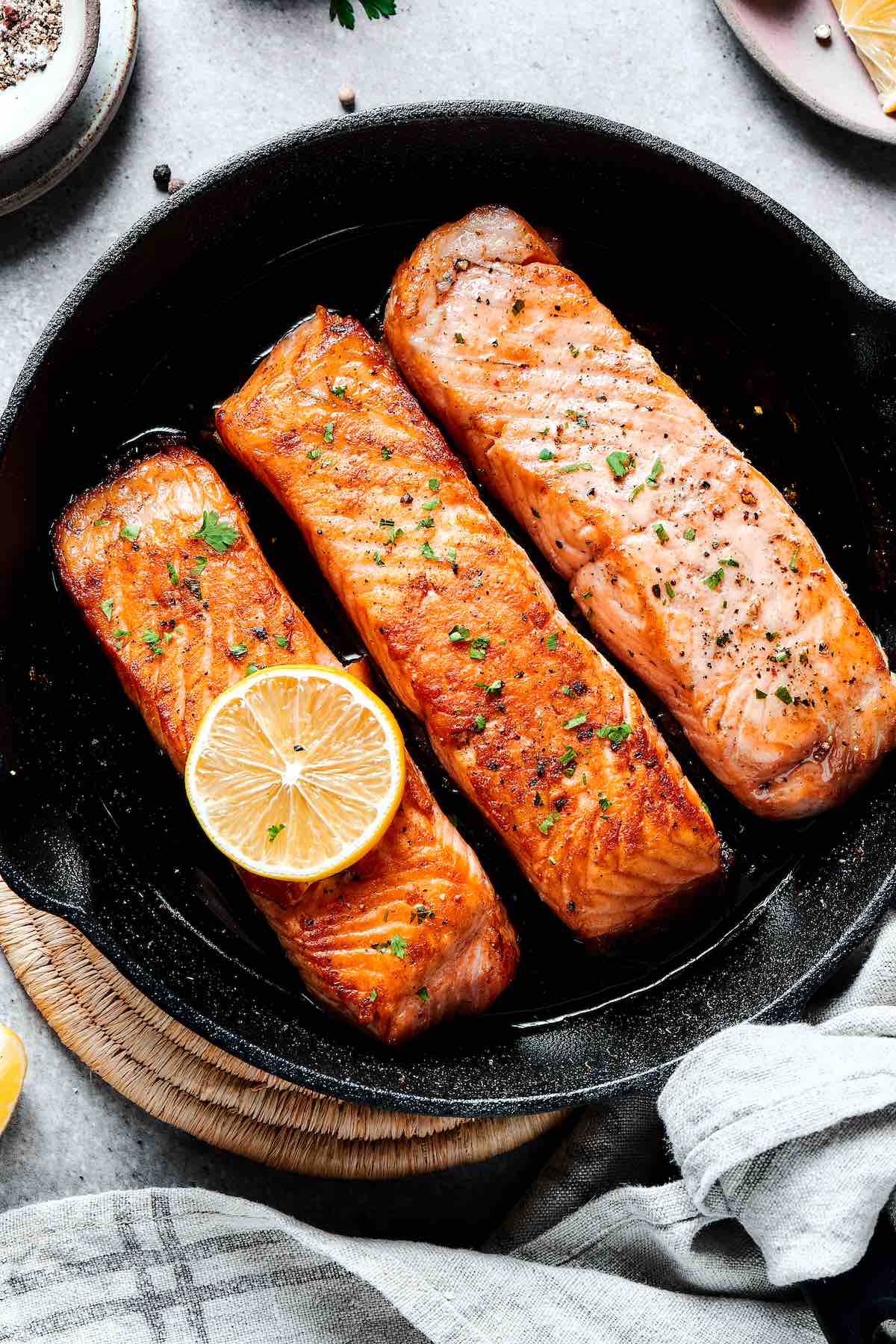
Credit: thebigmansworld.com
Frequently Asked Questions
How Do I Prevent Salmon From Sticking To The Skillet?
To prevent sticking, preheat the skillet and add oil before placing salmon. Pat the fillets dry and avoid moving them too soon.
What Is The Ideal Cooking Time For Salmon Fillets?
Cook salmon fillets for about 3-4 minutes per side on medium heat. Timing depends on thickness; aim for opaque, flaky flesh.
Should I Season Salmon Before Or After Cooking?
Season salmon fillets before cooking to enhance flavor. Use salt, pepper, and herbs for best results.
Can I Cook Frozen Salmon Fillets In A Skillet?
Yes, but thaw salmon first for even cooking. Cooking frozen fillets directly may cause uneven texture and longer cook time.
Conclusion
Cooking salmon fillets in a skillet is simple and fast. Use fresh salmon for the best taste. Heat the pan well before adding the fish. Cook skin-side down first for a crispy finish. Avoid overcooking to keep the salmon juicy.
Season lightly to bring out natural flavors. Practice helps you get better every time. Enjoy your healthy and tasty meal with ease. Keep these tips in mind for your next skillet salmon.