
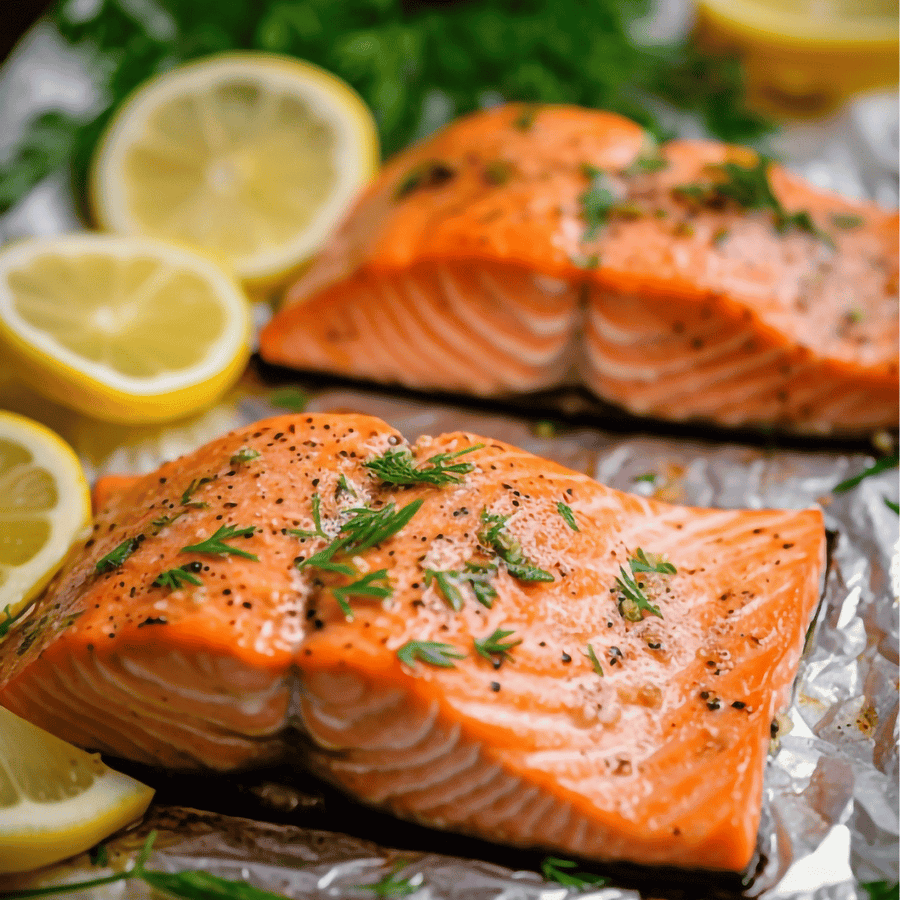
Cooking salmon in the oven can be tricky. You want it juicy, tender, and perfectly cooked all the way through.
But how do you avoid those dry edges or undercooked spots? If you’ve ever struggled with unevenly cooked salmon, you’re not alone. The good news is, with a few simple tips, you can master the art of cooking salmon evenly every time.
Keep reading to discover easy tricks that will make your salmon the star of any meal. Your taste buds will thank you!

Credit: www.everydayfamilycooking.com
Choosing The Right Salmon Cut
Cooking salmon evenly in the oven starts with picking the right cut. Different cuts cook at different speeds.
Choosing the right cut helps you get tender, juicy salmon every time.
Salmon Fillets
Fillets are thin slices of salmon without bones. They cook faster and evenly in the oven.
Choose fillets that are about the same thickness for even cooking.
Salmon Steaks
Steaks are cross-sections cut from the whole fish. They often include the bone.
Steaks cook more slowly because they are thicker. Keep an eye on cooking time to avoid dryness.
Whole Side Of Salmon
A whole side is a large, thick piece of salmon without bones. It takes longer to cook evenly.
Use a lower oven temperature and cook slowly to get even heat throughout.
Skin-on Vs Skinless
Skin-on salmon holds moisture and cooks more evenly. The skin also protects the flesh from drying out.
Skinless cuts cook faster but can dry out easily. Choose skin-on for better results in the oven.
Preparing The Salmon
Cooking salmon evenly in the oven starts with good preparation. Proper steps help the salmon cook well and taste better.
Take time to prepare the salmon. This ensures even cooking and a great texture.
Thawing Techniques
Thaw frozen salmon slowly for best results. Quick thawing can make the fish dry or uneven.
Place the salmon in the refrigerator for several hours or overnight. This keeps the fish fresh and safe to eat.
- Keep salmon in its packaging or place it in a sealed bag.
- Put it on a plate to catch any drips.
- Allow enough time to fully thaw before cooking.
- Do not thaw salmon at room temperature to avoid bacteria.
Trimming And Cleaning
Trim any dark or rough parts from the salmon. This helps the fish cook evenly and improves flavor.
Remove any pin bones using tweezers or pliers. Check carefully to avoid small bones in the cooked fish.
- Cut off fins or any ragged edges.
- Rinse the salmon gently under cold water.
- Pat dry with paper towels to remove extra moisture.
- Check for and pull out any pin bones along the fillet.
Marinades And Seasonings
Cooking salmon evenly in the oven depends a lot on marinades and seasonings. They add flavor and help the fish cook well.
Using the right mix of herbs, spices, and liquids can make your salmon taste great and stay moist.
Flavor Combinations
Choose flavors that match salmon’s natural taste. Citrus, herbs, and spices work very well.
- Lemon and dill for a fresh, light taste
- Soy sauce and ginger for an Asian twist
- Maple syrup and mustard for a sweet and tangy touch
- Garlic and rosemary for a strong, savory flavor
- Brown sugar and chili powder for a spicy and sweet mix
Mix these ingredients in your marinade or sprinkle them on the fish before cooking.
Marinating Times
Marinating time affects how well the salmon absorbs flavors. Short times are best to keep the fish tender.
Marinate salmon for 15 to 30 minutes. Do not go longer than one hour to avoid a mushy texture.
- 15 minutes for light flavor
- 30 minutes for stronger taste
- Up to 1 hour for intense flavor but watch texture
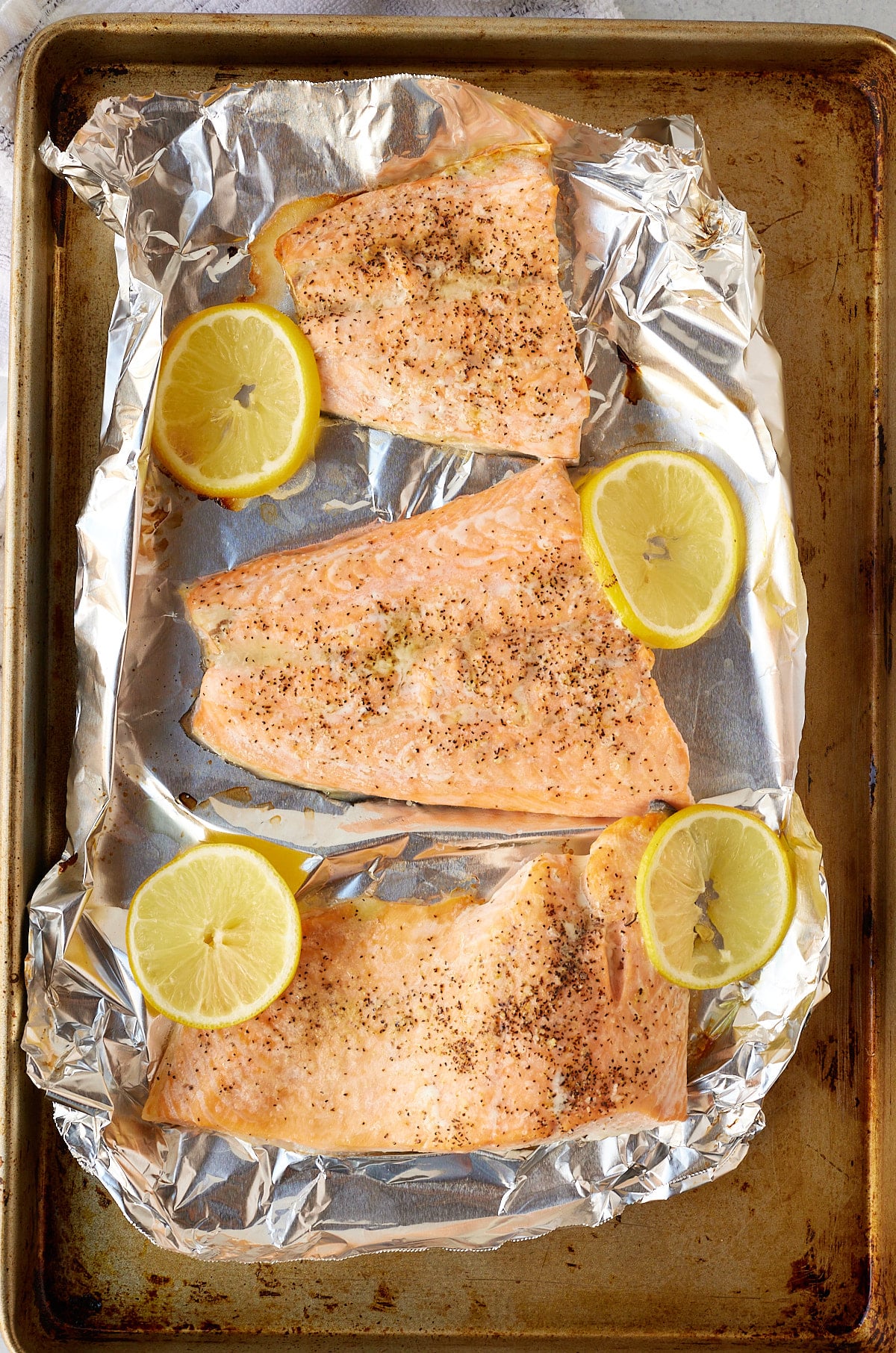
Credit: www.myforkinglife.com
Setting The Oven Temperature
Cooking salmon evenly in the oven starts with setting the right temperature. The oven temperature controls how fast the salmon cooks.
Too high a temperature can burn the edges and leave the center raw. Too low a temperature can make the fish dry out.
Optimal Temperature Range
Set your oven between 350°F and 400°F for even cooking. This range cooks salmon gently and keeps it moist.
At this temperature, the salmon cooks evenly from the outside to the center. It prevents overcooking or undercooking parts of the fish.
- 350°F (175°C) for a slower, tender cook
- 375°F (190°C) for a balance of speed and moisture
- 400°F (205°C) for a slightly quicker cook with a crispy top
Using A Thermometer
A cooking thermometer helps you check the salmon’s internal temperature. It shows if the fish is done or needs more time.
Insert the thermometer into the thickest part of the salmon. The safe temperature for cooked salmon is 145°F (63°C).
- Check early to avoid overcooking
- Pull salmon from the oven at 140°F (60°C) for carryover cooking
- Let salmon rest for a few minutes before serving
Arranging The Salmon On The Baking Sheet
Proper arrangement of salmon on the baking sheet helps it cook evenly. This prevents overcooked edges and undercooked centers.
Two key points to focus on are spacing the salmon and using the right lining on the sheet.
Spacing For Even Heat Distribution
Leave enough space between salmon pieces to allow hot air to circulate. This helps every part cook at the same rate.
- Keep at least 1 inch (2.5 cm) gap between each piece.
- Avoid crowding the pan to prevent steaming instead of roasting.
- Use a large enough baking sheet so pieces fit comfortably.
- Arrange salmon skin-side down for even heat contact.
Using Parchment Paper Or Foil
Lining your baking sheet with parchment paper or foil helps with cleanup and even cooking.
| Material | Benefits | Tips |
| Parchment Paper | Prevents sticking, allows gentle heat | Use unbleached paper for best results |
| Aluminum Foil | Reflects heat, easy to shape | Shiny side up for better heat reflection |
Monitoring The Cooking Process
Cooking salmon evenly in the oven requires close attention. Watching the fish as it cooks helps you avoid overcooking or undercooking.
Using visual signs and timing tips makes it easier to get perfect salmon every time.
Visual Cues For Doneness
Look for changes in the salmon’s color and texture. The flesh should turn from translucent to opaque and flake easily with a fork.
- The edges of the salmon will start to look lighter and more cooked than the center.
- The surface should look slightly firm but still moist.
- You can gently press the top; cooked salmon feels springy, not mushy.
- Check if the juices run clear without any blood or pink liquid.
Preventing Overcooking
| Tip | Reason |
|---|---|
| Use a timer | Stops cooking before fish dries out |
| Set oven temperature to 375°F (190°C) | Ensures even cooking without burning |
| Check salmon 5 minutes before expected finish | Prevents overcooking by early inspection |
| Rest salmon after baking | Allows heat to finish cooking gently |
Following these tips keeps your salmon juicy and tender. Avoid high heat and long cooking times to maintain flavor.
Resting And Serving The Salmon
After cooking salmon in the oven, resting and serving it properly helps keep it juicy. This step lets the juices settle inside the fish.
Serving salmon well also makes your meal look and taste better. Simple tips can improve your presentation.
Resting Time For Juiciness
Let the salmon rest for about 5 minutes after taking it out of the oven. This short wait keeps the juices inside.
Cover the salmon loosely with foil. This keeps it warm without making the skin soft or soggy.
- Rest salmon 5 minutes before cutting
- Cover loosely with foil during resting
- Do not skip resting to keep moisture
Plating Suggestions
Place the salmon on a clean plate. Arrange side dishes like vegetables or rice neatly around it.
Add a slice of lemon or fresh herbs on top. This gives color and fresh flavor to your dish.
- Use white or light-colored plates for contrast
- Garnish with lemon slices or fresh herbs
- Serve with simple sides like steamed vegetables
Credit: www.primaverakitchen.com
Common Mistakes To Avoid
Cooking salmon evenly in the oven can be tricky. Many people make simple mistakes that cause uneven cooking.
Avoiding these common errors helps you get perfectly cooked salmon every time.
Overcrowding The Pan
Putting too many salmon pieces in the pan blocks heat and air circulation. This causes uneven cooking and steaming instead of roasting.
- Leave space between each salmon piece.
- Use a larger pan if needed.
- Cook in batches if you have many pieces.
Ignoring Salmon Thickness
Salmon pieces vary in thickness. Thicker parts need more time to cook than thin ends. Ignoring this leads to parts that are overcooked or undercooked.
| Thickness | Recommended Oven Time (minutes) |
| 1 inch (2.5 cm) | 10-12 |
| 1.5 inches (3.8 cm) | 15-18 |
| 2 inches (5 cm) | 20-22 |
Frequently Asked Questions
How Do I Prevent Salmon From Drying Out In The Oven?
To prevent drying, cook salmon at a moderate temperature, around 375°F (190°C). Use foil or parchment to retain moisture. Avoid overcooking by checking for an internal temperature of 125°F (52°C). Adding a marinade or brushing with oil also helps keep salmon juicy.
What Oven Temperature Cooks Salmon Evenly?
A temperature of 375°F (190°C) ensures even cooking. This moderate heat cooks salmon thoroughly without burning the outside. Avoid high temperatures, which can dry or overcook the fish. Consistent oven temperature helps the salmon cook uniformly and retain moisture.
Should I Use Foil When Baking Salmon?
Yes, wrapping salmon in foil locks in moisture and heat. It creates a steam effect that cooks the fish evenly. Foil also prevents the salmon from drying out and makes cleanup easier. For best results, add lemon or herbs inside the foil packet.
How Long Should Salmon Bake For Even Cooking?
Bake salmon for 12-15 minutes at 375°F (190°C). Time depends on thickness; thicker fillets may need more time. Check for doneness by ensuring the flesh flakes easily with a fork. Avoid overbaking to keep salmon moist and tender.
Conclusion
Cooking salmon evenly in the oven is simple with practice. Keep the heat steady and check the fish often. Use a timer to avoid overcooking. Let the salmon rest before serving to keep it juicy. Try these tips for a tasty, well-cooked meal every time.
Enjoy the rich flavor and soft texture of perfectly baked salmon. Cooking fish can be easy and fun with the right methods. Give these ideas a try and taste the difference.