
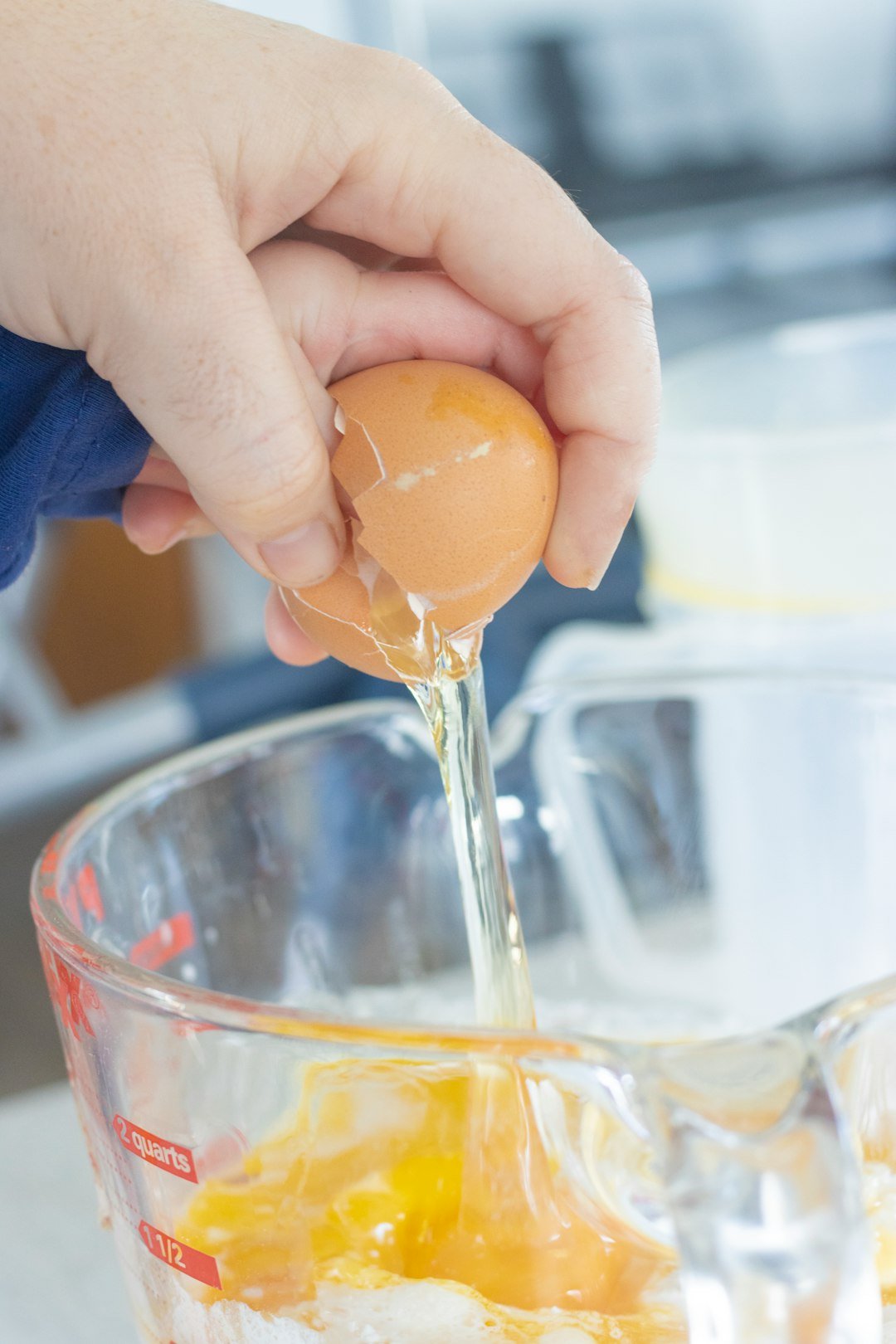
Are you tired of ending up with overcooked or broken sunny side up eggs? You’re not alone.
Cooking the perfect sunny side up egg might seem simple, but it takes a little know-how to get that golden, runny yolk and tender whites every time. Imagine biting into a beautifully cooked egg that’s just the right texture and flavor—wouldn’t that make your breakfast feel special?
Keep reading, and you’ll discover easy, effective tips that will transform your egg-cooking skills and impress everyone at your table. Your perfect sunny side up egg is closer than you think!

Credit: www.acouplecooks.com
Choosing The Right Pan
Cooking eggs sunny side up needs a good pan. The right pan helps eggs cook evenly and keeps the yolks bright.
Picking the right pan stops eggs from sticking. It also makes flipping or sliding eggs easy.
Non-stick Pans
Non-stick pans are perfect for sunny side up eggs. They stop eggs from sticking and make clean-up simple.
Use a medium-low heat with non-stick pans. This helps cook eggs gently without burning the edges.
Cast Iron Pans
Cast iron pans hold heat well. They give a nice even cook to eggs but need oil to stop sticking.
Make sure your cast iron pan is well-seasoned. This helps eggs slide off easily and adds flavor.
Stainless Steel Pans
Stainless steel pans can be tricky for eggs. They need the right heat and enough oil to avoid sticking.
Heat the pan well before adding oil. Then add eggs slowly for best results with stainless steel.
Size And Shape Matter
Choose a pan size that fits one or two eggs comfortably. This stops overcrowding and uneven cooking.
Pans with sloped sides help slide eggs out easily. Flat pans give steady cooking on all parts of the egg.
Credit: www.favfamilyrecipes.com
Ideal Heat Setting
Cooking eggs sunny side up requires careful heat control. The right heat helps the egg cook evenly without burning.
Too high heat can burn the edges while leaving the yolk raw. Too low heat may make the whites too soft and runny.
Low To Medium Heat For Best Results
Use low to medium heat to cook sunny side up eggs perfectly. This temperature lets the whites set slowly and the yolk stay runny.
- Start with a non-stick pan on low heat
- Add a little butter or oil to prevent sticking
- Pour the egg gently into the pan
- Cook slowly until whites are firm but yolk is soft
Signs The Heat Is Too High
Watch for these signs that your heat is too high:
| Sign | Effect |
| Edges turn brown quickly | Egg may taste burnt |
| Whites bubble or crisp | Uneven cooking |
| Yolk cooks too fast | Loss of runny texture |
Adjusting Heat During Cooking
Adjust heat if you see signs of burning or undercooking. Lower heat if edges cook too fast. Raise heat slightly if whites stay runny too long.
Use this simple heat adjustment tip:
- Start on low heat.
- After 1 minute, check the egg edges.
- If edges are crisp, lower the heat.
- If whites are still liquid after 2 minutes, raise heat a little.
- Maintain moderate heat until done.
Using Fresh Eggs
Fresh eggs are key to cooking sunny side up eggs perfectly. They hold their shape better and taste fresher.
Using fresh eggs helps the yolk stay round and the whites stay firm. This makes your eggs look and taste great.
How To Identify Fresh Eggs
Check the egg shell for cracks or sliminess. Fresh eggs have clean and dry shells without damage.
- Look for eggs with a dull, rough shell surface.
- A fresh egg will feel heavier than an old one.
- Shake the egg gently; fresh eggs do not make a sound inside.
Why Fresh Eggs Make Better Sunny Side Up
Fresh eggs have thicker whites that do not spread out thinly in the pan. This keeps the egg intact while cooking.
The yolk of a fresh egg is firmer and stays in the center. It looks bright and appetizing on the plate.
Storing Eggs To Keep Them Fresh
| Storage Method | Tip |
| Refrigerate | Keep eggs in the main fridge area, not the door. |
| Use Carton | Store eggs in their original carton to protect them. |
| Keep Dry | Avoid washing eggs before storage to keep the shell’s coating intact. |
Fresh Egg Float Test
This simple test helps check egg freshness:
- Fill a bowl with cold water.
- Place the egg gently in the water.
- If the egg sinks and lies flat, it is fresh.
- If it stands upright or floats, it is old.
Preparing The Eggs
Cooking sunny side up eggs starts with good preparation. The right steps help the eggs cook evenly and look great.
Focus on the freshness and handling of eggs before cooking. This makes a big difference in taste and texture.
Select Fresh Eggs
Fresh eggs hold their shape better and have firmer whites. This prevents spreading in the pan and keeps the yolk intact.
Use Room Temperature Eggs
Take eggs out of the fridge 15-20 minutes before cooking. Room temperature eggs cook more evenly and reduce cracking.
Crack Eggs Carefully
Crack eggs on a flat surface instead of the edge of a bowl. This lowers the risk of shell pieces falling in.
- Tap the egg gently on a flat surface
- Open the shell slowly with your thumbs
- Pour the egg into a small bowl first
- Check for shell fragments before cooking
Prepare The Cooking Pan
Use a non-stick pan with a clean surface. Add a small amount of butter or oil to prevent sticking and help cooking.
| Pan Type | Benefit |
| Non-stick | Prevents sticking and easy to clean |
| Cast Iron | Even heat distribution |
| Stainless Steel | Requires more oil to prevent sticking |
Adding Oil Or Butter
Adding oil or butter is key to cooking sunny side up eggs. It prevents sticking and adds flavor. The right amount and type make a big difference.
Choosing between oil and butter depends on taste and cooking style. Each has benefits and affects the egg’s texture and color.
Choosing The Right Fat
Butter adds a rich, creamy taste and browns nicely. Oil has a higher smoke point and keeps eggs soft. Some cooks mix both for balance.
- Butter: Adds flavor, browns edges, use low to medium heat
- Vegetable oil: Neutral taste, heats evenly, good for higher heat
- Olive oil: Adds a subtle fruity note, best on low heat
- Mixing: Equal parts butter and oil for flavor and heat control
How Much To Use
Use enough fat to coat the pan well. Too little can cause sticking. Too much makes the egg greasy.
| Pan Size | Butter or Oil Amount |
| 6-inch | 1 teaspoon |
| 8-inch | 1 to 2 teaspoons |
| 10-inch | 2 teaspoons |
Adding Oil Or Butter At The Right Time
Heat the pan first, then add the fat. Let it melt or warm until it spreads evenly. Add the egg only after the fat is hot but not smoking.
Cracking The Egg Carefully
Cracking an egg is the first step to cooking sunny side up eggs perfectly. Doing it carefully helps keep the yolk whole and avoids shell pieces in your pan.
Using the right technique makes your eggs look nice and cook evenly. It also reduces mess and saves time.
Use A Flat Surface To Crack
Crack the egg on a flat surface like a countertop, not on the edge of a bowl. This reduces the chance of shell fragments falling inside.
Cracking on a flat surface creates a cleaner break and keeps the yolk safe.
Tap Gently But Firmly
Tap the egg gently but with enough force to crack the shell. Too soft a tap won’t crack it, too hard can break the yolk.
Find the right balance to get a clean crack without crushing the egg inside.
Open The Shell Slowly
After cracking, open the shell slowly with your thumbs. This helps keep the yolk intact and prevents shell pieces from dropping into the pan.
Pull the shell halves apart gently over the pan or bowl to let the egg slide out smoothly.
Check For Shell Pieces Before Cooking
Look inside the egg for any small shell bits after cracking. Remove them with a spoon or your fingers before cooking.
Removing shell pieces keeps your sunny side up eggs safe and enjoyable to eat.
Cooking Techniques
Cooking sunny side up eggs is simple but needs care. Small tips help get perfect eggs every time.
Focus on heat control and watch the egg closely. These methods keep the yolk soft and the whites firm.
Covering The Pan
Covering the pan helps cook the egg whites evenly. It traps steam and cooks the top without flipping.
- Use a lid that fits your pan well.
- Cook on low heat to avoid burning.
- Check the egg after a minute or two.
Timing The Cooking
Correct timing is key. Cook too long and the yolk hardens; too short leaves raw whites.
| Cooking Time | Result |
| 1-2 minutes | Runny yolk, soft whites |
| 3-4 minutes | Set whites, slightly runny yolk |
| 5+ minutes | Firm whites and yolk |
Checking The Whites
Look at the egg whites to know if the egg is done. They should be fully set but not browned.
Here is a quick checklist:
- Whites are opaque and firm
- Edges are not crispy or brown
- Yolk stays bright yellow and soft

Credit: thekittchen.com
Avoiding Common Mistakes
Cooking sunny side up eggs can be tricky. Many people face issues like browning or uneven cooking.
Knowing how to avoid these mistakes helps you get perfect eggs every time.
Preventing Browning
Browning happens when the egg cooks too fast or the pan is too hot. This makes the edges hard and dark.
Use low to medium heat and cook the egg slowly to keep it bright and soft.
- Use a non-stick pan to avoid sticking and burning
- Add a small amount of butter or oil to coat the pan
- Cook on low heat to keep edges from turning brown
Managing Temperature
Temperature control is key to cooking sunny side up eggs perfectly. Too high heat cooks the whites fast but leaves the yolk raw.
Keep the pan warm, not hot, so the whites set gently and the yolk stays runny.
- Preheat the pan on low to medium heat
- Cook the egg slowly to avoid overcooking the edges
- Cover the pan to help cook the top of the whites without flipping
Serving Suggestions
Sunny side up eggs taste great on their own. You can also pair them with many dishes to enjoy a full meal.
Here are some ideas to serve your eggs perfectly and make your meal more delicious.
Breakfast Pairings
Sunny side up eggs go well with classic breakfast foods. You can keep it simple or add variety.
- Toast with butter or jam
- Crispy bacon or sausages
- Hash browns or roasted potatoes
- Fresh fruit or fruit salad
- Avocado slices or guacamole
Lunch And Dinner Ideas
Sunny side up eggs add richness to many lunch or dinner plates. They enhance taste and texture.
| Dish | Serving Tip |
| Salad | Place egg on top for extra protein |
| Burgers | Add egg to the patty for a creamy bite |
| Rice Bowls | Serve egg over rice with veggies |
| Steamed Vegetables | Use egg yolk as a dipping sauce |
Seasoning And Garnishes
Simple toppings can bring out the best flavors in sunny side up eggs.
- Sprinkle salt and pepper for classic flavor
- Add chopped fresh herbs like chives or parsley
- Drizzle with hot sauce or salsa for a spicy kick
- Top with grated cheese for richness
Frequently Asked Questions
How Do You Prevent Sunny Side Up Eggs From Sticking?
Use a non-stick pan with a small amount of butter or oil. Heat the pan on low to medium. Crack eggs gently and cook slowly to avoid sticking.
What Temperature Is Best For Cooking Sunny Side Up Eggs?
Cook sunny side up eggs on low to medium heat. This ensures the whites cook fully without burning. It also keeps yolks runny and tender.
How Long Should Sunny Side Up Eggs Be Cooked?
Cook sunny side up eggs for 2 to 3 minutes. Whites should be set and yolks remain runny. Covering the pan can speed up the process.
Can I Use A Lid When Cooking Sunny Side Up Eggs?
Yes, covering the pan traps steam and cooks whites evenly. It prevents crispy edges while keeping yolks runny. Use a lid for best results.
Conclusion
Perfect sunny side up eggs need patience and gentle heat. Use fresh eggs for the best taste and texture. Keep the pan warm, not hot, to avoid burning. A little butter or oil helps eggs cook evenly and stay soft.
Watch the whites cook fully while the yolks stay runny. Practice these simple tips, and breakfast will taste better. Enjoy cooking eggs sunny side up with confidence and ease.