
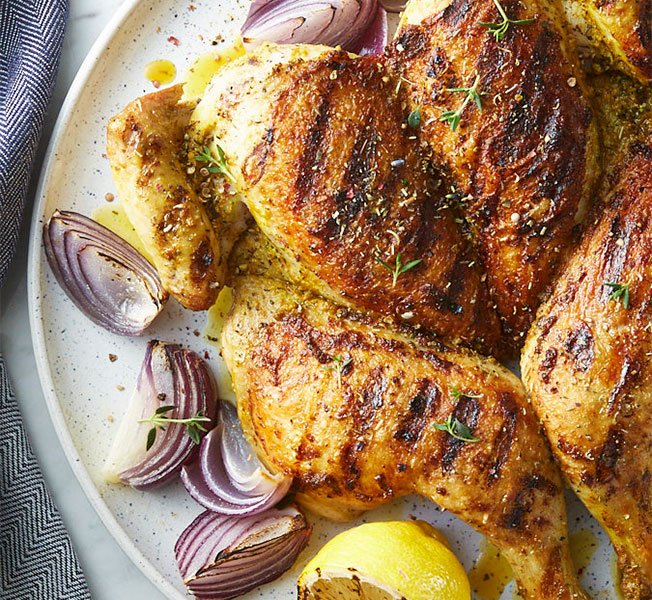
Are you tired of biting into chicken that’s dry on the outside but undercooked inside? Cooking chicken evenly can be tricky, but it’s the key to juicy, flavorful meals every time.
Imagine serving a perfectly cooked chicken that’s tender from edge to edge—no guesswork, no wasted food. In this post, you’ll discover simple, practical tips that make a big difference in how your chicken turns out. Keep reading, and you’ll soon master the art of cooking chicken evenly, impressing yourself and everyone at your table.
Credit: healthfulblondie.com
Choosing The Right Cut
Cooking chicken evenly starts with picking the right cut. Different cuts cook at different speeds.
Choosing the best cut helps you avoid dry or undercooked chicken. It makes cooking easier and tastier.
Breast Vs. Thighs
Chicken breasts are lean and cook faster. They can dry out if overcooked.
Thighs have more fat and stay juicy longer. They take more time to cook evenly.
- Breasts cook quickly and need gentle heat.
- Thighs handle higher heat and stay moist.
- Choose breasts for quick meals and thighs for richer flavor.
Boneless Vs. Bone-in
Boneless chicken cooks faster and is easy to slice. It cooks more evenly but can dry out.
Bone-in chicken takes longer to cook. The bone helps keep the meat moist and flavorful.
- Boneless cuts are great for fast cooking.
- Bone-in cuts need more time but stay juicy.
- Use bone-in for slow cooking and boneless for quick recipes.

Credit: chatelaine.com
Preparing Chicken For Cooking
Cooking chicken evenly starts with good preparation. Preparing chicken well helps it cook through without drying out or staying raw.
Proper preparation includes marinating, thawing, trimming, and cleaning. These steps improve texture and flavor.
Marinating Techniques
Marinating adds flavor and helps chicken stay moist. Use acidic ingredients like lemon juice or vinegar to tenderize the meat.
Make sure to cover the chicken evenly with the marinade. Let it rest in the fridge for at least 30 minutes or up to 24 hours.
- Use a glass or plastic container to marinate
- Turn the chicken occasionally for even coating
- Discard leftover marinade that touched raw chicken
- Keep chicken refrigerated while marinating
Proper Thawing Methods
Thaw chicken safely to avoid uneven cooking. Thawing in the fridge is the best way. It keeps chicken at a safe temperature.
If you need chicken thawed faster, use cold water. Seal the chicken in a bag and change water every 30 minutes.
- Thaw chicken in the fridge for 24 hours per 5 pounds
- Use cold water thawing if short on time
- Do not thaw chicken at room temperature
- Cook chicken immediately after thawing with cold water
Trimming And Cleaning Tips
Trim excess fat and remove skin if desired. This helps chicken cook evenly and reduces flare-ups on the grill.
Rinse chicken briefly under cold water and pat dry with paper towels. Dry chicken cooks better and browns nicely.
- Cut off visible fat and silver skin
- Remove unwanted parts like cartilage
- Pat dry to remove surface moisture
- Wash hands and surfaces after handling raw chicken
Temperature Control
Cooking chicken evenly is easier with good temperature control. It helps avoid dry or undercooked meat.
Keeping the right temperature ensures the chicken cooks safely and tastes better.
Ideal Cooking Temperatures
Chicken should reach a safe internal temperature to be fully cooked. Different parts may cook at different rates.
Cooking chicken at the right temperature prevents overcooking and keeps it juicy.
- Cook chicken breasts to 165°F (74°C)
- Cook thighs and legs to 175°F (79°C) for tenderness
- Rest chicken after cooking to let juices settle
Using A Meat Thermometer
A meat thermometer helps you check the chicken’s internal temperature. It shows when the chicken is safe to eat.
Insert the thermometer in the thickest part without touching bone for an accurate reading.
- Clean the thermometer before and after use
- Check temperature near the end of cooking
- Use instant-read thermometers for quick results
Credit: www.reluctantgourmet.com
Cooking Methods
Cooking chicken evenly ensures juicy and delicious results. Different methods require careful attention to heat and timing. Choosing the right technique helps avoid dry or undercooked meat.
Below are tips for grilling, baking, pan-searing, and sous vide cooking. Each method brings out unique flavors and textures.
Grilling Techniques
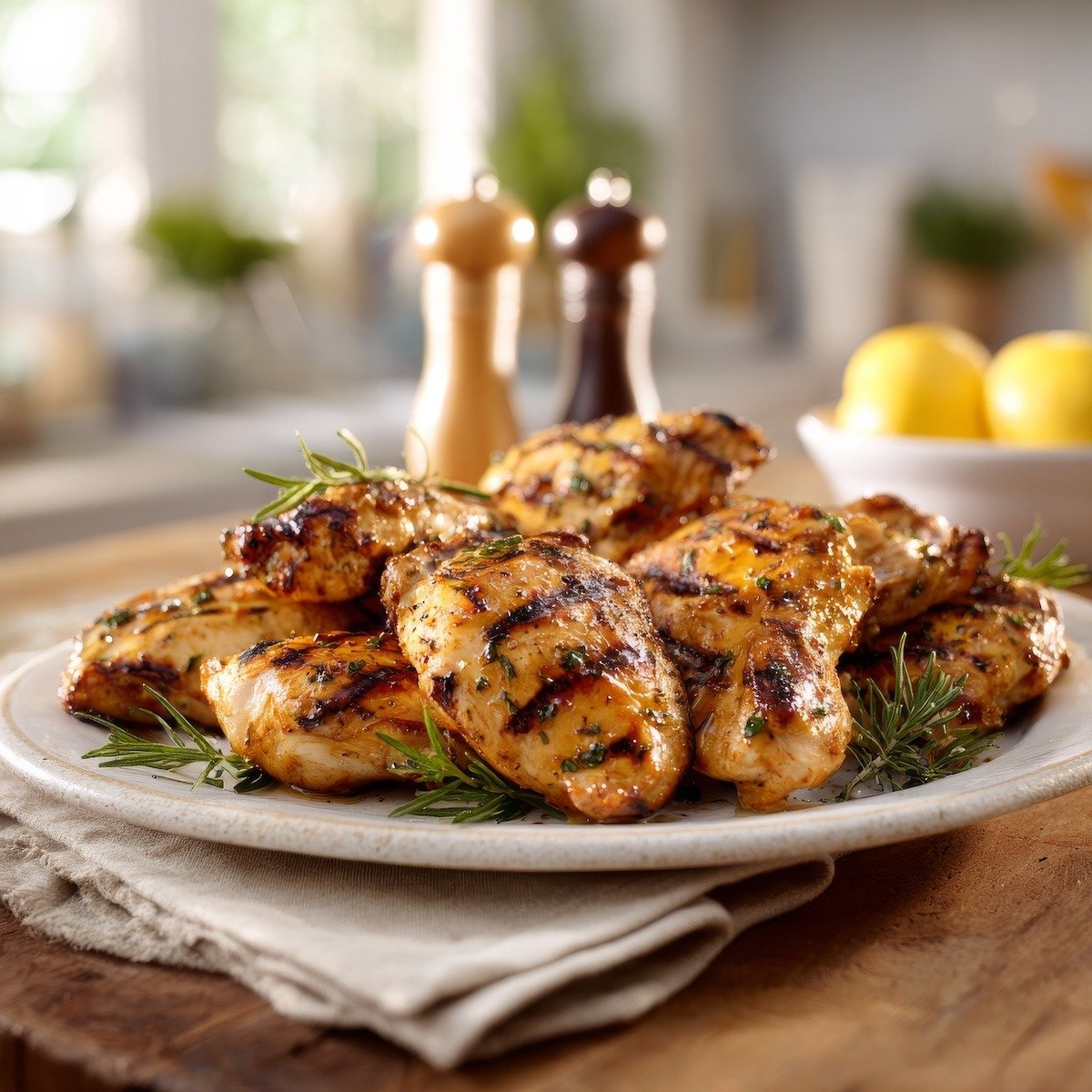
Preheat the grill to medium-high heat. Use direct heat for thin pieces and indirect heat for thicker cuts. Turn the chicken regularly to cook it evenly on all sides.
Keep the grill clean to prevent sticking. Use a meat thermometer to check for an internal temperature of 165°F (74°C).
Baking And Roasting Tips
Preheat the oven to the right temperature, usually 350°F to 400°F (175°C to 205°C). Arrange chicken pieces with space between them for even heat circulation.
| Tip | Reason |
| Use a baking rack | Allows air flow around chicken |
| Pat chicken dry | Helps skin crisp better |
| Check temperature often | Prevents overcooking |
| Rest chicken after baking | Juices redistribute evenly |
Pan-searing Strategies
Heat the pan on medium-high before adding chicken. Use oil with a high smoke point like canola or avocado oil. Sear each side until golden brown, about 3 to 5 minutes.
- Do not overcrowd the pan
- Flip chicken only once for best crust
- Lower heat to finish cooking if needed
- Use a lid to trap heat for thicker pieces
Sous Vide Cooking
Seal chicken in a vacuum bag to lock in moisture. Cook in a water bath at a controlled temperature for even doneness. Typical temps range from 140°F to 165°F (60°C to 74°C).
After sous vide, quickly sear the chicken in a hot pan or grill for color and texture. This method produces very tender and evenly cooked chicken.
Resting And Serving
Resting chicken after cooking is key for even flavor and texture. It helps juices spread inside the meat.
Serving chicken correctly also keeps it juicy and tasty for your meal.
Importance Of Resting
Let cooked chicken rest for 5 to 10 minutes before cutting. This pause allows the juices to settle and stay inside the meat.
- Keep the chicken covered with foil while resting.
- Place it on a warm plate to keep heat.
- Do not cut immediately to avoid dry meat.
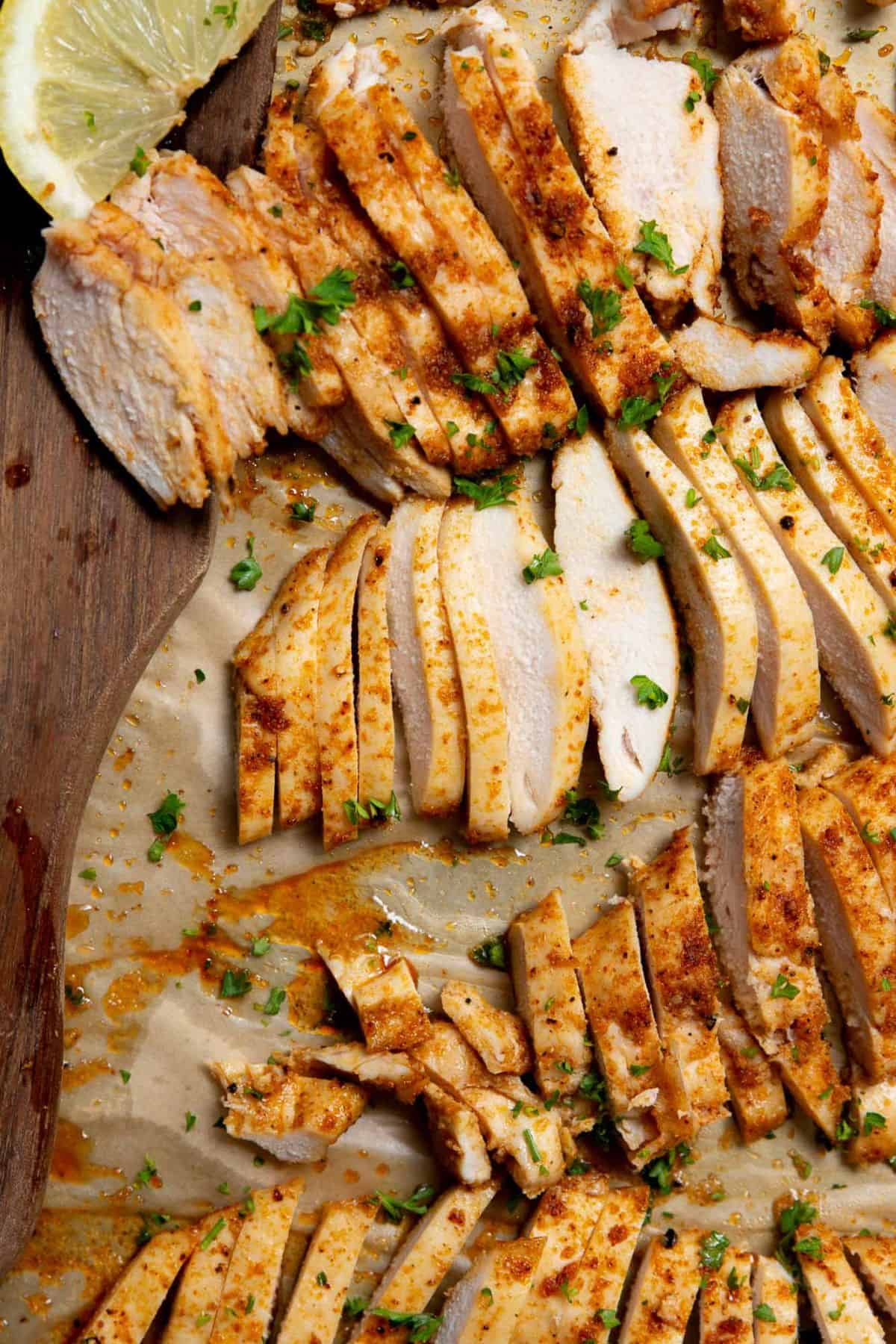
Slicing For Juiciness
Cut chicken against the grain to make it easier to chew and retain moisture.
| Slicing Tip | Reason |
| Slice thin pieces | Helps keep meat tender |
| Cut against the grain | Shortens muscle fibers for easier chewing |
| Use a sharp knife | Prevents tearing and loss of juices |
Common Mistakes To Avoid
Cooking chicken evenly can be tricky if you do not pay attention. Many people make mistakes that cause dry or undercooked meat.
Knowing what to avoid helps you cook chicken that is juicy and safe to eat. Let’s look at some common errors.
Overcooking Pitfalls
Overcooking chicken makes it dry and tough. This happens when chicken stays on heat too long or at too high a temperature.
It is easy to think chicken needs to be very well done. But cooking it just until the right temperature keeps it juicy.
- Use a meat thermometer to check doneness
- Remove chicken from heat at 165°F (74°C)
- Let chicken rest before cutting to keep juices
- Cook on medium heat to avoid drying out
Ignoring Chicken Thickness
Thicker chicken pieces need more time to cook evenly. Thin pieces cook faster and can dry out if overcooked.
Ignoring thickness leads to parts being undercooked or overdone. It is important to adjust cooking time based on size.
- Flatten thick parts for even cooking
- Cook similar thickness pieces together
- Use a timer and thermometer to check doneness
- Cut thick pieces in half to reduce cooking time
Frequently Asked Questions
How Can I Ensure Chicken Cooks Evenly Every Time?
To cook chicken evenly, use consistent thickness by pounding it. Cook at medium heat and flip regularly. Avoid overcrowding the pan to allow even heat circulation.
What Is The Best Cooking Temperature For Even Chicken?
Cook chicken at a moderate temperature, around 350°F to 375°F (175°C to 190°C). This prevents the outside from burning while the inside cooks thoroughly.
Should I Marinate Chicken For More Even Cooking?
Marinating helps tenderize chicken but doesn’t directly affect even cooking. However, it can add moisture, which helps prevent dry spots during cooking.
How Long Should I Rest Chicken After Cooking?
Rest chicken for 5 to 10 minutes after cooking. This allows juices to redistribute evenly, ensuring moist and evenly cooked meat.
Conclusion
Cooking chicken evenly takes practice and attention. Use a meat thermometer to check doneness. Cut chicken into similar sizes for uniform cooking. Avoid overcrowding the pan to allow heat to spread. Let the chicken rest after cooking to keep it juicy.
Small steps lead to better, tastier meals. Keep trying, and you will improve with each dish. Enjoy the process and the delicious results.