
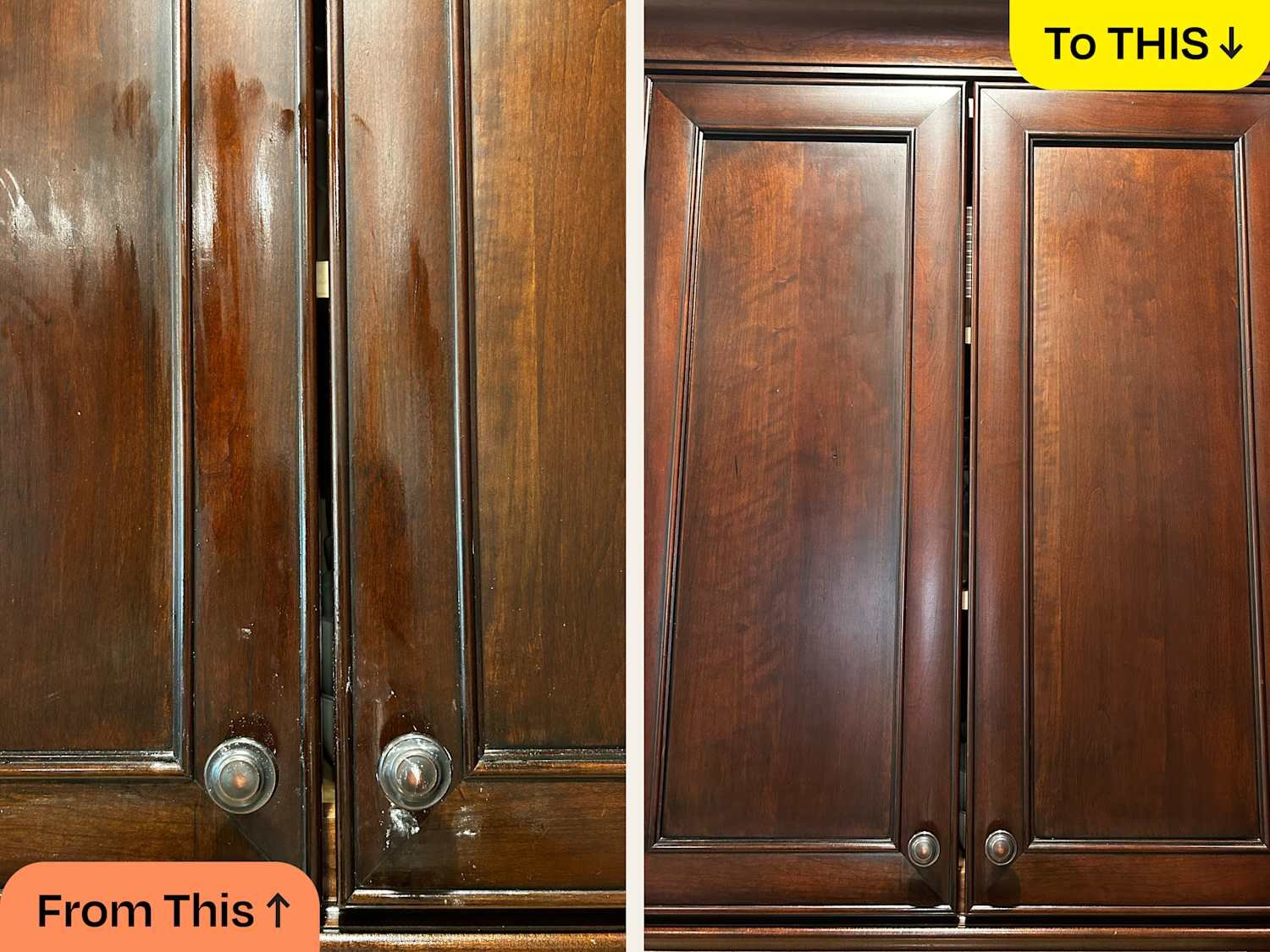
Are your wooden cabinets looking dull or sticky? Keeping them clean can seem tricky, but with the right tips, you can restore their shine and protect their natural beauty.
Imagine opening your kitchen or bathroom and feeling proud of those smooth, gleaming surfaces. You’ll discover simple, effective ways to clean your wooden cabinets without causing damage. Stick with me, and you’ll learn how to make your cabinets look fresh and inviting every day.
Ready to give your wood the care it deserves? Let’s dive in!
Credit: www.duncanscreativekitchens.com
Choosing The Right Cleaning Supplies
Cleaning wooden cabinets takes care and the right supplies. Using the proper products helps keep the wood safe and looking good.
Some cleaners are gentle and natural. Others are made for wood and work fast. Tools also make cleaning easier and better.
Natural Cleaners
Natural cleaners are safe for wood and the environment. They clean without harsh chemicals. You can find many at home or buy them easily.
- Mix equal parts water and white vinegar for a gentle cleaner.
- Use mild dish soap with water for regular cleaning.
- Olive oil mixed with lemon juice can polish and protect wood.
- Baking soda can remove stains when made into a paste.
Commercial Products
Commercial cleaners often have ingredients to protect wood finishes. Choose products labeled safe for wood cabinets. Avoid anything with bleach or ammonia.
| Product Type | Use | Note |
| Wood cleaner spray | Daily cleaning | Check label for wood safety |
| Furniture polish | Shine and protect | Use sparingly to avoid buildup |
| Wood conditioner | Deep care | Use monthly or as needed |
Essential Tools
Good tools help clean wood cabinets without damage. Soft and gentle tools work best. Hard tools can scratch the wood surface.
- Microfiber cloths to wipe surfaces gently
- Soft-bristle brushes for crevices and corners
- Spray bottles for mixing and applying cleaners
- Non-abrasive sponges for tough stains
Credit: www.duncanscreativekitchens.com
Preparing Cabinets For Cleaning
Cleaning wooden cabinets starts with proper preparation. This helps protect your cabinets and makes cleaning easier.
Removing items and dust prepares the surface for a thorough clean without damage.
Emptying The Cabinets
Take everything out of your wooden cabinets before you clean. This prevents damage to your items and allows you to clean every corner.
- Remove all dishes, cookware, and food items.
- Place items on a clean surface to avoid dirt.
- Check for any broken or expired items to discard.
- Keep cabinet doors open to access all areas easily.
Removing Dust And Debris
Dust and debris can scratch wooden surfaces if not removed gently. Use soft tools to protect the finish.
| Tool | Use | Notes |
| Microfiber cloth | Wiping dust off surfaces | Soft and gentle on wood |
| Soft brush | Cleaning corners and edges | Reaches tight spots without scratching |
| Vacuum with brush attachment | Removing loose debris | Use low suction to avoid damage |
Gentle Cleaning Techniques
Wooden cabinets need soft care to stay beautiful. Using gentle cleaning helps protect the wood.
Harsh chemicals and rough scrubbing can damage cabinets. Choose safe and mild ways to clean them.
Wiping With A Soft Cloth
Use a soft cloth to wipe wooden cabinets. It removes dust and dirt without scratching the surface.
Microfiber cloths work well because they hold dust and do not cause damage. Avoid rough materials.
- Lightly dampen the cloth with water if needed
- Wipe along the grain of the wood
- Dry the surface with a clean cloth after wiping
Spot Cleaning Stubborn Stains
Stains need careful cleaning to avoid harming the finish. Use mild solutions on a soft cloth.
Test any cleaner on a hidden spot first. This prevents damage to visible areas of the cabinet.
- Mix mild dish soap with warm water
- Dab the stained area gently, do not rub hard
- Use a clean damp cloth to remove soap residue
- Dry the area completely to avoid water marks
Tackling Grease And Grime
Wooden cabinets often gather grease and grime in kitchens. Cleaning them well keeps them looking fresh and lasting longer.
Using simple tools and solutions can remove sticky dirt without harming the wood finish.
Effective Grease Removal
Grease sticks to wood surfaces and needs a gentle cleaner. Dish soap mixed with warm water breaks down grease well.
Use a soft cloth or sponge to apply the soap solution. Avoid harsh scrubbing to protect the wood.
- Mix a few drops of dish soap in warm water
- Dip a cloth and wring out excess water
- Wipe the cabinet surfaces gently
- Rinse the cloth in clean water and wipe again
- Dry with a soft towel immediately
Deep Cleaning Solutions
For tough grime, use a mixture of vinegar and water. Vinegar helps remove sticky buildup without damage.
Test the solution on a small area first. Wipe cabinets with the mix, then dry well to avoid water damage.
- Combine equal parts white vinegar and water
- Apply with a soft cloth or spray bottle
- Let it sit for a few minutes on dirty spots
- Gently wipe the area clean
- Dry thoroughly with a clean towel
Polishing For A Lustrous Finish
Wooden cabinets look their best when polished well. Polishing adds shine and protects the wood.
Using the right polish and applying it properly keeps cabinets bright and smooth. This guide helps you polish like a pro.
Choosing The Right Polish
Pick a polish that fits your cabinet’s wood type. Some polishes clean and shine, while others protect.
- Use wax-based polish for a deep shine on hardwoods.
- Choose oil-based polish for softer woods to nourish the surface.
- Avoid polishes with silicone if you plan to refinish later.
- Test polish on a small hidden spot first.
Application Techniques
Applying polish the right way makes a big difference. Clean the cabinets first, then apply polish gently.
| Step | Action |
| 1 | Use a soft cloth to remove dust and dirt. |
| 2 | Apply a small amount of polish on a clean cloth. |
| 3 | Rub polish into wood in circular motions. |
| 4 | Let the polish sit for a few minutes. |
| 5 | Buff the surface with a dry cloth for shine. |
Preventing Future Buildup
Keeping wooden cabinets clean helps them last longer. Preventing buildup saves time and effort later.
Simple habits and protective steps stop dirt and grime from sticking. Follow these tips for cleaner cabinets.
Regular Maintenance Tips
Clean cabinets often with a soft cloth. Avoid harsh cleaners that damage wood surfaces.
- Wipe spills immediately to prevent stains.
- Use a damp cloth with mild soap for regular cleaning.
- Dry cabinets fully after cleaning to avoid moisture damage.
- Dust shelves and corners weekly to stop buildup.
Protective Measures
Apply finishes and liners to protect wood from dirt and moisture. These barriers reduce buildup and wear.
| Protective Measure | Purpose |
| Wax or Polish | Creates a shield against dirt and spills |
| Cabinet Liners | Protect shelves from stains and scratches |
| Sealants | Stop moisture from damaging wood |
| Soft Handles | Reduce wear from frequent use |
Common Mistakes To Avoid
Cleaning wooden cabinets needs care and the right methods. Many people make mistakes that harm the wood.
Knowing what to avoid helps keep cabinets looking good for years. Learn about common errors to protect your wood.
Overuse Of Water
Using too much water can damage wooden cabinets. Water seeps into wood and causes swelling or warping.
Never soak a cloth or sponge with water. Use a damp cloth and dry the surface quickly after cleaning.
- Avoid dripping water on cabinet surfaces
- Wipe with a slightly damp cloth only
- Dry cabinets immediately after cleaning
- Do not use water directly on wood finishes
Harsh Chemical Pitfalls
Harsh chemicals can strip the finish and damage wood fibers. Avoid cleaners with ammonia, bleach, or strong acids.
Choose gentle cleaning products made for wood or mild soap and water. Test any cleaner on a small area first.
- Do not use abrasive cleaners or scrubbing pads
- Stay away from bleach and ammonia-based products
- Use mild soap solutions or wood-specific cleaners
- Always test cleaners on hidden spots first
Credit: kitchcrafteds.com
Frequently Asked Questions
How Often Should I Clean Wooden Cabinets?
Clean wooden cabinets weekly to prevent dirt buildup. Regular cleaning maintains their shine and extends their lifespan effectively.
What Is The Best Cleaner For Wooden Cabinets?
Use a mild soap mixed with water or a wood-specific cleaner. Avoid harsh chemicals to protect the wood finish.
Can I Use Vinegar To Clean Wooden Cabinets?
Yes, dilute vinegar with water for a natural cleaner. It removes grime but avoid overuse to prevent damage.
How Do I Remove Grease From Wooden Cabinets?
Use warm soapy water or a vinegar solution. Gently scrub with a soft cloth to avoid scratching the wood.
Conclusion
Cleaning wooden cabinets can keep them looking fresh and new. Use gentle cleaners and soft cloths for best results. Avoid harsh chemicals that can damage the wood. Regular dusting helps prevent dirt buildup. Small efforts can extend the life of your cabinets.
A clean kitchen feels more inviting and comfortable. Remember, simple care makes a big difference over time. Keep these tips handy for easy cabinet maintenance. Your wooden cabinets will thank you with lasting beauty.