
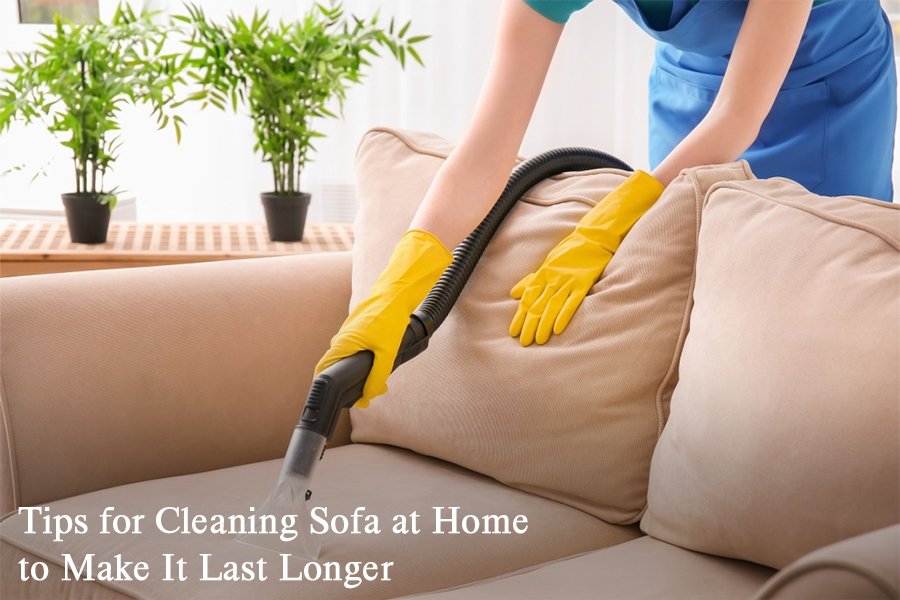
Your upholstery faces daily wear and tear, from spills to dust and stains. Keeping it clean not only makes your space look fresh but also extends the life of your furniture.
But where do you start? You might feel overwhelmed by the thought of scrubbing or worried about damaging your favorite sofa. Don’t worry—this guide will give you simple, effective tips that anyone can follow. By the end, you’ll feel confident in tackling upholstery cleaning and making your home look its best.
Ready to discover easy ways to refresh your furniture? Let’s dive in!
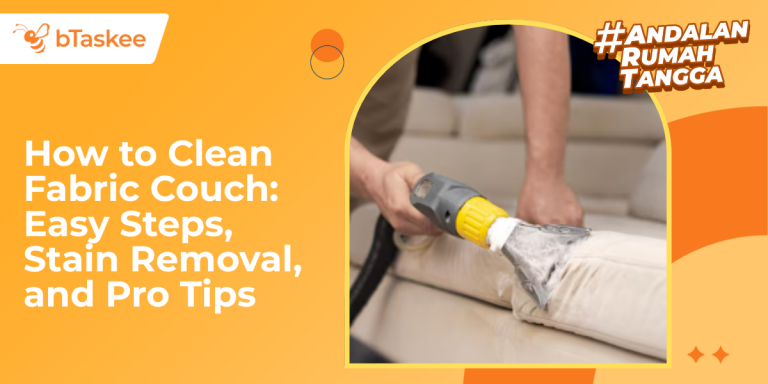
Credit: www.btaskee.com
Choosing The Right Cleaning Products
Cleaning upholstery needs care and the right products. Using the wrong cleaner can damage fabric or leave stains.
This guide helps you pick safe and effective products for your furniture fabrics.
Identifying Fabric Types
Know your upholstery fabric before choosing a cleaner. Different fabrics react differently to cleaning agents.
- Cotton:Absorbs moisture easily, so water-based cleaners work well.
- Leather:Needs special leather cleaners to avoid drying out.
- Synthetic fabrics:Often resist stains and can handle stronger cleaners.
- Silk and velvet:Require gentle, dry cleaning methods.
Eco-friendly Solutions
Choose cleaning products that are safe for the environment and your home. These products avoid harsh chemicals.
| Product Type | Benefits | Examples |
| Plant-based cleaners | Biodegradable and non-toxic | Soap nuts, citrus extracts |
| Baking soda | Deodorizes and removes stains gently | Pure baking soda powder |
| Vinegar solutions | Disinfects and cuts grease | White vinegar diluted with water |
Commercial Cleaners Vs. Homemade Solutions
Both commercial and homemade cleaners have pros and cons. Pick based on fabric type and cleaning needs.
- Commercial cleanersare made for specific fabrics and stains. They come with instructions and tested formulas.
- Homemade solutionsuse simple ingredients. They are cheap and easy but may not work on tough stains.
- Test any cleaner on a small hidden area first to avoid damage.
Pre-cleaning Preparations
Cleaning upholstery well starts with good preparation. Taking simple steps first makes the process easier.
Before using any cleaning products, prepare the area and check the fabric carefully. This helps protect your furniture.
Vacuuming Techniques
Remove dust and dirt by vacuuming the upholstery. This step avoids rubbing dirt deeper during cleaning.
- Use a brush attachment to reach into creases and corners.
- Vacuum slowly to pick up as much dirt as possible.
- Check the vacuum settings to avoid damaging delicate fabrics.
- Empty the vacuum bag or container after use to keep suction strong.
Spot Testing For Safety
Test cleaning products on a small hidden area of the fabric. This ensures the cleaner will not cause damage or discoloration.
| Test Area | Why Test? | Result |
| Under a cushion or inside a seam | Check for color fading or fabric damage | Safe to clean if no change appears after 10 minutes |
| Visible fabric spot | Avoids ruining the main upholstery | Do not use product if fabric changes color or texture |
Effective Stain Removal Techniques
Cleaning upholstery can be tricky, especially with stains. Using the right methods helps keep your furniture fresh and clean.
Some stains are easy to remove, while others need special care. This guide covers ways to handle common and tough stains.
Tackling Common Stains
Many stains like coffee, juice, and dirt can be cleaned with simple steps. Act fast to stop stains from setting.
- Blot the stain gently with a clean cloth.
- Mix mild soap with warm water.
- Use a sponge to apply the soapy water to the stain.
- Blot again to lift the stain.
- Let the area dry naturally.
Dealing With Tough Stains
Stains like ink, wine, and grease need stronger treatments. Test any cleaner on a hidden spot first.
| Stain Type | Recommended Cleaner | Tips |
| Ink | Rubbing alcohol | Blot, don’t rub to avoid spreading |
| Wine | Salt and cold water | Cover stain with salt immediately |
| Grease | Dish soap | Use warm water and repeat if needed |
Using Baking Soda And Vinegar
Baking soda and vinegar are natural cleaners. They remove odors and lift stains without harsh chemicals.
Here is a simple method:
- Sprinkle baking soda over the stain.
- Let it sit for 15 minutes to absorb moisture.
- Spray vinegar over the baking soda.
- Wait for the fizz to stop, then blot with a clean cloth.
- Repeat if the stain is still visible.

Credit: www.bissell.com
Deep Cleaning Methods
Cleaning upholstery deeply helps remove dirt and stains. It keeps furniture fresh and lasts longer.
There are different ways to deep clean upholstery. Two common ways are steam cleaning and dry cleaning.
Steam Cleaning Basics
Steam cleaning uses hot water vapor to clean fabric. It loosens dirt and kills germs without harsh chemicals.
Use a steam cleaner made for upholstery. Move the machine slowly over the fabric to avoid soaking it.
- Test fabric first to avoid damage
- Vacuum before steaming to remove loose dirt
- Allow upholstery to dry fully after cleaning
Dry Cleaning Options
Dry cleaning uses special solvents instead of water. This method works well on delicate fabrics.
Use a dry cleaning foam or powder. Apply it gently and then vacuum it off after it dries.
- Check fabric care labels before use
- Work in small sections for best results
- Test on a hidden area first
Upholstery Maintenance Tips
Keeping your upholstery clean helps it last longer and look fresh. Regular care stops dirt from building up.
Simple habits can protect your furniture. Try easy cleaning tips to keep fabrics bright and neat.
Regular Dusting Routines
Dust your upholstery often to prevent dirt from settling deep. Use a soft brush or vacuum with a fabric tool.
Focus on corners and seams where dust hides. Clean weekly to keep fabric fresh and avoid stains.
- Use a vacuum with a soft brush attachment
- Gently brush fabric to loosen dust
- Clean under cushions and folds
- Do this at least once a week
Protective Covers And Treatments
Covers protect your upholstery from spills and stains. Choose washable covers for easy cleaning.
Apply fabric protectors to repel liquids. Test products on a small area first to avoid damage.
- Use removable slipcovers for daily protection
- Apply stain repellent sprays carefully
- Follow product instructions exactly
- Replace covers when worn out
Avoiding Direct Sunlight
Sunlight fades fabric colors and weakens fibers. Keep upholstery away from windows with strong light.
Use curtains or blinds to block sunlight. Rotate cushions often to prevent uneven fading.
- Position furniture away from direct sun
- Use window treatments to reduce light
- Turn cushions regularly
- Check for fading and act quickly

Credit: www.bissell.com
Professional Cleaning Services
Cleaning upholstery can be tough. Stains, dirt, and smells often need special care. Professional cleaning services use tools and products to clean deeply without damage.
These experts save time and keep your furniture looking fresh longer. Knowing when to hire them and how to choose the right service helps protect your investment.
When To Hire A Professional
Some upholstery problems need expert attention. Hire a professional if stains are old or large. Also, call them if the fabric is delicate or expensive.
- Deep, set-in stains that home cleaning can’t remove
- Strong odors that linger after regular cleaning
- Fabrics like silk, velvet, or leather needing special care
- Regular maintenance to extend furniture life
- Allergies requiring thorough dust and mite removal
Choosing A Reliable Service
Pick a cleaning service with good reviews and clear pricing. Check if they use safe cleaning products and offer guarantees. Ask about their methods and experience with your fabric type.
| Factor | What to Check | Why It Matters |
| Experience | Years in upholstery cleaning | Ensures proper handling of fabrics |
| Products Used | Eco-friendly and non-toxic cleaners | Protects health and furniture |
| Customer Reviews | Positive feedback and ratings | Shows reliability and quality |
| Guarantee | Service satisfaction promise | Peace of mind for customers |
Frequently Asked Questions
How Often Should I Clean Upholstery At Home?
Cleaning upholstery every 3 to 6 months helps maintain its appearance. Frequent vacuuming removes dust and dirt. Spot cleaning spills immediately prevents stains. Regular care extends your furniture’s lifespan and keeps it fresh and hygienic.
What Is The Best Method To Clean Upholstery Fabric?
Use a vacuum to remove loose dirt first. Test a mild detergent solution on a hidden area. Gently blot stains with a soft cloth and avoid soaking. For delicate fabrics, consider professional cleaning to prevent damage.
Can I Use Homemade Cleaners On Upholstery?
Yes, gentle homemade solutions like vinegar and water work well. Avoid harsh chemicals that can damage fabric or cause discoloration. Always test any cleaner on a small, hidden spot first to ensure safety and effectiveness.
How Do I Remove Tough Stains From Upholstery?
Blot spills immediately using a clean cloth. Use a fabric-safe stain remover according to instructions. Avoid rubbing, which can spread the stain or damage fibers. For persistent stains, professional cleaning is recommended to protect your upholstery.
Conclusion
Keeping upholstery clean protects your furniture and makes your home feel fresh. Regular care stops dirt and stains from building up. Use gentle cleaners and soft brushes to avoid damage. Test cleaning products on a small spot first. Dry your upholstery well to prevent mold.
Simple steps can save time and money. Clean furniture lasts longer and looks better. Start small, stay consistent, and enjoy a tidy space every day.