
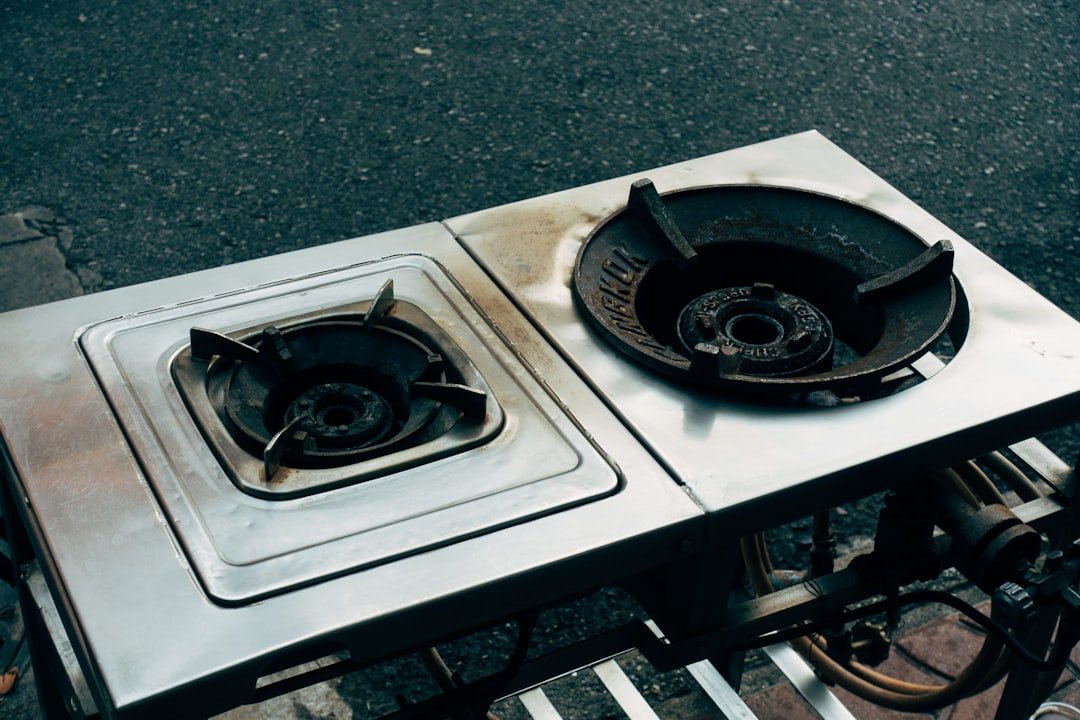
Your stove burners and controls get dirty faster than you realize. Grease, food spills, and grime build up quickly, making your cooking space look messy and even affecting how well your stove works.
But cleaning them doesn’t have to be a frustrating chore. With the right tips, you can make your stove shine and keep it working like new. Ready to discover simple and effective ways to clean your stove burners and controls?
Keep reading—you’ll be amazed at how easy it can be to bring back that fresh, spotless kitchen feel.
:max_bytes(150000):strip_icc()/SPR-we-asked-a-cleaning-pro-how-to-clean-greasy-stove-knobs-without-taking-them-apart-and-it-s-so-simple-11778218-d772b93004594b99bc81c726c6e772fc.jpg)
Credit: www.thespruce.com
Gather Essential Cleaning Supplies
Cleaning stove burners and controls keeps your kitchen in top shape. It’s important to have all the right supplies before you start.
Having everything ready makes the cleaning process faster and easier. Let’s look at what you need to gather.
Get A Good Degreaser
A good degreaser is essential for cutting through grease. Grease builds up on burners and controls over time.
Choose a non-toxic degreaser to keep your kitchen safe. Spray it directly onto greasy areas for best results.
Use Soft Scrub Pads
Soft scrub pads help remove stubborn stains without scratching. They’re gentle yet effective on delicate stove surfaces.
Keep a few pads handy so you can replace them when they get dirty. This ensures you always have a clean tool for the job.
Prepare A Bucket Of Warm Soapy Water
Warm soapy water is useful for rinsing and wiping. It helps remove any leftover cleaning product from the stove.
Fill a bucket with warm water and add mild dish soap. Use this to wipe down the burners and controls after cleaning.
Have A Soft Cloth Ready
A soft cloth is perfect for drying and polishing. After cleaning, use it to dry the stove and controls.
This prevents water spots and gives your stove a nice shine. Always use a clean, dry cloth for the best results.
Keep A Small Brush For Crevices
A small brush reaches into tight spaces that are hard to clean. Controls and burner edges often collect dirt and grime.
Use the brush to scrub these areas gently. This helps ensure a thorough clean without missing any spots.
Remove Burners Safely
Cleaning stove burners and controls keeps your kitchen safe and tidy. Removing burners safely is the first step.
Follow simple tips to avoid damage and injury while taking out the burners.
Turn Off The Stove And Let It Cool
Always switch off the stove before removing burners. Wait until the burners are completely cool to touch.
Hot burners can cause burns or damage your cleaning tools.
Check Your Stove’s Manual
Look at the stove manual for instructions on removing burners. Different models may have different removal steps.
Following the manual helps you avoid breaking parts or voiding warranties.
Lift Burners Gently
Hold the burner base and lift it straight up. Avoid twisting or pulling sideways to prevent damage.
If a burner feels stuck, check for screws or clips that may need loosening first.
Disconnect Electrical Parts Carefully
Some burners have electrical connections. Unplug them gently without pulling on wires.
Use fingers or small tools to release clips if needed. Avoid forcing any parts.
Keep Small Parts Safe
Remove screws, nuts, or clips carefully and place them in a small container.
This prevents losing parts and makes reassembly easier after cleaning.
Soak Burners For Easy Dirt Removal
Cleaning stove burners can be tough if dirt is stuck on them. Soaking burners helps loosen grime and grease.
Soaking makes it easier to scrub away dirt without damaging the burners or controls.
Prepare The Burners For Soaking
First, remove the burners from the stove carefully. Make sure they are cool before handling.
Take off any removable parts, like caps or rings, to clean each piece well.
Choose A Soaking Solution
Fill a basin or sink with warm water and mild dish soap. This solution helps break down grease.
Avoid harsh chemicals that can damage burner parts or leave residue behind.
Soak Burners Properly
Place burners and their removable parts in the soapy water. Let them soak for 20 to 30 minutes.
Soaking loosens dirt and makes cleaning easier with a soft brush or cloth.
Scrub And Rinse Thoroughly
After soaking, use a soft brush or sponge to scrub off loosened dirt. Avoid abrasive tools.
Rinse all parts well with clean water to remove soap and dirt. Dry completely before reassembling.
Clean Controls Carefully
Do not soak stove controls. Instead, wipe them with a damp cloth and mild cleaner.
Use a soft brush for tight spots. Dry controls well to avoid moisture damage.

Credit: www.aol.com
Scrub Burners Without Damage
Cleaning stove burners is important to keep them working well. Scrubbing too hard can cause damage.
Use the right tools and gentle cleaning methods. This helps remove dirt without hurting the burners.
Use Soft Brushes Or Sponges
Choose soft brushes or sponges to clean burners. Hard brushes can scratch or break parts.
Soft tools remove food and grease safely without damaging the burner surface.
Soak Burners In Warm Soapy Water
Soaking burners in warm soapy water loosens stuck-on grime. This makes scrubbing easier and safer.
Do not soak electric or gas parts that can get damaged by water.
Avoid Abrasive Cleaners
Abrasive cleaners can wear out the burner surface. Avoid powders or harsh chemicals that scratch.
Use mild dish soap or special stove-cleaning liquids instead for safe cleaning.
Dry Burners Fully Before Use
After cleaning, dry burners completely. Water can cause rust or affect how burners work.
Use a soft cloth to dry and air dry for best results.
Handle Burner Controls Carefully
Clean controls with a damp cloth and mild soap. Avoid soaking or spraying water directly.
Be gentle to avoid loosening or damaging control knobs and switches.
Clean Burner Controls Gently
Cleaning stove burner controls needs care. These parts are delicate and can break easily.
Using gentle methods keeps controls working well for a long time.
Turn Off Power And Gas Supply
Before cleaning, always turn off the stove’s power and gas. This stops accidents and damage.
Use A Soft Cloth Or Sponge
Clean controls with a soft cloth or sponge. Avoid rough materials that can scratch or damage buttons.
Avoid Excess Water
Do not soak burner controls in water. Use a damp cloth instead to prevent water from entering inside.
- Moisten cloth lightly
- Wipe gently around knobs
- Dry controls immediately after cleaning
Use Mild Cleaning Solutions
Choose mild soap or dish detergent for cleaning. Harsh chemicals can damage the control surface.
Remove And Clean Knobs Separately
Remove burner knobs carefully before cleaning. Wash knobs with warm, soapy water and dry well.
- Pull knobs straight off
- Soak knobs in mild soap water
- Dry completely before putting back
Avoid Harsh Scrubbing Tools
Do not use steel wool or abrasive pads on controls. These tools can cause permanent damage.
Dry Controls Thoroughly
After cleaning, dry burner controls fully. Moisture can cause rust or electrical problems.
- Use a dry cloth or paper towel
- Check for leftover moisture
- Wait before turning the stove back on
Use Natural Cleaning Solutions
Cleaning stove burners and controls can be safe and simple. Natural cleaning solutions work well without harsh chemicals.
These solutions protect your stove and the environment. They also keep your kitchen fresh and healthy.
Use Baking Soda And Vinegar
Baking soda and vinegar make a strong cleaning team. Baking soda scrubs grime gently. Vinegar breaks down grease and kills bacteria.
Make a paste with baking soda and water. Apply it to burners and controls. Spray vinegar over the paste. Let it fizz for 10 minutes. Wipe clean with a damp cloth.
Try Lemon Juice For Stains
Lemon juice has natural acid that helps remove stains. It also leaves a fresh scent after cleaning.
Cut a lemon in half. Rub it over the dirty areas on your stove. Let it sit for 5 minutes. Wipe the surface with a clean, damp cloth.
Make A Salt Scrub For Tough Spots
Salt works as a natural abrasive to scrub off tough dirt. It does not scratch the stove surface.
Mix salt with a small amount of water or lemon juice. Use a cloth or sponge to scrub the burner or control areas. Rinse with water and dry well.
Use Castile Soap For Gentle Cleaning
Castile soap is a plant-based soap that cleans without harsh chemicals. It is safe to use on stove parts.
Add a few drops of castile soap to warm water. Dip a cloth in the solution. Wipe burners and controls carefully. Rinse with a damp cloth to remove soap.
Clean Controls With Cotton Swabs
Use cotton swabs dipped in natural cleaners to reach small areas. This helps remove dirt from tight spots on knobs and buttons.
Dip the swab in a mix of vinegar and water or castile soap solution. Gently clean around each control. Use a dry swab to remove moisture.
Tackle Stubborn Grease And Stains
Cleaning stove burners and controls can be tough. Grease and stains build up over time.
Using the right tips helps you remove tough dirt safely and easily.
Use Baking Soda And Vinegar
Baking soda and vinegar work well to break down grease. They are safe and cheap.
Make a paste with baking soda and water. Apply it to burners and controls.
Spray vinegar on the paste. Let it bubble and sit for 15 minutes.
Wipe clean with a damp cloth. Repeat if stains stay.
Soak Removable Parts In Hot Soapy Water
Remove burners and knobs if possible. Soak them in hot, soapy water.
Let parts soak for 20 to 30 minutes. This loosens grease and food bits.
Use a soft brush to scrub stubborn spots. Rinse and dry well before reattaching.
Use A Toothbrush For Tight Spaces
A toothbrush cleans hard-to-reach areas around controls and burners.
Dip the brush in soapy water or vinegar. Scrub gently to remove grime.
- Clean around knobs and buttons
- Scrub burner edges and grills
- Remove buildup without scratching
Avoid Harsh Chemicals And Abrasives
Harsh cleaners can damage stove parts. Avoid bleach and steel wool.
Use mild cleaners and soft cloths. Protect the finish and controls.
Credit: www.kitchenaid.com
Dry And Reassemble Burners
Cleaning stove burners is important for safety and performance. After washing, drying them well stops rust and damage.
Reassembling burners correctly helps your stove work like new. Take your time to fit all parts back properly.
Dry Burners Thoroughly
Use a soft towel or cloth to dry each burner part. Make sure to remove all moisture from holes and crevices.
Let the burners air dry for a while if you are not in a hurry. This prevents water from causing rust later.
Check For Damage Before Reassembly
Look over each burner part for cracks or rust spots. Damaged parts should be replaced to keep your stove safe.
Do not use burners that are bent or broken. These can cause uneven flames or gas leaks.
Reassemble Burners Carefully
Place each burner part in its correct position. Align the holes and slots carefully for proper fit.
Tighten any screws or clips gently. Do not force parts, or you may break them.
Test Burners After Reassembly
Turn on the stove briefly to check the flame. The flame should be even and blue.
If the flame is weak or uneven, turn off the stove and check the burner fit again.
Maintain Clean Burners Regularly
Keeping stove burners clean helps your stove work well and last longer. Dirt and grease can block the flame and make cooking unsafe.
Regular cleaning stops buildup and keeps your kitchen fresh. It is easier to clean often than to remove heavy grime later.
Remove Burners Carefully
Take the burners off before cleaning. This avoids damage to the stove and lets you clean all sides well.
Make sure the burners are cool to prevent burns. Handle them gently to avoid bending or breaking parts.
Use Mild Cleaners
Use warm water and mild soap to clean burners. Harsh chemicals can damage metal parts and make burners unsafe.
A soft brush or cloth works well to remove grease and food. Avoid scrubbing too hard to keep burners intact.
Wipe burner knobs and controls with a damp cloth. Do not soak them, as water can get inside and cause problems.
Use a soft brush to clean around knobs. Remove any sticky residue to keep controls turning smoothly.
Dry Burners And Controls Thoroughly
After cleaning, dry burners and controls completely. Moisture can cause rust or electrical issues.
Use a soft towel or air dry parts before putting them back on the stove. Make sure all parts fit correctly.
Set A Regular Cleaning Schedule
Clean your stove burners at least once a week. Frequent cleaning stops buildup and keeps cooking safe.
- Wipe spills right after cooking
- Deep clean burners weekly
- Check controls for dirt and grease
Frequently Asked Questions
How Do I Safely Clean Stove Burners?
Remove burners and soak them in warm, soapy water. Use a soft brush to scrub away grime. Rinse and dry completely before reassembling to avoid damage or electrical issues.
What Is The Best Cleaner For Stove Controls?
Use a mild detergent or vinegar solution. Apply with a soft cloth to avoid damaging control knobs. Avoid harsh chemicals to maintain control functionality and finish.
How Often Should I Clean Stove Burners And Controls?
Clean burners and controls weekly for optimal performance. Regular cleaning prevents grease buildup and extends appliance life. Spot clean spills immediately to avoid tough stains.
Can I Use Vinegar To Clean Stove Burners?
Yes, vinegar is a natural and effective cleaner. It removes grease and grime without harsh chemicals. Use diluted vinegar and rinse thoroughly to prevent corrosion.
Conclusion
Cleaning stove burners and controls keeps your kitchen safe and neat. Regular care stops grease build-up and avoids bad smells. Simple steps make the job quick and easy. Use gentle cleaners and soft cloths to protect surfaces. Stay consistent to enjoy a fresh and working stove every day.
A clean stove helps your food taste better too. Keep these tips in mind for a hassle-free cooking space. Clean burners make cooking more enjoyable and efficient.