
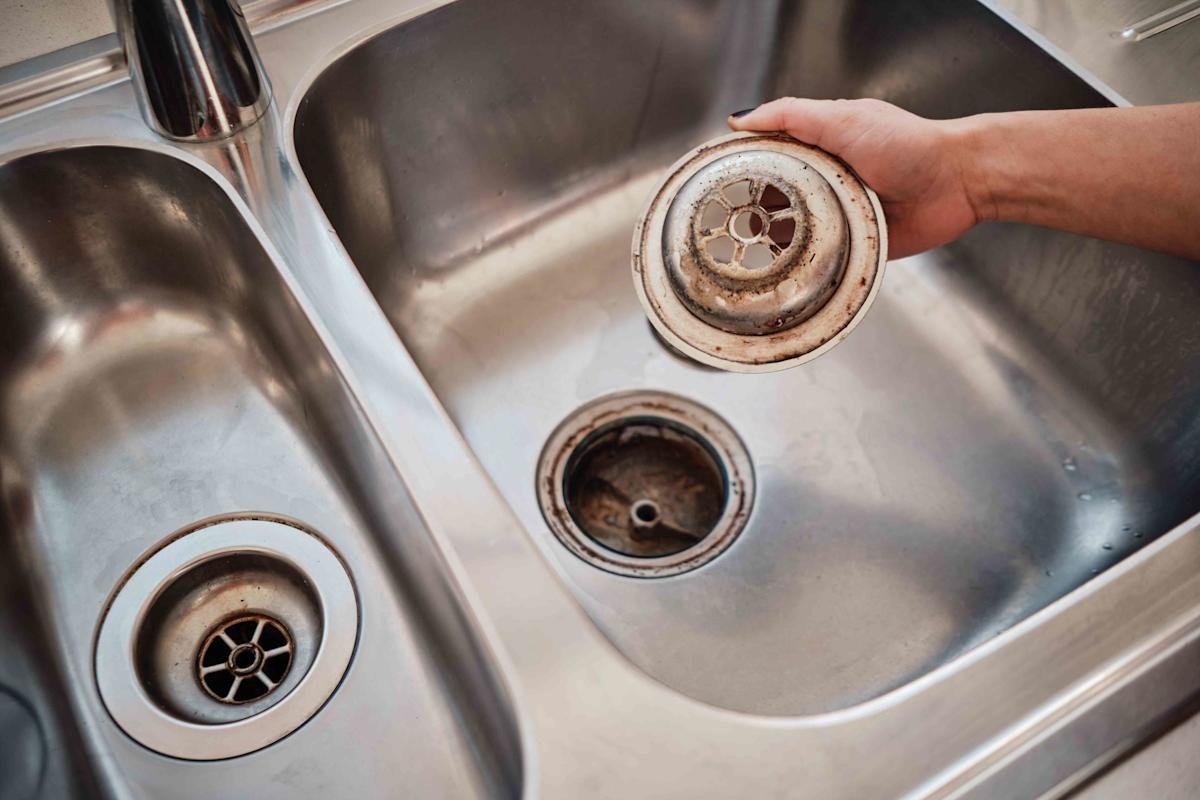
Your stainless steel sink is one of the busiest spots in your kitchen. Over time, water spots, stains, and grime can make it look dull and worn out.
But what if you could restore its shine and keep it sparkling clean without spending hours scrubbing? You’ll discover simple, effective tips to clean your stainless steel sink thoroughly. These easy steps will save you time and effort while making your sink look brand new.
Ready to transform your kitchen sink? Let’s dive in!
Essential Cleaning Supplies
Cleaning a stainless steel sink needs the right supplies. Good tools and products make the job easier. They help keep the sink shiny and free from stains.
Using proper cleaning supplies protects the sink’s surface. It also removes dirt and germs well. Below are key supplies you should have.
Mild Dish Soap
Mild dish soap is gentle but effective. It removes grease and food bits without harming the sink. Mix with warm water for daily cleaning.
Soft Cloth Or Sponge
Use a soft cloth or sponge to avoid scratching. Rough scrubbers can damage the surface. A microfiber cloth works great for wiping and drying.
Baking Soda
Baking soda is a natural cleaner that removes stains and odors. It works as a mild abrasive to lift dirt without scratching the sink’s finish.
- Sprinkle baking soda on the sink surface.
- Gently scrub with a damp sponge or cloth.
- Rinse well with water.
White Vinegar
White vinegar helps remove water spots and mineral deposits. It also disinfects the sink naturally. Use it diluted with water for best results.
Soft-bristled Brush
A soft-bristled brush cleans around the drain and corners. It reaches spots a sponge can’t. Use it gently to avoid scratches.
Cleaning Supply Checklist
| Cleaning Supply | Use |
| Mild Dish Soap | Grease and dirt removal |
| Soft Cloth or Sponge | Gentle scrubbing and drying |
| Baking Soda | Stain removal and deodorizing |
| White Vinegar | Water spot removal and disinfecting |
| Soft-Bristled Brush | Cleaning corners and drain areas |

Credit: www.aol.com
Daily Maintenance Tips
Keeping your stainless steel sink clean every day helps it stay shiny. Small efforts prevent stains and buildup.
Use simple steps to maintain your sink. This keeps it looking new and working well.
Rinse After Each Use
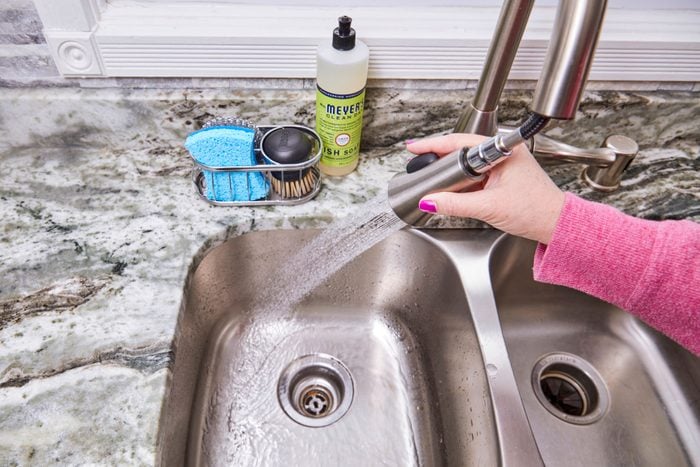
Rinse the sink with warm water after washing dishes. This removes food and soap bits.
Rinsing stops stains and prevents water spots from forming on the surface.
Wipe Dry Daily
Use a soft cloth to dry the sink after rinsing. Water droplets can cause marks if left to dry.
Drying helps keep the sink shiny and reduces rust risks on edges.
Clean With Mild Soap
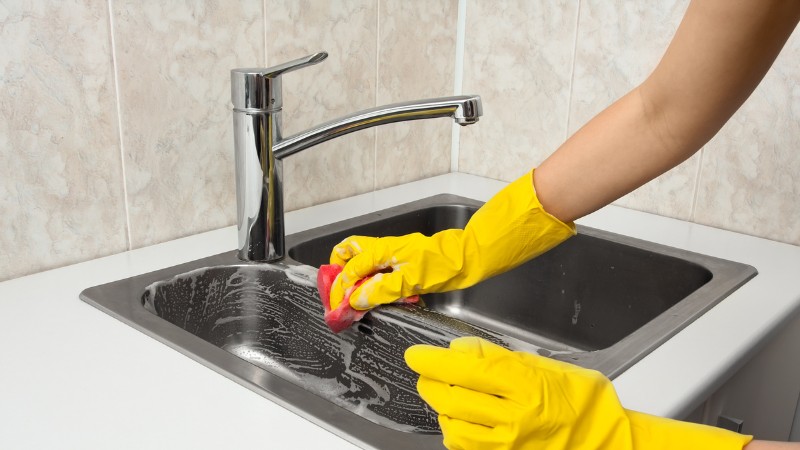
Use mild dish soap and a soft sponge to clean the sink daily. Avoid harsh chemicals that can damage the finish.
This gentle cleaning removes grease and light stains without scratching the surface.
Avoid Leaving Food Waste
Remove food scraps from the sink right after washing dishes. Food bits cause stains and odors.
Use the sink strainer to catch debris and empty it often to keep the drain clear.
Use A Soft Brush For The Drain
Clean the drain area daily with a soft brush or old toothbrush. This removes grime and prevents buildup.
Focus on edges and corners where dirt collects easily to keep the sink hygienic.
Deep Cleaning Techniques
Cleaning a stainless steel sink deeply keeps it looking new and shiny. Dirt, stains, and grime can build up over time.
Using the right tools and methods makes cleaning easier and more effective. Let’s explore ways to clean your sink thoroughly.
Removing Stubborn Stains
Stubborn stains may not come off with simple washing. You need special techniques to remove them without damage.
Use baking soda and a soft cloth to scrub tough spots gently. Avoid harsh scrubbing tools that can scratch the surface.
- Sprinkle baking soda over the stain
- Add a few drops of water to form a paste
- Rub the paste gently with a soft cloth or sponge
- Rinse well with warm water
- Dry the sink with a clean towel
Polishing For Shine
Polishing restores the sink’s natural shine after cleaning. It also helps protect the surface from water spots and fingerprints.
Use olive oil or a small amount of vinegar on a soft cloth to polish the sink. Wipe in the direction of the grain for best results.
- Apply a few drops of olive oil or vinegar on a soft cloth
- Rub the cloth over the sink surface gently
- Follow the sink’s grain direction
- Buff with a dry cloth to remove extra oil or liquid
- Enjoy a bright and shiny sink
Credit: www.rd.com
Natural Cleaning Solutions
Cleaning a stainless steel sink can be easy with natural ingredients. These solutions avoid harsh chemicals and keep your sink shiny.
Using items like vinegar, baking soda, lemon, and salt can remove stains and dirt effectively. They are safe and eco-friendly.
Using Vinegar And Baking Soda
Vinegar and baking soda work well together to clean and deodorize your sink. They break down grime and leave a fresh scent.
- Sprinkle baking soda all over the wet sink surface.
- Pour white vinegar slowly over the baking soda.
- Let the mixture fizz for 5 minutes to loosen dirt.
- Use a soft sponge to scrub the sink gently.
- Rinse with warm water and dry with a cloth.
Lemon And Salt Method
Lemon and salt create a natural scrub that removes stains and polish the sink. Lemon’s acid cuts through grime while salt acts as an abrasive.
| Ingredient | Purpose | How to Use |
| Lemon | Natural acid to dissolve stains | Cut lemon in half and rub on sink |
| Salt | Abrasive to scrub off dirt | Sprinkle salt on lemon or sink surface |
| Water | Rinse off residue | Use warm water to rinse after scrubbing |
Avoiding Common Mistakes
Cleaning a stainless steel sink needs care to keep it looking shiny. Many people make mistakes that can damage the sink or leave spots behind.
Knowing what not to do helps you clean the sink better and last longer. Here are common mistakes to avoid when cleaning your stainless steel sink.
Using Harsh Chemicals
Strong chemicals can scratch or dull the finish of your sink. Avoid bleach or products with chlorine as they can cause damage.
Choose gentle cleaners made for stainless steel or use natural options like baking soda and vinegar.
Scrubbing With Abrasive Tools
Steel wool or rough scrub brushes can leave scratches on your sink. These marks can trap dirt and water spots.
Use soft cloths, sponges, or nylon scrubbers to clean without scratching the surface.
Leaving Water Spots To Dry
Water left on the sink can cause spots and mineral buildup. This makes the sink look dull and dirty over time.
Always dry the sink with a soft towel after cleaning or use to keep it shiny.
Ignoring Regular Cleaning
Skipping regular cleaning lets dirt and stains build up. This makes cleaning harder later and may cause stains.
Clean the sink often with mild soap and water to keep it fresh and bright.
Using Too Much Cleaner
Using excess cleaner can leave residue, causing streaks and spots on the sink.
Apply just enough cleaner to cover the surface and rinse well with water.
Expert Recommendations
Cleaning a stainless steel sink keeps it shiny and safe to use. Dirt and stains can build up quickly. Regular care helps maintain its look and function.
Using the right tools and cleaning often makes the job easier. Follow these tips for the best results.
Tools For Best Results
Choosing the correct tools protects your sink and cleans well. Soft materials avoid scratches and damage. Avoid harsh scrubbers that can harm the surface.
- Soft sponge or cloth for gentle cleaning
- Non-abrasive scrub brush for tough spots
- Microfiber cloth for drying and polishing
- Baking soda as a mild abrasive cleaner
- White vinegar to remove water spots and disinfect
- Dish soap for everyday dirt and grease
Frequency Of Cleaning
Regular cleaning stops stains and buildup. Clean your sink every day to keep it fresh. Deep clean weekly for best hygiene and shine.
- Daily: Rinse sink and wipe with dish soap
- Weekly: Use baking soda and vinegar for deep clean
- Monthly: Polish with microfiber cloth to restore shine
Maintaining The Finish
Cleaning your stainless steel sink carefully helps keep its shiny finish. Dirt and water marks can dull the surface over time.
Using the right methods protects the sink and keeps it looking new longer. Avoid harsh cleaners and rough tools.
Protective Measures
Prevent damage by following simple care habits. Clean the sink after each use with a soft cloth and mild soap.
- Rinse the sink to remove food particles and soap
- Dry the sink with a soft towel to avoid water spots
- Use a gentle cleaner designed for stainless steel
- Avoid steel wool or abrasive sponges that scratch the surface
- Do not leave acidic or salty substances on the sink for long
Handling Scratches
Small scratches can happen but you can reduce their appearance with the right tools.
| Scratch Type | Fix Method | Tip |
| Light surface scratches | Buff with a non-abrasive pad | Rub gently following the grain of the steel |
| Deeper scratches | Use a stainless steel polish or scratch remover | Test on a small area first |
| Stubborn marks | Apply baking soda paste, then rinse well | Do not scrub hard |
Credit: modern-maids.com
Frequently Asked Questions
How Do I Clean Stainless Steel Sink Without Scratching It?
Use a soft cloth or sponge with mild dish soap. Avoid abrasive pads or steel wool. Rinse thoroughly and dry to prevent water spots.
What Natural Cleaners Work Best For Stainless Steel Sinks?
Baking soda and vinegar are effective natural cleaners. Sprinkle baking soda, scrub gently, then spray vinegar. Rinse well and dry the sink.
How Often Should I Clean My Stainless Steel Sink?
Clean daily to prevent stains and buildup. Deep clean weekly using a gentle cleaner. Regular care keeps your sink shiny and hygienic.
Can I Use Bleach To Clean Stainless Steel Sinks?
Avoid bleach as it can damage the steel’s finish. Use mild cleaners or natural alternatives. Always rinse thoroughly after cleaning.
Conclusion
Cleaning your stainless steel sink regularly keeps it shiny and fresh. Use gentle cleaners to avoid scratches. Wipe it dry after washing to prevent water spots. Small daily habits make a big difference over time. A clean sink also helps keep your kitchen hygienic.
Try these easy tips to maintain your sink’s look. Simple care leads to lasting shine and cleanliness. Your sink will look great and stay strong longer. Keep it clean and enjoy a bright kitchen space.