
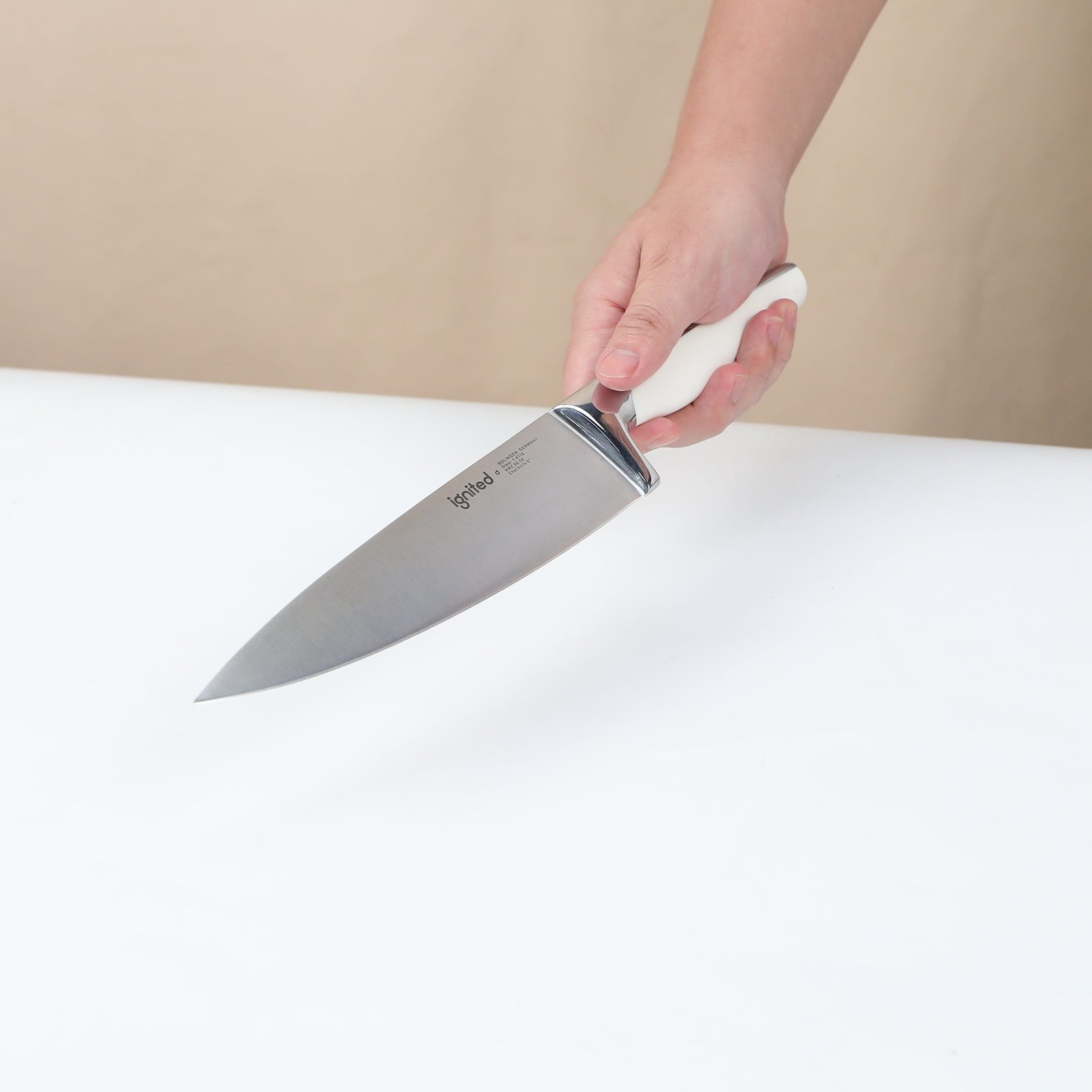
If you want your stainless steel knives to stay sharp, shiny, and rust-free, knowing the right cleaning tips is a must. You might think washing them like any other dish is enough, but that can actually damage your knives over time.
Imagine picking up your favorite knife and seeing spots, dullness, or even rust—frustrating, right? Keep reading, because you’ll discover simple, effective ways to clean your knives that protect their quality and make them last longer. Your kitchen tools deserve the best care, and you’re just a few easy steps away from mastering it.
Choosing The Right Cleaning Products
Cleaning stainless steel knives needs care. The right products keep knives sharp and shiny.
Some cleaners can harm the steel. Use mild and safe products for the best results.
Avoid Harsh Chemicals
Strong chemicals can damage knife edges and finish. Avoid bleach and abrasive powders.
Choose Mild Detergents
Use mild dish soap or gentle cleaners. They remove dirt without harming the steel.
- Liquid dish soap with no ammonia
- Non-abrasive cleaning gels
- Soap with neutral pH
- Avoid products with chlorine or bleach
Use Natural Cleaners
Natural products clean well and protect knives. Vinegar and baking soda are good choices.
| Cleaner | Use | Notes |
| White Vinegar | Remove stains | Dilute with water before use |
| Baking Soda | Gentle scrubbing | Make a paste with water |
| Olive Oil | Polishing blade | Use a small amount |
Credit: towncutler.com
Daily Cleaning Techniques
Keeping stainless steel knives clean every day keeps them sharp and safe. Good cleaning stops rust and damage.
Use gentle methods to clean your knives after each use. This helps keep them in great shape for a long time.
Rinse Immediately After Use
Rinse your knife with warm water right after cutting food. This removes food bits and stops stains.
Use Mild Soap And Soft Cloth
Wash the blade with mild dish soap and a soft cloth. Avoid rough sponges to prevent scratches on the steel.
Dry The Knife Thoroughly
After washing, dry the knife well with a clean towel. Water left on the blade can cause spots or rust.
Store Knives Properly
- Use a knife block or magnetic strip to keep blades safe
- Keep knives away from moisture and humidity
- Do not leave knives in a sink or damp area
Avoid Dishwashers
Do not put stainless steel knives in the dishwasher. The heat and detergent can dull and damage the blade.
Removing Stubborn Stains
Stainless steel knives are strong but stains can spoil their look. Removing tough stains keeps knives clean and safe to use.
Use gentle cleaning tips to avoid damage. Stubborn stains need special care and simple tools.
Use Baking Soda Paste
Baking soda is mild and works well on tough stains. Make a thick paste with water and baking soda.
Apply the paste on the stained area and let it sit for 10 minutes. Rub gently with a soft cloth or sponge.
- Mix 3 parts baking soda with 1 part water
- Spread paste on stains
- Wait 10 minutes
- Rub softly and rinse
Try White Vinegar Rinse
White vinegar removes mineral stains and discoloration. Soak a cloth in vinegar and wipe the knife.
Let vinegar sit for a few minutes, then rinse with warm water. Dry the knife to stop water marks.
- Dip cloth in white vinegar
- Wipe stained knife parts
- Wait 5 minutes
- Rinse and dry well
Use Lemon Juice For Rust Spots
Lemon juice helps lift rust spots gently. Rub fresh lemon juice on rust with a soft cloth.
Leave it for 5 minutes, then wash with soap and water. Repeat if rust remains.
- Apply lemon juice on rust
- Wait 5 minutes
- Scrub lightly
- Wash and dry
Avoid Harsh Scrubbing Tools
Hard scrubbers can scratch knives. Use soft cloths, sponges, or brushes with soft bristles.
Scratches make knives dull and harder to clean later. Be gentle to keep knives smooth.
- Use soft cloths or sponges
- Do not use steel wool
- Avoid hard brushes
- Clean gently
Avoiding Common Mistakes
Cleaning stainless steel knives needs care. Small mistakes can damage the blade or handle.
Learn which mistakes to avoid. This keeps your knives sharp and long-lasting.
Using Harsh Detergents
Strong soaps can harm the steel finish. Avoid bleach or abrasive cleaners on knives.
Use mild dish soap and warm water instead. This cleans well without damage.
Putting Knives In The Dishwasher
Dishwashers cause heat and water damage. This can dull blades and loosen handles.
Always wash knives by hand. It protects the metal and keeps knives safe.
Leaving Knives Wet
Water left on knives can cause rust spots. Dry your knives right after washing them.
- Use a soft towel for drying
- Do not air dry knives
- Store knives dry and clean
Using Abrasive Scrubbers
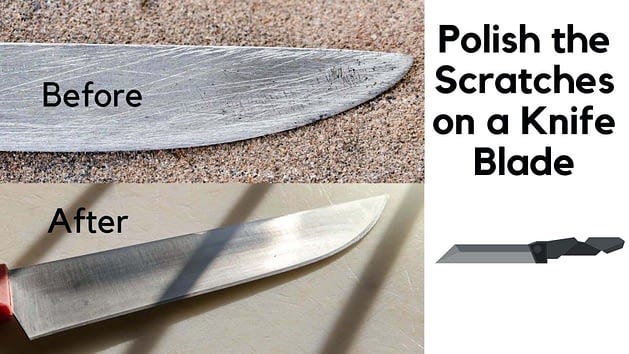
Steel wool or rough scrubbers scratch the blade. This ruins the knife’s smooth surface.
Use soft sponges or cloths to clean knives gently. This keeps the blade shiny.
Ignoring Handle Care
Knife handles need cleaning too. Dirt and water can weaken wood or loosen plastic.
Wipe handles with a damp cloth and dry well. Avoid soaking handles in water.
Preserving Knife Sharpness
Stainless steel knives stay sharp longer with proper cleaning. Careful cleaning helps keep their edge strong and effective.
Using the right methods protects the blade and extends the knife’s life. Avoid actions that dull or damage the sharp edge.
Use Gentle Cleaning Tools
Soft sponges or cloths clean knives without scratching the blade. Avoid steel wool or rough scrubbers that can dull the edge.
Avoid The Dishwasher
Dishwashers cause knives to bump and rub against other items. This wears down the blade and causes dullness over time.
Dry Immediately After Washing
Water spots and rust can form if knives air dry. Wipe each knife dry to keep the blade clean and sharp.
Store Knives Properly
- Keep knives in a block or on a magnetic strip.
- Avoid tossing knives into drawers with other utensils.
- Store blades separately to prevent nicks and dulling.
Use Mild Detergents
Harsh chemicals can damage the blade’s finish. Use mild soap and warm water for cleaning.
Credit: oishya.com
Long-term Maintenance Tips
Stainless steel knives last longer with proper care. Cleaning and storing them right keeps blades sharp and strong.
Use simple habits to protect your knives from damage and rust over time. Regular maintenance helps maintain their look and function.
Proper Cleaning After Use
Always clean knives right after cutting food. Avoid leaving them dirty for long.
- Wash with warm water and mild soap
- Use a soft cloth or sponge to avoid scratches
- Rinse thoroughly to remove all soap
- Dry immediately to prevent water spots and rust
Safe Storage Methods
Store knives to protect blades and fingers. Proper storage stops dulling and accidents.
| Storage Type | Benefit |
| Knife block | Protects blades and keeps knives organized |
| Magnetic strip | Keeps knives visible and dry |
| Drawer inserts | Separates knives to avoid scratches |
Routine Sharpening And Honing
Keep blades sharp for safe and easy cutting. Regular honing aligns edges, while sharpening fixes dull blades.
- Hone knives with a steel rod before or after each use
- Sharpen knives using a whetstone or sharpener every few months
- Check blade sharpness by slicing soft food like tomato
Avoiding Damage During Use
Use knives only for cutting food. Avoid hard materials to keep blades intact.
- Do not cut on glass or stone surfaces
- Use wooden or plastic cutting boards
- Never use knives to open cans or pry items
- Keep knives away from dishwasher cleaning
Natural Cleaning Solutions
Cleaning stainless steel knives with natural products keeps them sharp and safe. These solutions avoid harsh chemicals and protect the blade.
Using simple ingredients from your kitchen can clean your knives well. They also help keep the metal shiny and rust-free.
Vinegar And Water Mix
Mix equal parts of white vinegar and water in a bowl. Soak a cloth in the mix and gently wipe the blade. This removes stains and kills bacteria.
Baking Soda Paste
Baking soda is a mild abrasive that cleans without scratching. Make a paste by mixing baking soda with a little water. Apply it to the blade and rub softly.
- Rinse the knife with warm water after cleaning
- Dry it immediately with a soft cloth
- Never soak knives for long periods
Lemon Juice For Shine
Lemon juice removes rust spots and adds shine. Rub half a lemon on the blade, let it sit for a few minutes, then rinse and dry.
Olive Oil Finish
After cleaning, apply a small amount of olive oil to the blade. This creates a protective layer against moisture and rust.
| Natural Cleaner | Use | Benefit |
| Vinegar and Water | Wipe blade | Removes stains, disinfects |
| Baking Soda Paste | Rub blade | Gentle scrubbing |
| Lemon Juice | Rub and rinse | Removes rust, shines |
| Olive Oil | Apply after drying | Protects from rust |
Storage Best Practices
Proper storage keeps stainless steel knives sharp and safe. It also stops damage and rust.
Follow simple storage tips to protect your knives and extend their life.
Use A Knife Block
A knife block stores knives upright and separate. This stops blades from hitting each other.
Keep the block clean and dry to avoid moisture buildup that can cause rust.
Magnetic Knife Strips
Magnetic strips hold knives on the wall. This keeps blades visible and easy to grab.
Make sure the magnet is strong enough to hold the knife safely and avoid scratches.
Knife Sheaths Or Blade Guards
Sheaths protect blades during drawer storage or travel. They prevent dulling and cuts.
Choose sheaths that fit the knife size well and cover the entire blade.
Avoid Storing Knives Loose In Drawers
Loose knives can chip or dull when they hit other objects. They also cause accidents.
Use drawer organizers or knife trays to keep knives separated and secure.
Keep Knives Dry Before Storage
Moisture leads to rust and stains on stainless steel blades. Dry knives fully before storing.
Use a soft towel to wipe blades and handles after washing.
Credit: medium.com
Frequently Asked Questions
How Do I Properly Clean Stainless Steel Knives?
Use warm water and mild dish soap to clean knives. Avoid harsh abrasives or steel wool. Dry knives immediately to prevent water spots and rust.
Can I Put Stainless Steel Knives In The Dishwasher?
Avoid dishwashers as they can dull blades and cause corrosion. Hand washing is gentler and extends knife life. Always dry knives thoroughly after washing.
What Is The Best Way To Remove Stains On Knives?
Use a paste of baking soda and water to remove stains. Gently scrub the blade with a soft cloth. Rinse and dry immediately to prevent damage.
How Often Should I Clean My Stainless Steel Knives?
Clean knives after every use to prevent bacteria and stains. Regular cleaning maintains sharpness and appearance. Proper care ensures long-lasting performance.
Conclusion
Cleaning stainless steel knives keeps them sharp and safe. Use gentle soap and warm water for washing. Dry knives fully to stop rust and spots. Avoid harsh scrubbing to protect the blade surface. Store knives carefully to prevent damage and accidents.
Regular care helps knives last longer and look great. Simple steps make a big difference in knife care. Keep these tips in mind for easier kitchen tasks. Clean knives mean better cooking and safer handling every day.