

You rely on your smart kitchen gadgets every day to make cooking faster and easier. But when was the last time you gave them a proper clean?
Keeping your devices spotless isn’t just about looks—it helps them work better and last longer. Imagine enjoying your favorite meals without worrying about bacteria or malfunctioning tools. You’ll discover simple, effective tips to clean your smart kitchen gadgets safely. Keep reading to protect your investment and keep your kitchen running smoothly.
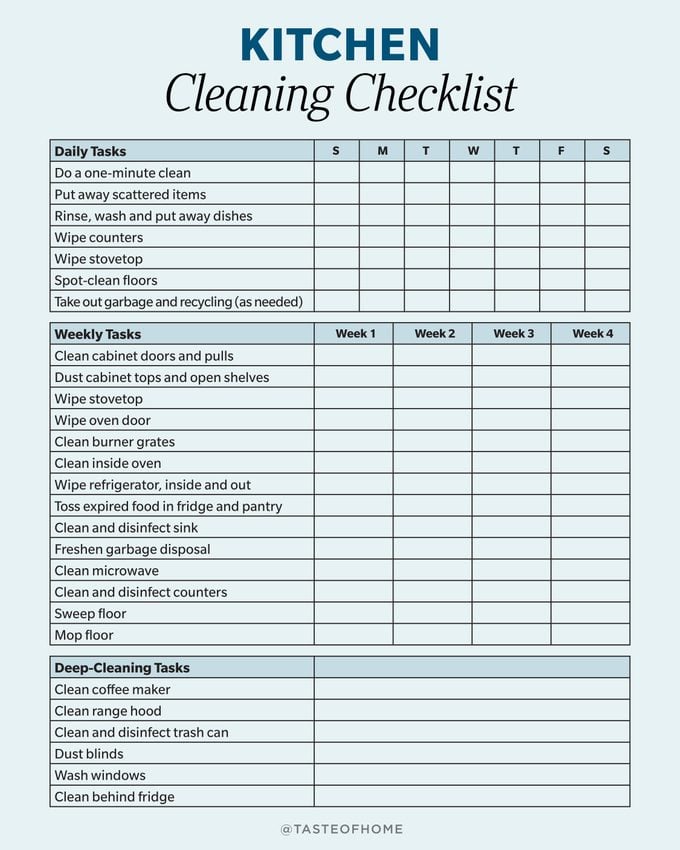
Credit: www.tasteofhome.com
Cleaning Smart Ovens
Smart ovens are useful kitchen tools that cook food evenly. Keeping them clean helps them work well for a long time.
Regular cleaning stops smells and food buildup. Use gentle methods to protect smart features and surfaces.
Quick Interior Wipe Down
After cooking, wait for the oven to cool. Then, wipe the inside with a soft cloth to remove crumbs and light spills.
Use a damp cloth with mild soap if needed. Avoid harsh cleaners to protect sensors and coatings inside.
Removing Stubborn Stains
For tough stains, mix baking soda with water to make a paste. Apply it to the stain and let it sit for 15 minutes.
Use a soft sponge to scrub gently. Rinse with a damp cloth and dry with a clean towel.
- Do not use steel wool or abrasive pads
- Avoid chemical cleaners that can damage smart parts
- Clean spills soon to prevent stains from setting
Maintaining Glass Touchscreens
Smart ovens often have glass touchscreens. Clean these with a soft microfiber cloth to avoid scratches.
Use screen-safe cleaner or a mix of water and vinegar. Spray the cloth, not the screen, then wipe gently.
- Turn off the oven before cleaning the screen
- Do not press too hard on the touchscreen
- Clean regularly to keep the screen responsive
Keeping Smart Refrigerators Fresh
Smart refrigerators need regular cleaning to stay fresh and work well. Dirt and spills can cause bad smells and damage parts.
Cleaning these fridges carefully helps keep food safe and the appliance running smoothly for a long time.
Dealing With Spills And Crumbs
Spills and crumbs can collect inside your smart fridge. They attract pests and cause stains if not cleaned quickly.
Use a soft cloth and mild soap to clean shelves and drawers. Remove all food items before cleaning to avoid damage.
- Wipe spills immediately to stop stains
- Take out shelves and wash them in warm water
- Check corners and door seals for crumbs
Cleaning Water And Ice Dispensers
Water and ice dispensers need special care to avoid mold and bacteria. Clean them often for safe drinking water.
Use a mixture of vinegar and water to clean the dispenser parts. Run the dispenser after cleaning to clear out residue.
- Remove dispenser trays and wash with soap
- Use a soft brush to clean small dispenser holes
- Flush the system by dispensing water after cleaning
Odor Management Techniques
Bad smells can build up inside smart refrigerators from old food or spills. Managing odors keeps your fridge smelling fresh.
Place baking soda or activated charcoal inside to absorb odors. Keep the fridge dry and clean to stop smells from forming.
- Store food in airtight containers
- Remove expired food regularly
- Use natural odor absorbers like baking soda
- Keep fridge temperature steady to avoid spoilage
Maintaining Smart Dishwashers
Smart dishwashers make cleaning dishes easy. Keeping them clean helps them work well for a long time.
Regular maintenance stops problems and keeps your dishwasher fresh and efficient.
Filter Cleaning Process
The filter catches food and dirt during washing. Cleaning it often stops bad smells and clogs.
Remove the filter carefully and rinse it under warm water. Use a soft brush to clean stuck bits.
- Take out the filter from the dishwasher base
- Rinse with warm water to remove debris
- Use a soft brush for tough spots
- Dry and place the filter back securely
Preventing Limescale Build-up
Limescale can damage parts and lower cleaning power. It forms from hard water minerals.
Use a dishwasher cleaner or vinegar to remove limescale. Run an empty cycle with these monthly.
- Use dishwasher-safe limescale remover
- Pour white vinegar in the bottom rack
- Run an empty hot water cycle
- Repeat monthly for best results
Sanitizing The Interior
Sanitizing kills germs and keeps your dishwasher smelling clean. It improves hygiene for dishes.
Wipe seals and door edges with a cloth and mild cleaner. Run a sanitize cycle if your dishwasher has one.
- Use a soft cloth with mild detergent on seals
- Clean door edges and corners carefully
- Run sanitize or hot water cycle regularly
- Leave door slightly open after use to dry
Caring For Smart Coffee Makers
Smart coffee makers need regular care to work well. Cleaning keeps your coffee fresh and your machine lasting longer.
Follow simple steps to keep your coffee maker clean and avoid problems like bad taste or clogs.
Descaling Made Simple
Descaling removes mineral build-up inside your coffee maker. It helps the machine run smoothly and makes coffee taste better.
Use a descaling solution or a mix of vinegar and water. Run the solution through the machine, then rinse with clean water.
- Fill water tank with descaling solution
- Run a brew cycle without coffee grounds
- Repeat with clean water to rinse
- Do this every 1-3 months
Cleaning Brew Baskets And Carafes
Remove brew baskets and carafes after use. Wash them with warm soapy water to remove coffee oils and residue.
Dry parts completely before putting them back. This stops mold and keeps the machine fresh.
- Use mild dish soap and a soft sponge
- Rinse well to avoid soap taste
- Check for cracks or damage
- Clean these parts weekly
Preventing Mold And Mildew
Keep your smart coffee maker dry to stop mold and mildew growth. Moist areas inside the machine can cause bad smells.
Leave the water tank and lid open after use. Wipe down all surfaces regularly to keep the machine clean.
- Empty water tank daily
- Dry all removable parts before reassembling
- Use a clean cloth to wipe the machine
- Store in a dry area
Tending To Smart Microwaves
Smart microwaves offer convenience and advanced features. Keeping them clean helps them work well.
Regular cleaning removes food spills and keeps the device fresh. Use gentle methods to protect smart parts.
Steam Cleaning Hack
Steam cleaning softens food spills inside the microwave. It is an easy and safe way to clean.
Fill a microwave-safe bowl with water and a little lemon juice. Heat it until steam forms inside.
- The steam loosens dried stains
- Wipe the interior with a soft cloth after steaming
- Avoid harsh scrubbing to protect surfaces
Deodorizing The Interior
Smart microwaves can retain food smells. Use natural ways to deodorize the interior.
Baking soda is a good odor absorber. Place a small bowl with baking soda inside the microwave overnight.
- Remove food odors safely
- Do not use strong chemicals that may harm smart sensors
- Keep the door open after cleaning to air out
Touchscreen Care
Smart microwaves have touchscreens that need careful cleaning. Use gentle materials to avoid damage.
Turn off the microwave before cleaning. Use a soft microfiber cloth slightly dampened with water or screen cleaner.
- Do not spray liquids directly on the screen
- Gently wipe to remove fingerprints and smudges
- Keep the screen dry to protect the electronics
Smart Cooktops And Range Hoods
Smart kitchen gadgets make cooking easier and faster. They include smart cooktops and range hoods.
Keeping these devices clean helps them work well for a long time. Clean parts remove dirt and grease buildup.
Grease Removal Tips
Grease can build up on cooktops and range hoods. It can block airflow and cause bad smells.
Use warm water and mild soap to wipe the surfaces. Avoid harsh chemicals that may damage smart sensors.
- Wipe grease after cooking to prevent buildup
- Use a soft cloth or sponge to avoid scratches
- Clean metal filters regularly to remove trapped grease
- Do not use abrasive pads on glass surfaces
Cleaning Induction Cooktops
Induction cooktops have smooth glass surfaces that need gentle cleaning. Dirt and spills can affect cooking.
Wait for the cooktop to cool before cleaning. Use special glass cooktop cleaner or mild soap with water.
- Remove loose food particles with a soft cloth
- Apply cleaner and wipe with a nonabrasive cloth
- Dry the surface to avoid streaks
- Do not pour water directly on controls or sensors
Maintaining Ventilation Filters
Range hoods use filters to trap smoke and grease. Clean filters help keep air fresh and reduce fire risk.
Remove filters according to the manual. Soak them in warm soapy water and scrub gently to remove grease.
- Clean filters at least once a month
- Check if filters are dishwasher safe before washing
- Replace filters if damaged or very dirty
- Dry filters completely before reinstalling
General Maintenance Tips
Smart kitchen gadgets make cooking easier. They need care to work well and last long.
Cleaning these gadgets properly keeps them safe and in good shape. Follow simple tips for best results.
Using Eco-friendly Cleaners
Use eco-friendly cleaners to protect your gadgets and the environment. These cleaners avoid harsh chemicals.
Choose natural products like vinegar, baking soda, or mild soap. They clean well and are gentle on surfaces.
- Mix vinegar with water for a safe all-purpose spray
- Use baking soda paste for tough stains
- Avoid abrasive scrubbers that can scratch gadgets
- Always dry gadgets thoroughly after cleaning
Regular Cleaning Schedule
Set a regular cleaning schedule for all your smart kitchen gadgets. This helps stop dirt build-up.
Clean after each use or at least once a week. Follow the manufacturer’s instructions for best care.
- Wipe surfaces daily with a soft cloth
- Clean removable parts and trays weekly
- Check for food residue in small areas
- Unplug gadgets before cleaning to stay safe
Smart Gadgets’ Longevity Tips
Proper care can extend the life of your smart kitchen gadgets. Use them gently and clean often.
Store gadgets in a dry place. Keep cords untangled and avoid dropping or banging them.
- Follow user manuals for maintenance advice
- Update software if your gadget supports it
- Use the right cleaning tools and products
- Inspect gadgets regularly for damage or wear

Credit: www.youtube.com

Credit: www.youtube.com
Frequently Asked Questions
How Do I Clean Smart Kitchen Gadgets Safely?
Use a soft, damp cloth and mild detergent. Avoid harsh chemicals and water exposure on electronic parts. Always unplug devices before cleaning to prevent damage or injury.
Can I Use Water To Clean Smart Kitchen Gadgets?
Avoid submerging smart gadgets in water. Use a lightly damp cloth for cleaning exterior surfaces only. Water can damage internal electronics and void warranties.
How Often Should I Clean Smart Kitchen Devices?
Clean smart kitchen gadgets after each use or weekly if unused. Regular cleaning prevents buildup, maintains performance, and extends device lifespan.
Are There Special Cleaners For Smart Kitchen Gadgets?
Use gentle, non-abrasive cleaners like diluted dish soap. Avoid bleach, alcohol, or ammonia-based cleaners, which can harm sensitive components and finishes.
Conclusion
Cleaning smart kitchen gadgets keeps them working well and safe to use. Regular care stops dirt and germs from building up. Use gentle tools and mild cleaners for best results. Avoid harsh chemicals that can damage your devices. Small daily efforts protect your investment and save time later.
Clean gadgets help you cook better and enjoy your kitchen more. Keep these tips handy for easy, effective cleaning every day. Simple steps make a big difference in your kitchen’s health.