
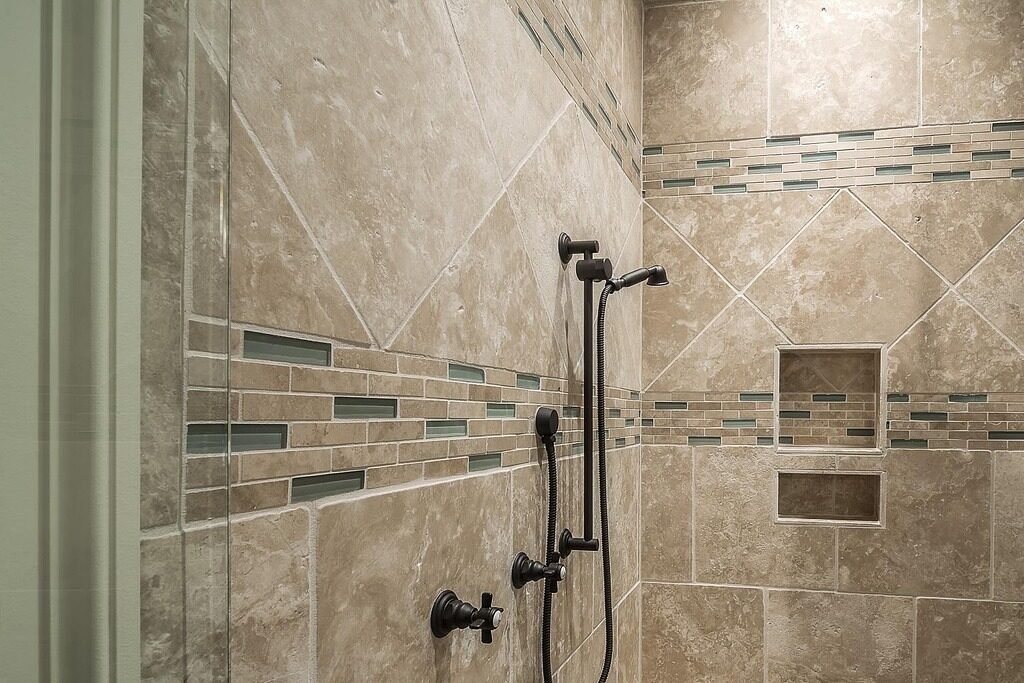
Are your shower tiles looking dull or covered in stubborn grime? You’re not alone.
Keeping your shower tiles clean can feel like a never-ending chore, but it doesn’t have to be that way. With the right tips, you can make your tiles sparkle and keep your bathroom fresh without spending hours scrubbing. Imagine stepping into a shower that feels brand new every day – sounds great, right?
Stick with me, and you’ll discover simple, effective ways to clean your shower tiles that save you time and effort. Ready to transform your bathroom? Let’s dive in!
Essential Tools And Supplies
Cleaning shower tiles needs the right tools and supplies. Using the best items makes cleaning easier and better.
Here are the main tools and supplies for cleaning shower tiles effectively.
Scrub Brushes
Scrub brushes help remove dirt and grime from tiles and grout. Choose brushes with firm bristles for tough stains.
Use small brushes for grout lines and bigger ones for tile surfaces.
- Soft-bristle brush for delicate tiles
- Stiff-bristle brush for grout cleaning
- Handheld brush for better control
Cleaning Solutions
Choose cleaning solutions that remove soap scum and mildew. Mild cleaners protect your tiles from damage.
Natural options like vinegar and baking soda work well for many stains.
- Tile cleaner with mild detergent
- White vinegar for natural cleaning
- Baking soda paste for grout stains
Microfiber Cloths
Microfiber cloths dry and polish tiles without scratching. They also remove leftover cleaner easily.
Use clean cloths to avoid spreading dirt back on tiles.
- Soft microfiber for wiping tiles
- Separate cloths for cleaning and drying
- Reusable and machine washable
Squeegee
A squeegee removes water after cleaning. It helps prevent water spots and mildew on tiles.
Use a squeegee regularly to keep tiles dry and clean.
- Silicone blade for smooth water removal
- Comfortable handle for easy use
- Wall mount for storage
Protective Gloves
Wear gloves to protect your hands from chemicals and rough scrubbing. Gloves keep skin safe and clean.
Choose gloves that fit well and are easy to clean.
- Rubber gloves for chemical protection
- Latex-free gloves for sensitive skin
- Reusable and easy to wash

Credit: www.youtube.com
Preparing The Shower Area
Cleaning shower tiles works best when the area is ready. Preparing the shower helps the cleaning process go smoothly.
Organizing and protecting the space keeps everything safe and easy to clean. Follow these tips before you start scrubbing.
Remove Personal Items
Take out shampoos, soaps, razors, and other items. Clearing the area gives you full access to the tiles. It also stops items from getting wet or damaged during cleaning.
Ventilate The Bathroom
Open windows or turn on the exhaust fan. Good airflow helps remove strong smells from cleaning products. It also helps the tiles dry faster after cleaning.
Protect Fixtures And Floor
- Cover faucets and showerheads with plastic wrap or cloth.
- Lay down towels or a waterproof mat on the floor.
- Use painter’s tape to secure coverings in place.
- This protects surfaces from water and cleaning agents.
Gather Cleaning Supplies
| Item | Purpose |
| Scrub brush | Remove dirt and grime |
| Bucket | Mix cleaning solutions |
| Spray bottle | Apply cleaner evenly |
| Gloves | Protect your hands |
| Old towels | Wipe and dry tiles |
Test Cleaning Products
Apply a small amount of cleaner on a hidden tile spot. Wait a few minutes to check for damage or discoloration. This step avoids harming your tiles during full cleaning.
Daily Maintenance Tips
Cleaning shower tiles every day keeps them fresh and bright. Small daily efforts stop dirt and grime build-up. This saves time on deep cleaning later.
Use simple tools and products for quick cleaning. These tips help you keep your shower tiles looking clean and new.
Wipe Down Tiles After Each Use
Use a squeegee or soft cloth to wipe tiles. This removes water droplets that cause stains and mold. It is a quick step that makes a big difference.
Use A Mild Daily Cleaner
Spray a mild cleaner on tiles each day. It stops soap scum and mildew from building up. Choose cleaners that are safe for tile surfaces.
Ventilate The Bathroom
Open windows or use an exhaust fan to reduce moisture. Dry air helps prevent mold and mildew on tiles. Leave the bathroom door open after showering.
Keep Shower Tools Handy
- Store a squeegee or cloth within reach
- Keep a spray bottle of daily cleaner nearby
- Use soft brushes for grout cleaning if needed
- Replace tools regularly for best results
Check Grout And Caulk Regularly
| Task | Frequency |
| Inspect grout for cracks | Once a week |
| Clean grout with mild brush | Twice a week |
| Check caulk for damage | Once a month |
| Replace damaged caulk | As needed |
Deep Cleaning Techniques
Cleaning shower tiles deeply helps keep your bathroom fresh and safe. Dirt, soap scum, and mold build up over time.
Using the right techniques removes grime and protects your tiles from damage. Let’s look at some ways to clean well.
Removing Soap Scum
Soap scum is a white or gray layer that sticks to tiles. It forms from soap and hard water mixing together.
To remove soap scum, use natural cleaners or gentle scrubbing tools. This keeps tiles shiny without scratches.
- Mix equal parts white vinegar and water in a spray bottle.
- Spray the solution on the tiles and let it sit for 10 minutes.
- Scrub the tiles with a soft brush or sponge.
- Rinse well with warm water to remove residue.
- Dry tiles with a clean cloth to prevent new soap scum.
Tackling Mold And Mildew
Mold and mildew grow in damp places like showers. They can cause stains and bad smells.
Use strong cleaners and good ventilation to stop mold growth and clean tiles well.
- Spray tiles with a mixture of one part bleach to ten parts water.
- Let it sit for 5 to 10 minutes to kill mold spores.
- Scrub affected areas with a brush to remove mold and mildew.
- Rinse tiles thoroughly with water to remove bleach.
- Keep the shower dry by using a fan or opening windows.
Natural Cleaning Solutions
Cleaning shower tiles can be easy and safe with natural ingredients. These options avoid harsh chemicals and keep your bathroom fresh.
Natural cleaners work well on dirt, soap scum, and mildew. They are budget-friendly and good for the environment.
Vinegar And Baking Soda
Vinegar and baking soda create a fizzy reaction that helps break down grime on tiles. This mix is great for tough stains and mildew.
- Sprinkle baking soda on the wet tiles.
- Spray white vinegar over the baking soda.
- Let the mixture bubble for 5 to 10 minutes.
- Scrub gently with a soft brush or sponge.
- Rinse tiles with warm water and dry with a cloth.
Lemon Juice And Salt
Lemon juice and salt work well to remove stains and brighten tiles. The acid in lemon cleans while salt acts as a mild scrub.
| Ingredient | Purpose | How to Use |
| Lemon Juice | Breaks down stains and soap scum | Apply fresh juice directly on tiles |
| Salt | Scrubs dirt and mildew gently | Sprinkle on lemon juice before scrubbing |
Rub the lemon and salt mixture on the tiles with a cloth. Let it sit for a few minutes, then rinse with warm water.
Grout Cleaning Strategies
Cleaning grout in shower tiles keeps your bathroom fresh and healthy. Grout can trap dirt and mold easily.
Use simple tools and safe cleaners to remove stains and buildup. Regular cleaning stops grout from turning dark.
Use Baking Soda And Vinegar
Baking soda and vinegar make a natural cleaner for grout. The mix breaks down dirt and kills mold.
Make a paste with baking soda and water. Apply it to grout lines, then spray vinegar on top. Let it bubble for a few minutes, then scrub gently with a brush.
Try Hydrogen Peroxide For Stubborn Stains
Hydrogen peroxide is good for tough grout stains. It works as a mild bleach and disinfectant.
Apply hydrogen peroxide directly to the grout. Let it sit for 10 minutes. Scrub with a soft brush and rinse well with water.
Use A Grout Brush Or Old Toothbrush
A grout brush or old toothbrush cleans grout lines well. The small bristles reach deep into cracks.
Scrubbing regularly with a brush removes dirt and mold. Use gentle pressure to avoid damaging grout.
Apply Steam Cleaning For Deep Cleaning
Steam cleaners remove grime without chemicals. Hot steam opens grout pores and lifts dirt.
Move the steam cleaner slowly along grout lines. Wipe away loosened dirt with a clean cloth.
Seal Grout To Prevent Future Stains
Sealing grout protects it from water and dirt. It keeps grout looking clean longer.
After cleaning, apply a grout sealer using a small brush. Let it dry fully before using the shower again.
Preventing Future Build-up
Cleaning shower tiles is easier when you stop dirt and grime from building up. Small habits can keep your tiles fresh longer.
Try these tips to prevent soap scum, mold, and mildew on your shower tiles.
Use A Squeegee After Each Shower
Wipe your shower tiles with a squeegee after every use. This removes water and soap that cause stains.
It only takes a minute and keeps tiles dry. Dry tiles do not grow mold or mildew easily.
Ventilate Your Bathroom Well
Good air flow helps dry your shower area fast. Open windows or use an exhaust fan during and after showers.
Less moisture means less chance for mold and mildew to grow on the tiles.
Clean Shower Tiles Weekly
Regular cleaning stops build-up before it gets hard to remove. Use mild cleaners safe for tiles.
Focus on grout lines and corners where dirt hides easily.
Apply A Tile Sealer
Seal grout and tiles with a water-resistant product. This blocks water and dirt from soaking in.
Reapply the sealer every six months for best results.
Switch To Liquid Soap Or Body Wash
Bar soaps leave more residue on tiles than liquid soaps. Use body wash to reduce soap scum.
This simple change helps keep your shower tiles cleaner for longer.
Protecting Tile Finishes
Cleaning shower tiles is important to keep them looking good. Protecting the tile finish helps tiles last longer.
Using the right cleaning methods stops damage and keeps the shine on your tiles.
Use Gentle Cleaners
Harsh chemicals can harm tile finishes. Use mild cleaners made for tiles.
Test any cleaner on a small spot before full use. This prevents unexpected damage.
- Avoid bleach and acidic cleaners
- Choose pH-neutral cleaning products
- Use diluted soap solutions for regular cleaning
Avoid Abrasive Tools
Scrubbing tiles with rough tools can scratch the surface. Use soft cloths or sponges instead.
Soft brushes help clean grout without harming tiles.
- Use microfiber cloths for wiping
- Choose soft-bristled brushes for grout
- Skip steel wool or harsh scrub pads
Seal Tiles And Grout
Sealing tiles and grout adds a protective layer. This prevents moisture and stains.
Reapply sealant regularly to keep the protection strong.
- Use a sealant made for shower tiles
- Follow instructions for drying times
- Check sealant condition every 6 months
Dry Tiles After Use
Water left on tiles can cause stains and damage finishes. Wipe tiles dry after each shower.
Use a squeegee or soft towel for drying.
- Remove excess water quickly
- Prevent mold and mildew buildup
- Keep tile finishes shiny and clean
Avoid Excessive Water Pressure
High water pressure can damage grout and loosen tiles. Use gentle water flow during cleaning.
Soft rinsing keeps tiles safe and clean.
- Use a spray bottle for cleaning solution
- Rinse with low-pressure water
- Do not use power washers on tiles
Common Mistakes To Avoid
Cleaning shower tiles keeps your bathroom fresh and healthy. Avoiding certain mistakes helps prevent damage and stains.
Use the right tools and methods to save time and effort. Read on to learn what to avoid when cleaning shower tiles.
Using Harsh Chemicals
Many strong cleaners can damage tile surfaces and grout. They can cause discoloration or wear down protective layers.
Choose gentle, tile-safe products instead of bleach or acid-based cleaners.
Ignoring Grout Cleaning
Grout often holds dirt and mold but is easy to overlook. Dirty grout makes tiles look old and stained.
- Use a soft brush to scrub grout lines
- Apply a grout cleaner or baking soda paste
- Rinse thoroughly to remove residue
Scrubbing Too Hard
Strong scrubbing can scratch or chip tiles. Use gentle pressure with non-abrasive tools like sponges or soft brushes.
Skipping Regular Cleaning
Waiting too long to clean allows soap scum and mold to build up. This makes cleaning harder and less effective.
| Cleaning Frequency | Effect |
| Daily | Prevents buildup and stains |
| Weekly | Keeps tiles bright and clean |
| Monthly or less | Dirt and mold form easily |
Using Hard Water Without Treatment
Hard water leaves mineral spots on tiles. These spots stain and are hard to remove.
To avoid mineral buildup:
- Use a water softener if possible
- Wipe tiles dry after each shower
- Clean mineral deposits with vinegar solutions
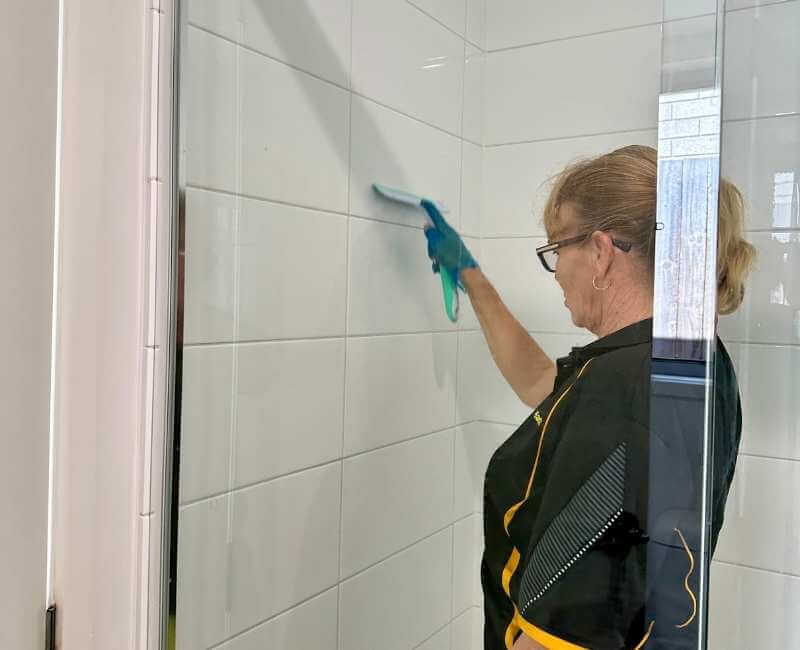
Credit: www.maid2match.com.au
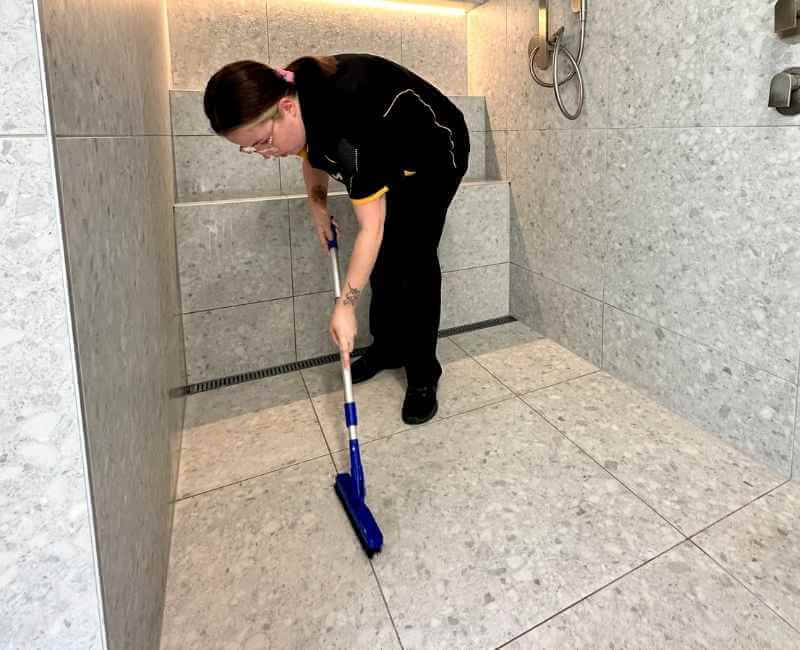
Credit: www.maid2match.com.au
Frequently Asked Questions
How Often Should I Clean Shower Tiles?
Cleaning shower tiles once a week prevents grime buildup. Frequent cleaning stops mold and mildew growth. Regular maintenance keeps tiles looking fresh and extends their lifespan.
What Is The Best Cleaner For Shower Tiles?
A mild detergent or vinegar solution works best. Avoid harsh chemicals that damage grout or tile. Test any cleaner on a small area before full use.
How Do I Remove Mold From Shower Tiles?
Use a mixture of bleach and water or vinegar. Apply it to the moldy areas, scrub gently, and rinse well. Ensure proper ventilation to prevent mold recurrence.
Can I Use Natural Products To Clean Shower Tiles?
Yes, natural products like baking soda and vinegar are effective. They clean without harsh chemicals and are eco-friendly. Mix them into a paste for tough stains.
Conclusion
Cleaning shower tiles does not need to be hard or time-consuming. Regular scrubbing keeps tiles bright and grout free from mold. Use gentle cleaners to protect tile surfaces and health. Small efforts each week prevent big cleaning jobs later. Clean tiles make your bathroom look fresh and inviting.
Try these tips to keep your shower sparkling clean. Simple steps lead to great results and a nicer home. Stay consistent, and enjoy the shine every day.