
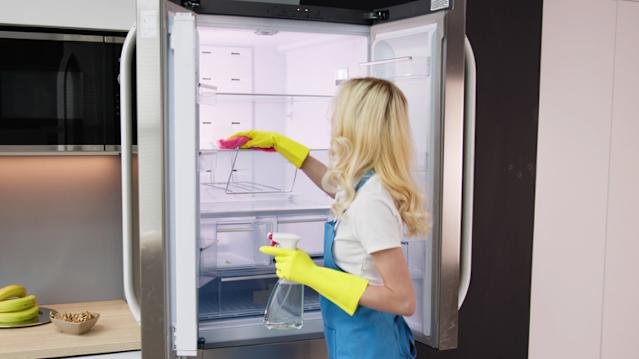
Is your refrigerator starting to look a little messy inside? Cleaning the interior might feel like a chore, but it’s one of the best ways to keep your food fresh and your kitchen healthy.
Imagine opening your fridge and instantly finding what you need—no spills, no odors, just clean shelves and clear containers. You’ll discover simple and effective tips that make cleaning your refrigerator quick and even enjoyable. Ready to transform your fridge into a spotless, organized space?
Keep reading, and you’ll learn how to do it step by step.
Essential Supplies For Refrigerator Cleaning
Keeping your refrigerator clean helps food stay fresh longer. Using the right supplies makes the job easier and more effective.
Gather these essential cleaning tools before you start. They will help you clean every corner and surface inside your fridge.
Cleaning Cloths And Sponges
Use soft cloths and sponges to wipe down shelves and walls. Avoid rough materials that can scratch surfaces.
Mild Cleaning Solutions
Mild cleaning solutions like diluted dish soap or vinegar work well. They clean without leaving harmful residues or strong smells.
- Mix warm water with a few drops of dish soap
- Use equal parts water and white vinegar for a natural cleaner
- Avoid bleach or harsh chemicals inside the fridge
Brushes And Scrapers
Small brushes help clean tight spots and crevices. Plastic scrapers remove stuck food without damaging surfaces.
Gloves And Trash Bags
Wear gloves to protect your hands from cold and cleaning solutions. Use trash bags to discard expired or spoiled food safely.
Essential Supplies Table
| Supply | Purpose | Tips |
|---|---|---|
| Soft Cloths | Wiping surfaces | Use microfiber for best results |
| Sponges | Cleaning shelves and walls | Choose non-abrasive sponges |
| Mild Cleaner | Removing stains and spills | Dilute dish soap or vinegar |
| Small Brushes | Cleaning corners and seals | Use toothbrush for tight spots |
| Plastic Scraper | Removing stuck food | Be gentle to avoid damage |
| Gloves | Hand protection | Wear during cleaning |
| Trash Bags | Disposing waste | Use sturdy bags to avoid spills |
Preparation Steps Before Cleaning
Cleaning the inside of your refrigerator keeps food fresh and safe. Before you start, get ready to clean properly.
Preparation helps you clean faster and avoid mess. Follow these steps to begin.
Unplugging And Emptying
First, unplug your refrigerator to save electricity and stay safe. This also stops the fridge from cooling during cleaning.
Next, remove all food and items from inside. Take out shelves and drawers if you can. This makes cleaning easier.
- Unplug the fridge from the power outlet
- Take out all food and drinks
- Remove shelves, drawers, and trays carefully
- Place perishable items in a cooler temporarily
Organizing Food Items
Sort your food before putting it back. Check expiration dates and throw away spoiled food. This keeps your fridge clean and safe.
Group similar items together. Use containers or bins to keep things neat. This helps you find food quickly after cleaning.
- Check each item for freshness
- Discard expired or spoiled food
- Group similar foods in containers
- Label containers if needed
- Keep frequently used items easy to reach
Natural Cleaning Solutions
Cleaning the inside of your refrigerator keeps it fresh and safe for food. Using natural solutions avoids harsh chemicals and strong smells.
Two common natural cleaners are vinegar with baking soda and lemon juice mixtures. These help remove stains and kill germs effectively.
Vinegar And Baking Soda
White vinegar and baking soda work well together to clean and deodorize your fridge. Vinegar acts as a disinfectant, while baking soda removes odors.
- Mix equal parts water and white vinegar in a spray bottle.
- Sprinkle baking soda on tough stains or spills inside the fridge.
- Spray the vinegar solution over the baking soda; it will fizz.
- Let it sit for 5 to 10 minutes to break down grime.
- Wipe clean with a damp cloth or sponge.
- Dry surfaces with a clean towel to prevent moisture.
Lemon Juice Mixtures
Lemon juice is a natural cleanser with antibacterial properties. It also leaves a fresh citrus scent inside your refrigerator.
| Ingredient | Amount | Purpose |
| Lemon juice | 2 tablespoons | Disinfect and freshen |
| Water | 1 cup | Dilute lemon juice |
| Olive oil | 1 teaspoon | Polish plastic surfaces |
Mix lemon juice and water in a spray bottle. Use this to wipe down fridge walls and shelves. Adding olive oil can help polish plastic parts gently.
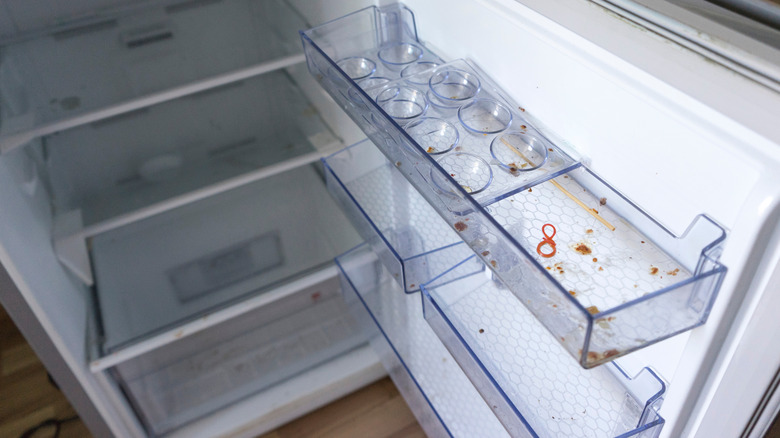
Credit: www.thetakeout.com
Step-by-step Cleaning Process
Cleaning your refrigerator keeps food fresh and safe. It also helps your fridge work better.
Follow these simple steps to clean the inside of your fridge thoroughly and easily.
Removing Shelves And Drawers
Start by unplugging the refrigerator for safety. Take out all shelves and drawers carefully.
Use warm water and mild soap to wash them. Rinse well and dry completely before putting them back.
- Unplug the fridge
- Remove shelves and drawers gently
- Wash with warm, soapy water
- Rinse and dry fully
Cleaning Interior Surfaces
Use a soft cloth or sponge with a mix of water and baking soda. This cleans and removes odors.
Wipe all walls, ceiling, and floor inside the fridge. Avoid harsh cleaners that can damage surfaces.
- Mix 2 tablespoons baking soda with 1 quart warm water
- Wipe interior with cloth or sponge
- Clean corners and edges carefully
- Dry surfaces with a clean towel
Wiping Down Door Seals
Door seals trap cold air and keep the fridge closed tight. Clean them to keep seals flexible.
Use a cloth dipped in warm soapy water. Wipe all around the seals, then dry them well.
- Check seals for cracks or damage
- Clean with warm, soapy cloth
- Rinse and dry thoroughly
- Ensure seals close properly after cleaning
Deodorizing Techniques
Keeping your refrigerator smelling fresh is important. Strong odors can mix with your food. Using natural deodorizing methods helps keep the fridge clean and odor-free.
Below are two effective ways to deodorize your refrigerator interior. Both methods are easy and safe to use.
Using Charcoal Or Baking Soda
Charcoal and baking soda absorb bad smells inside the fridge. They work by trapping odor molecules and keeping the air fresh.
- Place an open box of baking soda on a fridge shelf.
- Use activated charcoal in a small breathable bag.
- Replace baking soda every three months for best results.
- Change charcoal every month to keep it effective.
- Keep these items away from food to avoid contamination.
Essential Oil Blends
Essential oils add a fresh scent and fight odors naturally. You can create a simple diffuser or wipe using oils like lemon, lavender, or eucalyptus.
| Essential Oil | Benefit |
| Lemon | Fresh, clean scent that cuts grease |
| Lavender | Calming smell that reduces odors |
| Eucalyptus | Strong scent that kills bacteria |
Credit: ific.org
Reorganizing And Restocking
Cleaning your refrigerator’s interior is a great chance to reorganize your items. Proper restocking keeps food fresh longer.
Organizing helps you find what you need quickly and reduces food waste.
Efficient Storage Solutions
Use clear containers to store leftovers and small items. Label containers with dates to track freshness.
- Group similar items together, like dairy or vegetables.
- Keep raw meat on the bottom shelf to avoid drips.
- Use adjustable shelves to create space for tall bottles.
- Store fruits and vegetables in separate crispers.
Temperature Settings
Set your refrigerator to the right temperature to keep food safe. The ideal fridge temperature is between 35°F and 38°F.
| Food Type | Recommended Storage Temperature |
| Dairy Products | 36°F – 40°F |
| Meat and Poultry | 32°F – 36°F |
| Fruits and Vegetables | 35°F – 40°F |
| Leftovers | 36°F – 40°F |
Maintenance Tips For Long-term Freshness
Keeping your refrigerator clean helps food stay fresh longer. A tidy fridge stops odors and bacteria from growing.
Simple cleaning habits protect your food and save money by reducing waste.
Regular Cleaning Schedule
Set a weekly routine to clean your fridge interior. Remove old food and wipe shelves with mild soap and water.
- Empty the fridge completely before cleaning.
- Use a soft cloth to avoid scratches.
- Clean door seals to keep the cold air in.
- Dry all surfaces before placing food back.
- Check and clean the drip pan monthly.
Quick Spill Management
Clean spills immediately to prevent stains and smells. Use a clean cloth and mild detergent to wipe the affected area.
| Type of Spill | Cleaning Tip |
| Juice or liquid | Blot with paper towels, then wipe with soap and water. |
| Sticky substances | Use warm soapy water and a soft sponge to remove. |
| Mold or mildew spots | Apply a mix of vinegar and water, then rinse. |
| Strong odors | Wipe with a baking soda paste and rinse well. |

Credit: uk.jackery.com
Frequently Asked Questions
How Often Should I Clean My Refrigerator Interior?
Clean your refrigerator interior every 3 to 4 months. Regular cleaning prevents odors, mold, and bacteria buildup. Wipe spills immediately to keep surfaces hygienic and fresh.
What Cleaning Products Are Safe For Fridge Interiors?
Use mild soap, baking soda, or vinegar solutions. Avoid harsh chemicals that can damage surfaces or leave harmful residues. Always rinse and dry thoroughly after cleaning.
How Do I Remove Stubborn Stains Inside A Fridge?
Apply a paste of baking soda and water on stains. Let it sit for 10 minutes, then scrub gently with a soft cloth. Rinse and dry the area properly.
Can I Use Bleach To Clean My Refrigerator?
Bleach can be used but in very diluted form. Avoid strong bleach concentrations to prevent damage and toxic fumes. Always ventilate well and rinse surfaces after cleaning.
Conclusion
Cleaning your refrigerator interior keeps food fresh and safe. Regular cleaning stops bad smells and mold. Use gentle cleaners and soft cloths for best results. Remove old food and spills quickly to avoid stains. Keep your fridge organized for easy cleaning next time.
Small steps make a big difference in fridge care. Start a cleaning habit today for a healthier kitchen.