
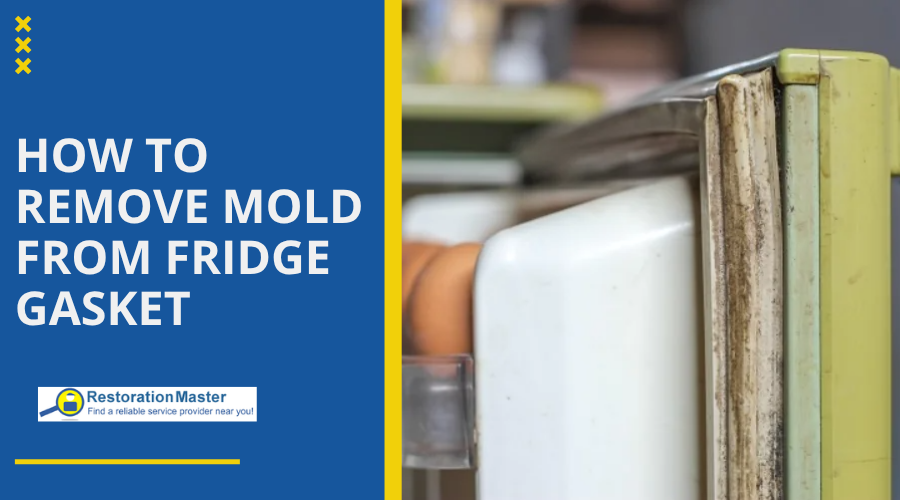
Your refrigerator gasket might seem like a small detail, but it plays a big role in keeping your food fresh and your energy bills low. If you’ve noticed your fridge isn’t cooling like it used to, or you see dirt and grime building up around the edges, it’s time to give that gasket some attention.
Cleaning it properly can save you money, improve your fridge’s performance, and even extend its lifespan. Stick with me, and I’ll share simple, effective tips that you can use right away to keep your refrigerator gasket in top shape. You’ll be surprised how easy it is to make a big difference!
Importance Of A Clean Refrigerator Gasket
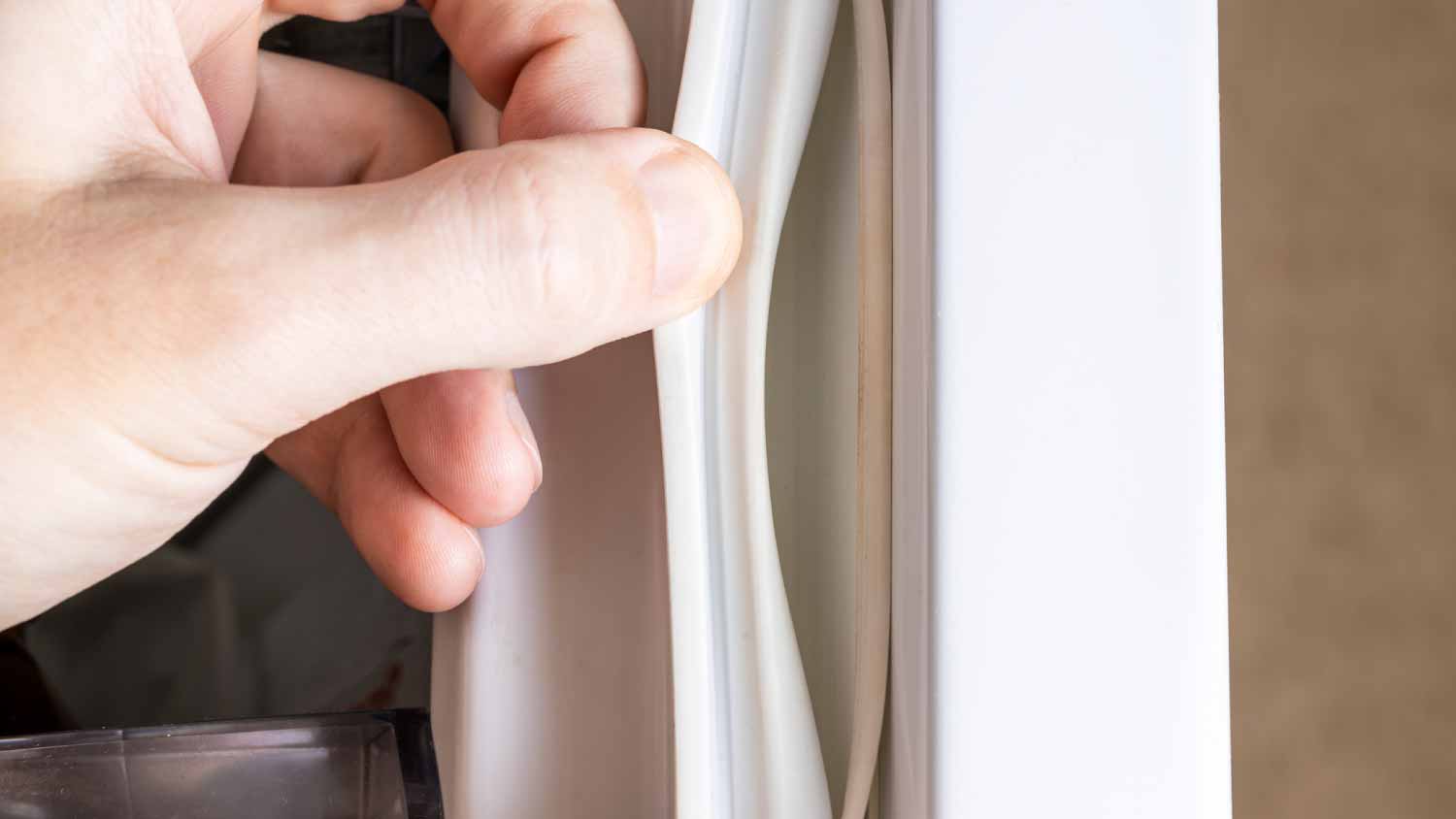
The refrigerator gasket is the rubber seal around the door. It keeps cold air inside and warm air out.
Cleaning the gasket helps your fridge work well and saves energy. It also stops bad smells and mold.
Prevents Energy Waste
A clean gasket seals the fridge tightly. This stops cold air from leaking out.
When the seal is dirty or damaged, the fridge works harder. It uses more electricity and raises bills.
Stops Mold And Bacteria Growth
Food crumbs and moisture get trapped in the gasket. This creates a good place for mold and bacteria.
Cleaning the gasket regularly keeps it dry and fresh. This protects your food and family health.
Extends Refrigerator Life
A clean gasket stays flexible and strong. It prevents damage to the door and fridge parts.
Replacing a damaged gasket can be costly. Cleaning helps avoid early repairs or replacement.
Maintains Proper Food Storage
A good seal keeps the fridge temperature steady. This stops food from spoiling too fast.
Dirty gaskets can let warm air in. This makes food unsafe and wastes groceries.
Credit: www.angi.com
Gathering Cleaning Supplies
Cleaning your refrigerator gasket keeps it fresh and working well. It stops dirt and mold from building up. Using the right supplies makes cleaning easy and safe.
Before you start, gather all needed items. This helps you clean without stopping to find things.
Cleaning Cloths And Brushes
Soft cloths are best for wiping the gasket without causing damage. Small brushes help clean tight corners and grooves.
- Microfiber cloths
- Old toothbrush
- Soft-bristled brush
- Paper towels
Cleaning Solutions
Choose gentle cleaners to avoid harming the gasket rubber. Natural options work well and are safe for your fridge.
| Cleaning Solution | Use |
| Warm water and mild dish soap | Daily cleaning |
| White vinegar diluted with water | Mold and mildew removal |
| Baking soda paste | Stain removal |
Protective Gloves
Wearing gloves protects your hands from cleaning agents. It also keeps your hands clean from dirt and mold on the gasket.
Choose gloves made of:
- Latex
- Nitrile
- Rubber
Natural Cleaning Solutions
Keeping your refrigerator gasket clean helps it last longer. Natural cleaning solutions are safe and effective. They remove dirt and mold without harsh chemicals.
Using common household ingredients saves money and protects the environment. Try these easy natural cleaners to keep your gasket fresh.
Vinegar And Water Mixture
Vinegar is a natural disinfectant. Mix equal parts white vinegar and water in a spray bottle. Spray the solution on the gasket and let it sit for a few minutes.
Wipe the gasket with a clean cloth or sponge. This mixture removes mold, mildew, and sticky residue. It also helps prevent bad odors.
- Mix 1 cup white vinegar with 1 cup water
- Spray on gasket and wait 5 minutes
- Wipe clean with a soft cloth
- Dry the gasket to stop moisture buildup
Baking Soda Paste
Baking soda acts as a gentle scrub. Make a paste with baking soda and water. Apply the paste to the gasket using a toothbrush or cloth.
Scrub gently to remove grime and stains. Rinse with a damp cloth and dry the gasket well. Baking soda also neutralizes odors effectively.
- Mix 3 tablespoons baking soda with 1 tablespoon water
- Apply paste to gasket with a brush or cloth
- Scrub softly to clean dirt and mold
- Wipe off with a damp cloth
- Dry gasket completely to avoid mold growth
Step-by-step Cleaning Process
Cleaning your refrigerator gasket helps keep your fridge fresh and working well. Dirt and mold can build up in the gasket, causing bad smells and leaks.
Follow these simple steps to clean your refrigerator gasket safely and effectively.
Removing Debris And Dirt
First, open the fridge door and check the gasket for loose dirt and crumbs. Use a soft cloth or brush to remove any visible debris.
Be gentle so you do not damage the rubber gasket. Cleaning this dirt helps the next steps work better.
- Use a soft cloth or old toothbrush
- Brush gently along the gasket folds
- Remove crumbs, dust, and other dirt
Applying Cleaning Solution
Mix a mild cleaning solution with warm water and a few drops of dish soap. Avoid harsh chemicals that can harm the rubber.
Dip a soft cloth or sponge into the solution and wipe the gasket carefully. Focus on areas with stains or mold.
- Use warm water and mild dish soap
- Wipe all sides of the gasket
- Apply more solution on tough spots
Rinsing And Drying
After cleaning, rinse the gasket with a cloth dipped in clean water. This removes soap and residue that can cause damage.
Dry the gasket well using a soft towel. Keeping it dry helps prevent mold and keeps the gasket flexible.
- Use a clean, damp cloth to rinse
- Dry thoroughly with a soft towel
- Leave the fridge door open for a few minutes
Preventing Mold And Mildew
Mold and mildew grow easily in refrigerator gaskets. These soft seals stay damp and dark. This makes them perfect for mold to grow.
Cleaning the gasket often stops mold and mildew. It keeps your fridge fresh and safe for food.
Regular Cleaning Routine
Clean the gasket every one or two weeks. Use warm water and mild soap. Avoid harsh chemicals that can damage the rubber.
Dry the gasket well after cleaning. Moisture left on the gasket helps mold grow.
- Mix warm water with a little dish soap
- Use a soft cloth or toothbrush to clean
- Wipe the gasket carefully, inside and out
- Rinse with clean water
- Dry fully with a clean towel
Ensuring Proper Seal
Check the gasket’s seal often. A bad seal lets warm air in. This creates moisture and mold growth.
Fix small tears or cracks fast. Replace the gasket if it is badly damaged. A tight seal keeps your fridge clean and mold-free.
- Close the fridge door on a piece of paper
- Try to pull the paper out gently
- If paper slides out easily, the seal is weak
- Clean the gasket again and check for damage
- Replace gasket if seal cannot be fixed
Credit: www.housedigest.com
Checking For Damage
Cleaning your refrigerator gasket is important to keep food fresh. Checking the gasket for damage helps your fridge seal properly.
Damaged gaskets can cause cold air to escape. This makes your fridge work harder and wastes energy.
Inspecting For Cracks
Look closely at the gasket for any cracks or tears. Cracks let air in and reduce cooling efficiency.
Check all around the gasket, especially in corners and folds. Use a flashlight if needed to see small cracks.
- Open the fridge door fully to see the gasket clearly
- Feel the gasket for any rough or brittle spots
- Use a damp cloth to clean dirt that hides cracks
Replacing Worn Seals
If the gasket is worn out, replace it to keep your fridge airtight. Worn seals cause the fridge to use more energy.
Buy a gasket that fits your fridge model. Remove the old gasket carefully and install the new one by pressing it into place.
- Turn off the fridge before replacing the gasket
- Remove the old gasket by pulling it gently
- Align the new gasket with the door frame
- Press the new gasket firmly into the groove
- Check that the door closes tightly without gaps
Maintaining A Clean Gasket
The refrigerator gasket keeps cold air inside and warm air out. Dirt and spills can damage it. Cleaning the gasket helps your fridge work better.
Regular care extends the gasket’s life and stops bad smells. Use gentle cleaning methods to avoid damage.
Monthly Maintenance Tips
Clean the gasket once a month to keep it in good shape. Use warm water and mild soap. Avoid harsh chemicals that can wear the rubber.
- Wipe the gasket with a soft cloth dipped in soapy water.
- Dry the gasket completely to prevent mold growth.
- Check for crumbs or sticky spots and remove them.
- Use a toothbrush to clean deep grooves gently.
- Apply a thin layer of petroleum jelly to keep the gasket flexible.
Signs Of Gasket Wear
Watch for cracks, tears, or hard spots. These signs mean the gasket may not seal well. A poor seal wastes energy and raises your bills.
| Sign | What It Means | Action |
| Cracks or tears | Air leaks in fridge | Replace gasket |
| Hard or brittle areas | Gasket losing flexibility | Apply petroleum jelly or consider replacement |
| Loose fit | Seal not tight | Check hinge alignment or replace gasket |
| Mold or mildew | Unclean gasket | Clean with mild detergent and dry well |

Credit: restorationmasterfinder.com
Frequently Asked Questions
How Often Should I Clean Refrigerator Gaskets?
Clean refrigerator gaskets every three months to prevent mold and dirt buildup. Regular cleaning keeps seals tight and energy efficient. Wiping gaskets monthly with a damp cloth can extend their lifespan and improve fridge performance.
What Is The Best Cleaner For Refrigerator Gaskets?
Use a mild soap solution or a mixture of water and vinegar to clean gaskets. Avoid harsh chemicals that can damage rubber. These gentle cleaners effectively remove dirt and mold without harming the gasket material.
Can I Use Bleach To Clean Refrigerator Gaskets?
Avoid using bleach on refrigerator gaskets as it can degrade rubber. Instead, use vinegar or mild soap for safe cleaning. These alternatives kill mold and bacteria without causing damage.
How Do I Prevent Mold On Refrigerator Gaskets?
Keep gaskets dry and clean to prevent mold growth. Regularly wipe them with a vinegar solution and ensure proper fridge temperature. Avoid leaving food spills on the gasket area to reduce mold risk.
Conclusion
Cleaning your refrigerator gasket keeps your fridge working well. Dirt and mold can cause leaks and waste energy. Regular cleaning helps stop bad smells and keeps food fresh. Use gentle soap and a soft cloth for best results. Check the gasket often to catch problems early.
Small efforts now save bigger troubles later. A clean gasket means a cleaner, healthier kitchen. Simple steps make a big difference. Keep your fridge fresh and running smoothly every day.