
Keeping your pet’s area clean isn’t just about making your home look nice—it’s about creating a healthy space for your furry friend and everyone around. You might think cleaning pet areas is a hassle, but with the right tips, it can become quick and even satisfying.
Imagine a fresh-smelling corner where your pet loves to hang out, free from odors and mess. In this post, you’ll discover simple, practical steps that make cleaning easier and more effective. Ready to transform your pet’s space into a clean, comfortable haven?
Let’s dive in!
Credit: paradepets.com
Choosing Pet-safe Cleaning Products
Cleaning pet areas keeps your home fresh and safe. Using the right products protects your pets from harmful chemicals.
Not all cleaners are safe for animals. Learn how to pick pet-friendly options for a healthier space.
Look For Non-toxic Ingredients
Choose cleaners that do not contain ammonia, bleach, or phenols. These can cause breathing problems and skin irritation in pets.
Use Natural And Plant-based Products
Natural cleaners are often safer for pets. Ingredients like vinegar, baking soda, and lemon are good options.
- Vinegar helps remove odors and stains.
- Baking soda works as a gentle scrub and deodorizer.
- Lemon oil provides a fresh scent and cleans surfaces.
Check Labels For Pet Safety
Read product labels carefully. Look for “pet-safe” or “non-toxic” marks. Avoid cleaners with warnings about pets.
Store Cleaning Products Safely
| Storage Tip | Reason |
| Keep products out of reach | Prevents accidental ingestion |
| Seal containers tightly | Avoids spills and fumes |
| Store in a cool, dry place | Maintains product safety and effectiveness |
Test Products In Small Areas
Try cleaning a small spot first. Watch your pet for any signs of irritation or discomfort.
Warning:If your pet shows coughing, sneezing, or itching, stop using the product immediately.
Credit: medium.com
Managing Pet Hair
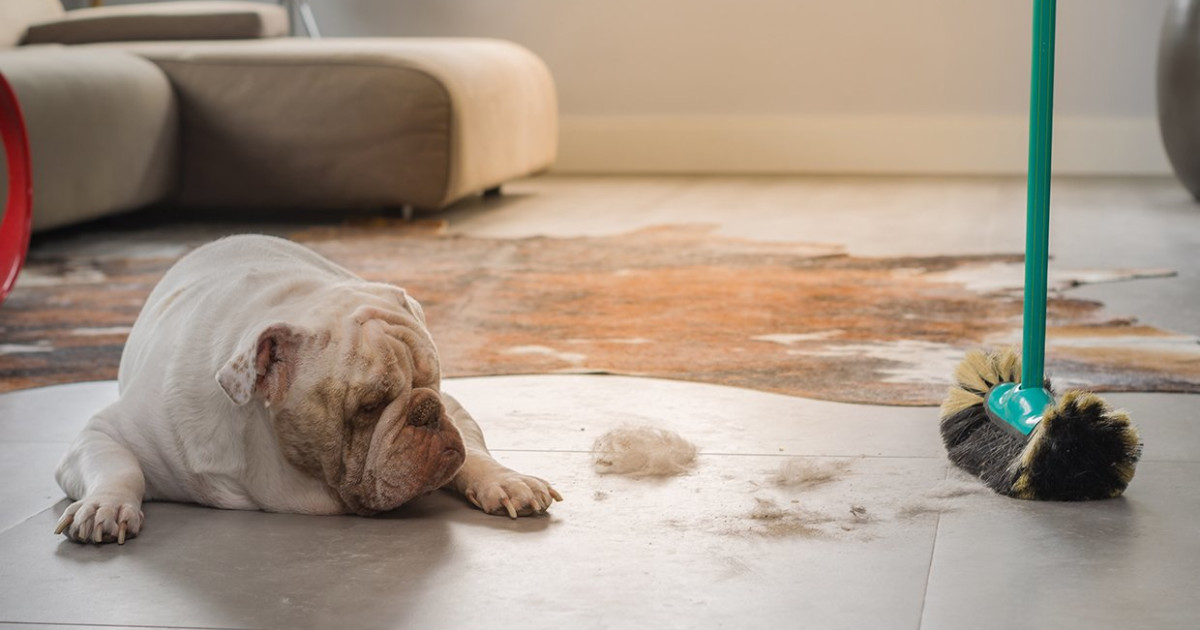
Pet hair can spread everywhere in your home. It needs regular cleaning to keep your space tidy.
Managing pet hair helps reduce allergens and keeps floors and furniture clean.
Effective Tools For Hair Removal
Using the right tools makes removing pet hair easier. Some tools work better on certain surfaces.
Vacuum cleaners with pet hair attachments help clean carpets and furniture well.
- Rubber gloves can pull hair off fabric when dampened
- Lint rollers quickly pick up hair from clothes and upholstery
- Sticky tape works for small patches of hair
- Special pet hair brushes loosen hair from carpets and rugs
Reducing Shedding With Grooming
Regular grooming reduces how much hair your pet sheds. It keeps hair from spreading around.
Brushing your pet daily helps remove loose hair before it falls off in your home.
- Use brushes made for your pet’s fur type
- Bath your pet regularly to remove dead hair
- Trim long fur to reduce shedding
- Feed your pet a healthy diet to improve coat health
Dealing With Pet Odors
Pet odors can make your home less fresh. Cleaning pet areas often helps reduce smells.
Using natural methods and tools keeps your space smelling clean without harsh chemicals.
Natural Deodorizing Solutions
Natural products can neutralize pet odors safely. They keep the air fresh and healthy.
- Baking soda: Sprinkle on carpets and pet beds, then vacuum after 15 minutes.
- White vinegar: Mix with water and spray on hard floors to remove smells.
- Lemon juice: Use diluted lemon juice to wipe surfaces for a fresh scent.
- Activated charcoal: Place bags near pet areas to absorb odors naturally.
- Essential oils: Use pet-safe oils like lavender in diffusers to freshen rooms.
Using Air Purifiers
Air purifiers remove particles that cause pet odors. They improve indoor air quality.
| Type | Best Use | Notes |
| HEPA filter | Traps pet dander and dust | Needs regular filter changes |
| Activated carbon | Absorbs odor molecules | Works well with HEPA filters |
| UV purifier | Kills airborne bacteria | Use with other filters |
Cleaning Pet Bedding And Furniture
Keeping pet bedding and furniture clean helps your home stay fresh. Dirt, hair, and odors can build up quickly.
Regular cleaning protects your pet’s health and keeps their spaces comfortable.
Washing Techniques For Pet Beds
Wash pet beds often to remove dirt and smells. Check the care label before washing. Use pet-safe detergents to avoid skin irritation.
- Remove loose hair with a vacuum or lint roller.
- Use warm water for washing to kill germs.
- Air dry beds to prevent shrinkage and damage.
- Spot clean stains quickly to avoid set-in marks.
- Use a gentle cycle to protect bed fabrics.
Protecting Furniture From Pet Damage
Pets can scratch or stain furniture. Use covers to guard sofas and chairs. Regularly trim your pet’s nails to reduce damage.
| Method | Description | Benefit |
| Slipcovers | Washable fabric covers for sofas and chairs | Easy to clean and replace |
| Scratch Guards | Plastic or fabric guards for furniture edges | Protects from claw marks |
| Pet Nail Trimming | Regular clipping of nails | Reduces scratching damage |
| Furniture Spray | Safe sprays that discourage chewing | Prevents chewing and biting |
Maintaining Litter Boxes
Keeping your pet’s litter box clean is important for their health. A clean litter box also helps keep your home fresh.
Proper care of the litter box can reduce odors and prevent accidents outside the box. Let’s look at some tips.
Choosing The Right Litter
Selecting the right litter makes cleaning easier. Some litters control odor better than others.
- Clumping litter helps remove waste quickly.
- Non-clumping litter may need full changes more often.
- Unscented litter is gentler for sensitive pets.
- Biodegradable litter is better for the environment.
Regular Cleaning Schedule
Keeping a cleaning schedule helps maintain hygiene. It keeps your pet happy and your house clean.
| Task | Frequency |
| Scoop out waste | Daily |
| Change litter completely | Once a week |
| Wash the litter box | Every two weeks |

Credit: www.absolutesolutions.com.sg
Cleaning Pet Toys And Accessories
Keeping pet toys and accessories clean helps protect your pet’s health. Dirt and germs can build up quickly on these items.
Regular cleaning reduces the risk of infections and keeps your pet happy. Use safe methods to clean and organize their belongings.
Disinfecting Toys Safely
Use pet-safe disinfectants or natural cleaners to clean toys. Avoid harsh chemicals that can harm your pet.
- Wash toys with warm, soapy water.
- Rinse thoroughly to remove soap residue.
- Disinfect with a mixture of water and white vinegar.
- Let toys air dry completely before use.
- Check for damage and replace worn toys.
Organizing Accessories
Organize accessories to keep the pet area clean and tidy. A good system saves time and prevents loss.
| Accessory | Storage Tip | Cleaning Frequency |
| Collars and Leashes | Hang on hooks near the door | Clean monthly |
| Bowls | Store in a cabinet or shelf | Wash daily |
| Brushes and Combs | Keep in a small container | Clean weekly |
| Beds and Blankets | Place in a laundry basket | Wash every two weeks |
Tackling Stains And Accidents
Pets can leave stains and accidents in their living spaces. Cleaning these quickly helps keep your home fresh and healthy.
Using the right methods stops stains from setting and removes odors effectively. Learn how to clean pet areas with simple steps.
Spot Cleaning Techniques
Act fast to clean stains. Blot the area with a clean cloth. Avoid rubbing as it spreads the stain.
- Use cold water to dampen the stain before blotting.
- Try a pet-safe enzymatic cleaner to break down stains and odors.
- For carpet stains, sprinkle baking soda, let it sit, then vacuum.
- Use white vinegar mixed with water for tough stains on hard floors.
Preventing Future Incidents
Prevent stains by training your pet and keeping their area clean. Use barriers or mats to protect floors.
| Prevention Tip | How It Helps |
| Regular potty breaks | Reduces accidents indoors |
| Use washable mats | Protects floors from mess |
| Keep cleaning supplies handy | Encourages quick cleanup |
| Train pets with positive rewards | Teaches good habits |
Creating A Cleaning Routine
Keeping your pet’s area clean helps keep your home healthy. A regular routine stops dirt and germs from building up. This guide shows simple tasks to keep pet spaces fresh.
Follow daily and weekly steps to make cleaning easy. Consistency is key to a safe and comfortable place for your pet.
Daily Tasks For Pet Owners
Small daily actions keep your pet’s area tidy. These quick tasks reduce smells and messes.
- Wipe food and water bowls after use
- Pick up pet hair from floors and furniture
- Clean litter boxes or cages as needed
- Check and remove any pet waste in the yard
- Wash pet bedding spots that look dirty
Weekly Deep Cleaning Plan
Once a week, do a deeper clean for your pet’s space. This helps stop germs and keeps things fresh longer.
| Task | How to Do It |
|---|---|
| Wash pet bedding | Use hot water and pet-safe detergent |
| Clean food and water bowls | Use warm soapy water and rinse well |
| Vacuum or mop floors | Remove hair and dirt thoroughly |
| Sanitize toys and accessories | Wipe with pet-safe disinfectant |
| Scrub litter boxes or cages | Use mild soap and rinse fully |
Frequently Asked Questions
How Often Should I Clean My Pet’s Living Area?
Clean your pet’s living area at least once a week. Regular cleaning prevents odors and bacteria buildup. Spot clean daily to remove dirt and pet hair. This routine keeps your pet healthy and your home fresh.
What Cleaning Products Are Safe For Pet Areas?
Use pet-safe, non-toxic cleaning products. Avoid bleach and ammonia, which can harm pets. Natural cleaners like vinegar and baking soda work well. Always rinse surfaces thoroughly to remove residues. Choose products labeled as pet-friendly for safety.
How Can I Remove Pet Odors Effectively?
Use enzymatic cleaners designed for pet odors. These break down odor-causing molecules completely. Regular vacuuming and washing pet bedding also help. Open windows for ventilation to reduce smells. Avoid masking odors with strong fragrances.
What Is The Best Way To Clean Pet Bedding?
Wash pet bedding weekly in hot water. Use mild, pet-safe detergent to avoid skin irritation. Dry bedding completely to prevent mold and mildew. Replace bedding if it becomes worn or heavily soiled. Clean bedding keeps pets comfortable and healthy.
Conclusion
Keeping pet areas clean helps your home stay fresh and safe. Regular cleaning stops bad smells and keeps pets healthy. Use simple tools and pet-friendly cleaners for best results. Small daily efforts make a big difference over time. A clean space means happy pets and happy owners.
Try these tips to keep your pet’s area neat and tidy. Clean pet areas often for a comfortable home everyone enjoys.