
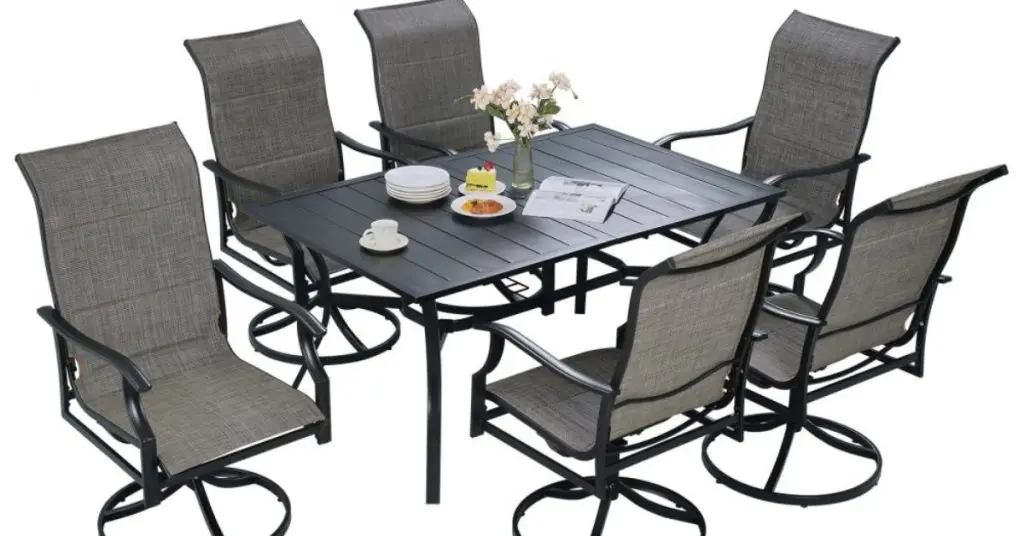
Your patio furniture is where you relax, entertain, and enjoy the outdoors. But over time, dirt, dust, and weather can make it look tired and worn out.
You might be wondering how to bring back that fresh, clean feel without spending hours scrubbing. The good news is, with a few simple tips, you can easily restore your furniture’s shine and comfort. Keep reading, and you’ll discover easy, effective ways to clean your patio furniture so it looks great and lasts longer.
Types Of Patio Furniture
Patio furniture comes in many materials. Each type needs different care to stay clean and last long.
Knowing the furniture material helps you choose the right cleaning method. This guide explains care tips for wood, metal, plastic, and wicker furniture.
Wood Furniture
Wood patio furniture looks natural and strong. It can last many years if you clean and protect it well.
- Use a soft brush to remove dirt and dust.
- Wash with mild soap and water, then dry with a cloth.
- Apply wood oil or sealant to protect from moisture.
- Avoid leaving wood furniture in direct rain for long time.
Metal Furniture
Metal furniture is strong and modern. It can rust if not cleaned and cared for properly.
| Metal Type | Cleaning Tip | Care Advice |
| Aluminum | Wash with soapy water | Rinse and dry well |
| Wrought Iron | Use wire brush to remove rust | Apply rust-resistant paint |
| Steel | Clean with mild detergent | Protect with sealant |
Plastic Furniture
Plastic furniture is light and easy to move. It cleans quickly and does not rust or rot.
Use a sponge with warm soapy water to clean plastic. Avoid harsh chemicals that can damage the surface.
Wicker Furniture
Wicker furniture has a woven look. It can be made from natural or synthetic fibers.
Here are tips for cleaning wicker furniture:
- Dust with a soft brush or vacuum gently.
- Use a damp cloth with mild soap to wipe down.
- Dry quickly to avoid mold or mildew.
- For natural wicker, avoid too much water.

Credit: serwalloutdoor.com
Essential Cleaning Supplies
Cleaning patio furniture keeps it looking fresh and extends its life. Using the right supplies makes cleaning easier and more effective.
Different materials need different cleaning products. This guide covers natural solutions, commercial cleaners, and helpful tools.
Natural Cleaning Solutions
Natural cleaners are safe and gentle on furniture. They use simple ingredients found at home.
These solutions work well on wood, metal, and plastic surfaces without harsh chemicals.
- Mix warm water with mild dish soap for general cleaning
- Use vinegar and water to remove mildew and stains
- Baking soda paste helps scrub tough spots
- Lemon juice brightens and freshens surfaces
Commercial Cleaners
Commercial cleaners are made for specific patio furniture materials. They remove dirt and protect surfaces.
Read labels to pick a cleaner that fits your furniture type like wood, metal, or fabric.
- Wood cleaner for wooden chairs and tables
- Metal polish for aluminum or wrought iron pieces
- Fabric cleaner for cushions and umbrellas
- Mildew remover for plastic or resin furniture
Tools And Accessories
The right tools help clean patio furniture well without damage. Use soft and sturdy items.
Choose brushes, cloths, and sponges that match your furniture’s surface.
- Soft-bristle brush for delicate surfaces
- Scrub brush for stubborn dirt
- Microfiber cloths for wiping and drying
- Spray bottles to apply cleaning solutions
- Bucket for mixing water and cleaners
Cleaning Techniques For Wood
Wood patio furniture adds charm to any outdoor space. Keeping it clean helps preserve its beauty and strength.
Use simple methods and gentle products to avoid damage. Regular care will extend the life of your wood furniture.
Gentle Washing Methods
Clean wood furniture with mild soap and water. Avoid strong chemicals that can harm the wood.
- Mix a few drops of mild dish soap in a bucket of warm water.
- Use a soft cloth or sponge to wash the surface gently.
- Rinse with clean water to remove soap residue.
- Dry the furniture with a towel to prevent water spots.
Protective Finishes
Apply protective finishes to shield wood from weather damage. These finishes keep wood looking fresh and prevent cracking.
| Finish Type | Benefits | Application |
|---|---|---|
| Oil-based varnish | Water-resistant, adds shine | Use brush, allow drying for 24 hours |
| Wax | Protects surface, easy to reapply | Rub on with cloth, buff after drying |
| Exterior wood sealer | Blocks moisture, prevents mildew | Spray or brush on, reapply yearly |
Seasonal Maintenance
Check your wood furniture each season. Clean and treat it to keep it strong and attractive.
- Inspect for cracks or splinters and sand smooth.
- Remove dirt and debris with a soft brush.
- Reapply protective finish if the surface looks dull.
- Store furniture indoors or cover during harsh weather.
Metal Furniture Care
Metal patio furniture can last many years with proper care. Cleaning and maintenance keep it looking good and strong.
Regular care prevents damage like rust and corrosion. Use simple cleaning tips to protect your metal furniture.
Rust Removal Tips
Rust can damage metal furniture if left untreated. Remove rust spots quickly to avoid spreading.
Use a wire brush or sandpaper to scrub rust areas gently. Clean off dust before applying treatments.
- Apply white vinegar or lemon juice to rust spots
- Let it sit for 10-15 minutes
- Scrub again with a brush or cloth
- Rinse with water and dry thoroughly
Polishing Techniques
Polishing metal furniture restores shine and adds a protective layer. Use polish made for metal surfaces.
Apply polish with a soft cloth in small circles. Wipe off excess polish to avoid buildup.
- Choose polish suitable for your metal type
- Use microfiber cloths for application
- Polish furniture once every few months
- Keep furniture clean before polishing
Preventing Corrosion
Corrosion weakens metal and ruins furniture. Keep furniture dry and clean to prevent damage.
Cover furniture during rain or snow. Store indoors or use waterproof covers in bad weather.
- Apply clear sealant or rust-resistant paint
- Check furniture regularly for scratches or chips
- Fix damaged areas quickly to stop corrosion
- Store cushions separately to avoid moisture buildup
Maintaining Plastic Furniture
Plastic furniture is popular for patios because it is light and easy to move. It needs regular care to stay clean and last longer.
Simple cleaning and smart storage help keep plastic chairs and tables looking good all year.
Stain Removal
Plastic furniture can get stains from food, dirt, or leaves. Clean stains quickly to avoid damage.
Use mild soap and water with a soft brush or cloth. Avoid harsh scrubbing that can scratch the surface.
- Mix warm water and dish soap
- Apply with a soft cloth or sponge
- Rinse with clean water
- Dry with a soft towel
Avoiding Discoloration
Sunlight and weather can fade plastic furniture colors. Protect your furniture to keep colors bright.
Use covers or place furniture in shaded areas when not in use. Clean regularly to remove dirt that can dull colors.
- Use UV-resistant covers
- Keep furniture under shade or awnings
- Wash off dirt and dust often
- Avoid strong chemicals that harm color
Storage Suggestions
Store plastic furniture properly during winter or long breaks to avoid cracks and dirt build-up.
Keep furniture in a dry, covered place. Stack chairs carefully to save space and prevent damage.
- Clean furniture before storage
- Store indoors or use waterproof covers
- Avoid stacking heavy items on top
- Check for damage before storing
Wicker Furniture Cleaning
Wicker furniture adds charm to any patio. Keeping it clean helps it last longer and look fresh. Regular care prevents dirt and damage.
This guide covers easy ways to clean wicker furniture. Follow these tips to keep your outdoor space inviting.
Dusting And Vacuuming
Remove loose dirt and dust from wicker regularly. Use soft tools that won’t harm the fibers.
- Use a soft brush or cloth to dust off surfaces.
- Vacuum with a brush attachment to reach crevices.
- Clean under cushions and inside corners.
- Do this weekly to prevent buildup.
Deep Cleaning Methods
For thorough cleaning, use mild soap and water. Avoid harsh chemicals that damage wicker.
- Mix warm water with a small amount of dish soap.
- Dip a soft cloth or sponge into the soapy water.
- Gently wipe all wicker surfaces, focusing on dirty spots.
- Use a soft brush to clean tight areas and grooves.
- Rinse with clean water using a damp cloth.
- Let furniture dry completely in the sun before use.
Protective Coatings
Protect your wicker furniture with coatings. This helps keep it safe from weather and wear.
| Type of Coating | Purpose | How to Apply |
| Clear Varnish | Protects from moisture and sun damage | Brush on thin layers, allow to dry fully |
| Furniture Wax | Prevents dirt buildup and adds shine | Rub wax gently, then buff with cloth |
| Outdoor Sealant | Increases durability for outdoor use | Spray evenly, follow product instructions |
Cushion And Fabric Care
Cleaning patio cushions and fabrics keeps them fresh and lasts longer. Dirt and stains can damage the material if not treated quickly.
Use gentle methods to protect the fabric and keep colors bright. Regular care helps avoid deep stains and fabric wear.
Spot Cleaning Tips
Spot cleaning removes stains without soaking the whole cushion. Blot spills with a clean cloth to absorb liquids fast.
- Use mild soap mixed with water for stains.
- Test cleaning solution on a small hidden area first.
- Gently scrub with a soft brush or cloth.
- Rinse with clean water and blot dry.
- Avoid harsh chemicals that may damage fabric fibers.
Machine Washing Advice
Some cushion covers can be washed in a machine. Always check the label for washing instructions.
| Washing Step | Advice |
| Remove Covers | Take off cushion covers carefully before washing. |
| Use Cold Water | Wash with cold water to prevent shrinking and fading. |
| Mild Detergent | Choose a gentle detergent made for delicate fabrics. |
| Gentle Cycle | Use the gentle or delicate cycle on your machine. |
| Do Not Bleach | Avoid bleach to keep colors bright and fabric strong. |
Drying Techniques
Drying cushions and fabrics properly stops mold and odors. Avoid direct sun which can fade colors.
- Air dry covers flat on a clean surface.
- Do not use a dryer unless label says safe.
- Flip cushions to dry both sides evenly.
- Store cushions in a dry place after drying fully.
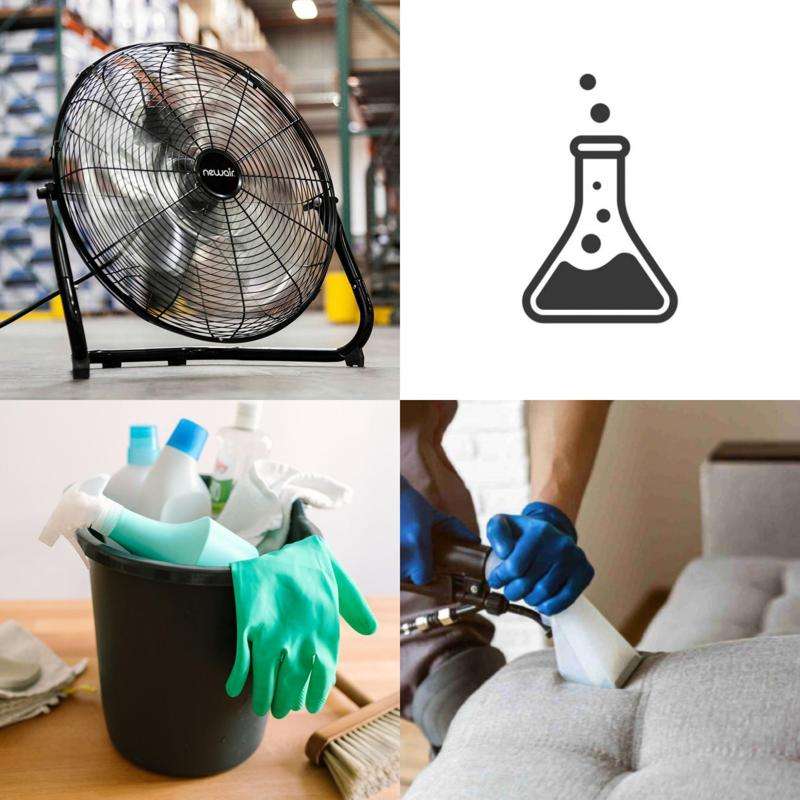
Credit: atc-craft.com
Protecting Your Patio Furniture
Patio furniture faces sun, rain, and dirt every day. Taking care of it helps keep it looking good longer. Protecting your furniture saves money and effort in the long run.
Simple steps like covering, weatherproofing, and checking for damage can make a big difference. Let’s look at easy ways to keep your patio furniture safe.
Using Covers
Using covers protects furniture from dust, rain, and sun. Choose covers that fit well and are made from water-resistant material. Covers help prevent fading and rust.
- Buy covers that match your furniture size
- Remove covers on sunny days to avoid moisture buildup
- Clean covers regularly to prevent mold and mildew
- Secure covers tightly to stop wind from blowing them away
Weatherproofing
Weatherproofing adds a layer of protection against rain and sun damage. Use sealants or sprays designed for outdoor furniture materials like wood, metal, or plastic.
| Material | Weatherproofing Method | Frequency |
| Wood | Apply waterproof sealant | Once a year |
| Metal | Use rust-resistant paint | Every 2 years |
| Plastic | Use UV protectant spray | Every 6 months |
Regular Inspections
Check your furniture often for signs of wear or damage. Early repair stops small problems from getting worse. Look for loose screws, cracks, or fading.
- Inspect joints and screws monthly
- Look for rust spots or chipped paint
- Check fabric for tears or stains
- Clean dirt and debris regularly
Eco-friendly Cleaning Options
Cleaning patio furniture can be done without harming the environment. Using eco-friendly methods helps keep your outdoor space and planet clean.
These tips focus on natural and sustainable ways to clean your furniture safely and effectively.
Homemade Solutions
Make your own cleaning mixtures using items found in your kitchen. These solutions avoid harsh chemicals and work well on most patio furniture.
- Mix equal parts white vinegar and water for a gentle cleaner.
- Use baking soda paste to scrub tough stains without scratching.
- Combine lemon juice and olive oil to polish wooden furniture naturally.
- Make a mild soap solution with liquid castile soap and warm water.
Biodegradable Products
Choose cleaning products that break down naturally. These products reduce pollution and protect wildlife in your garden.
| Product Type | Benefits |
| Plant-based soaps | Safe for plants and animals |
| Natural scrubbing powders | Non-toxic and effective |
| Eco-friendly sprays | Biodegradable and non-irritating |
Sustainable Practices
Use habits that reduce waste and save water when cleaning furniture. These small changes help protect the environment.
- Clean furniture with a bucket instead of running water.
- Reuse old cloths or towels for wiping surfaces.
- Dry furniture in the sun to avoid using electric dryers.
- Store furniture properly to reduce the need for harsh cleaning.
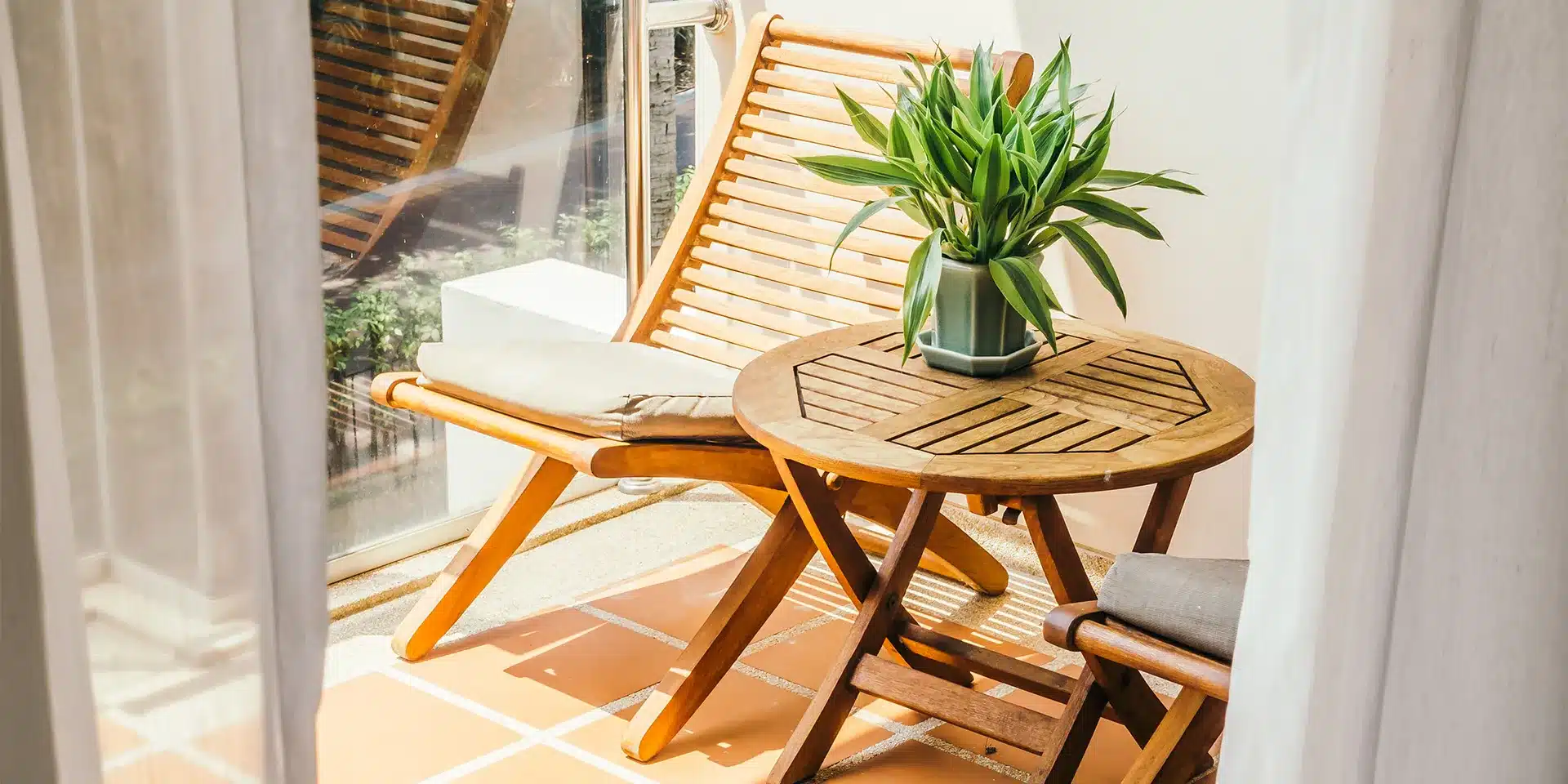
Credit: serwalloutdoor.com
Frequently Asked Questions
How Often Should I Clean Patio Furniture?
Clean patio furniture every few weeks during use. Frequent cleaning prevents dirt buildup and extends furniture life. Regular maintenance keeps it looking fresh and inviting.
What Is The Best Cleaner For Patio Furniture?
Use mild soap and warm water for most patio furniture. Avoid harsh chemicals that can damage surfaces. Test cleaners on a small area first to ensure safety.
How Do I Remove Mold From Patio Furniture?
Mix equal parts water and white vinegar. Apply to moldy areas and scrub gently with a brush. Rinse thoroughly and dry completely to prevent mold return.
Can I Pressure Wash Patio Furniture?
Yes, but use low pressure settings. High pressure can damage wood or delicate materials. Always follow manufacturer guidelines to avoid harm.
Conclusion
Keeping patio furniture clean helps it last longer and look nice. Use gentle cleaners and soft brushes to avoid damage. Clean regularly to prevent dirt build-up and stains. Dry furniture well to stop mold and rust. Simple care saves time and money in the future.
Enjoy your outdoor space with fresh, clean furniture. Small efforts make a big difference in maintenance. Your patio will stay inviting all year round.