

Are your pantry shelves starting to look cluttered and dusty? Cleaning them might seem like a simple chore, but doing it the right way can make a huge difference.
Imagine opening your pantry and instantly finding everything neat, fresh, and easy to reach. You’ll discover easy and effective tips to clean your pantry shelves quickly. These tips will save you time, keep your food fresh, and make your kitchen feel more organized.
Keep reading, and you’ll be amazed at how simple changes can transform your pantry!
Benefits Of A Clean Pantry
A clean pantry helps you keep food fresh and safe. It makes cooking easier and saves time.
Organized shelves reduce waste and prevent pests from entering your home.
Easier To Find Items
When your pantry is clean, you can quickly spot what you need. This reduces stress during meal prep.
You avoid buying duplicates by seeing what you already have. This saves money and space.
Keeps Food Fresh Longer
Cleaning removes crumbs and spills that attract bugs. This helps keep your food safe.
Wiping shelves and checking expiration dates stops old food from mixing with fresh supplies.
Prevents Pest Problems
A clean pantry stops ants, mice, and insects from making nests. Pests look for food and shelter.
Regular cleaning removes crumbs and spills that attract pests. This keeps your pantry safe and healthy.
Saves Money And Reduces Waste
Knowing what you have stops you from buying extra food you don’t need. This lowers food waste.
Cleaning lets you spot expired items before they go bad. You use food before it spoils.
Creates A More Pleasant Kitchen
A tidy pantry looks neat and feels good to use. It makes cooking and baking more enjoyable.
Clean shelves reduce dust and smells. Your kitchen will smell fresh and inviting.
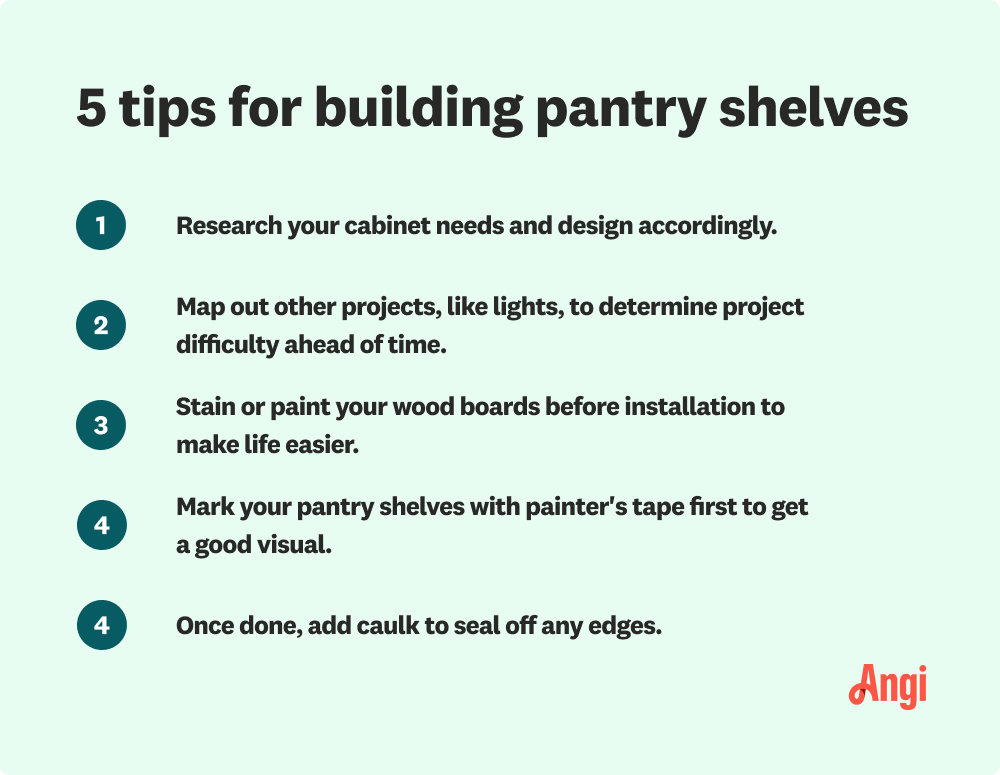
Credit: www.angi.com
Preparing For The Task
Cleaning pantry shelves keeps your food safe and your kitchen tidy. Preparing well makes the job easier and faster.
Start by planning what you need and when to clean. This helps avoid mess and stress during cleaning.
Gathering Necessary Supplies
Collect all cleaning materials before you begin. This saves time and stops you from leaving the task unfinished.
Use safe and simple supplies to clean shelves without damage or strong smells.
- Soft cloths or sponges
- Mild dish soap
- Warm water
- Spray bottle
- Baking soda (for tough stains)
- Trash bags for expired food
- Gloves to protect your hands
Creating A Cleaning Schedule
Make a cleaning plan to keep your pantry fresh. A regular schedule stops dirt and clutter from building up.
Decide how often to clean based on your pantry use. Write down the dates to remind yourself.
- Check pantry every month for expired items
- Deep clean shelves every three months
- Wipe shelves weekly to remove dust
- Adjust schedule if you store more food
Emptying The Shelves
Cleaning pantry shelves starts by taking everything off the shelves. This step helps you see all your items clearly.
Empty shelves also make it easier to wipe down surfaces and remove crumbs or spills.
Sorting Items
Sort your pantry items into groups like canned goods, snacks, and baking supplies. This helps you find things faster.
Put similar items together to keep your pantry organized and neat.
- Group canned vegetables and fruits
- Keep baking items like flour and sugar in one place
- Separate snacks such as chips and cookies
- Store spices and seasonings together
Checking Expiry Dates
Check the expiry dates on all products before putting them back. Discard any expired or spoiled items.
Keep items with the closest expiry date in front to use them first.
- Look for expiration or best-by dates
- Throw away expired products
- Arrange items by expiry, oldest in front
- Check for damaged packaging or leaks

Credit: cleanheartmaids.com
Cleaning Solutions And Tools
Keeping pantry shelves clean helps keep food safe and fresh. Using the right cleaning solutions and tools makes the job easier.
Simple cleaners and common tools can remove dirt and spills without damage. Let’s look at what works best.
Choosing The Right Cleaners
Pick cleaners that are safe for food areas. Avoid harsh chemicals that can leave strong smells or harmful residues.
Mild soap and water work well for most pantry shelves. You can also use vinegar mixed with water to cut grease and kill germs.
- Mild dish soap with warm water
- White vinegar diluted with water (equal parts)
- Baking soda paste for stubborn stains
- Rubbing alcohol for sticky spots
- Avoid bleach or ammonia-based cleaners
Utilizing Effective Tools
Use soft cloths or sponges to clean shelves without scratching. A small brush helps reach corners and crevices.
Paper towels work for drying after cleaning. Avoid rough scrubbers that can damage shelf surfaces.
- Soft microfiber cloths
- Non-abrasive sponges
- Small scrub brush or old toothbrush
- Paper towels or clean dish towels
- Spray bottles for cleaner solutions
Techniques For Spotless Shelves
Keeping pantry shelves clean helps you store food safely. It also makes your kitchen look neat.
Use simple cleaning techniques to remove dust and spills. Regular cleaning stops pests and stains.
Wiping And Scrubbing
Start by removing all items from the shelves. Wipe them down with a damp cloth to remove dust.
Use mild soap and water for scrubbing sticky or greasy spots. A soft sponge works best to avoid damage.
- Clear shelves before cleaning
- Use warm water and mild soap
- Wipe in circular motions
- Dry shelves with a clean cloth
Tackling Tough Stains
For stubborn stains, try baking soda paste. Mix baking soda with water to form a thick paste.
Apply the paste on the stain and let it sit for 10 minutes. Then scrub gently and wipe clean.
- Mix baking soda and water to paste
- Apply paste on tough stains
- Let it sit for 10 minutes
- Scrub gently with a sponge
- Wipe off with a damp cloth
Organizing And Replacing Items
Cleaning pantry shelves is a great time to organize and replace items. This helps keep your food fresh and easy to find.
Proper organization reduces waste and saves time when cooking or shopping. It also makes your pantry look neat and tidy.
Grouping Similar Products
Group products that are alike to make your pantry easier to use. For example, put all canned goods on one shelf.
Keep baking supplies, snacks, and spices in separate groups. This prevents clutter and helps you find things fast.
- Place canned vegetables and fruits together
- Store baking ingredients like flour and sugar in one area
- Arrange snacks such as chips and nuts on a shelf
- Keep spices and seasonings in one container or spot
Utilizing Storage Containers
Use clear storage containers to keep small items organized and visible. This stops spills and keeps food fresh longer.
Label containers to know what is inside without opening them. Stack containers to save space on the shelves.
- Choose airtight containers for dry goods
- Use uniform containers for easy stacking
- Label each container with its contents and expiry date
- Keep containers in groups by food type
Maintaining A Clean Pantry
A clean pantry helps keep your food safe and fresh. It also makes cooking easier and faster. Regular cleaning stops pests and spills from building up.
Use simple habits to keep your pantry neat all year. Clean shelves and check food often. This will save time and reduce waste.
Regular Cleaning Routines
Wipe shelves weekly to remove crumbs and dust. Check for expired or stale items and throw them away. Keep containers sealed tightly to avoid spills and bugs.
- Use a damp cloth with mild soap for cleaning
- Organize items by type and expiration date
- Store dry goods in clear, airtight containers
- Place heavier items on lower shelves
- Check for signs of pests regularly
Seasonal Deep Cleaning
Deep cleaning every season keeps your pantry fresh and safe. Remove everything from shelves. Clean with warm water and vinegar. Dry shelves before putting items back.
| Task | Details |
| Empty Shelves | Take all items out to clean surfaces |
| Clean Surfaces | Use warm water and vinegar for wiping |
| Inspect Food | Check expiration dates and damage |
| Organize Items | Group by type and date, use containers |
| Check for Pests | Look for droppings or holes in packaging |
:max_bytes(150000):strip_icc()/SPR-pantry-items-for-cleaning-11771100-4c4eaeb195a345fea82e58971322386a.jpg)
Credit: www.thespruce.com
Common Mistakes To Avoid
Cleaning pantry shelves can be simple if you avoid common errors. These mistakes can cause clutter and mess to build up quickly.
Knowing what to avoid helps keep your pantry neat and safe for food storage.
Overcrowding Shelves
Putting too many items on shelves makes it hard to see what you have. Overcrowding can cause spills and damage to containers.
- Limit the number of items on each shelf.
- Group similar items together for easy access.
- Use clear containers to save space and see contents.
- Leave space to clean and air out shelves.
Ignoring Spills And Crumbs
Not cleaning spills and crumbs quickly leads to pests and sticky shelves. It also makes future cleaning harder.
| Spill Type | Cleaning Tip |
| Sugar or flour | Wipe immediately with a damp cloth to prevent ants. |
| Oil or grease | Use warm soapy water to remove residue fully. |
| Crumbs | Vacuum or sweep crumbs out to avoid bugs. |
| Sticky liquids | Clean with vinegar and water solution for stickiness. |
Frequently Asked Questions
How Often Should I Clean Pantry Shelves?
Clean pantry shelves every 3 to 6 months. Regular cleaning prevents pests and removes spills or crumbs. This maintains hygiene and keeps your food fresh longer.
What Materials Are Best For Cleaning Pantry Shelves?
Use mild soap, warm water, and a soft cloth. Avoid harsh chemicals to protect shelf surfaces. Vinegar solutions can disinfect without leaving harmful residues.
How Do I Prevent Pests In Pantry Shelves?
Keep shelves dry and clean. Store food in airtight containers. Regularly check for expired items and promptly discard them to deter pests effectively.
Can I Use Natural Cleaners For Pantry Shelves?
Yes, natural cleaners like vinegar and baking soda are effective. They clean well and are safe for food areas. Avoid harsh chemicals to keep your pantry healthy.
Conclusion
Cleaning pantry shelves keeps your kitchen fresh and organized. Regular cleaning stops pests and removes spills fast. Use simple tools like cloths and mild cleaners. Sort items by date to avoid waste. Keep shelves dry to prevent mold and damage.
Small efforts make a big difference in kitchen hygiene. Try these tips often for a neat pantry space. A clean pantry helps you find food quickly. Enjoy cooking in a tidy, well-kept kitchen area.