
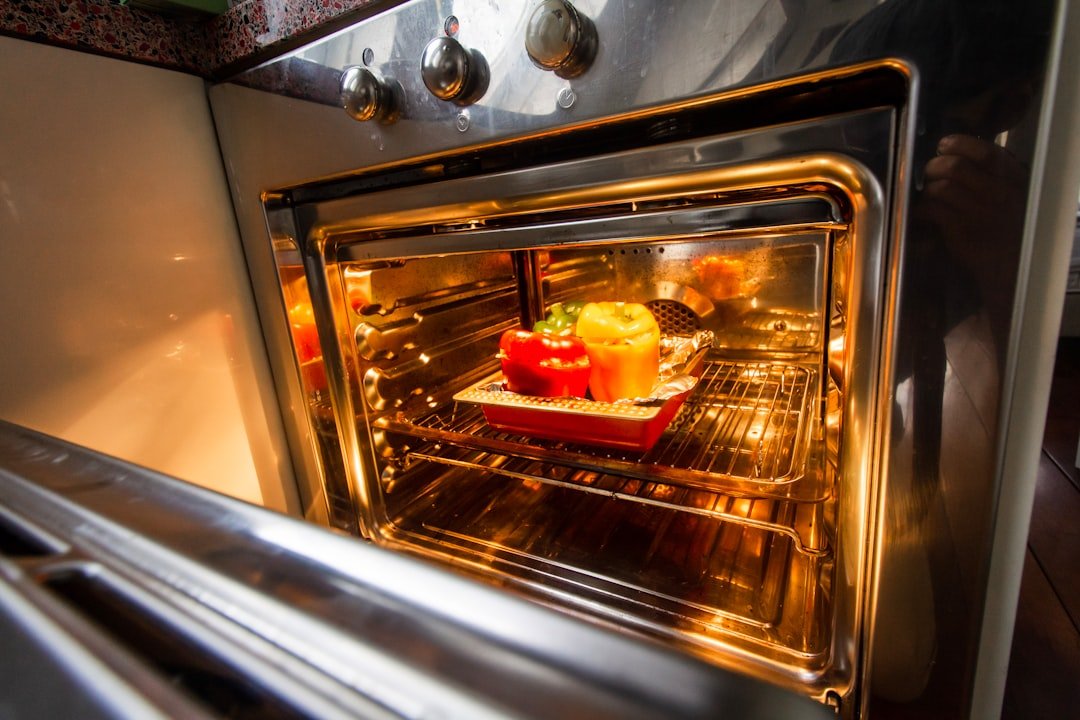
Is your oven looking messy inside? Cleaning the oven interior can feel like a tough job, but it doesn’t have to be.
Imagine opening your oven to find it sparkling clean, free from stubborn stains and burnt-on food. You can achieve that with the right tips and tricks. You’ll discover simple, effective ways to make your oven shine without spending hours scrubbing.
Ready to make your cooking space fresher and healthier? Keep reading to learn easy steps that will save you time and effort.
Preparing Your Oven For Cleaning
Cleaning your oven is important for keeping it efficient. Proper preparation makes the job easier and safer.
Before starting, gather everything you need. Follow these steps to ensure your oven is ready for cleaning.
Removing Oven Racks And Accessories
Take out the oven racks and any other removable items. This allows you to clean them separately and access the oven interior.
Removing these parts makes it easier to scrub the oven’s surface. It also prevents damage to the racks during the cleaning process.
- Remove oven racks carefully
- Take out thermometers or pans
- Place racks in sink for soaking
Gathering Cleaning Supplies
Collect all the materials you will need for cleaning. Having everything on hand saves time and effort.
Use the right supplies to avoid damaging the oven’s surface. This includes non-abrasive cleaners and soft cloths.
- Non-abrasive oven cleaner
- Soft cleaning cloths
- Scrubbing brush or sponge
- Rubber gloves
Ensuring Safety Measures
Safety is crucial when cleaning an oven. Take steps to protect yourself from harm.
Make sure the oven is off and cool before you start. Wear gloves to protect your hands from chemicals.
- Turn off the oven and let it cool
- Wear rubber gloves for protection
- Ensure good ventilation in the kitchen
Choosing The Right Cleaning Method
Cleaning your oven interior is important for good cooking and safety. Choosing the right cleaning method helps protect your oven.
Different ovens and stains need different cleaning ways. Pick one that fits your oven type and your needs.
Using Commercial Oven Cleaners
Commercial oven cleaners are strong products made to remove tough grease and food spills. They work fast and deeply clean your oven.
Read the label carefully before use. Wear gloves and keep the room ventilated to avoid strong fumes.
- Apply the cleaner evenly inside the oven
- Let it sit as the instructions say
- Wipe off with a damp cloth
- Rinse well to remove chemical residue
Natural Cleaning Alternatives
Natural cleaners use safe ingredients like baking soda and vinegar. They are gentle and good for light stains.
These options reduce harsh chemicals in your kitchen and are easy to prepare at home.
- Make a paste with baking soda and water
- Spread it on oven walls and let sit overnight
- Spray vinegar to create foam
- Wipe clean with a damp cloth
Self-cleaning Oven Functions
Many ovens have a self-cleaning feature. It heats the oven to very high temperatures to burn off food and grease.
This method needs no chemicals but takes several hours to finish. Make sure to follow your oven’s manual instructions.
- Remove large debris before starting
- Lock the oven door for safety
- Start the self-clean cycle
- Let the oven cool before wiping ashes
Step-by-step Cleaning Process
Cleaning your oven’s interior keeps it safe and working well. A clean oven cooks food better and lasts longer.
Follow these steps to clean your oven easily and without damage.
Applying Cleaner Effectively
Choose a cleaner made for ovens or use a mix of baking soda and water. Spread the cleaner evenly inside the oven.
Make sure to cover all dirty spots but avoid heating elements. Let the cleaner sit for 15 to 30 minutes to work well.
- Use gloves to protect your hands
- Spray or spread the cleaner on oven walls and floor
- Do not apply on heating coils
- Wait quietly for the cleaner to soften grime
Scrubbing Stubborn Stains
Use a sponge or soft brush to scrub after the cleaner has set. Focus on thick grease and burned food spots.
Apply gentle pressure to avoid damaging the oven surface. Repeat scrubbing if stains stay, but be patient.
- Start with soft scrubbing tools
- Use circular motions to lift stains
- Avoid steel wool to protect oven finish
- Rinse tools often to remove grime
Wiping And Rinsing Thoroughly
Use a clean damp cloth to wipe out all the cleaner and loosened dirt. Rinse the cloth several times during cleaning.
Make sure no cleaner remains inside the oven. Dry the interior with a dry cloth before using the oven again.
- Wipe all surfaces carefully
- Rinse cloth often to avoid spreading dirt
- Dry the oven interior fully
- Check for leftover cleaner or grime

Credit: allbetterapp.com
Dealing With Tough Grease And Burnt Residue
Cleaning oven interiors can be hard, especially with tough grease and burnt food. These residues build up over time and make the oven look dirty.
Using the right cleaning tricks helps remove grime without damaging your oven. Here are some useful tips to make cleaning easier.
Soaking Techniques
Soaking helps soften grease and burnt bits inside the oven. You can use warm water and soap or special oven cleaners for this.
Apply the soaking solution to the dirty areas and let it sit for 20 to 30 minutes. This breaks down the grime and makes scrubbing easier.
- Mix warm water with dish soap
- Use a spray bottle to cover the oven walls
- Let the solution soak before scrubbing
Using Baking Soda And Vinegar
Baking soda and vinegar work well to clean greasy oven surfaces. Baking soda acts as a mild abrasive, while vinegar cuts through grease.
Make a paste with baking soda and water. Spread it on the oven surfaces and spray vinegar on top. Wait for the fizz to stop, then wipe clean.
- Mix 1/2 cup baking soda with a few tablespoons of water
- Spread paste over grease spots
- Spray vinegar and wait 15 minutes
- Wipe with a damp cloth
Leveraging Steam For Loosening Grime
Steam softens baked-on grease and residue inside the oven. It helps lift grime so you can clean faster without harsh scrubbing.
Place a heat-safe bowl with water inside the oven. Heat the oven to a low temperature for 15 to 20 minutes. The steam will loosen the dirt.
- Fill a bowl with water
- Put the bowl inside the oven
- Heat oven to 250°F (120°C) for 20 minutes
- Turn off oven and let cool before wiping
Maintaining Oven Cleanliness
Keeping your oven clean helps it work better and last longer. A clean oven also keeps your food tasting good.
Regular cleaning stops grease and food from building up inside your oven. This guide shares simple tips to keep your oven fresh.
Regular Wipe-downs
Wiping your oven after each use stops dirt from hardening. Use a damp cloth and mild cleaner to clean the oven walls and racks.
Clean spills quickly before they dry. This makes cleaning easier and stops smells from developing.
Avoiding Spills And Overflows
Use baking trays and oven liners to catch drips. Cover dishes with lids or foil to prevent spills while cooking.
Check food regularly to stop overflows. Avoid filling pans too full to reduce mess inside the oven.
- Place a tray under casseroles
- Use foil to cover foods
- Don’t overfill baking dishes
- Watch cooking times closely
Scheduling Deep Cleanings
Plan deep cleans every few months. This removes tough grease and burnt food inside the oven.
Use oven-safe cleaners or natural solutions like baking soda and vinegar. Follow product instructions for safety.
- Remove racks and soak them
- Apply cleaner to oven walls
- Let it sit, then scrub gently
- Rinse and dry before use

Credit: www.angi.com
Tips For Cleaning Oven Racks And Door
Cleaning oven racks and doors helps keep your oven working well. Dirt and grease can build up over time. Regular cleaning makes cooking safer and easier.
Use simple tools and safe cleaners for the best results. Pay attention to racks, glass doors, seals, and hinges to avoid damage.
Soaking And Scrubbing Racks
Remove the oven racks carefully before cleaning. Soak them in warm water mixed with dish soap. This loosens stuck-on food and grease.
Use a soft brush or sponge to scrub the racks. Avoid metal brushes that can damage the finish. Rinse well and dry before putting racks back.
- Fill a bathtub or large basin with warm, soapy water
- Let racks soak for at least 30 minutes
- Scrub with a non-abrasive brush or sponge
- Rinse with clean water and dry completely
Cleaning The Oven Door Glass
Use a glass cleaner or a vinegar-water mix for the oven door glass. Spray the cleaner on a cloth, not directly on the glass, to avoid drips.
Wipe the glass gently to remove spots and stains. Avoid sharp tools that can scratch the surface. Repeat if needed for clear, streak-free glass.
- Mix equal parts vinegar and water in a spray bottle
- Spray on a soft cloth, then wipe the glass
- Use a plastic scraper for stuck-on grime carefully
- Dry with a clean microfiber cloth to prevent streaks
Handling Seals And Hinges
Be gentle when cleaning the oven door seals and hinges. Use a damp cloth to wipe dirt without damaging the rubber seals.
Check hinges for grease or buildup. Wipe clean and dry. Avoid using oil or lubricants unless the manufacturer suggests it.
- Use a soft cloth dampened with mild soap solution
- Wipe seals carefully to avoid tearing
- Clean hinges with a dry cloth or soft brush
- Do not spray water directly on seals or hinges
Preventing Damage During Cleaning
Cleaning your oven interior is important for safety and efficiency. You must be careful to avoid damage during cleaning.
Using the right tools and methods helps keep your oven working well for a long time.
Avoiding Abrasive Tools
Abrasive tools can scratch and damage your oven’s surface. Avoid steel wool, rough brushes, and harsh scrapers.
Use soft cloths, sponges, or non-scratch scrubbers instead. These clean without harming the oven.
- Do not use metal scouring pads
- Choose soft sponges or microfiber cloths
- Avoid rough scrapers that can leave marks
Testing Cleaners On Small Areas
Before using any cleaner, test it on a small hidden spot. This checks if it causes discoloration or damage.
If the spot looks fine after cleaning, it is safe to use the cleaner on the whole oven interior.
- Pick an area inside the oven that is not visible
- Apply a small amount of cleaner
- Wait a few minutes and check for damage
- Only use the cleaner if no damage appears
Protecting Oven Components
Cover or avoid sensitive parts like heating elements and fans. Water or cleaner can cause damage or shorts.
Remove oven racks and clean them separately. Keep electrical parts dry during cleaning.
- Turn off and unplug the oven before cleaning
- Cover heating elements with foil or cloth
- Remove racks for separate cleaning
- Keep electrical parts dry and avoid spraying cleaner on them
Eco-friendly Cleaning Practices
Cleaning your oven can be tough and messy. Using eco-friendly ways helps protect the planet. These methods keep your home safe and clean.
Eco-friendly cleaning means using natural ingredients and less harmful chemicals. It also means throwing away waste safely. This keeps the environment healthy.
Using Non-toxic Ingredients
Non-toxic ingredients are safe for you and the environment. They clean well without harsh chemicals. You can find them in your kitchen or store.
Common non-toxic cleaners include baking soda, vinegar, and lemon juice. These remove grease and grime without pollution.
- Baking soda scrubs away stuck food gently
- Vinegar breaks down grease and kills bacteria
- Lemon juice adds fresh scent and cleans stains
Reducing Chemical Usage
Using fewer chemicals lowers pollution and health risks. You do not need strong cleaners to get a clean oven. Simple tools and natural products work well.
Try mixing small amounts of natural cleaners for best results. Avoid sprays with harsh fumes. Clean often to stop buildup and reduce scrubbing.
- Use cloths or sponges instead of sprays
- Clean oven walls and trays regularly
- Mix baking soda and water for a paste cleaner
Safe Disposal Of Cleaning Waste
Throw away cleaning waste carefully to avoid harm. Do not pour oily water or chemicals down drains. Use trash bins or compost when possible.
Rinse reusable tools and dry them well. Dispose of used cloths and paper towels in the trash. Follow local rules for chemical waste.
- Collect dirty water and throw in trash if oily
- Recycle containers that held natural cleaners
- Do not flush chemicals or grease down toilets

Credit: www.youtube.com
Frequently Asked Questions
How Often Should I Clean My Oven Interior?
You should clean your oven interior every 3 to 6 months. Regular cleaning prevents buildup of grease and food residue, ensuring better cooking performance and safety.
What Natural Products Clean Oven Interiors Effectively?
Baking soda and vinegar are excellent natural cleaners. They break down grease and grime without harsh chemicals, making them safe and eco-friendly options.
Can I Use Commercial Oven Cleaners Safely?
Yes, commercial oven cleaners are effective but use them with caution. Always follow the instructions, wear gloves, and ventilate the area well to avoid irritation.
How Do I Remove Tough Burnt-on Stains Inside The Oven?
Apply a baking soda paste, let it sit for several hours, then scrub gently. For stubborn stains, repeat or use a vinegar spray to loosen grime.
Conclusion
Cleaning your oven interior keeps it safe and working well. Regular care stops buildup and bad smells. Use simple tools and gentle cleaners for best results. Take your time and clean every corner carefully. A clean oven cooks food better and lasts longer.
Small efforts bring big benefits in kitchen hygiene. Start today, and enjoy a fresh, sparkling oven tomorrow.