
Your kitchen window sills might seem like a small detail, but they can quickly gather dust, grease, and grime. If you’ve ever noticed stubborn dirt that just won’t budge or stains that make your kitchen look less fresh, you’re not alone.
Cleaning window sills can feel like a chore, but with the right tips, it becomes easier and even satisfying. Keep reading, and you’ll discover simple, effective ways to make your kitchen window sills shine—bringing a brighter, cleaner vibe to your whole kitchen space.

Credit: www.mirror.co.uk
Importance Of Clean Window Sills
Kitchen window sills often collect dust, dirt, and moisture. Keeping them clean helps your kitchen look neat and fresh.
Clean window sills prevent damage and improve the air quality in your home. This simple task supports a healthier living space.
Prevents Mold And Mildew Growth
Window sills can trap moisture from cooking and rain. This moisture creates a perfect place for mold to grow.
Regular cleaning removes dampness and stops mold from spreading. Mold can cause allergies and damage wood.
Improves Kitchen Appearance
Dirty window sills look unattractive and can spoil your kitchen’s style. Clean sills make your kitchen feel brighter and more inviting.
Removing stains and dust keeps the area looking fresh. This small effort makes a big difference in overall cleanliness.
Protects Window Frames And Walls
Dirt and moisture on window sills can damage paint and wood. This damage leads to costly repairs over time.
Cleaning window sills regularly helps protect the window frames and nearby walls from decay and peeling paint.
Reduces Dust And Allergens
Dust builds up easily on kitchen window sills. This dust can spread to the air and cause allergy problems.
Keeping sills clean lowers dust levels. This helps create a healthier kitchen environment for everyone.
Makes Cleaning Easier
When you clean window sills often, dirt does not build up. This makes each cleaning faster and easier.
Regular care stops tough stains and sticky residues from forming. It saves time and effort in the long run.

Credit: www.lisabronner.com
Gathering Essential Cleaning Supplies
Cleaning kitchen window sills is easier with the right supplies. Getting everything ready helps you work fast and well.
Here are key items you need to clean your window sills properly. Each supply has a role in making the job simple and effective.
Cleaning Cloths And Sponges
Soft cloths and sponges are needed to wipe dirt and dust. Use microfiber cloths to avoid scratching the window sill surface.
Cleaning Solutions
Choose a gentle all-purpose cleaner or make your own with vinegar and water. Avoid harsh chemicals that can damage paint or wood.
Brushes And Scrapers
Small brushes help remove dirt from corners and crevices. Plastic scrapers can lift stuck grime without harming the surface.
Protective Gear
- Rubber gloves to protect your hands
- Old towels or rags to catch drips
- Mask to avoid inhaling dust or fumes
Organizing Your Supplies
| Supply | Purpose | Tip |
| Microfiber Cloth | Wiping surfaces | Use dry for dust, damp for stains |
| All-Purpose Cleaner | Removing dirt | Test on small area first |
| Small Brush | Cleaning corners | Choose soft bristles |
| Rubber Gloves | Hand protection | Wear to avoid skin irritation |
Dust And Debris Removal
Cleaning kitchen window sills helps keep your home fresh and tidy. Dust and debris can build up quickly in these areas.
Removing dust stops allergens and keeps your kitchen looking neat. Use simple tools and easy techniques for best results.
Tools For Dusting
Choose the right tools to remove dust from window sills. Soft tools work best to avoid damage.
- Microfiber cloths trap dust without scratching surfaces
- Soft-bristled brushes reach corners and edges easily
- Compressed air cans blow away dust in tight spots
- Vacuum cleaners with brush attachments suck up debris
- Small dustpans help collect loose dirt
Effective Techniques
Use gentle motions to avoid spreading dust. Clean from top to bottom to catch falling debris.
Start by dusting the corners and edges. Wipe the entire sill with a damp cloth to remove residue.
- Begin with a brush or cloth to loosen dust
- Use vacuum or compressed air for hard-to-reach spots
- Wipe down with a damp cloth to pick up remaining dirt
- Dry the sill to prevent moisture damage
Tackling Stubborn Stains
Cleaning kitchen window sills can be tricky, especially with tough stains. Dirt, grease, and spills build up over time.
This guide shows simple ways to remove stubborn stains safely and effectively.
Natural Cleaning Solutions
Natural cleaners use ingredients you likely have at home. They work well on many stains without harsh chemicals.
- Mix equal parts white vinegar and water for a gentle spray.
- Apply baking soda paste on stains and let it sit for 15 minutes.
- Use lemon juice to cut grease and brighten surfaces.
- Scrub gently with a soft cloth or old toothbrush.
- Rinse with clean water and dry with a towel.
Commercial Cleaners
Commercial products target tough stains with strong formulas. Use them carefully and follow label instructions.
| Cleaner Type | Best For | Safety Tips |
| Degreaser Spray | Grease and oil stains | Wear gloves, ventilate room |
| All-purpose Cleaner | Dirt and grime | Test on small area first |
| Glass Cleaner | Smudges and fingerprints | Avoid on painted surfaces |
Preventing Mold And Mildew
Kitchen window sills often get damp from cooking steam and rain. This dampness can cause mold and mildew to grow.
Cleaning and drying window sills regularly helps keep mold away. Let’s learn how to spot and stop mold on your window sills.
Signs Of Mold
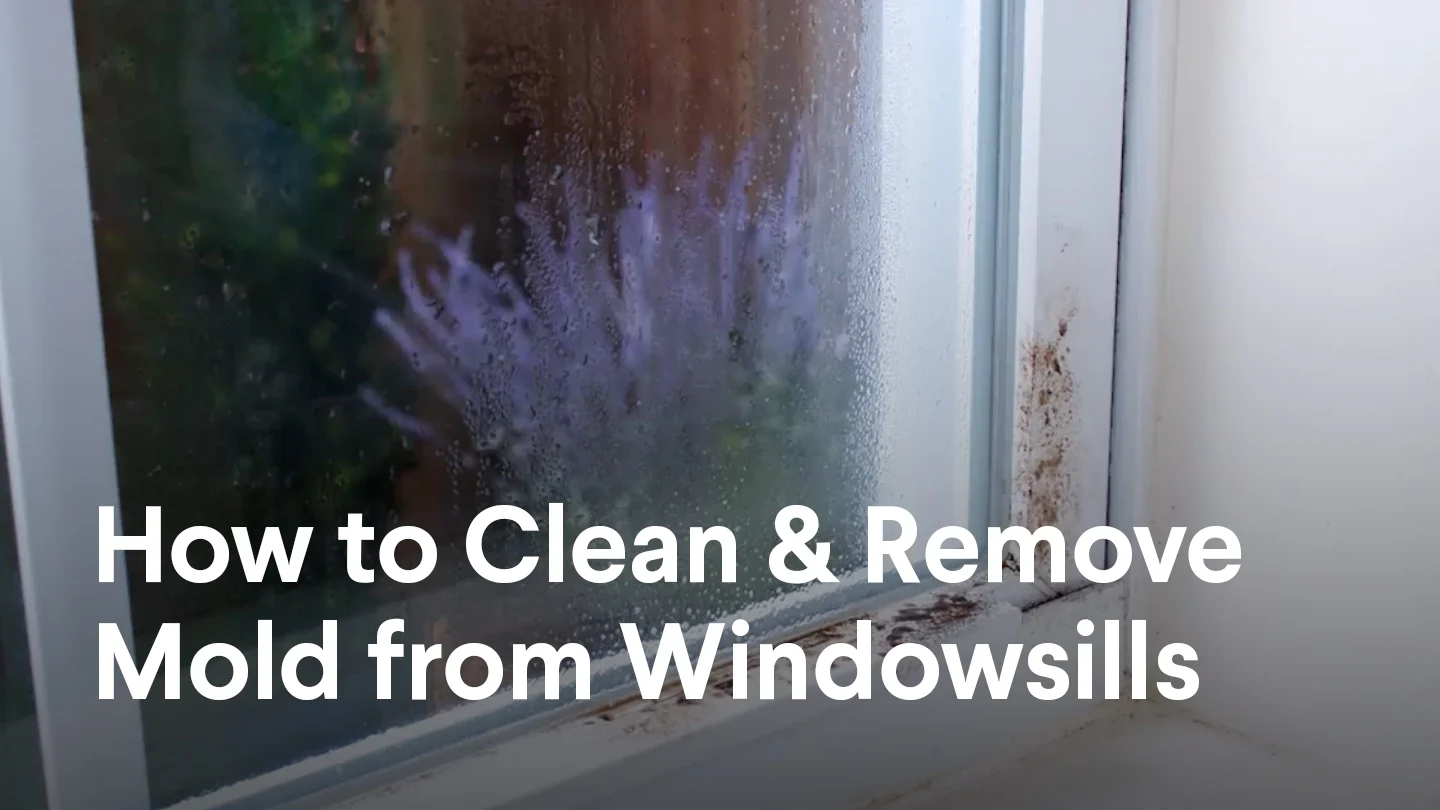
Mold usually looks like dark spots or fuzzy patches on window sills. It can be black, green, or white in color.
You may notice a musty smell near the window if mold is growing. Sometimes, paint or wood near the window may peel or bubble.
- Dark or discolored spots on the sill
- Fuzzy or powdery patches
- Musty or damp smell
- Peeling paint or damaged wood
Prevention Tips
Keep window sills dry by wiping them after cooking or rain. Use a cloth to remove any water or moisture.
Open windows or use a fan to improve air flow in the kitchen. Good air flow helps dry moisture faster and stops mold growth.
- Wipe window sills dry daily
- Use fans or open windows for air flow
- Check for leaks around windows and fix them
- Clean window sills weekly with mild soap
- Use mold-resistant paint on window sills
Credit: www.clorox.com
Maintaining Clean Window Sills
Kitchen window sills often collect dust, dirt, and spills. Keeping them clean helps your kitchen look fresh and neat.
Regular care prevents buildup and makes cleaning easier over time. Here are some tips to maintain clean window sills.
Regular Cleaning Schedule
Set a weekly cleaning routine to keep window sills in good shape. This stops dirt from settling and causing stains.
- Dust window sills with a soft cloth or brush.
- Wipe surfaces with a mild soap solution.
- Dry the sill to prevent water damage.
- Check for mold or mildew and clean promptly.
- Use a small vacuum for corners and crevices.
Quick Daily Habits
Daily small efforts keep your window sills cleaner for longer periods. These habits take just a few minutes.
| Habit | Reason |
| Wipe spills immediately | Prevents stains and sticky buildup |
| Remove crumbs and debris | Avoids pest attraction |
| Use a damp cloth for quick dusting | Keeps surface fresh |
| Open windows for ventilation | Reduces moisture and mildew |
Safety Considerations
Cleaning kitchen window sills can improve your home’s look and hygiene. It is important to stay safe while cleaning.
Using the right safety steps helps avoid injuries and damage to surfaces. Follow these tips for a safe cleaning process.
Protective Gear
Wear protective gear to keep yourself safe from dirt and cleaning chemicals. Gloves protect your skin from irritation.
Use goggles if you work with strong cleaners to protect your eyes. Wearing old clothes or an apron keeps your clothes clean.
- Rubber gloves to protect hands
- Safety goggles to protect eyes
- Apron or old clothes to avoid stains
- Mask if using strong or dusty cleaners
Safe Product Usage
Choose cleaning products that are safe for your window sill material. Read labels to check for any warnings or hazards.
Use products in a well-ventilated area to avoid breathing harmful fumes. Do not mix different cleaners, as this can cause dangerous reactions.
- Read product labels carefully
- Use mild cleaners for painted or wood sills
- Open windows for fresh air
- Never mix bleach with ammonia or acids
- Store cleaners out of reach of children
Frequently Asked Questions
How Often Should I Clean Kitchen Window Sills?
Clean kitchen window sills at least once a week. Regular cleaning prevents dust buildup and stains. It keeps your kitchen fresh and hygienic.
What Is The Best Cleaner For Window Sills?
Use a mild detergent mixed with warm water. Avoid harsh chemicals that damage paint or wood. A microfiber cloth works well for wiping.
How Do I Remove Stubborn Stains On Window Sills?
Apply a paste of baking soda and water. Let it sit for 10 minutes. Scrub gently with a soft brush, then wipe clean.
Can I Use Vinegar To Clean Kitchen Window Sills?
Yes, diluted white vinegar is effective for cleaning. It removes grease and disinfects surfaces naturally. Avoid using on natural stone to prevent damage.
Conclusion
Clean kitchen window sills make your space look fresh and neat. Regular cleaning stops dirt and dust from building up. Use simple tools like cloths and mild cleaners for best results. Small efforts bring big changes to your kitchen’s feel.
Keep a routine to enjoy clean window sills every day. A little care goes a long way in home upkeep. Try these tips and see the difference yourself. Clean spaces create happier, healthier homes.