
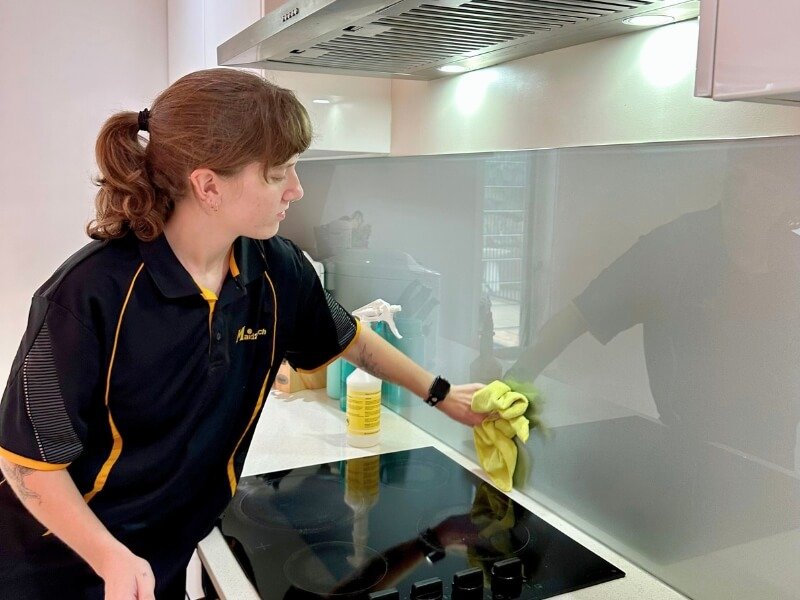
Are your kitchen walls looking dull or stained? You’re not alone.
Grease, food splatters, and everyday grime can quickly build up, making your kitchen feel less fresh and inviting. But don’t worry—cleaning your kitchen walls doesn’t have to be a tough chore. With the right tips, you can restore their shine and create a cleaner, healthier space for you and your family.
Keep reading to discover simple, effective ways to tackle those stubborn spots and bring your kitchen walls back to life. You’ll be amazed at how easy it can be!

Credit: www.youtube.com
Preparation Steps
Cleaning kitchen walls starts with good preparation. This makes the job easier and protects your home.
Prepare your space well before you begin to avoid damage and mess.
Gathering Supplies
Collect all needed items before cleaning. This saves time and keeps you organized.
- Mild detergent or wall cleaner
- Warm water
- Soft sponges or cloths
- Bucket
- Gloves to protect your hands
- Step stool or ladder for high spots
- Dry towels or microfiber cloths
Protecting Surfaces
Cover nearby surfaces to keep them safe from water and cleaner splashes.
| Surface | Protection Method |
|---|---|
| Countertops | Use plastic sheets or old towels |
| Floor | Lay down drop cloths or newspapers |
| Appliances | Cover with plastic wrap or cloth |
Choosing The Right Cleaner
Cleaning kitchen walls needs the right cleaner to avoid damage. Some walls react badly to harsh chemicals.
Picking a cleaner depends on wall material and how dirty the walls are. Use gentle options for painted surfaces.
Natural Cleaners
Natural cleaners use simple ingredients. They are safe and often inexpensive. These cleaners work well for light stains and grease.
- Mix equal parts water and white vinegar for a mild cleaner.
- Use baking soda paste for scrubbing tough spots.
- Lemon juice can remove grease and leave a fresh scent.
- Castile soap diluted with water cleans gently.
- Essential oils like tea tree add antibacterial properties.
Commercial Products
Commercial cleaners offer strong formulas for heavy dirt. Choose one made for kitchen walls or multi-surfaces.
| Product Type | Use | Notes |
| All-purpose cleaner | General cleaning | Check for paint-safe label |
| Degreaser | Grease removal | Use in well-ventilated area |
| Disinfectant spray | Kill germs | Avoid on delicate paint |
| Foam cleaner | Foam sticks to vertical surfaces | Good for textured walls |
Cleaning Painted Walls
Painted kitchen walls can get dirty from cooking splashes and dust. Cleaning them carefully keeps the paint fresh and bright.
Use gentle cleaning methods to avoid damaging the paint. Small stains need quick attention to stop them from setting.
Spot Cleaning Techniques
Spot cleaning removes small stains without washing the whole wall. This saves time and protects the paint.
Use a soft cloth or sponge with mild soap and water. Dab the stain gently without rubbing hard.
- Mix warm water with a few drops of dish soap
- Test on a hidden spot first
- Use a soft cloth to dab the stain
- Rinse the cloth and wipe the area clean
- Dry with a clean towel to avoid water marks
Deep Cleaning Process
Deep cleaning removes dirt build-up and grease from painted walls. Do this every few months to keep walls fresh.
Use a gentle cleaning solution and soft tools. Avoid harsh chemicals that can peel or dull the paint.
- Prepare a bucket with warm water and mild dish soap
- Use a soft sponge or microfiber cloth
- Wipe walls from top to bottom in sections
- Rinse sponge often to avoid spreading dirt
- Dry walls with a clean cloth to prevent streaks

Credit: www.reddit.com
Cleaning Tiled Walls
Tiled walls in the kitchen can get dirty from cooking splashes and grease. Cleaning them regularly keeps your kitchen fresh.
Use the right tools and products to avoid damage. Clean tiles gently but thoroughly for the best results.
Dealing With Grout
Grout between tiles can collect dirt and stains easily. It needs special care to stay clean and white.
Use a soft brush and a mix of baking soda and water. Scrub the grout gently to remove stains without harm.
- Make a paste of baking soda and water
- Apply paste to grout lines
- Scrub with a soft toothbrush
- Rinse with warm water
- Dry the area with a clean cloth
Polishing Tiles
Polishing tiles brings back their shine and makes the kitchen look brighter. Use a microfiber cloth for best results.
Apply a small amount of vinegar diluted in water to polish tiles. Wipe in circles and dry well to avoid streaks.
- Mix equal parts vinegar and water
- Spray or apply solution to tiles
- Wipe with microfiber cloth in circles
- Dry tiles with a clean towel
- Repeat if needed for extra shine
Removing Stubborn Stains
Cleaning kitchen walls can be tough, especially with stubborn stains. Using the right methods helps remove marks without damage.
Focus on common stains like grease, oil, food, and beverage spills. Each needs a special way to clean well.
Grease And Oil Marks
Grease and oil leave sticky, hard-to-clean marks on kitchen walls. Use warm water mixed with dish soap for best results.
- Mix warm water and a few drops of dish soap.
- Dip a soft cloth or sponge in the solution.
- Gently scrub the greasy areas in a circular motion.
- Rinse with clean water to remove soap residue.
- Dry the wall with a clean towel to avoid streaks.
Food And Beverage Spills
Spills like tomato sauce or coffee stain kitchen walls and can leave color if not cleaned quickly.
| Stain Type | Cleaning Method |
| Tomato Sauce | Use a baking soda paste, scrub gently, then rinse. |
| Coffee | Apply white vinegar diluted with water, wipe clean. |
| Wine | Blot immediately, then use mild detergent solution. |
| Juice | Clean quickly with warm soapy water. |
Preventing Future Buildup
Keeping kitchen walls clean is easier with regular care. Dirt and grease build up fast near cooking areas. Stopping buildup saves time and effort later.
Use simple habits to keep walls fresh. Small changes protect walls from stains and damage. This guide shares tips to prevent buildup on your kitchen walls.
Regular Maintenance Tips
Clean kitchen walls often to avoid heavy dirt layers. A quick wipe removes fresh spills and grease before they harden. Use mild soap and warm water for daily cleaning.
- Wipe walls weekly with a soft cloth
- Spot clean stains as soon as they appear
- Use a gentle cleaner safe for wall paint or tiles
- Dry walls after cleaning to prevent moisture damage
- Check corners and edges for hidden grime
Protective Measures
Protect walls from grease and water with simple barriers. Installing these can reduce cleaning frequency. They keep walls looking new and prevent stains.
| Protective Measure | Benefit | Tip |
| Backsplash Tiles | Stops grease and water | Choose easy-clean materials |
| Clear Wall Covering | Protects paint from stains | Use removable plastic sheets |
| Ventilation Hood | Reduces airborne grease | Clean filters regularly |
| Regular Sealing | Prevents wall damage | Apply sealant yearly |
Quick Cleaning Hacks
Cleaning kitchen walls can be fast and simple. You only need a few things from around the house.
These quick hacks save time and keep your kitchen looking fresh.
Using Everyday Items
You can clean kitchen walls with items you already have. Baking soda, vinegar, and dish soap work well.
Mix these to make a gentle cleaner that removes grease and stains without damage.
- Mix one cup of warm water with a tablespoon of dish soap
- Add two tablespoons of vinegar for tough stains
- Use a soft cloth or sponge to wipe the walls
- Sprinkle baking soda on stubborn spots, then scrub gently
Time-saving Tricks
Keep cleaning quick by doing small tasks often. This stops dirt from building up.
Use tools that cover more space fast. Microfiber cloths and spray bottles help speed things up.
- Clean walls right after cooking to prevent stains
- Use spray bottles for even cleaning solution application
- Work from top to bottom to catch drips easily
- Dry walls quickly with a clean, dry cloth

Credit: www.reddit.com
Frequently Asked Questions
How Often Should I Clean Kitchen Walls?
Kitchen walls should be cleaned every 1-2 weeks to prevent grease buildup. Frequent cleaning keeps surfaces fresh and hygienic, reducing stains and odors. Regular maintenance also extends wall paint life and improves kitchen appearance.
What Is The Best Cleaner For Kitchen Walls?
A mild detergent mixed with warm water works best for most kitchen walls. For tougher stains, use a vinegar-water solution or baking soda paste. Avoid harsh chemicals that can damage paint or wallpaper.
Can I Use Vinegar To Clean Kitchen Walls?
Yes, vinegar effectively removes grease and grime from kitchen walls. Mix equal parts vinegar and water in a spray bottle. Spray the solution, let it sit briefly, then wipe clean with a soft cloth.
How Do I Remove Grease Stains From Kitchen Walls?
Use a mixture of warm water, dish soap, and baking soda. Apply it to the stain with a sponge, scrub gently, then rinse. For stubborn stains, repeat or use a vinegar solution.
Conclusion
Cleaning kitchen walls keeps your space fresh and healthy. Regular care stops dirt and stains from building up. Use gentle cleaners and soft cloths for best results. Spot clean spills quickly to avoid tough marks. Simple steps make your kitchen look neat and bright.
A clean kitchen wall adds to your home’s charm. Keep these tips handy for easy wall cleaning anytime.