
Your kitchen floor sees a lot of action every day. From spills to crumbs, keeping it clean is essential for a healthy home.
But cleaning your kitchen floor safely isn’t just about scrubbing—it’s about protecting your floor and your health at the same time. If you want easy, effective tips that save you time and keep your kitchen spotless without harsh chemicals, you’re in the right place.
Keep reading to discover simple steps that make cleaning your kitchen floor safe and stress-free.
Choosing The Right Cleaning Products
Cleaning kitchen floors needs the right products to keep them safe. The right cleaners remove dirt without harming the floor.
Choosing good products protects your floor and keeps your kitchen healthy.
Eco-friendly Options
Eco-friendly cleaners use natural ingredients. They do not pollute the air or water.
These products work well and keep your kitchen safe for children and pets.
- Vinegar and water mix is a simple cleaner
- Baking soda helps remove stains and smells
- Lemon juice cuts grease and adds freshness
- Plant-based soaps clean without chemicals
Avoiding Harsh Chemicals
Harsh chemicals can damage floors and harm health. Avoid products with bleach or ammonia.
These chemicals can cause discoloration and wear down floor finishes.
- Check labels for strong acids or alkalis
- Use mild soap or detergent instead
- Test cleaners on a small area first
- Always rinse floors after cleaning

Credit: www.reddit.com
Preparing The Floor
Cleaning kitchen floors is easier when the area is ready. Preparing the floor helps you clean safely and well.
Start by making sure nothing is in the way. This keeps you safe and avoids damage to items.
Clearing The Area
Remove all chairs, rugs, and small furniture from the kitchen floor. This gives you full space to clean.
Pick up any toys, bags, or other objects. These can cause trips or scratches during cleaning.
- Move chairs and stools to another room
- Roll up rugs or mats and store them safely
- Pick up dropped crumbs or small items
- Check corners for hidden objects
Sweeping Techniques
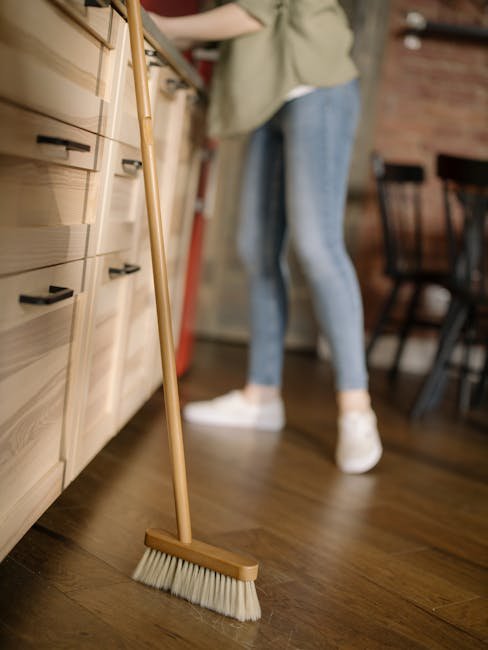
Start with a good sweep to remove dust and dirt. Use a broom that suits your floor type.
Sweep gently to avoid scratching the floor. Push dirt toward a dustpan for easy removal.
- Sweep from edges toward the center
- Use short, light strokes
- Focus on corners where dirt hides
- Empty dustpan often to avoid spills
Mopping Methods
Cleaning kitchen floors keeps your home safe and tidy. Mopping is a common way to clean floors well.
Choosing the right mopping method helps you clean without damaging the floor.
Wet Mopping Vs. Dry Mopping
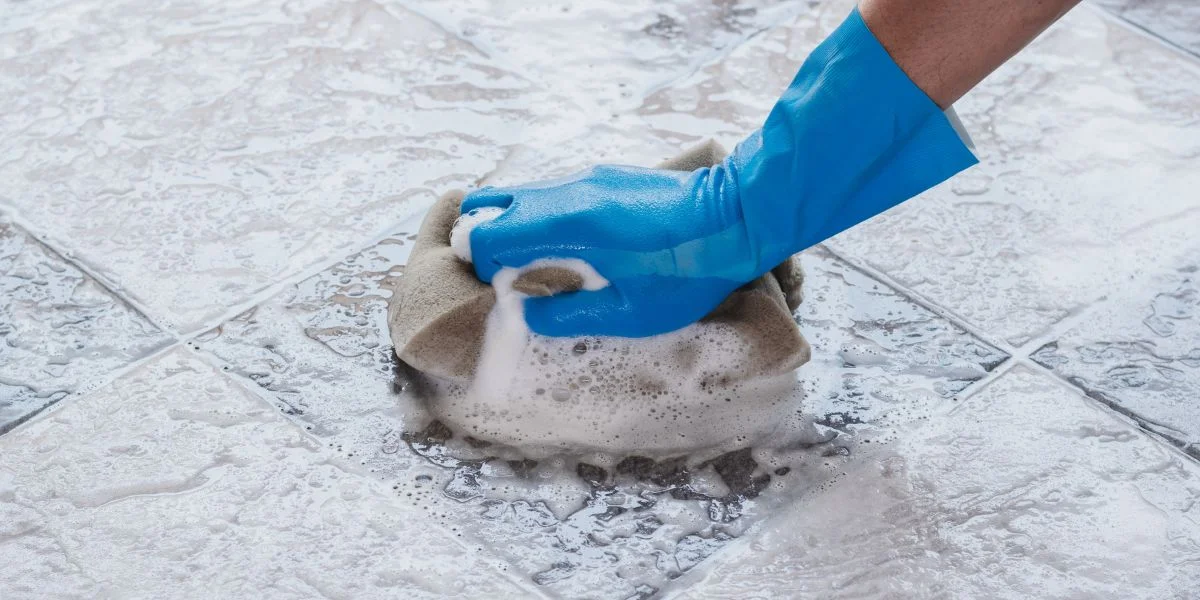
Wet mopping uses water and cleaning solution to remove dirt and stains. It works well for sticky or greasy floors.
Dry mopping uses a dry mop or cloth to pick up dust and loose debris. It is good for quick cleaning and daily upkeep.
- Wet mopping cleans deep dirt and spills
- Dry mopping removes dust and small particles
- Wet mopping needs time to dry
- Dry mopping is faster and safer on wet floors
Proper Mopping Techniques
Start by sweeping or dry mopping to clear loose dirt. This prevents scratching during wet mopping.
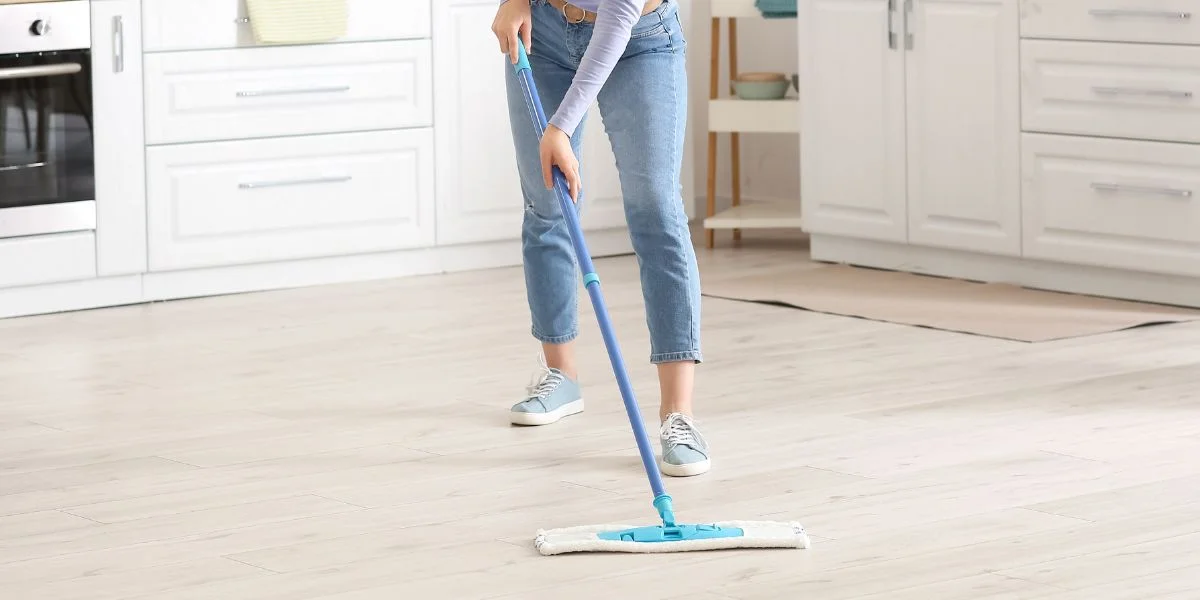
Use a mop that fits your floor type. Dip it in water with a small amount of cleaner, then wring it well.
- Mop in small sections for better cleaning
- Move the mop in a figure-eight or back-and-forth motion
- Change the water if it gets dirty
- Let floors dry completely before walking on them
Credit: www.abt.com
Dealing With Stubborn Stains
Cleaning kitchen floors can be hard when stains do not come off easily. Stubborn stains need special care to avoid damage.
Using the right cleaning tools and products helps remove tough stains safely. This guide shares tips to clean floors well.
Natural Stain Removers
Natural stain removers are gentle and safe for most kitchen floors. They help break down stains without harsh chemicals.
Common natural cleaners include baking soda, vinegar, and lemon juice. These items are easy to find and cost little.
- Baking soda works well on dried spills and dirt.
- White vinegar removes mineral stains and light discoloration.
- Lemon juice helps fade rust and some food stains.
Tackling Grease And Oil
Grease and oil stains can be sticky and hard to clean. Use absorbent materials and degreasers to lift the grime.
Start by blotting the oil with paper towels or cloth. Avoid rubbing to stop spreading the stain further.
- Sprinkle baking soda or cornstarch to soak up oil.
- Let it sit for 15 minutes, then sweep or vacuum it up.
- Apply a mild dish soap mixed with warm water to scrub the area gently.
- Rinse the floor with clean water and dry it well.
Maintaining Different Floor Types
Kitchen floors face spills, dirt, and heavy foot traffic daily. Each floor type needs special care to stay clean and last long.
Using the right cleaning methods helps protect your floors and keeps your kitchen looking fresh and safe.
Caring For Tile Floors
Tile floors are strong but can get dirty quickly. Clean spills fast to stop stains and damage.
Use a mop with warm water and mild detergent. Avoid harsh chemicals that wear away the grout.
- Sweep or vacuum regularly to remove dirt.
- Mop with a gentle cleaner and warm water.
- Dry the floor after mopping to prevent slips.
- Seal grout yearly to keep it protected.
Preserving Hardwood Floors
Hardwood floors add warmth but need gentle cleaning. Water can damage wood if too much is used.
Use a soft broom or vacuum with a wood floor setting. Clean with a damp mop and special wood cleaner.
- Wipe spills immediately to stop water damage.
- Use cleaners made for hardwood floors only.
- Avoid steam cleaners or soaking the floor.
- Protect floors with felt pads under furniture.
Handling Laminate Surfaces
Laminate floors are easy to clean but scratch easily. Avoid using too much water or rough tools.
Clean with a dry mop or vacuum first. Use a damp mop with a mild cleaner made for laminate.
- Do not use abrasive pads or steel wool.
- Wipe spills quickly to avoid swelling.
- Use mats at entryways to reduce dirt.
- Keep pet nails trimmed to prevent scratches.
Credit: www.abt.com
Safety Precautions
Cleaning kitchen floors is important for a healthy home. Taking safety steps can stop accidents.
Use safe methods to avoid slips and injuries while cleaning your floors.
Preventing Slips And Falls
Wet floors can cause slips and falls. Clean small sections at a time to keep dry areas safe.
Place warning signs or towels to alert others about wet floors. Use non-slip mats near sinks.
- Work in small areas to keep most floor dry
- Use warning signs or towels on wet spots
- Place non-slip mats near sinks and entrances
- Wear shoes with good grip while cleaning
Protective Gear Recommendations
Wear gloves to protect your hands from cleaning chemicals. Use knee pads if you kneel often.
Choose shoes with non-slip soles to keep your feet safe. Avoid open-toed shoes during cleaning.
- Use rubber gloves to protect skin
- Wear knee pads for comfort and safety
- Choose shoes with non-slip soles
- Avoid sandals or open-toed shoes
Routine Maintenance Tips
Keeping kitchen floors clean is important for safety and hygiene. Regular maintenance stops dirt from building up.
Use simple habits daily and deeper cleaning weekly. This helps keep your floors looking fresh and damage-free.
Daily Cleaning Habits
Daily care removes crumbs and spills quickly. This prevents stains and slippery spots on kitchen floors.
Use a soft broom or dry mop to sweep floors every day. Wipe up spills with a damp cloth right away.
- Sweep floors each morning or evening
- Spot clean spills immediately
- Use a dustpan to collect debris
- Avoid harsh chemicals for daily cleaning
Weekly Deep Cleaning
Once a week, clean floors more thoroughly to remove stuck-on dirt. This keeps floors healthy and shiny.
Use a mop with warm water and a mild cleaner safe for your floor type. Rinse the mop often to avoid dirt spread.
- Vacuum or sweep before mopping
- Use a gentle floor cleaner
- Mop in small sections
- Let floors air dry or dry with a clean cloth
Frequently Asked Questions
What Is The Safest Way To Clean Kitchen Floors?
Use mild cleaning solutions and warm water. Avoid harsh chemicals that can damage floor surfaces. Always test cleaners on a small area first.
How Often Should I Clean My Kitchen Floors?
Clean kitchen floors daily to remove dirt and spills. Deep clean weekly to maintain hygiene and prevent stains.
Can I Use Vinegar To Clean Kitchen Floors?
Yes, diluted vinegar is safe for most floors. It effectively removes grease and grime without leaving harmful residues.
What Tools Are Best For Kitchen Floor Cleaning?
Use a soft broom or vacuum for debris. Mop with microfiber or sponge for gentle, thorough cleaning.
Conclusion
Cleaning kitchen floors safely keeps your home healthy and fresh. Use gentle cleaners that do not harm surfaces or skin. Avoid slippery floors by drying them well after washing. Regular cleaning stops dirt and germs from building up. Take care with electrical outlets and appliances nearby.
Small steps make a big difference in safety and cleanliness. Keep your kitchen floor clean, safe, and inviting every day. Simple habits protect your family and make chores easier. Stay safe, work smart, and enjoy a spotless kitchen floor.