

Your kitchen faucet is one of the most used spots in your home, yet it often gets overlooked when it comes to cleaning. Over time, buildup from water spots, soap scum, and grime can dull its shine and even affect how it works.
But what if you could bring back that sparkling look using simple, natural ingredients you probably already have? You’ll discover easy, effective tips to clean your kitchen faucet thoroughly—without harsh chemicals. Keep reading to find out how to make your faucet shine and feel fresh again, using methods that are safe for you, your family, and the environment.
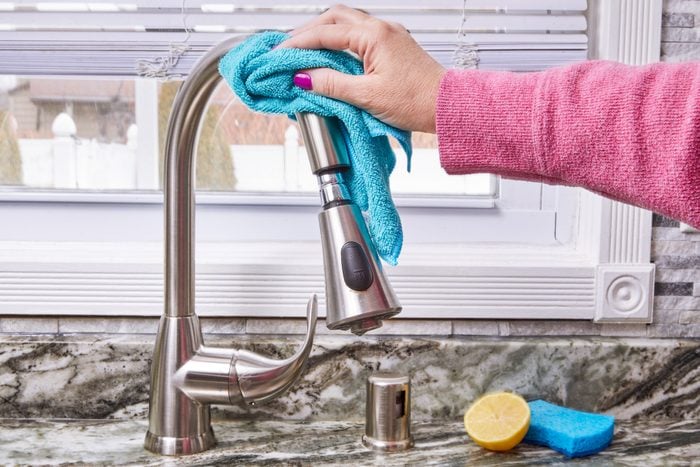
Credit: www.rd.com
Importance Of Natural Cleaning
Cleaning kitchen faucets naturally keeps your home safe and healthy. Chemicals in cleaners can harm your skin and the environment.
Using natural methods removes dirt and germs without harsh chemicals. It also helps your faucet last longer and look better.
Health Benefits Of Natural Cleaning
Natural cleaning products reduce your exposure to toxic substances. They lower the risk of allergies and skin irritation.
- Safe for children and pets
- Prevents breathing problems caused by chemical fumes
- Supports a healthier indoor environment
Environmental Impact
Natural cleaning methods reduce pollution. Chemicals in cleaners often end up in water and soil, harming wildlife.
Using vinegar, baking soda, and lemon lowers waste and pollution. These ingredients break down quickly and safely.
Cost Efficiency Of Natural Cleaning
Natural cleaners use simple, cheap ingredients. They save money compared to buying special chemical cleaners.
| Ingredient | Common Use | Approximate Cost |
| White Vinegar | Removes mineral deposits | $0.50 per cup |
| Baking Soda | Scrubs dirt and stains | $0.10 per tablespoon |
| Lemon Juice | Disinfects and shines | $0.30 per lemon |
Protecting Faucet Material
Chemical cleaners can damage faucet finishes. Natural cleaners are gentle and keep metals shiny.
Natural cleaning protects your faucet’s finish:
- Prevents corrosion
- Maintains the original color
- Reduces wear and tear
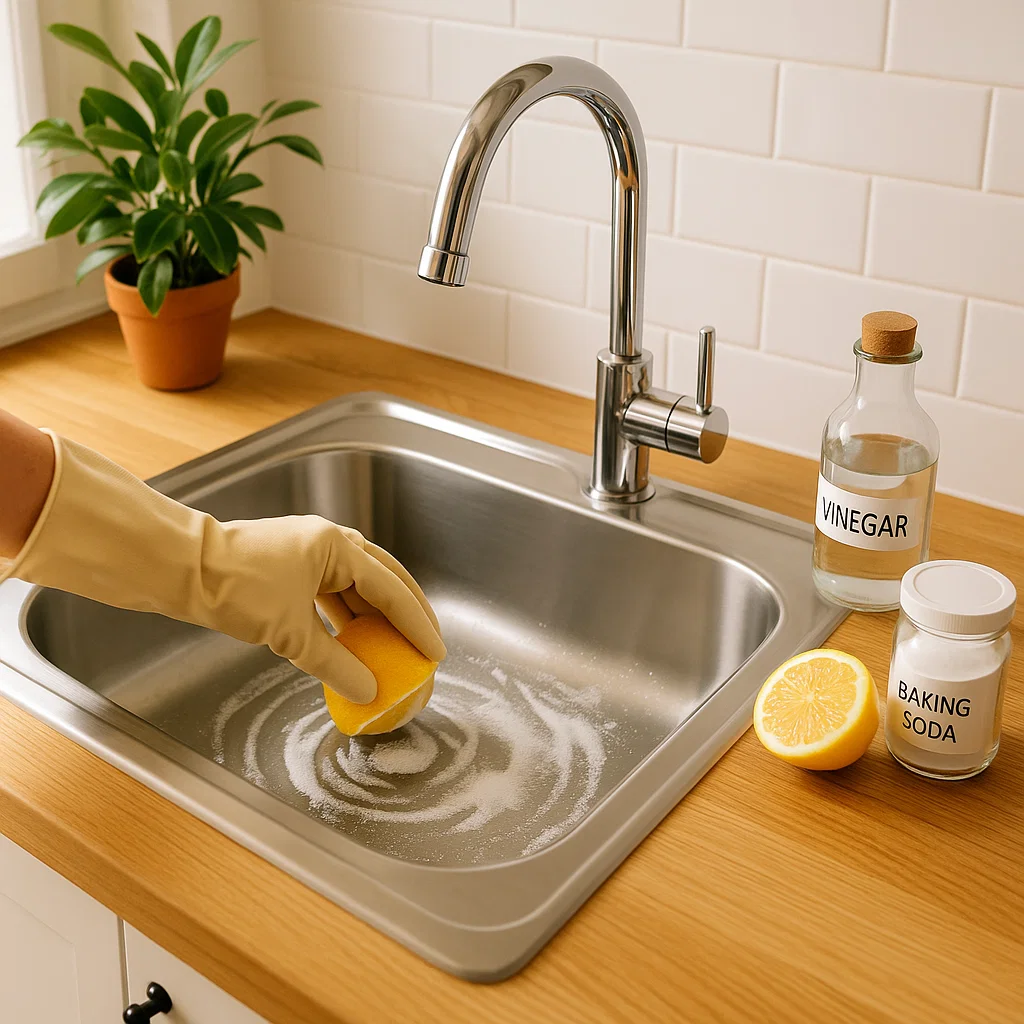
Credit: www.luminalife.ca
Essential Eco-friendly Ingredients
Cleaning kitchen faucets naturally helps protect the environment. Using simple ingredients keeps your home safe and fresh.
These eco-friendly items are easy to find and work well to remove grime and shine your faucets.
Vinegar And Its Benefits
Vinegar is a natural acid that cuts through mineral buildup on faucets. It also kills germs without harsh chemicals.
- Removes hard water stains
- Disinfects surfaces
- Deodorizes and brightens metal
- Safe for most faucet finishes
Lemon As A Natural Cleaner
Lemon juice has natural acids that dissolve dirt and soap scum. It adds a fresh scent while cleaning your faucet.
| Property | Effect on Faucet |
| Citric Acid | Breaks down buildup |
| Natural Oils | Leaves fresh smell |
| Vitamin C | Prevents rust |
Baking Soda For Scrubbing
Baking soda is a gentle abrasive that cleans without scratching. It works well to scrub away stubborn grime.
- Mix with water to form a paste
- Apply on faucet surfaces
- Use a soft cloth to scrub
- Rinse thoroughly with water
Step-by-step Cleaning Process
Cleaning kitchen faucets naturally keeps them shiny and working well. Using simple ingredients avoids harsh chemicals.
This guide shows how to clean faucets step-by-step with natural items. Follow these tips for a bright faucet.
Preparing The Cleaning Solution
Make a gentle cleaning mix using natural ingredients. This solution removes grime and kills bacteria safely.
Use equal parts white vinegar and water. Vinegar breaks down mineral deposits and grease well.
- 1 cup white vinegar
- 1 cup warm water
- Optional: a few drops of liquid soap
Effective Scrubbing Techniques
Use a soft brush or cloth to clean the faucet. Scrub gently to avoid scratches on the surface.
Pay close attention to faucet joints and handles. These spots collect dirt and buildup easily.
- Dip cloth or brush in the cleaning solution
- Scrub all faucet parts carefully
- Use a toothbrush for small areas
- Wipe off loosened dirt with a clean cloth
Rinsing And Drying Tips
Rinse the faucet well with clean water. This removes leftover cleaning solution and dirt.
Dry the faucet with a soft towel. Drying prevents water spots and keeps the faucet shiny longer.
- Use warm water to rinse thoroughly
- Wipe with a soft, dry cloth
- Check for missed spots and clean again if needed
Preventing Mineral Buildup
Mineral buildup on kitchen faucets can cause stains and reduce water flow. Cleaning faucets naturally helps keep them shining and working well.
Using simple methods regularly stops hard water deposits from forming. This saves time and effort in the long run.
Regular Cleaning Schedule
Set a cleaning routine to avoid mineral buildup. Wipe your faucet with a soft cloth every few days.
- Use a mixture of equal parts white vinegar and water for cleaning.
- Soak a cloth in the solution and wrap it around the faucet.
- Let it sit for 15-20 minutes to dissolve minerals.
- Rinse with clean water and dry with a soft towel.
- Repeat weekly to keep buildup away.
Use Of Water Softeners
Water softeners reduce minerals in your water. This lowers the chance of deposits on your faucet.
| Type of Water Softener | How It Works | Benefits |
| Salt-Based | Removes calcium and magnesium | Prevents scale buildup |
| Salt-Free | Conditions minerals without salt | Less maintenance needed |
| Magnetic | Changes mineral structure | Easy to install |
Maintaining Shine And Luster
Keeping your kitchen faucet shiny makes your kitchen look fresh. Natural cleaning helps keep its glow without damage.
Using simple ingredients from home can protect and polish the faucet gently. This guide shows easy natural tips.
Polishing With Natural Oils
Natural oils restore shine and add a protective layer to your faucet. They keep metal looking bright and smooth.
- Use a soft cloth to apply a few drops of olive or coconut oil.
- Rub the oil gently over the faucet surface in small circles.
- Let the oil sit for five minutes to soak in.
- Buff the faucet with a clean, dry cloth to remove extra oil.
- Repeat once a week for best results.
Avoiding Abrasive Products
Abrasive cleaners and scrubbers can scratch the faucet surface. These marks dull its shine and can cause damage over time.
| Harsh Products | Effect on Faucet |
| Steel wool | Leaves scratches and rough spots |
| Strong chemical cleaners | Can remove protective coating |
| Grainy scrubs | Causes dullness and uneven finish |
| Abrasive sponges | Scratches metal and reduces shine |
Use soft cloths and mild natural cleaners to protect your faucet. This keeps it smooth and shiny for years.
Eco-friendly Maintenance Tips
Keeping kitchen faucets clean is important for hygiene and looks. Using natural methods helps protect the environment. These tips use safe ingredients you can find at home.
Regular care prevents buildup and keeps faucets shining. Try these simple, eco-friendly ways to maintain your kitchen faucet daily and for tough spots.
Daily Wipe-downs
Wiping your faucet every day stops dirt and water spots from forming. Use a soft cloth and natural cleaners to avoid harsh chemicals.
- Use a damp microfiber cloth to wipe the faucet after use.
- Mix equal parts water and white vinegar in a spray bottle for cleaning.
- Avoid abrasive sponges that can scratch the faucet surface.
- Dry the faucet with a clean towel to prevent water spots.
Quick Fixes For Stubborn Spots
For hard water stains and grime, natural ingredients work well. These quick fixes clean without harming the environment.
| Natural Cleaner | Use | How It Works |
| Baking Soda | Make a paste with water and rub on stains | Scrubs gently and removes buildup |
| Lemon Juice | Apply with a cloth, then rinse | Breaks down mineral deposits and adds shine |
| White Vinegar | Soak a cloth and wrap around spots for 10 minutes | Acid dissolves hard water stains |
:max_bytes(150000):strip_icc()/dirty-kitchen-sink-GettyImages-1323538792-9bedce6246a04db9aeb6643c80f412bf.jpg)
Credit: www.realsimple.com
Frequently Asked Questions
How Do I Clean Kitchen Faucets Naturally?
Use a mixture of equal parts vinegar and water. Soak a cloth in the solution, wrap it around the faucet, and leave it for 15 minutes. Then, scrub gently with a soft brush and rinse thoroughly with water for a sparkling finish.
What Natural Ingredients Remove Faucet Mineral Deposits?
White vinegar and lemon juice effectively dissolve mineral buildup. Apply them directly or soak a cloth, wrap it around the faucet, and let it sit for 10-15 minutes before scrubbing and rinsing clean.
Can Baking Soda Help Clean Kitchen Faucets?
Yes, baking soda acts as a gentle abrasive. Make a paste with water, apply it on the faucet, scrub softly with a brush, and rinse off to remove grime and restore shine naturally.
How Often Should I Clean Kitchen Faucets Naturally?
Clean your kitchen faucet every 1-2 weeks to prevent buildup. Regular natural cleaning keeps faucets shiny, hygienic, and extends their lifespan without harsh chemicals.
Conclusion
Cleaning kitchen faucets naturally keeps them shiny and healthy. Simple ingredients like vinegar and baking soda work well. Regular cleaning stops dirt and germs from building up. It saves money and avoids harsh chemicals. A clean faucet makes your kitchen look fresh and neat.
Try these easy tips to keep faucets spotless every day. Small efforts bring big results. Your kitchen will thank you for it.