
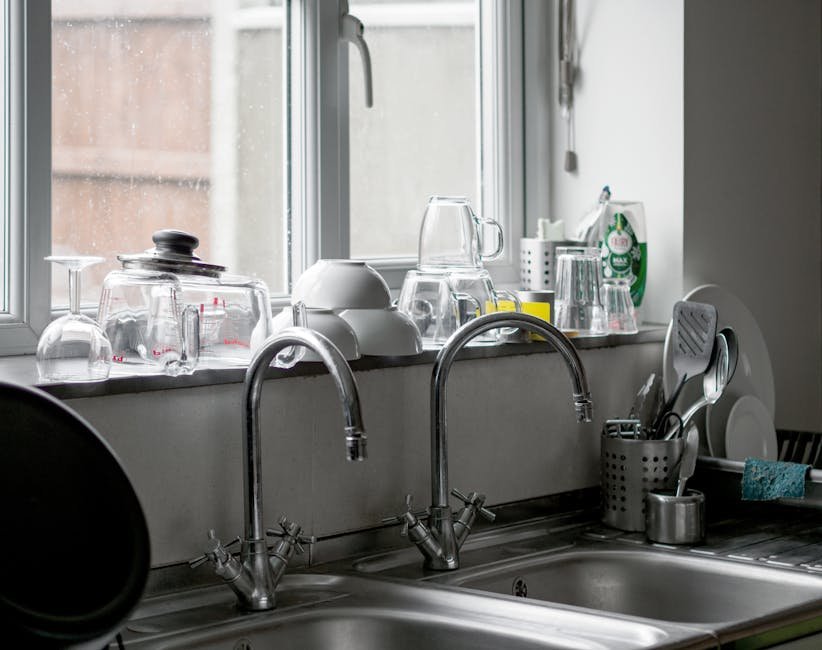
Your kitchen faucet is one of the most used spots in your home, yet it often gets overlooked when it comes to cleaning. Over time, grime, water spots, and even bacteria can build up, making your faucet look dull and less hygienic.
But don’t worry—cleaning your kitchen faucet thoroughly is easier than you think. You’ll discover simple, effective tips that will help your faucet shine like new and keep it germ-free. Ready to transform your kitchen sink area? Let’s dive in and make your faucet sparkle!
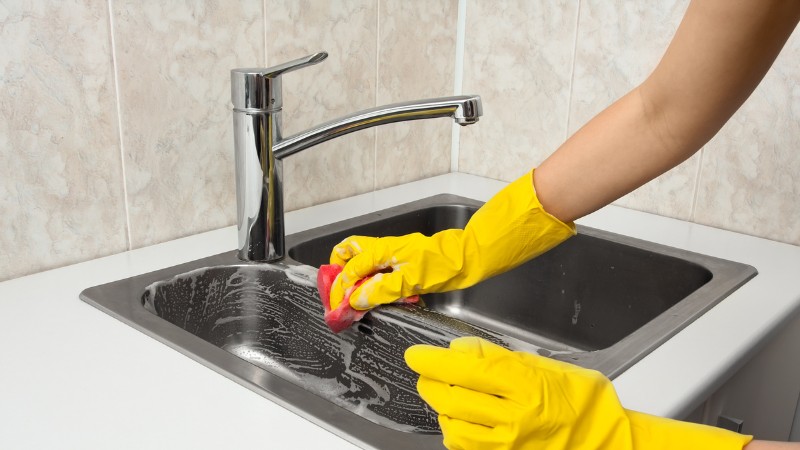
Credit: modern-maids.com
Tools And Materials Needed
Cleaning kitchen faucets thoroughly requires the right tools and materials. Using proper supplies makes the process easier and helps protect the faucet’s finish.
Gathering everything before you start saves time and ensures a complete clean. Below are the common tools and materials needed for this task.
Cleaning Cloths And Brushes
Soft cloths and small brushes help remove dirt and grime without scratching the faucet. Microfiber cloths work well for wiping and polishing.
- Microfiber cloths for wiping and drying
- Soft-bristled toothbrush for crevices
- Small scrub brush for stubborn spots
Cleaning Solutions
Use gentle cleaning solutions that break down build-up without harming the faucet. Avoid harsh chemicals that can damage finishes.
| Cleaning Solution | Purpose |
| White vinegar | Removes mineral deposits |
| Mild dish soap | Cuts grease and dirt |
| Baking soda paste | Scrubs tough stains |
| Commercial faucet cleaner | Designed for metal finishes |
Additional Tools
Extra tools make cleaning easier and help reach tight spots around the faucet.
- Old toothbrush or small scrub brush
- Toothpicks for tiny crevices
- Rubber gloves to protect hands
- Spray bottle for applying solutions
Daily Maintenance Tips
Keeping your kitchen faucet clean every day helps it last longer. Dirt and water spots build up fast. Simple daily care stops stains and clogs.
Use easy steps to wipe and rinse your faucet daily. This keeps it shiny and working well. Follow these tips to keep your faucet fresh all the time.
Wipe The Faucet After Use
Use a soft cloth or sponge to dry the faucet after each use. This stops water spots and mineral build-up. Avoid harsh scrubbing that can scratch the surface.
Clean With Mild Soap
Mix mild dish soap with warm water. Use a soft cloth to clean the faucet daily. This removes grease and dirt without damage.
Check And Clear The Aerator
The aerator can trap debris and reduce water flow. Check it once a week. Remove it and rinse under water to clear any blockages.
- Turn off water supply before removing the aerator
- Use a small brush to clean inside the aerator screen
- Rinse thoroughly and screw it back gently
- Test water flow to ensure it works well
Avoid Using Harsh Chemicals
Do not use bleach or abrasive cleaners. They can damage the faucet finish. Stick to gentle, non-abrasive products for daily cleaning.
Maintain Shine With Vinegar Solution
Mix equal parts white vinegar and water in a spray bottle. Spray on the faucet and wipe with a soft cloth. This removes light mineral deposits and keeps shine.
| Solution | Use |
| 50% Vinegar & 50% Water | Daily wipe to prevent build-up |
| Pure Vinegar | Use for tough spots, rinse well after |
Removing Mineral Deposits
Mineral deposits can build up on kitchen faucets. These deposits make the faucet look dull and can block water flow. Cleaning them regularly keeps your faucet shiny and working well.
Two easy ways to remove these deposits are using vinegar and baking soda. Both are safe and effective for cleaning mineral buildup.
Vinegar Soak Method
Vinegar is acidic and breaks down mineral deposits quickly. Soaking the faucet in vinegar helps dissolve hard water stains and lime scale.
- Fill a plastic bag with white vinegar.
- Place the bag over the faucet spout, covering all mineral deposits.
- Secure the bag with a rubber band or twist tie.
- Let the vinegar soak for 1 to 2 hours.
- Remove the bag and scrub the faucet with a soft brush.
- Rinse the faucet with clean water and dry it with a cloth.
Baking Soda Scrub
Baking soda is a gentle abrasive that helps scrub away mineral deposits without scratching the faucet surface. It also neutralizes odors.
| Ingredient | Use | Effect |
|---|---|---|
| Baking Soda | Make a paste with water | Scrubs and removes deposits |
| Soft Brush or Cloth | Apply paste and scrub | Prevents scratching |
| Water | Rinse after scrubbing | Removes residue |
To clean, apply the baking soda paste to the faucet. Scrub gently with a soft brush or cloth. Rinse well and dry to reveal a clean shine.

Credit: us.cleadeep.com
Tackling Stubborn Stains
Kitchen faucets often get stains from water spots and dirt. These stains can be hard to clean with just water.
Using the right cleaning methods helps keep your faucet shiny and clean. Here are some tips to remove tough stains.
Lemon And Salt Paste
Lemon and salt make a natural cleaner for tough stains on faucets. Lemon’s acid breaks down stains, and salt scrubs gently.
Mix lemon juice with salt to form a thick paste. Apply it to the stained areas and let it sit for 10 minutes.
- Rub the paste gently with a soft cloth or sponge.
- Rinse well with warm water to remove all residue.
- Dry the faucet with a clean towel to prevent new spots.
Commercial Cleaners Usage
Some commercial cleaners are made to remove hard stains on metal surfaces. Use cleaners labeled safe for kitchen faucets.
Follow the instructions on the cleaner bottle for best results. Usually, apply the cleaner, wait a few minutes, then wipe off.
- Wear gloves to protect your skin.
- Test the cleaner on a small hidden area first.
- Rinse the faucet thoroughly after cleaning.
Cleaning Hard-to-reach Areas
Kitchen faucets have many small parts and tight spaces. Dirt and grime can hide in these hard-to-reach areas.
Cleaning these spots well keeps your faucet looking shiny and working properly.
Using A Toothbrush
A toothbrush is perfect for scrubbing small and curved parts of your faucet. Its bristles reach into crevices easily.
Use an old toothbrush with soft bristles to avoid scratches. Dip it in soapy water or vinegar for better cleaning.
- Focus on the base of the faucet where grime builds up
- Clean around handles and spout joints
- Brush gently to remove mineral deposits
Floss For Tight Spaces
Dental floss can slide into very narrow gaps that brushes cannot reach. It helps remove dirt and buildup between parts.
Wrap the floss around the faucet areas that need cleaning. Move it back and forth to loosen grime and dust.
- Use unwaxed floss to avoid leaving residue
- Try flossing around faucet handles and narrow seams
- Use a fresh piece of floss for each section
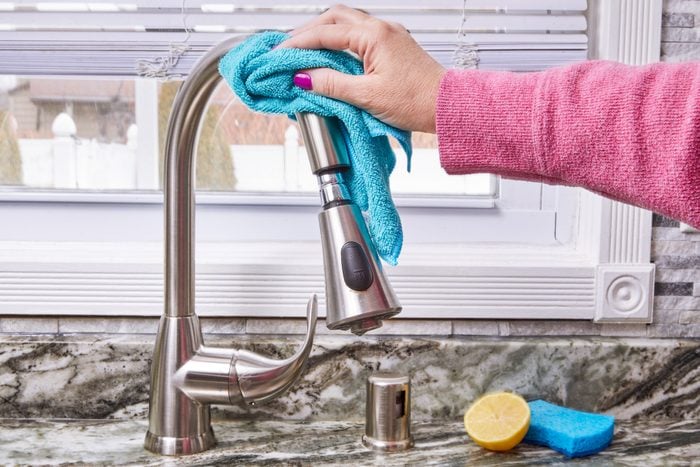
Credit: www.rd.com
Polishing For A Sparkling Finish
Cleaning your kitchen faucet well makes it look new and shiny. Polishing is the last step. It removes water spots and dullness.
Use simple items from your home to polish your faucet. This helps keep it bright and clean.
Using Olive Oil
Olive oil works well to add shine to metal faucets. It helps remove small spots and adds a smooth finish.
Put a few drops on a soft cloth. Rub the faucet in small circles. This will bring out a nice shine.
- Use extra virgin olive oil for best results
- Avoid using too much oil to prevent stickiness
- Buff gently to spread the oil evenly
Microfiber Cloth Buffing
Microfiber cloths are perfect for polishing faucets. They clean without scratching the surface.
After applying oil or cleaner, use a dry microfiber cloth. Buff the faucet until it shines brightly.
- Use a clean cloth to avoid spreading dirt
- Buff in circular motions for best shine
- Keep cloth dry to remove excess oil or cleaner
Preventive Measures
Keeping your kitchen faucet clean is easier with regular care. Small habits help stop buildup and stains.
Taking preventive steps saves time and keeps your faucet shiny for longer.
Regular Wiping Routine
Wipe your faucet daily to remove water spots and dirt. Use a soft cloth to avoid scratches.
- After washing dishes, dry the faucet with a microfiber cloth.
- Clean around the base and handles to prevent grime buildup.
- Use mild soap and warm water for weekly cleaning.
- Avoid harsh cleaners that can damage the finish.
Water Softener Benefits
Hard water causes mineral buildup on faucets. Water softeners reduce this problem.
| Benefit | Explanation |
| Less Mineral Buildup | Soft water lowers limescale and spots on faucets. |
| Longer Faucet Life | Reduced minerals prevent corrosion and damage. |
| Easier Cleaning | Soft water cleans off easily without heavy scrubbing. |
| Better Water Flow | Soft water helps keep pipes and faucets clear. |
Frequently Asked Questions
How Often Should I Clean My Kitchen Faucet?
Clean your kitchen faucet at least once a week. Regular cleaning prevents grime, water spots, and bacteria buildup. Wipe it with a mild cleaner and soft cloth for best results. Deep clean monthly to remove mineral deposits and maintain shine.
What’s The Best Cleaner For Kitchen Faucets?
Use a mild soap or vinegar solution for cleaning faucets. Avoid harsh chemicals that damage finishes. Vinegar effectively removes mineral deposits without scratching. Always rinse well and dry to prevent water spots and corrosion.
How Can I Remove Hard Water Stains On Faucets?
Apply white vinegar to hard water stains and let it sit for 10 minutes. Scrub gently with a soft brush or cloth. Rinse with water and dry thoroughly. Repeat if necessary to restore faucet shine and remove buildup.
Can I Use Toothpaste To Clean My Kitchen Faucet?
Yes, toothpaste can clean and polish faucets gently. Apply a small amount with a soft cloth and rub in circular motions. Rinse well and dry. Avoid abrasive toothpaste types to prevent scratches on the faucet surface.
Conclusion
Cleaning kitchen faucets regularly keeps them shiny and working well. Use gentle cleaners to avoid damage. Small tools help reach tight spots easily. Don’t forget to dry the faucet after cleaning. This stops water spots and buildup. Clean faucets also help keep your kitchen hygienic.
Simple habits save time and effort later. Try these tips to make your faucet look new. A clean faucet makes your kitchen feel fresh and inviting. Keep it up, and enjoy a sparkling kitchen every day.