
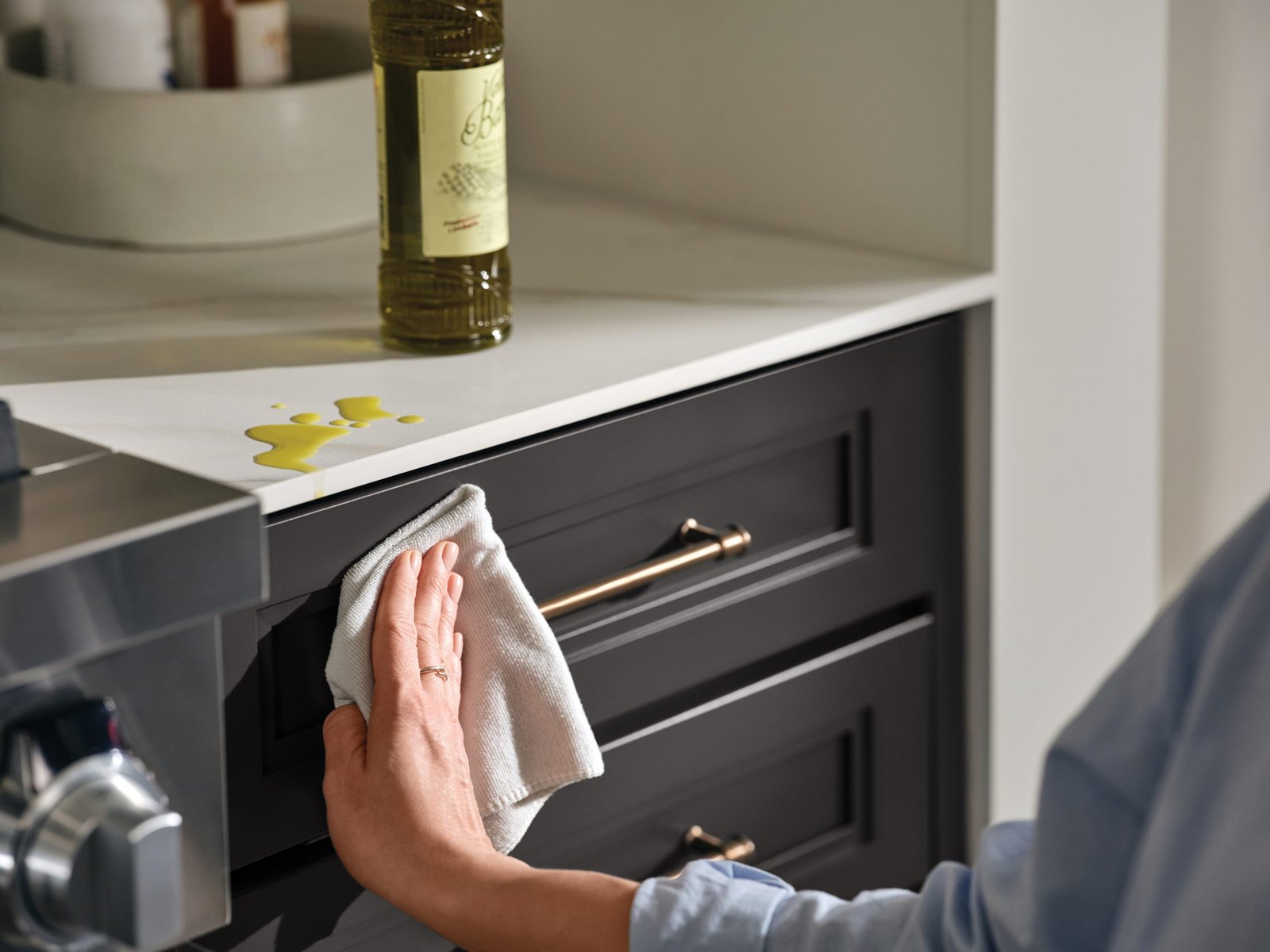
Are your kitchen drawers and cabinets starting to look cluttered and messy? You’re not alone.
Cleaning these often-overlooked spots can make a huge difference in how your kitchen feels and functions. Imagine opening a drawer and instantly finding exactly what you need, or pulling out a cabinet shelf that’s spotless and organized. Sounds great, right?
You’ll discover simple, effective tips that make cleaning your kitchen drawers and cabinets easier than ever. Keep reading, and you’ll transform your kitchen into a cleaner, more enjoyable space in no time.
Credit: tidyhere.com
Organizing Supplies
Keeping kitchen drawers and cabinets clean helps you find things fast. Organizing supplies is key for a neat kitchen.
Good cleaning tools and safe cleaners make the job easier. Use items that work well and are safe for your kitchen.
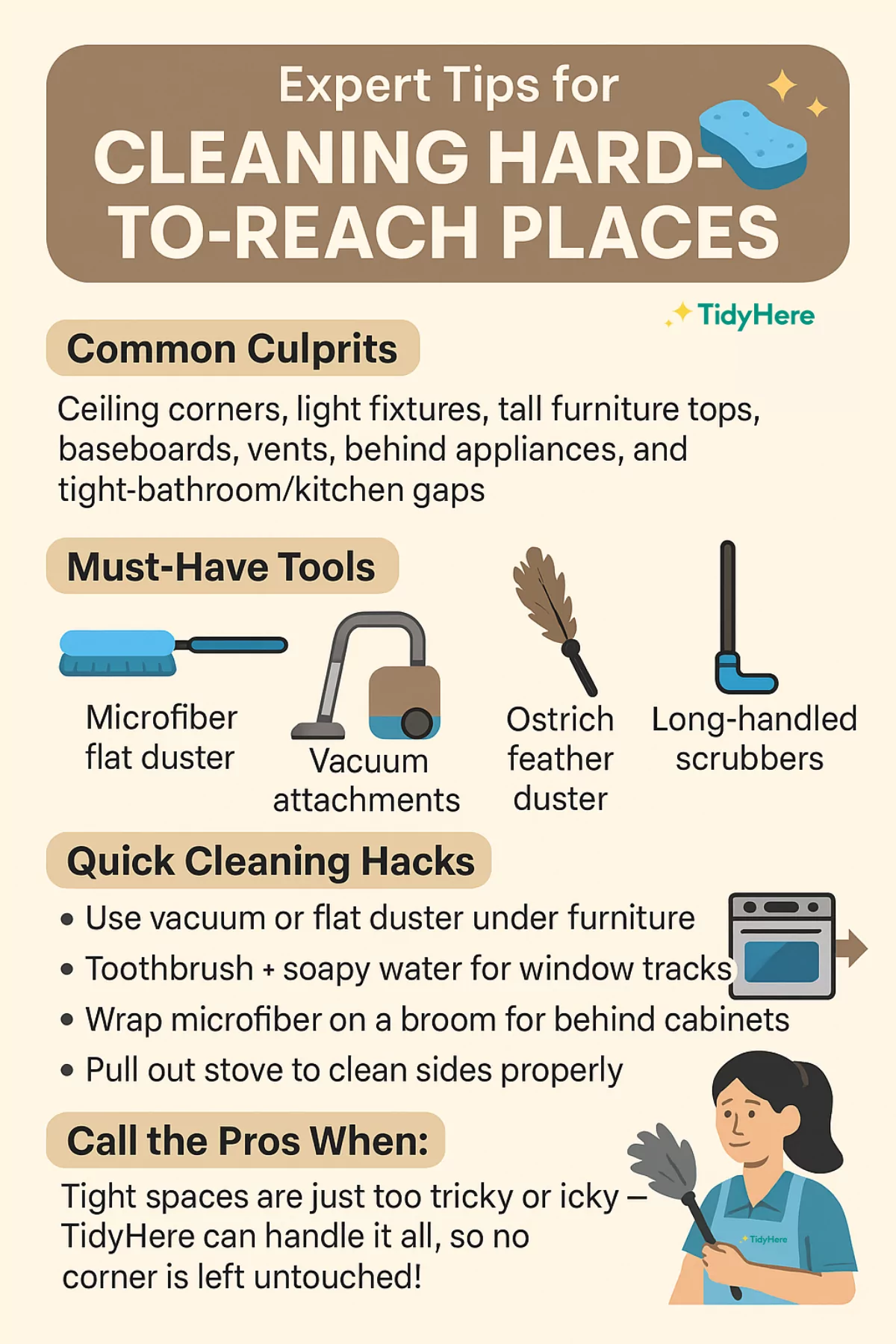
Essential Cleaning Tools
Use the right tools to clean drawers and cabinets thoroughly. This saves time and gets better results.
- Soft cloths for wiping surfaces without scratching
- Small brushes to clean corners and edges
- Sponges for removing stains and spills
- Spray bottles for applying cleaning solutions
- Vacuum or handheld dusters for dry debris
Keep these tools together in one place. This helps you clean quickly and keeps your supplies ready.
Eco-friendly Cleaners
Choose cleaners that do not harm the environment. They are safer for your family and the planet.
- White vinegar works well to cut grease and odors
- Baking soda cleans and removes stains gently
- Castile soap is a natural soap for many surfaces
- Lemon juice brightens and freshens kitchen areas
- Essential oils add a pleasant smell without chemicals
Mix these items with water to make simple cleaning solutions. Store them in spray bottles for easy use.

Credit: www.bondcleaning.sydney
Emptying Contents
Cleaning kitchen drawers and cabinets starts by taking everything out. Emptying contents gives you a clear view of what you have. It also makes cleaning easier and more effective.
Remove all items carefully and place them on a clean surface. This helps avoid mixing dirty items with clean ones.
Sorting And Decluttering
Look at each item and decide if you need it. Toss expired or broken items. Donate things you no longer use but are still good.
Keep only items that you use regularly or have a special place in your kitchen.
- Check expiration dates on food and spices
- Discard damaged or cracked containers
- Donate unused gadgets and utensils
- Recycle empty packaging
Categorizing Kitchen Items
Group similar items together to keep your kitchen organized. This makes it easier to find things when you need them.
Use containers or dividers to separate categories inside drawers and cabinets.
- Group cooking utensils in one drawer
- Place baking items together
- Store canned goods on the same shelf
- Keep cleaning supplies separate from food
Deep Cleaning Drawers
Kitchen drawers can get dirty from spills and crumbs. Deep cleaning helps keep them fresh and neat.
Cleaning drawers well makes your kitchen more pleasant and organized. It also prevents bad smells.
Removing Residue And Stains
Start by emptying the drawers completely. Wipe out crumbs and loose dirt with a dry cloth.
Use a mild soap mixed with warm water to scrub away sticky residue and stains. A soft sponge works best.
- Mix a few drops of dish soap in warm water
- Dip a sponge and scrub the drawer surfaces
- Rinse the sponge and wipe again to remove soap
- Dry with a clean towel to avoid water damage
Sanitizing And Deodorizing
After cleaning, sanitize drawers to kill germs. Use a gentle disinfectant safe for wood or plastic.
To stop odors, sprinkle baking soda inside and leave it overnight. It absorbs smells naturally.
- Spray a disinfectant and let it sit for a few minutes
- Wipe off the disinfectant with a clean cloth
- Sprinkle baking soda in drawers and close them
- Remove baking soda the next day with a vacuum or cloth
Credit: www.thekitchn.com
Refreshing Cabinets
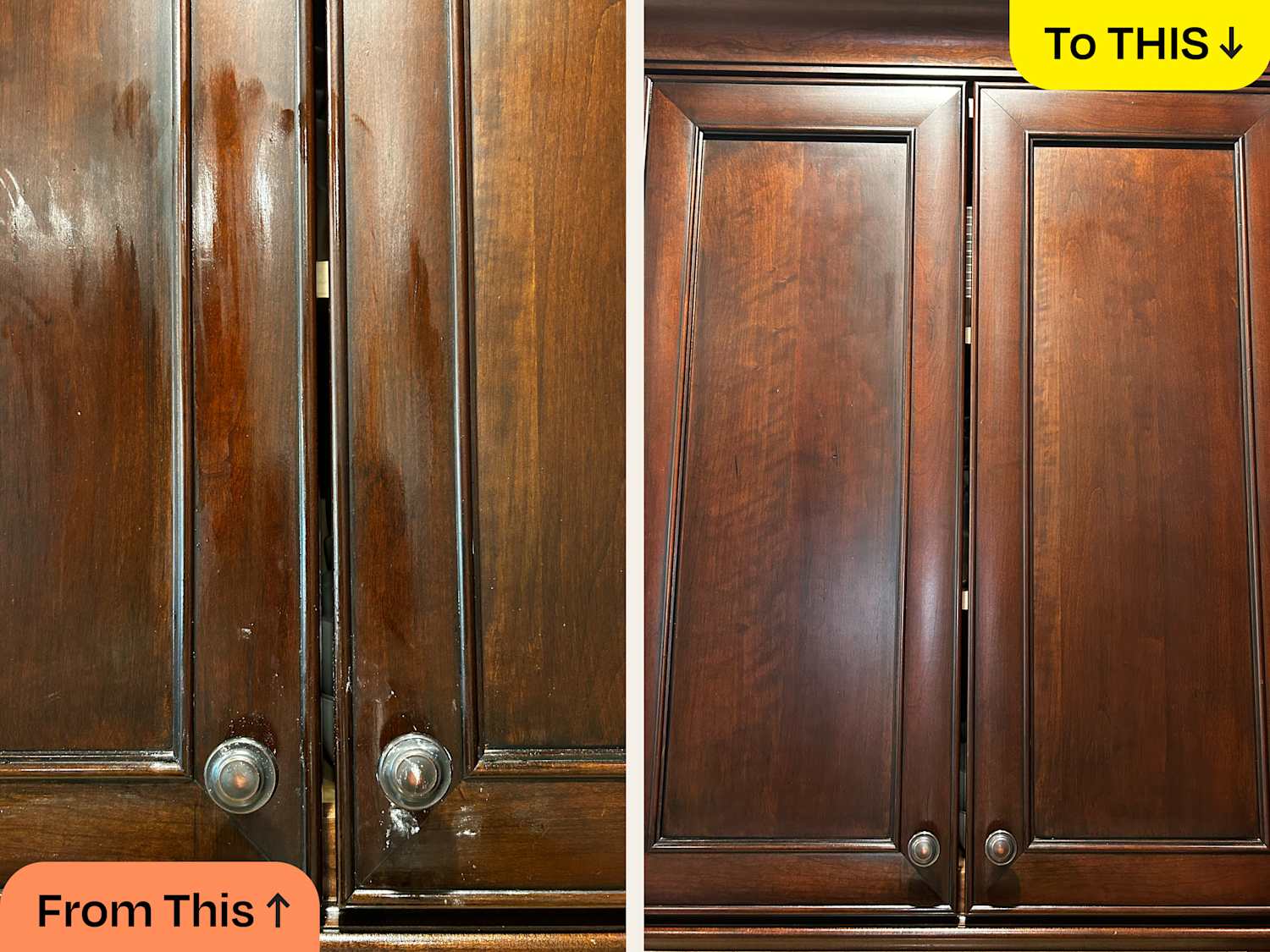
Kitchen cabinets can get dirty and dull over time. Cleaning them helps keep the kitchen fresh.
Refreshing cabinets makes your kitchen look neat and bright. It also protects the wood.
Wiping Down Surfaces
Start by removing all items from the cabinets. Use a soft cloth with warm, soapy water.
Wipe the inside and outside surfaces gently. Avoid soaking the wood to prevent damage.
- Use a mild dish soap and water mix
- Wipe with a damp cloth, not wet
- Dry surfaces quickly with a clean towel
- Clean corners and edges carefully
Polishing Wood Finishes
After cleaning, polishing restores shine to wood cabinets. Choose a polish made for wood.
Apply polish with a soft cloth in a circular motion. This helps protect and nourish the wood.
- Test polish on a small area first
- Use a soft, clean cloth for application
- Buff the surface after applying polish
- Polish cabinets every few months
Preventative Measures
Keeping kitchen drawers and cabinets clean saves time and effort. Prevent dirt and stains before they start.
Simple habits and tools help protect your kitchen storage areas. These actions keep them fresh longer.
Using Drawer Liners
Drawer liners create a barrier between the drawer surface and items inside. They stop spills and crumbs from reaching the wood.
Liners also make cleaning easier. You can remove and wash them often to keep drawers fresh.
- Choose liners that fit your drawer size well
- Use non-slip liners to keep items stable
- Pick washable or easy-to-clean materials
- Replace liners regularly to avoid buildup
Regular Maintenance Tips
Check your drawers and cabinets weekly for dust and crumbs. Wipe them with a damp cloth to prevent buildup.
Remove items and clean inside corners. Keep the area dry to avoid mold and damage.
- Use mild soap and water for cleaning
- Dry surfaces completely after wiping
- Organize items to avoid clutter
- Avoid placing wet items inside drawers
- Inspect handles and hinges for wear
Reorganizing And Restocking
Cleaning kitchen drawers and cabinets is a great time to reorganize your space. It helps you find items faster and keep your kitchen tidy.
Restocking after cleaning ensures you have what you need. It also prevents clutter from building up again.
Efficient Storage Solutions
Use storage tools that fit your kitchen items well. This saves space and keeps things neat.
Drawer dividers, bins, and shelves help separate and organize items clearly.
- Use small containers for utensils
- Stackable bins save vertical space
- Pull-out shelves make access easier
- Lazy Susans keep spices within reach
Labeling For Easy Access
Labeling drawers and cabinets helps you find things quickly. It also reminds you where to put items back.
Use clear, simple labels that everyone in your home can read and understand.
- Label containers with their contents
- Use chalkboard labels for easy changes
- Place labels on the front of drawers
- Color-code labels by category
Frequently Asked Questions
How Often Should Kitchen Drawers Be Cleaned?
Kitchen drawers should be cleaned every 1-2 months. Regular cleaning prevents dirt buildup and keeps utensils hygienic. Wipe spills immediately to avoid stains and odors. Deep clean occasionally by removing contents and scrubbing drawer interiors thoroughly for best results.
What’s The Best Cleaner For Kitchen Cabinets?
A mild dish soap mixed with warm water is best. Avoid harsh chemicals that damage cabinet finishes. Use a soft cloth or sponge to gently clean surfaces. For greasy spots, add a small amount of vinegar to the solution for effective removal.
How To Organize Kitchen Drawers Efficiently?
Use drawer dividers to separate utensils and tools. Group similar items together for easy access. Keep frequently used items near the front. Declutter regularly by removing unused or broken items. Clear organization saves time and maintains drawer cleanliness.
Can I Use Natural Products For Cabinet Cleaning?
Yes, natural products like vinegar, baking soda, and lemon are safe. They effectively remove grease and odors without harsh chemicals. Mix vinegar with water for routine cleaning. Baking soda paste works well for tough stains. Always test on a small area first.
Conclusion
Clean kitchen drawers and cabinets make cooking easier. Regular cleaning stops dirt and germs from building up. Use simple tools like cloths and mild cleaners. Organize items to save space and time. Small efforts keep your kitchen fresh and neat.
Start today and enjoy a tidy kitchen every day.