
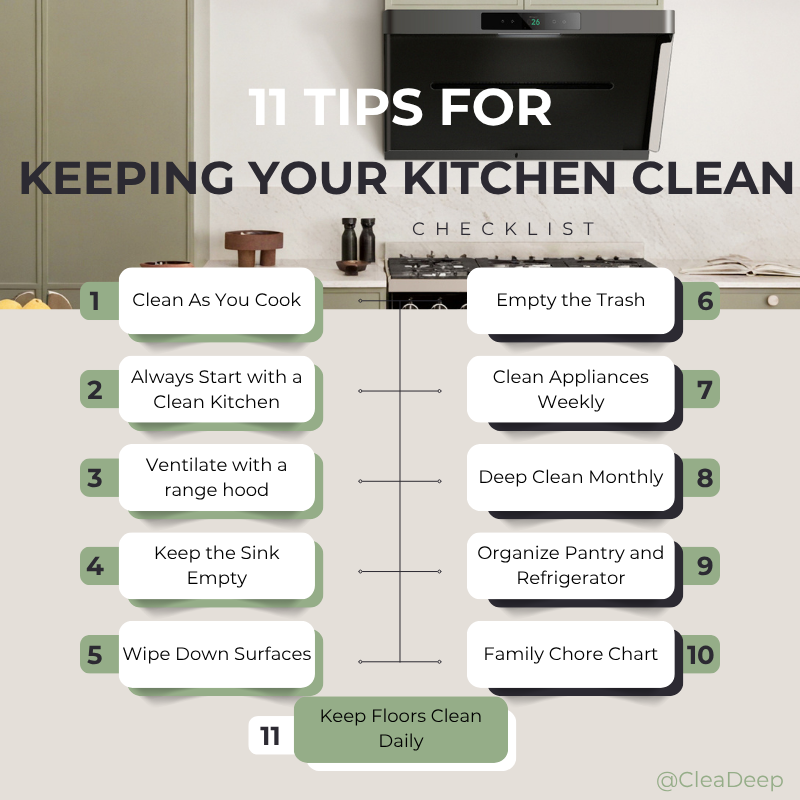
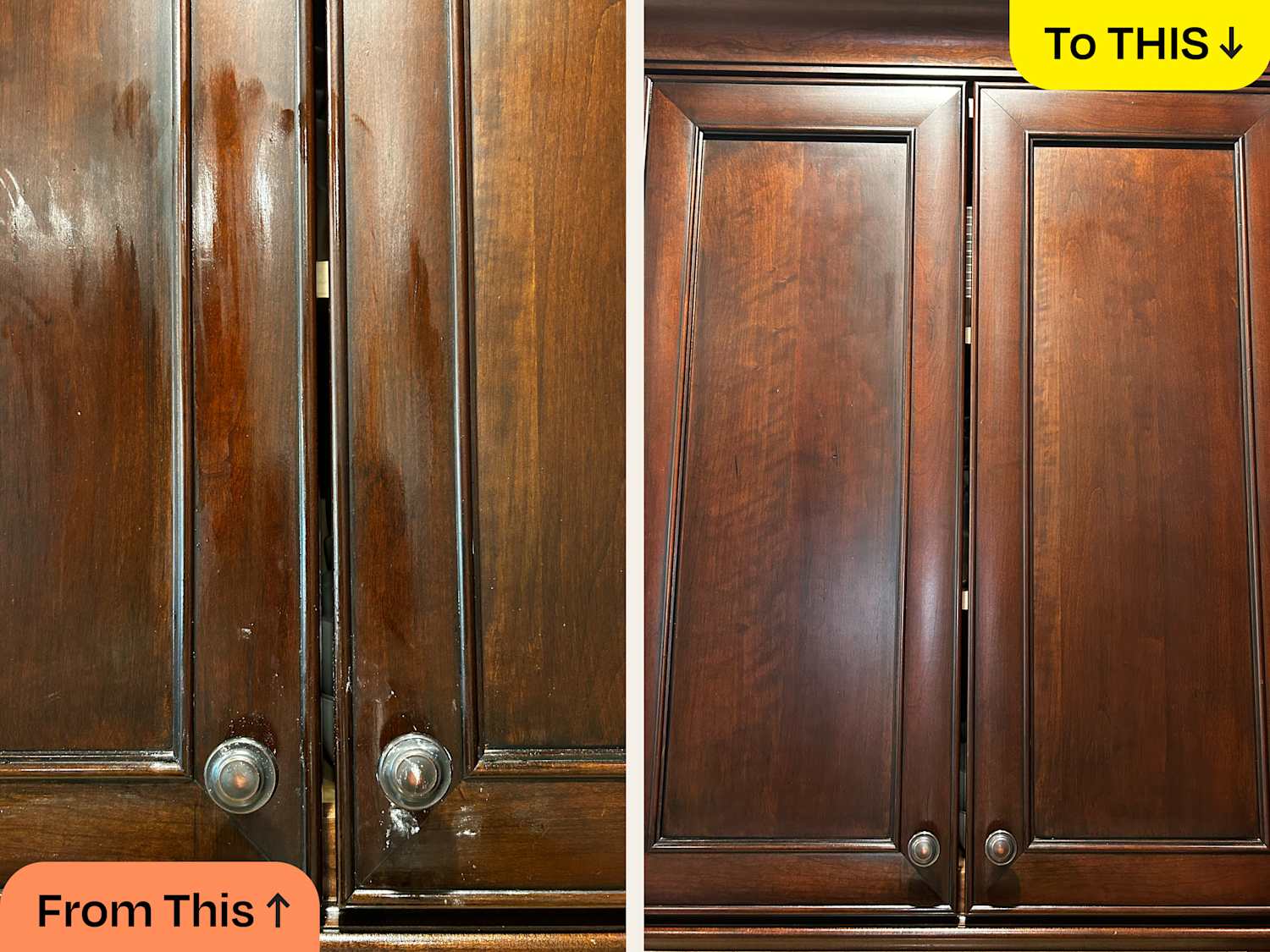
Are your kitchen cupboards looking dull or sticky? You’re not alone—cleaning them can feel like a tough job.
But what if you could make the process quick and easy, leaving your cupboards spotless and fresh? You’ll discover simple, effective tips that will transform your kitchen cupboards without wasting your time. Ready to bring back that clean, inviting look?
Keep reading and find out how to tackle cupboard cleaning like a pro.

Credit: www.youtube.com
Choosing The Right Cleaning Supplies
Cleaning kitchen cupboards is easier with the right supplies. Picking good tools helps you clean fast and well.
Using the right cleaners keeps your cupboards safe and looking nice for longer.
Essential Tools And Materials
Start with soft cloths and sponges to avoid scratches. Use mild cleaners that remove grease without damage.
Keep a small brush or old toothbrush handy for corners and edges.
- Microfiber cloths for gentle wiping
- Non-abrasive sponges to clean surfaces
- Mild dish soap or all-purpose cleaner
- Soft-bristled brush for tight spots
- Spray bottle for water or diluted cleaner
Eco-friendly Alternatives
Choose natural cleaners that do not harm the environment. Vinegar and baking soda work well for grease and stains.
Reusable cloths reduce waste and save money over time.
- White vinegar diluted with water as a cleaner
- Baking soda paste for tough spots
- Lemon juice to freshen and brighten surfaces
- Reusable cotton or microfiber cloths
- Natural oils for wood cupboard care
Decluttering Before Cleaning
Cleaning kitchen cupboards is easier after removing clutter. Decluttering helps you see what you have.
It saves time and makes the cleaning process more effective and organized.
Sorting And Organizing Contents
Take everything out of the cupboards before cleaning. Group items by type or use.
Sort items into categories like spices, canned goods, and cooking tools. This helps find what to keep or discard.
- Group similar items together
- Check expiration dates
- Put frequently used items in easy reach
- Use containers or baskets to organize
Deciding What To Keep Or Discard
Look at each item carefully. Keep things you use often and are in good condition.
Throw away expired food and broken kitchen tools. Donate items you no longer need but are still usable.
- Keep items used in the last 6 months
- Discard expired or damaged goods
- Donate unused but good items
- Recycle packaging and containers
Effective Cleaning Techniques
Cleaning kitchen cupboards keeps your kitchen fresh and tidy. Proper cleaning removes dirt and bacteria.
Using the right techniques protects cupboard surfaces and makes cleaning easier.
Cleaning Different Materials
Kitchen cupboards come in many materials like wood, laminate, and metal. Each needs special care.
Use soft cloths and gentle cleaners for delicate surfaces. Avoid harsh chemicals on wood.
- Wood: Use mild soap and water, dry quickly.
- Laminate: Wipe with warm soapy water, then dry.
- Metal: Use vinegar solution to prevent rust.
- Glass panels: Clean with glass cleaner or vinegar mix.
Removing Stubborn Stains And Grease
Grease and stains can build up over time. They need stronger cleaning but careful handling.
Use baking soda or vinegar to break down grease without damaging surfaces.
- Sprinkle baking soda on stains and scrub gently with a damp cloth.
- Mix equal parts vinegar and water in a spray bottle, spray, then wipe.
- For tough grease, apply a small amount of dish soap directly and scrub lightly.
- Always rinse and dry cupboards after cleaning to avoid residue.
Natural Cleaning Solutions
Cleaning kitchen cupboards with natural solutions keeps your space fresh and safe. These options use simple ingredients found at home.
Natural cleaners reduce chemicals and are gentle on cupboard surfaces. They help maintain a healthy kitchen environment.
Benefits Of Homemade Cleaners
Homemade cleaners use natural ingredients that are safe and affordable. They do not contain harsh chemicals that can harm you.
These cleaners are easy to make and reduce plastic waste by reusing containers. You can adjust recipes for different cleaning needs.
- Safe for children and pets
- Cost-effective and easy to prepare
- Eco-friendly and biodegradable
- Gentle on cupboard finishes
- Free from strong artificial scents
Recipes For Diy Solutions
Try these simple recipes to clean your kitchen cupboards naturally. Each uses common household ingredients.
- Vinegar and Water Spray:Mix equal parts white vinegar and water in a spray bottle. Use to wipe cupboard surfaces clean.
- Baking Soda Paste:Mix baking soda with a little water to make a paste. Apply to stains and scrub gently.
- Lemon and Olive Oil Polish:Combine lemon juice with olive oil. Use a soft cloth to polish wood cupboards.
- Castile Soap Solution:Add a few drops of liquid castile soap to warm water. Clean cupboards with a sponge dipped in the mix.
Polishing And Finishing Touches
Cleaning kitchen cupboards is not complete without polishing. Polishing brings out the natural shine of the wood or material.
Finishing touches help protect cupboards. They keep surfaces looking fresh longer.
Achieving A Sparkling Shine
Start by choosing the right polish for your cupboard material. Use a soft cloth to apply polish evenly.
Buff the surface gently in small circles. This removes smudges and brings out a bright shine.
- Use wood polish for wooden cupboards
- Try a mild cleaner for laminate surfaces
- Apply polish sparingly to avoid buildup
- Always test polish on a small area first
Long-lasting Protection Tips
After polishing, add a protective layer to keep cupboards safe. This helps prevent stains and scratches.
Use wax or sealant suitable for your cupboard type. Reapply protection every few months for best results.
- Keep cupboards dry to avoid damage
- Clean spills quickly to protect finishes
- Use soft cloths to avoid scratching
- Avoid harsh chemicals that wear finishes
Maintenance Tips For Lasting Cleanliness
Keeping kitchen cupboards clean takes regular care. Dirt and grease can build up fast in the kitchen.
Follow simple tips to keep your cupboards fresh and lasting clean for a long time.
Regular Cleaning Schedule
Set a routine to clean your cupboards every week or two. This keeps dirt from settling.
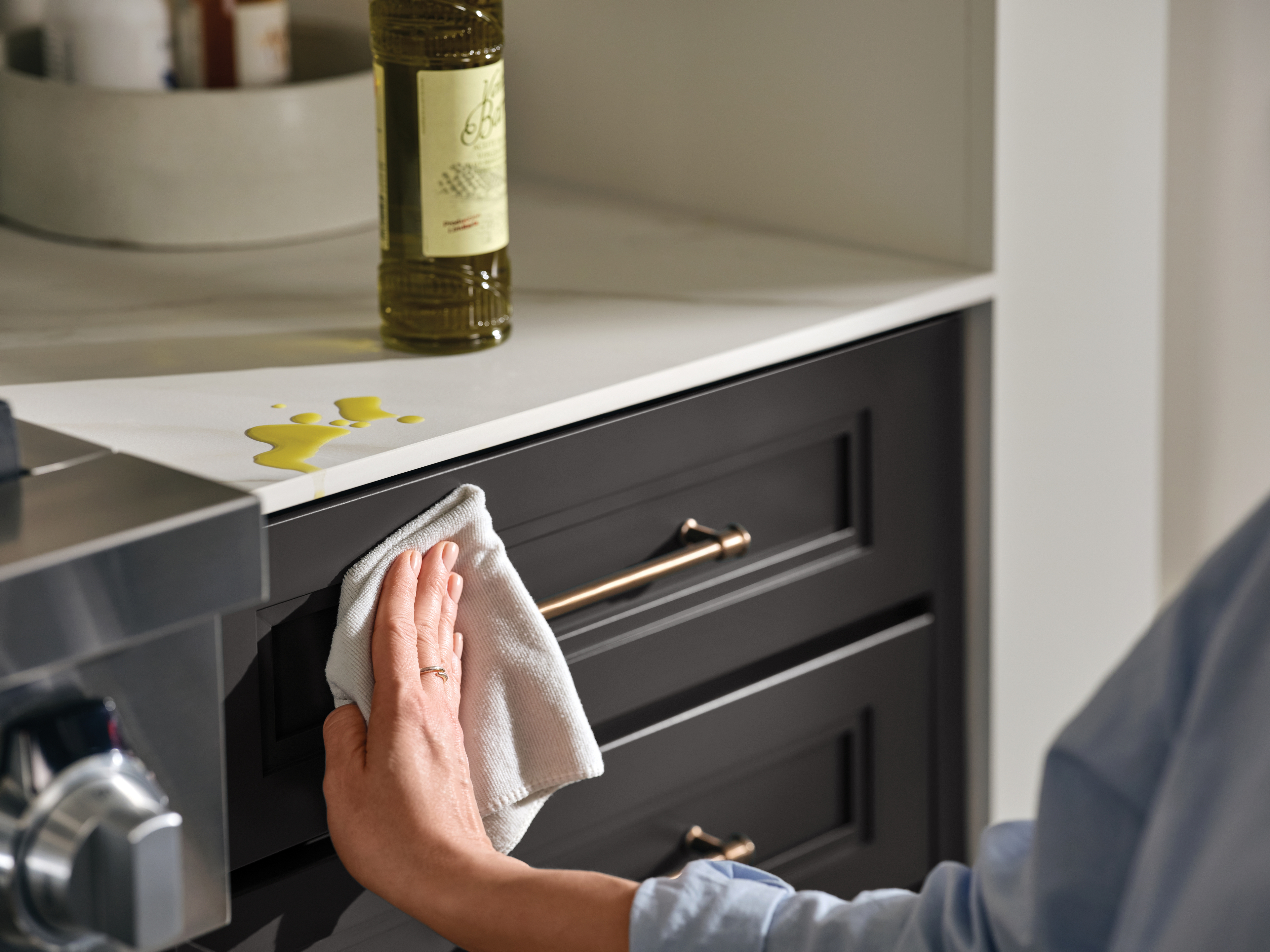
Use a soft cloth and mild cleaner to wipe doors and handles. Don’t forget inside shelves.
- Wipe spills immediately to avoid stains
- Dust shelves regularly to prevent buildup
- Clean handles often as they collect grease
- Use warm water and gentle soap for cleaning
- Dry surfaces well to stop moisture damage
Preventing Future Build-up
Stop grease and dirt from piling up by using simple habits every day. These help cupboards stay clean.
Keep kitchen air fresh and avoid storing wet items inside cupboards to reduce moisture and mold.
- Use exhaust fans to reduce kitchen steam and grease
- Store food in sealed containers to prevent spills
- Clean spills inside cupboards right away
- Avoid placing wet cloths or sponges in cupboards
- Check cupboards monthly for signs of dirt or damage
Safety Precautions During Cleaning
Cleaning kitchen cupboards keeps your space fresh and tidy. It is important to follow safety steps. This prevents accidents and health issues.
Using chemicals and cleaning tools the right way protects you and your home. Always take care during cleaning tasks.
Handling Cleaning Chemicals Safely
Cleaning products can be harmful if not used correctly. Read labels and follow instructions carefully. Keep chemicals out of children’s reach.
- Wear gloves to protect your hands from harsh chemicals.
- Use cleaning sprays in well-ventilated areas to avoid breathing fumes.
- Never mix different cleaning products; this can cause dangerous reactions.
- Store chemicals in their original containers with labels intact.
- Dispose of unused chemicals safely according to local rules.
Protecting Skin And Eyes
Skin and eyes are sensitive to cleaning agents. Protect them by wearing safety gear. This prevents irritation and injuries.
| Protective Gear | Purpose |
| Gloves | Prevent skin contact with chemicals |
| Safety goggles | Shield eyes from splashes and fumes |
| Long sleeves | Protect arms from spills and sprays |
| Face mask | Reduce inhalation of harmful particles |
Credit: www.kraftmaid.com
Credit: www.thekitchn.com
Frequently Asked Questions
How Often Should I Clean Kitchen Cupboards?
Clean kitchen cupboards every 3 to 6 months. Regular cleaning prevents grease buildup and keeps cupboards hygienic. Wipe spills immediately to avoid stains and damage.
What Is The Best Cleaner For Kitchen Cupboards?
Use mild dish soap mixed with warm water. Avoid harsh chemicals that can damage cupboard finishes. For tough stains, use baking soda paste gently.
How Do I Remove Grease From Kitchen Cupboards?
Mix equal parts vinegar and water in a spray bottle. Spray on greasy areas and wipe with a soft cloth. Repeat if necessary for stubborn grease.
Can I Use Natural Products To Clean Cupboards?
Yes, natural products like vinegar, baking soda, and lemon juice are effective. They clean well without harsh chemicals, ensuring safe and eco-friendly cupboard care.
Conclusion
Cleaning kitchen cupboards keeps your space fresh and organized. Use gentle cleaners to protect surfaces. Regular wiping stops dirt and grease build-up. Don’t forget to dry shelves fully to avoid mold. Small efforts make a big difference over time. A clean kitchen feels welcoming and comfortable.
Keep these tips handy for easy cupboard care. Your kitchen will stay neat and ready for cooking. Simple steps, great results.