

Are your kitchen counters looking dull or feeling sticky no matter how often you wipe them down? You might be using harsh chemicals that leave behind residue or miss some hidden grime.
Imagine having a sparkling clean kitchen surface without any toxic sprays or strong smells. You can achieve this with simple, natural methods that are safe for your family and the environment. Keep reading to discover easy, effective tips that will help you clean your kitchen counters thoroughly and naturally—making your cooking space fresher and healthier than ever before.
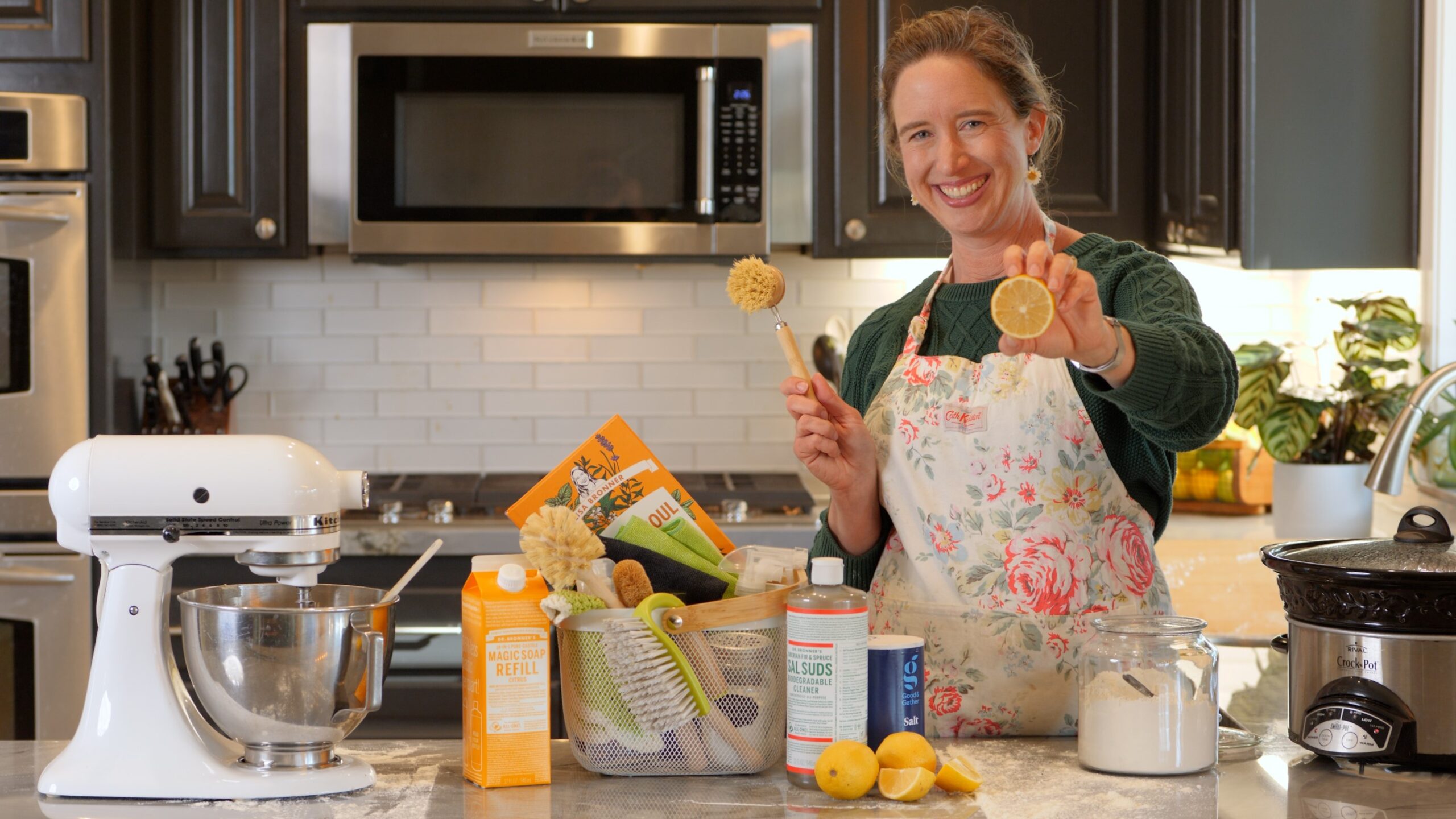
Credit: www.lisabronner.com
Choosing Natural Cleaning Ingredients
Cleaning kitchen counters with natural ingredients keeps your space safe and fresh. These ingredients avoid harsh chemicals that can harm your health.
Using natural cleaners helps protect the environment and is gentle on surfaces. Choose simple items you may already have at home.
White Vinegar
White vinegar is a strong natural cleaner that fights germs and removes stains. It works well to cut grease on kitchen counters.
Mix vinegar with water in equal parts for an easy spray cleaner. Avoid using vinegar on natural stone like granite or marble.
Baking Soda
Baking soda is a gentle scrubbing agent that removes dirt and odors. It is safe for most counter surfaces and helps brighten them.
Sprinkle baking soda on the counters, then scrub with a damp cloth. Rinse well with water to remove any residue.
Lemon Juice
Lemon juice has natural antibacterial properties and a fresh scent. It helps break down grease and leaves counters smelling clean.
Use lemon juice alone or mixed with water to wipe down surfaces. Test first on a small area to check for any reaction.
Castile Soap
Castile soap is a plant-based soap that cleans without harsh chemicals. It works well on kitchen counters to remove dirt and grime.
Mix a few drops of castile soap with water to create a gentle cleaning solution. Use a soft cloth to wipe the counters clean.
Essential Oils
Essential oils like tea tree and lavender add natural antibacterial power and a pleasant smell. They boost the cleaning effect of other ingredients.
Add a few drops of essential oil to your homemade cleaners. This helps fight germs and leaves counters smelling fresh.
Vinegar And Baking Soda Combo
Cleaning kitchen counters naturally is easy with vinegar and baking soda. This combo fights dirt and germs safely.
Both ingredients are common and affordable. They work well together for a fresh, clean surface.
How Vinegar Cleans Kitchen Counters
Vinegar is acidic. It breaks down grease and removes stains on counters. It kills many bacteria and germs too.
You can spray vinegar directly on counters or use it with water. It leaves surfaces shiny and fresh.
Baking Soda’s Role In Cleaning
Baking soda is a mild abrasive. It scrubs away stuck-on food and grime without scratching counters.
It also neutralizes odors. Sprinkle baking soda on counters before cleaning to freshen the area.
Using Vinegar And Baking Soda Together
Mixing vinegar and baking soda creates a fizzing reaction. This helps lift dirt and clean hard spots.
First, sprinkle baking soda on the counter. Then spray vinegar over it. Let it bubble for a few minutes before wiping.
- Sprinkle baking soda evenly on surface
- Spray white vinegar over baking soda
- Wait 3 to 5 minutes for fizzing action
- Wipe with a damp cloth or sponge
- Dry the counter with a clean towel
Tips For Safe And Effective Cleaning
Test the vinegar and baking soda mix on a small counter spot first. Some surfaces may react badly.
Use soft cloths or sponges to avoid scratches. Rinse well to remove all residue after cleaning.
- Avoid using on marble or natural stone counters
- Do not mix vinegar with bleach or other cleaners
- Use fresh vinegar and baking soda for best results
- Store ingredients in a cool, dry place
Lemon Power For Stain Removal
Lemons are a natural cleaner for kitchen counters. Their acidity helps break down stains and grime.
Using lemon is safe and eco-friendly. It leaves your counters fresh and clean without harsh chemicals.
Why Lemon Works On Stains
Lemon juice contains citric acid. This acid dissolves dirt and removes discoloration on surfaces.
The natural scent of lemon also helps to freshen the kitchen space.
How To Use Lemon For Cleaning
- Cut a fresh lemon in half.
- Rub the lemon directly on the stained area.
- Let the juice sit for 5 to 10 minutes.
- Wipe the counter with a clean, damp cloth.
- Dry the surface with a soft towel.
Lemon And Baking Soda Combo
Mix lemon juice with baking soda to create a paste. This paste works well on tough stains.
| Ingredient | Amount | Use |
| Lemon juice | 2 tablespoons | Natural acid cleaner |
| Baking soda | 1 tablespoon | Gentle abrasive |
| Water | As needed | Adjust paste consistency |
Apply the paste on the stain, scrub gently, then rinse with water.
Safety Tips When Using Lemon
- Test lemon juice on a small spot first to check for damage.
- Avoid using lemon on natural stone counters like granite or marble.
- Wear gloves if you have sensitive skin.
- Do not leave lemon juice on the surface for too long.
Essential Oils For Fragrance
Using essential oils adds a fresh scent to your natural kitchen cleaner. They provide a pleasant aroma without harsh chemicals.
Essential oils also have antibacterial properties. They help keep your kitchen counters clean and smelling nice.
Lavender Essential Oil
Lavender oil has a soft, floral scent that relaxes your senses. It works well in kitchen cleaning sprays.
This oil fights germs and adds a calming fragrance to your counters. It is gentle and safe to use around food.
Lemon Essential Oil
Lemon oil smells fresh and citrusy. It helps cut through grease and grime on kitchen surfaces.
The natural acidity of lemon oil also kills bacteria. It leaves your counters shining and smelling clean.
Tea Tree Essential Oil
Tea tree oil has a strong, fresh scent. It is known for its powerful antibacterial and antifungal effects.
Add a few drops to your cleaning mix to help disinfect your kitchen counters naturally.
Peppermint Essential Oil
Peppermint oil has a cool, minty smell. It refreshes your kitchen and helps keep bugs away.
This oil also has antibacterial properties. Use it to add a crisp scent to your natural cleaner.
How To Use Essential Oils Safely
Always dilute essential oils before applying them to surfaces. Use water, vinegar, or baking soda as a base.
- Mix 10-15 drops of oil per cup of liquid
- Shake well before each use
- Test on a small area first
- Keep oils away from children and pets
Homemade All-purpose Cleaner
Cleaning kitchen counters naturally keeps your space fresh and safe. Homemade cleaners use simple ingredients you can find at home.
This guide shows how to make and use an all-purpose cleaner for thorough kitchen counter cleaning.
Ingredients Needed
Gather these common ingredients to create your natural cleaner.
- 1 cup white vinegar
- 1 cup water
- 1 tablespoon baking soda
- 10 drops lemon essential oil
- Spray bottle
How To Mix The Cleaner
Follow these simple steps to mix your cleaner safely and effectively.
- Pour water and vinegar into the spray bottle.
- Add baking soda slowly; expect some fizzing.
- Add lemon essential oil for fresh scent.
- Close the bottle and shake gently to mix.
- Label the bottle clearly before use.
Tips For Effective Cleaning
Use these tips to clean your kitchen counters thoroughly with the homemade cleaner.
- Spray cleaner on the counter surface.
- Let it sit for 2-3 minutes to break dirt.
- Wipe with a clean cloth or sponge.
- Rinse cloth often for best results.
- Dry counters with a soft towel.
Safety And Storage
| Aspect | Details |
|---|---|
| Storage | Keep in a cool, dark place away from children. |
| Use | Test on a small area first to avoid damage. |
| Ingredients | Avoid mixing with bleach or other cleaners. |
| Shelf Life | Use within two weeks for best freshness. |
Utilizing Microfiber Cloths
Cleaning kitchen counters naturally keeps your home safe and fresh. Microfiber cloths help clean well without harsh chemicals.
These cloths trap dirt, grease, and bacteria using only water. They are soft and safe for all countertop surfaces.
How Microfiber Cloths Work
Microfiber cloths have tiny fibers that reach into small cracks and remove dirt. They hold dust and grime better than regular cloths.
You only need water or a natural cleaner to make your counters shine. Microfiber cleans without leaving streaks or residue.
Choosing The Right Microfiber Cloth
Select a microfiber cloth with a tight weave for better cleaning. Look for soft and lint-free cloths that are gentle on surfaces.
- Pick cloths labeled for cleaning or dusting
- Avoid rough or low-quality cloths
- Use different cloths for counters and other areas
Cleaning Counters With Microfiber Cloths
First, wipe crumbs and loose dirt from the counter. Then, dampen the microfiber cloth with water or a natural cleaner.
Wipe the surface in circular motions to remove grease and stains. Rinse the cloth often to avoid spreading dirt.
- Use warm water for better dirt removal
- Spray natural cleaner lightly on cloth, not counter
- Dry counters with a dry microfiber cloth if needed
Maintaining Microfiber Cloths
Keep microfiber cloths clean to maintain their performance. Wash them regularly without fabric softeners or bleach.
Air dry or tumble dry on low heat. Clean cloths work better and last longer for natural kitchen cleaning.
- Wash after each use for best results
- Use mild detergent only
- Store cloths in a clean, dry place
Cleaning Without Scratching
Cleaning kitchen counters naturally keeps them safe from damage. Scratches can make counters look old and worn out.
Use gentle methods to clean your counters well without causing scratches. Natural ingredients help protect the surface.
Use Soft Cloths Or Sponges
Choose soft cloths or sponges for wiping your counters. Avoid rough scrubbers or steel wool that can scratch surfaces.
Select Mild Natural Cleaners
Use natural cleaners like vinegar, baking soda, or lemon juice. They clean well without harsh chemicals that may harm your counters.
Test Cleaners On Small Areas First
Always test any cleaner on a small hidden area. This helps you see if it causes any damage or dullness before full use.
Avoid Abrasive Tools And Scrubbing Pads
- Do not use metal brushes or harsh scrubbing pads.
- Use microfiber cloths or soft sponges instead.
- Apply gentle pressure while cleaning.
Use A Natural Cleaning Solution Table
| Ingredient | Use | Effect |
| White vinegar | Mix with water (1:1) | Removes grease and bacteria gently |
| Baking soda | Sprinkle and wipe with damp cloth | Acts as a mild abrasive to lift stains |
| Lemon juice | Apply directly or dilute | Brightens surfaces and cuts grease |
| Olive oil | Use for polishing after cleaning | Protects and adds shine without scratches |

Credit: www.stonelinkcorp.com
Disinfecting With Natural Solutions
Cleaning kitchen counters with natural solutions keeps your space safe and healthy. These methods avoid harsh chemicals.
Natural disinfectants kill germs and bacteria effectively. They also leave your kitchen smelling fresh.
Use Vinegar And Water Mix
White vinegar is a great natural disinfectant. Mix equal parts of vinegar and water in a spray bottle. Spray on counters and wipe clean with a cloth.
Lemon Juice For Cleaning And Freshness
Lemon juice has natural antibacterial properties. It also removes stains and leaves a fresh scent. Use lemon juice directly or mix with water for cleaning.
Essential Oils Add Extra Protection
Essential oils like tea tree and lavender have strong antibacterial effects. Add a few drops to your vinegar or water solution for better cleaning.
- Tea tree oil fights bacteria and mold.
- Lavender oil adds a pleasant scent and cleans.
- Eucalyptus oil helps reduce germs effectively.
Baking Soda For Gentle Scrubbing
Baking soda works well to scrub and deodorize counters. Mix it with water to form a paste. Apply it to stains and scrub gently, then rinse clean.
| Natural Cleaner | How to Use | Benefits |
|---|---|---|
| Vinegar | Mix with water, spray, wipe | Kills germs, removes grease |
| Lemon Juice | Apply directly or dilute | Antibacterial, fresh scent |
| Essential Oils | Add to cleaning mix | Extra antibacterial power |
| Baking Soda | Make paste, scrub stains | Gentle exfoliant, deodorizes |
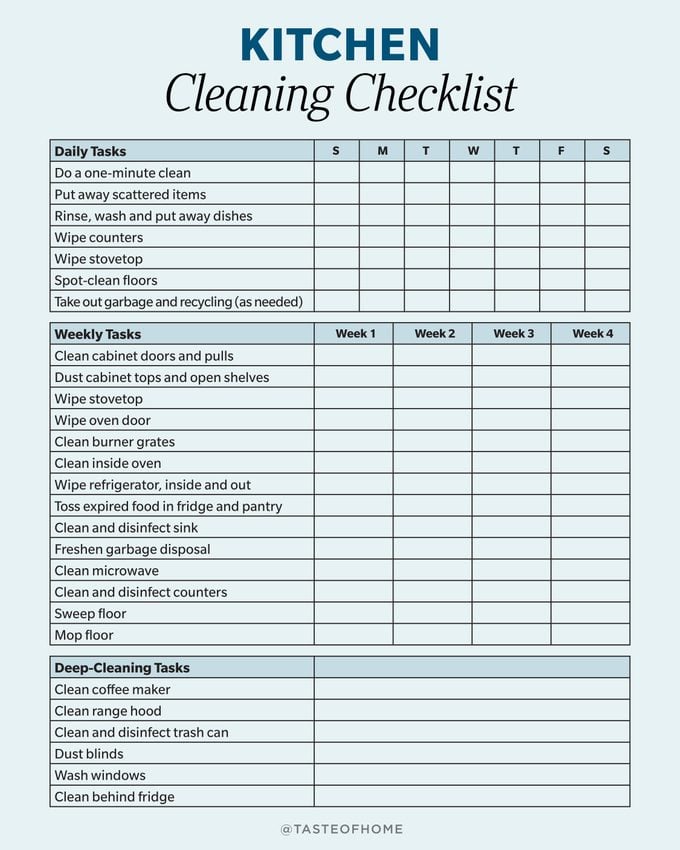
Daily Maintenance Tips
Keeping your kitchen counters clean every day helps prevent buildup. Natural cleaning keeps your space safe and fresh.
Simple daily habits make deep cleaning easier. Use natural products to protect your counters.
Wipe Counters After Every Use
Use a soft cloth to wipe spills right away. This stops stains and sticky spots from forming.
Mix water with a little vinegar for a natural wipe solution. It cleans and disinfects without harsh chemicals.
Use Natural Cleaners
Choose natural cleaners like lemon juice, baking soda, and vinegar. They clean well and are safe for food areas.
These ingredients remove grease and odors without damaging surfaces.
Dry Counters Properly
Always dry counters after cleaning. Moisture can cause mold or damage wood surfaces.
Use a clean towel or microfiber cloth to avoid streaks and water spots.
Clear Clutter Daily
Remove items like dishes and appliances after use. Clear counters are easier to clean quickly.
This habit helps prevent crumbs and dirt from hiding under objects.
Use Cutting Boards
Always use cutting boards for chopping. This protects counters from scratches and stains.
Clean boards well after each use to keep bacteria away from your counters.
Credit: www.tasteofhome.com
Eco-friendly Cleaning Habits
Cleaning kitchen counters naturally helps protect your home and the planet. Using eco-friendly methods keeps harmful chemicals out of your kitchen and water supply.
Simple natural ingredients can clean well without damage to surfaces or the environment. These habits are easy to add to your daily routine.
Use Natural Cleaning Ingredients
Natural ingredients like vinegar, baking soda, and lemon work well to clean and disinfect kitchen counters. They are safe and biodegradable.
- Mix equal parts water and white vinegar in a spray bottle
- Sprinkle baking soda on tough stains before wiping
- Use lemon juice to remove odors and grease
Avoid Disposable Cleaning Products
Choose reusable cloths and sponges instead of paper towels. Wash and reuse them to reduce waste and save money.
Microfiber cloths are effective at picking up dirt without chemicals. They last longer than disposable wipes.
Store Cleaning Supplies Safely
Keep your homemade cleaners in glass jars or recycled containers. Label them clearly to avoid confusion and spills.
| Container Type | Benefit |
| Glass jars | Reusable and non-toxic |
| Recycled plastic bottles | Reduces plastic waste |
| Metal spray bottles | Durable and refillable |
Practice Regular Cleaning Routines
Clean kitchen counters daily with natural sprays to prevent buildup. This reduces the need for harsh chemicals later.
- Spray the counter with a vinegar-water mix
- Wipe with a clean, damp cloth
- Use baking soda paste for stubborn spots
- Rinse and dry the surface
Dispose Of Waste Responsibly
Do not pour leftover cleaning liquids down the drain if they contain oils or food waste. Instead, pour them into compost or trash bins.
Recycle containers used for natural cleaners when empty. This helps reduce landfill waste.
Frequently Asked Questions
What Natural Ingredients Clean Kitchen Counters Effectively?
Vinegar, baking soda, lemon, and olive oil are natural cleaners. They remove stains, grease, and bacteria without harsh chemicals. These ingredients are safe, eco-friendly, and inexpensive for thorough kitchen counter cleaning.
How To Disinfect Kitchen Counters Naturally?
Use a mixture of equal parts water and white vinegar. Spray it on counters, let sit for 5 minutes, then wipe clean. This natural disinfectant kills most germs safely and leaves no harmful residue.
Can Lemon Juice Remove Stains On Kitchen Counters?
Yes, lemon juice’s acidity breaks down stains and grease. Apply lemon juice on stains, let sit for 10 minutes, then scrub gently. It also leaves a fresh citrus scent while cleaning naturally.
Is Baking Soda Safe For All Countertop Surfaces?
Baking soda is gentle and safe for most surfaces like granite and laminate. Avoid abrasive scrubbing on delicate materials like marble to prevent damage. Always test a small area first before full use.
Conclusion
Cleaning kitchen counters naturally keeps your space fresh and safe. Simple ingredients like vinegar and baking soda work well. Regular cleaning stops germs and dirt buildup. It also saves money and avoids harsh chemicals. Small daily habits make a big difference over time.
Keep your kitchen clean with easy, natural tips. Healthy and spotless counters are within reach. Try these steps and enjoy a cleaner kitchen every day.