

Are your kitchen cabinets looking dull or sticky? Cleaning them thoroughly doesn’t have to mean harsh chemicals or endless scrubbing.
Imagine bringing back their shine using simple, natural ingredients you probably already have at home. You’ll discover easy, effective tips that make your cabinets sparkle while keeping your kitchen safe and fresh. Ready to transform your space the natural way?
Keep reading—you’ll be amazed at how simple and satisfying this can be.

Credit: lifehacker.com
Importance Of Natural Cleaning
Cleaning kitchen cabinets is important to keep your kitchen fresh and healthy. Using natural cleaning methods protects your family from harsh chemicals.
Natural cleaning helps keep the environment safe. It also prevents damage to your cabinets caused by strong cleaners.
Safer For Your Health
Natural cleaners do not release harmful fumes. This keeps the air in your kitchen clean and safe to breathe.
Many chemical cleaners can cause allergies or skin irritation. Natural ingredients reduce these risks.
Protects Cabinet Material
Strong chemical cleaners can damage wood and paint. Natural solutions clean gently without harming surfaces.
This helps your cabinets look new for a longer time. It also prevents peeling or cracking.
Environmentally Friendly
Natural cleaners break down easily in nature. They do not pollute water or soil like chemical cleaners.
Using natural products helps reduce waste and protects wildlife from harmful substances.
Cost-effective And Easy To Make
Natural cleaning solutions often use ingredients you already have at home. This saves money on buying special products.
Simple mixtures like vinegar and baking soda work well for cleaning cabinets naturally.
Benefits Of Eco-friendly Products
Cleaning kitchen cabinets with eco-friendly products helps protect the environment. These products use natural ingredients that are safe for your home.
Eco-friendly cleaners reduce harmful chemicals in the air. They keep your family safe and reduce pollution.
Safe For Your Family And Pets
Eco-friendly products do not contain harsh chemicals. This lowers the risk of allergies and skin irritation.
Using natural cleaners helps keep children and pets safe from toxic substances.
Gentle On Kitchen Surfaces
Natural cleaners clean well without damaging wood or paint. They keep cabinets looking new longer.
These products avoid harsh abrasives that can wear down cabinet surfaces over time.
Reduce Environmental Pollution
Eco-friendly products break down quickly in nature. They do not pollute water or soil like chemical cleaners.
Choosing natural cleaners helps protect wildlife and preserves natural resources.
Cost-effective And Easy To Make
Many eco-friendly cleaners use simple ingredients like vinegar and baking soda. These are cheap and easy to find.
You can make your own natural cleaner at home, saving money and reducing waste.
Essential Supplies For Natural Cleaning
Cleaning kitchen cabinets naturally keeps your home safe and fresh. Using simple ingredients helps remove dirt and grease without harsh chemicals.
Below are some natural supplies that work well for cleaning cabinets thoroughly and gently.
Vinegar And Baking Soda
Vinegar and baking soda form a powerful duo for cleaning. Vinegar cuts grease, and baking soda scrubs away stains.
- Mix equal parts white vinegar and water in a spray bottle.
- Sprinkle baking soda on a damp cloth for scrubbing.
- Use the vinegar spray to loosen dirt before scrubbing.
- Rinse with a clean damp cloth to avoid residue.
Lemon And Olive Oil
Lemon and olive oil clean and shine wooden cabinets naturally. Lemon removes stains and smells, while olive oil nourishes the wood.
| Supply | Purpose |
| Lemon Juice | Removes stains and brightens surface |
| Olive Oil | Polishes and protects wood |
| Soft Cloth | Applies mixture without scratching |
Castile Soap And Essential Oils
Castile soap is a gentle cleaner that works well with essential oils. Oils add scent and extra cleaning power.
Try this natural cleaner recipe:
- Mix 1 cup water with 1 tablespoon castile soap.
- Add 10 drops of your favorite essential oil (like lemon or tea tree).
- Shake well and use a spray bottle for easy application.
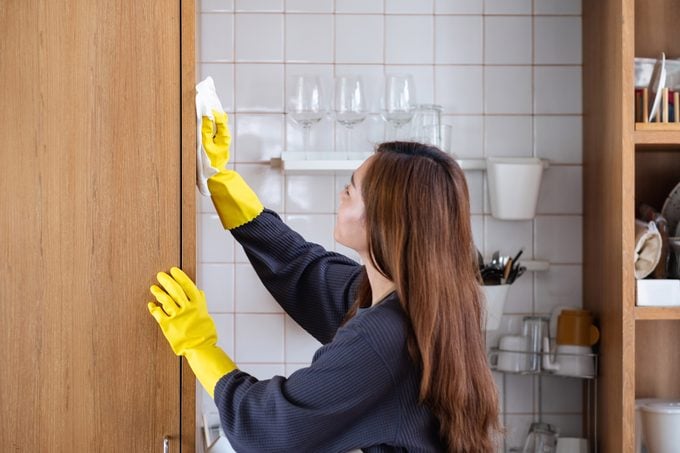
Credit: www.rd.com
Step-by-step Cleaning Process
Cleaning kitchen cabinets naturally is safe and effective. Using simple ingredients helps keep your cabinets fresh and lasting.
This guide shows easy steps to clean your cabinets deeply without harsh chemicals.
Preparation And Safety Tips
Start by emptying your cabinets. Remove all items and clear the area around the cabinets.
- Wear gloves to protect your hands
- Open windows for good air flow
- Test cleaning solutions on a small spot first
- Use soft cloths or sponges to avoid scratches
Removing Grease And Grime
Mix warm water with white vinegar and a few drops of dish soap. This natural mix breaks down grease well.
- Dip a soft cloth in the solution and wring out excess liquid
- Wipe the cabinet surfaces gently to remove dirt and grease
- For tight corners, use an old toothbrush dipped in the solution
- Rinse with a clean damp cloth to remove soap residue
Dealing With Stubborn Stains
Some stains need extra care. Baking soda works well as a gentle scrub.
How to use baking soda paste:
- Mix baking soda with a little water to make a paste
- Apply paste on stains and let sit for 10 minutes
- Gently scrub with a soft cloth or sponge
- Wipe off with a damp cloth
Polishing And Protecting Surfaces
After cleaning, polish your cabinets to restore shine and protect wood.
| Natural Polish | How to Use |
| Olive Oil | Apply a small amount on a cloth and rub on cabinet surfaces |
| Lemon Juice | Mix with olive oil to add a fresh scent and extra shine |
| Beeswax | Use for wood cabinets to seal and protect after cleaning |
Maintaining Clean Cabinets
Keeping kitchen cabinets clean helps your kitchen look fresh and neat. Natural cleaning methods protect wood and finishes. Regular care stops dirt and grease from building up.
Use simple, natural ingredients like vinegar, baking soda, and lemon. These keep cabinets clean without harsh chemicals. Let’s explore easy ways to maintain your cabinets.
Regular Cleaning Schedule
Set a cleaning routine to keep your cabinets spotless. Clean often to avoid tough stains and grease. A quick wipe every week works well.
- Dust cabinets weekly with a soft cloth.
- Wipe handles and edges with mild soap and water.
- Deep clean once a month using vinegar and water mix.
- Dry cabinets fully to prevent water damage.
Preventing Future Buildup
Stop dirt and grease before they stick. Use simple habits that keep cabinets clean longer. These small changes help a lot.
| Tip | How It Helps |
|---|---|
| Wipe spills immediately | Prevents stains and sticky buildup |
| Use cabinet liners | Protects surfaces from crumbs and spills |
| Ventilate kitchen | Reduces grease and moisture in cabinets |
| Keep cooking area clean | Reduces airborne grease landing on cabinets |
Quick Touch-up Techniques
For fast cleaning, use quick natural fixes. These keep your cabinets fresh between deep cleans.
- Spray lemon juice on spots to remove stains.
- Rub baking soda paste on sticky areas, then wipe clean.
- Use a microfiber cloth dampened with water for light dust.
- Apply olive oil on wood to restore shine and protect.
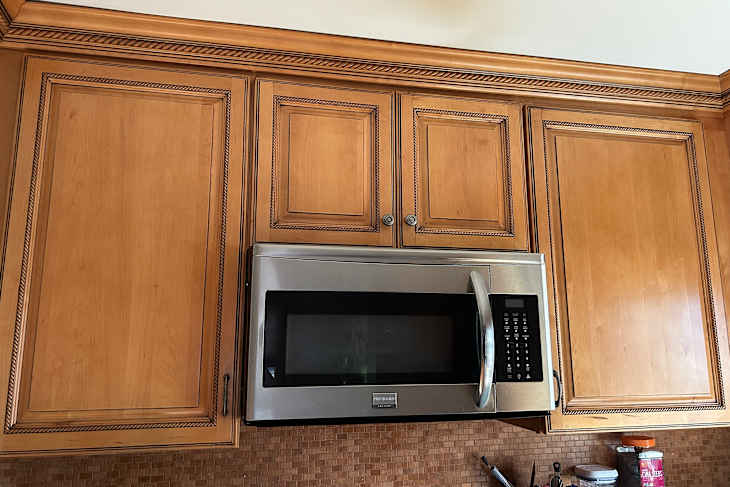
Credit: www.thekitchn.com
Eco-friendly Alternatives To Commercial Products
Cleaning kitchen cabinets can be safe for your family and the planet. Many natural products work well without harsh chemicals.
These eco-friendly options help you keep cabinets clean and fresh. You can use items found in your kitchen or garden.
White Vinegar And Water Solution
White vinegar cuts grease and removes dirt easily. It is safe and does not leave harmful residues.
Mix equal parts of white vinegar and water in a spray bottle. Spray on cabinets and wipe with a soft cloth.
Baking Soda Paste For Tough Stains
Baking soda works well on stubborn stains and sticky spots. It gently scrubs without scratching surfaces.
Make a paste with baking soda and a small amount of water. Apply to stains and rub softly with a cloth.
Lemon Juice For Fresh Scent And Shine
Lemon juice cleans and adds a fresh smell to cabinets. It also helps remove grease and grime naturally.
Mix lemon juice with water or vinegar. Use this mixture to wipe down your cabinets for a clean and fresh finish.
Castile Soap And Water Mix
Castile soap is a plant-based soap that cleans well without chemicals. It is gentle on wood and painted cabinets.
Dilute a few drops of castile soap in warm water. Use a cloth or sponge to clean your cabinets and rinse with water.
Olive Oil For Polishing Wood Cabinets
Olive oil can polish wood cabinets and restore shine. It also helps protect the wood from drying out.
Apply a small amount of olive oil to a cloth. Rub gently on wooden surfaces to bring out a natural shine.
Troubleshooting Common Issues
Cleaning kitchen cabinets naturally can sometimes reveal problems. These issues need special care to fix properly.
Knowing how to handle these problems helps keep your cabinets safe and clean for longer.
Handling Water Damage
Water damage can cause wood to swell, warp, or peel. It happens if cabinets get wet often or for a long time.
To fix water damage, dry the area fast and avoid using harsh chemicals. Use natural cleaners to protect the wood.
- Wipe spills immediately with a dry cloth
- Use vinegar and water mix to clean gently
- Apply natural oil like coconut oil to restore shine
- Keep cabinets well ventilated to prevent moisture buildup
Addressing Mold And Mildew
Mold and mildew grow in damp, dark places inside cabinets. They can cause stains and bad smells.
Use natural solutions to clean mold and stop it from coming back. Keep cabinets dry and aired out.
- Mix equal parts water and white vinegar to spray affected areas
- Use a soft brush to scrub mold gently
- Dry cabinets fully after cleaning
- Place baking soda boxes inside cabinets to absorb moisture
Additional Resources For Natural Cleaning
Cleaning kitchen cabinets naturally keeps your home safe and fresh. Using natural products avoids harsh chemicals.
There are many resources to learn more about natural cleaning. These can help you clean effectively and safely.
Books On Natural Cleaning
Books offer detailed guides on using natural ingredients. They explain recipes and techniques for cleaning.
Look for books that focus on homemade cleaners and eco-friendly tips. They often include step-by-step instructions.
- “Natural Cleaning Recipes” by Maria Smith
- “Eco-Friendly Home Care” by James Green
- “The Green Cleaning Handbook” by Lisa Brown
Online Tutorials And Videos
Videos show how to mix and apply natural cleaners. They make it easy to follow along at home.
Many channels focus on safe and natural cleaning tips. Watching these helps you learn correct methods.
- Mixing vinegar and baking soda for cabinet cleaning
- Using lemon juice to remove stains
- How to polish wood naturally
Blogs And Articles
Blogs share personal experiences and new ideas for natural cleaning. They often update with seasonal tips.
Articles explain benefits and safety of natural products. They help you make informed choices for your kitchen.
- How to clean cabinets with essential oils
- Best natural scrubbers for kitchen surfaces
- Tips for maintaining wood cabinets naturally
Community Forums And Groups
Online forums let you ask questions and get advice from others. Members share their favorite natural cleaning tips.
Groups on social media focus on green living and cleaning. They provide support and new ideas regularly.
- Discuss homemade cleaning solutions
- Share before and after photos
- Exchange tips on removing tough stains
Frequently Asked Questions
How To Clean Kitchen Cabinets Naturally?
Use a mixture of warm water, white vinegar, and mild dish soap. Apply with a soft cloth. Wipe cabinets gently to remove grease and grime. Rinse with clean water and dry thoroughly to prevent damage.
What Natural Ingredients Remove Grease From Cabinets?
White vinegar, baking soda, and lemon juice effectively cut through grease. Mix vinegar and water or make a baking soda paste. These ingredients are safe, non-toxic, and leave cabinets fresh and clean.
Can Essential Oils Help In Cleaning Cabinets?
Yes, essential oils like tea tree or lemon add antibacterial properties and a fresh scent. Add a few drops to your cleaning solution for extra cleaning power and pleasant aroma.
How Often Should I Clean Kitchen Cabinets Naturally?
Clean cabinets thoroughly every 1 to 2 months. Wipe spills immediately to avoid buildup. Regular maintenance keeps cabinets looking fresh and extends their lifespan.
Conclusion
Cleaning kitchen cabinets naturally keeps your home safe and fresh. Simple ingredients like vinegar and baking soda work well. Regular cleaning stops dirt and grease buildup. It saves money and protects cabinet surfaces. Gentle scrubbing helps remove tough stains without damage.
Natural methods avoid harsh chemicals and strong smells. Clean cabinets make your kitchen look neat and welcoming. Try these tips to enjoy a healthier, cleaner kitchen space every day. Easy steps, big results.