
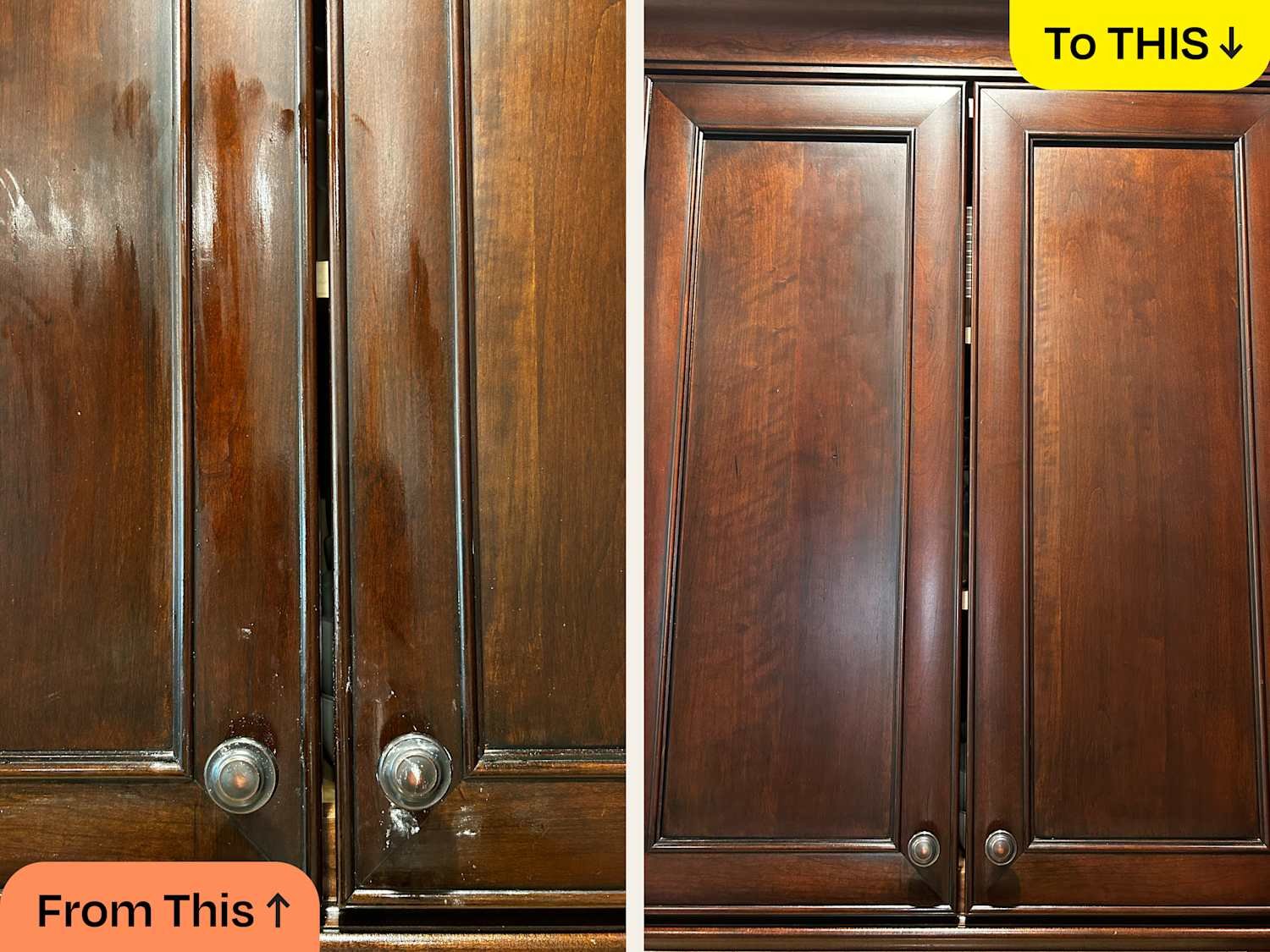
Are your kitchen cabinets looking dull or sticky? You don’t have to use harsh chemicals to make them shine again.
Imagine refreshing your kitchen with simple, natural ingredients you probably already have at home. Cleaning your cabinets naturally not only protects your health but also keeps your space eco-friendly and fresh. You’ll discover easy, effective tips that save you time and money while giving your cabinets a beautiful, lasting glow.
Ready to transform your kitchen with safe and simple methods? Let’s dive in!
Benefits Of Natural Cleaning
Cleaning kitchen cabinets with natural products is safe and effective. It helps keep your home free from harsh chemicals.
Natural cleaning products protect your family and the environment. They are easy to use and cost less than many commercial cleaners.
Non-toxic And Safe For Everyone
Natural cleaners do not contain harmful chemicals. They are safe for children and pets in the home.
You can clean without worrying about breathing in strong fumes or skin irritation. This makes your kitchen a healthier place.
Environmentally Friendly
Natural cleaning products break down easily in nature. They do not pollute the air, water, or soil around your home.
Using natural cleaners helps reduce waste and protects wildlife from harmful chemicals.
Cost-effective And Easy To Make
Many natural cleaning solutions use ingredients you already have. Items like vinegar, baking soda, and lemon are cheap and last long.
You can mix your own cleaners at home. This saves money and reduces plastic waste from store-bought products.
Gentle On Kitchen Cabinet Surfaces
Natural cleaners clean without damaging wood or paint finishes. They keep your cabinets looking new longer.
These products reduce the risk of fading, cracking, or peeling that harsh chemicals can cause.
Essential Supplies For Natural Cleaning
Cleaning kitchen cabinets naturally keeps your home safe and fresh. Using simple, natural supplies helps remove dirt without harsh chemicals.
These supplies are easy to find and gentle on wood and paint finishes. Let’s explore the best natural cleaning items for your cabinets.
White Vinegar
White vinegar is a natural cleaner that cuts through grease and grime. It also kills bacteria without toxic fumes.
Mix vinegar with water to make a safe cleaning solution for your cabinets. Avoid using vinegar on unfinished wood.
Baking Soda
Baking soda gently scrubs away stains and odors on cabinet surfaces. It is mild and will not scratch most finishes.
Sprinkle baking soda on a damp cloth to clean tough spots. Rinse well to remove any residue.
Castile Soap
Castile soap is a plant-based soap that cleans without harsh chemicals. It works well for regular cabinet cleaning.
Mix a few drops with warm water and wipe cabinets with a soft cloth. It leaves a fresh, natural scent.
Olive Oil
Olive oil helps condition and shine wooden cabinets. It restores natural moisture and prevents drying.
Apply a small amount with a cloth and buff gently. Avoid using too much to prevent sticky surfaces.
Lemon Juice
Lemon juice is a natural deodorizer and brightener. It can remove light stains and leave cabinets smelling fresh.
Use lemon juice mixed with water for wiping cabinets. Test on a small area first to avoid damage.
Soft Microfiber Cloths
Microfiber cloths trap dust and dirt without scratching surfaces. They work well with natural cleaning solutions.
Use dry cloths for dusting and damp cloths for wiping. They are reusable and easy to wash.
Using Vinegar For Grease Removal
Vinegar is a natural cleaner that works well on kitchen cabinet grease. It breaks down oily dirt without harsh chemicals.
Cleaning cabinets with vinegar helps keep your kitchen fresh and safe for your family.
Mixing Vinegar Solution
Prepare a vinegar solution by mixing equal parts of white vinegar and warm water. This mix is gentle but effective.
- Use distilled white vinegar for best results.
- Mix 1 cup of vinegar with 1 cup of warm water.
- Add a few drops of mild dish soap if extra cleaning power is needed.
- Pour the solution into a spray bottle for easy use.
Application Techniques
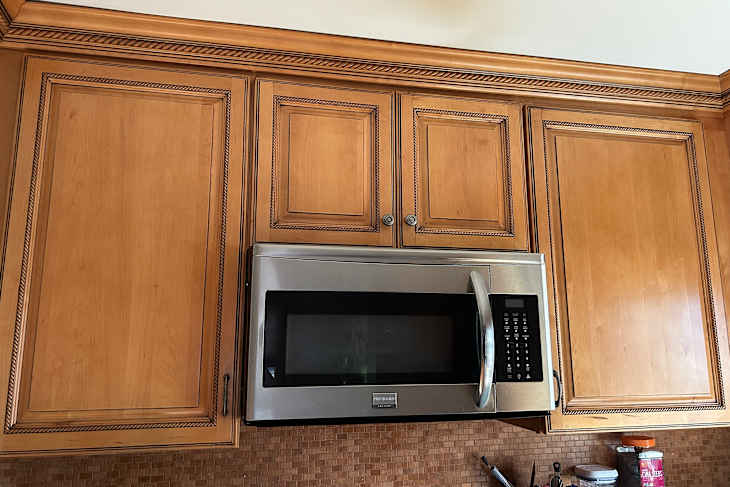
Use a soft cloth or sponge to apply the vinegar solution on greasy cabinet surfaces. Avoid soaking the wood.
| Technique | Details |
|---|---|
| Spray | Lightly spray the solution on the surface for even coverage. |
| Wipe | Use a damp cloth to wipe away grease and dirt gently. |
| Dry | Dry the cabinets with a clean towel to prevent water damage. |
Credit: www.thekitchn.com
Baking Soda For Stubborn Stains
Kitchen cabinets can get dirty with grease and food stains. Baking soda is a natural cleaner that helps remove tough marks.
It is gentle on surfaces but strong enough to clean well. Use baking soda to keep your cabinets fresh and clean.
Creating A Baking Soda Paste
Mix baking soda with water to make a thick paste. This paste works well on stubborn stains without harming the cabinet finish.
Use about three parts baking soda to one part water. Stir until you get a smooth paste that is easy to spread.
- Use baking soda powder
- Add a small amount of water
- Mix until paste forms
Scrubbing Method
Apply the baking soda paste to the stained areas of your cabinets. Let it sit for a few minutes to break down the grime.
Use a soft cloth or sponge to scrub gently in a circular motion. Avoid using harsh brushes that can scratch the surface.
- Spread the paste on the stain
- Wait 5-10 minutes
- Scrub with a soft cloth
- Wipe clean with a damp cloth
Lemon For Freshness And Shine
Lemon is a natural cleaner for kitchen cabinets. It removes dirt and adds a fresh scent.
Using lemon juice helps keep cabinets shiny without harsh chemicals. It is safe and easy to use at home.
Lemon Juice Application
Apply lemon juice to clean your kitchen cabinets effectively. It cuts through grease and grime gently.
- Mix equal parts lemon juice and water in a spray bottle.
- Spray the solution on cabinet surfaces.
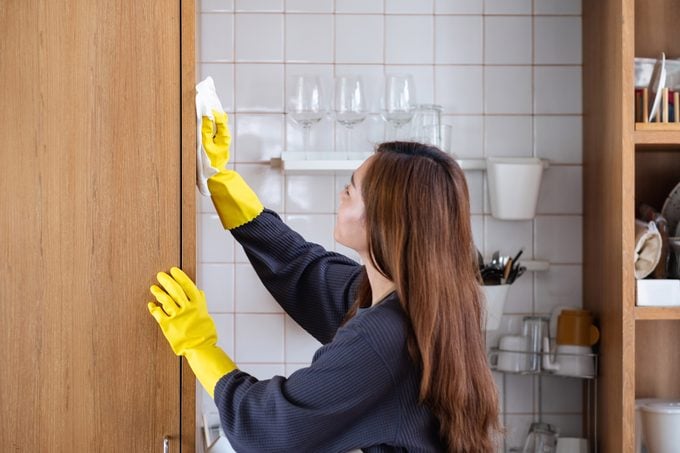
- Wipe with a soft cloth to remove dirt.
- Rinse with a damp cloth to avoid residue.
- Dry with a clean towel to prevent water spots.
Enhancing Shine
Lemon can also brighten and shine your cabinets. It restores the natural look of the wood or paint.
| Method | Description | Tip |
| Rub with Lemon Peel | Use the lemon peel to rub cabinet surfaces for extra shine. | Rub gently to avoid scratches. |
| Lemon and Olive Oil | Mix lemon juice with olive oil to polish wood cabinets. | Use a soft cloth and buff in circles. |
| Lemon Vinegar Spray | Combine lemon juice and vinegar for a natural shine spray. | Test on a small area first. |
Credit: www.rd.com
Olive Oil For Wood Cabinets
Olive oil is a simple and natural way to clean wood cabinets. It helps restore shine and adds moisture to the wood.
Using olive oil is safe and easy. It can keep your cabinets looking fresh without harsh chemicals.
Preparing Olive Oil Polish
To make an olive oil polish, mix olive oil with a few drops of lemon juice. Lemon juice helps cut grease and adds a fresh scent.
- Use 1 cup of olive oil
- Add 1 tablespoon of lemon juice
- Stir well and pour into a clean container
- Shake before each use to mix the ingredients
Application Process
Apply the polish with a soft cloth. Rub it gently onto the wood surface in small circles. This helps the oil soak into the wood.
| Step | Action |
| 1 | Dip cloth into the olive oil polish |
| 2 | Rub the cloth gently on cabinet surfaces |
| 3 | Wipe off any extra oil with a clean, dry cloth |
| 4 | Repeat every few weeks for best results |
Tea Tree Oil For Disinfection
Tea tree oil is a natural way to clean kitchen cabinets. It kills germs and helps remove odors. This oil comes from the leaves of the tea tree.
Using tea tree oil keeps your cabinets fresh without harsh chemicals. It is safe and easy to use for regular cleaning.
Making A Tea Tree Oil Solution
To make a cleaning solution, mix tea tree oil with water and a gentle soap. This mix will disinfect and clean your cabinets well.
Use these simple ingredients:
- 1 cup of warm water
- 1 teaspoon of tea tree oil
- 1 teaspoon of mild liquid soap
Stir the solution until soap is fully mixed. Store it in a spray bottle for easy use.
Disinfecting Procedure
Spray the tea tree oil solution on your kitchen cabinet surfaces. Let it sit for five to ten minutes to kill germs.
Wipe the cabinets with a clean, damp cloth. Repeat if needed for stubborn spots or odors.
- Spray solution evenly on cabinet surfaces
- Let it sit for 5-10 minutes
- Wipe with a damp cloth
- Dry with a soft towel

Credit: www.duncanscreativekitchens.com
Routine Maintenance Tips
Keeping kitchen cabinets clean helps them last longer. Using natural methods protects wood and finishes. Regular care stops dirt buildup and keeps your kitchen fresh.
This guide shows easy routines for weekly and monthly cabinet cleaning. Follow these tips to maintain your kitchen naturally and safely.
Weekly Cleaning Schedule
Clean your kitchen cabinets every week to remove dust and spills. Use gentle, natural solutions that do not damage the wood or paint.
- Mix warm water with a small amount of mild dish soap.
- Use a soft cloth to wipe cabinet surfaces gently.
- Dry cabinets with a clean, dry cloth to avoid moisture damage.
- Clean handles and knobs with the same solution to remove grease.
- Check for sticky spots or stains and spot-clean as needed.
Monthly Deep Cleaning
Once a month, do a deeper clean to protect cabinets from grime and wear. Natural ingredients like vinegar and baking soda work well for tough spots.
| Cleaning Task | Natural Product | How to Use |
| Remove grease buildup | White vinegar | Mix vinegar with water (1:1), wipe with cloth |
| Clean tough stains | Baking soda paste | Mix baking soda with water, apply paste, then wipe off |
| Polish wood finish | Olive oil | Apply a small amount on cloth, rub gently on surface |
| Air out cabinets | Open doors | Leave cabinet doors open for 30 minutes to reduce moisture |
Avoiding Common Mistakes
Cleaning kitchen cabinets naturally saves money and keeps your home safe. Many people make mistakes that can damage the cabinets or leave them dirty.
Knowing what to avoid helps you clean better and protect your cabinets. Read on to learn about products and techniques to avoid.
Products To Avoid
Some cleaning products harm your kitchen cabinets. Harsh chemicals can remove the cabinet’s finish or cause discoloration.
Avoid bleach, ammonia, and abrasive cleaners. These products dry out wood and damage surfaces. Instead, use gentle natural cleaners like vinegar or mild soap.
- Bleach and ammonia
- Abrasive scrubbing powders
- Strong chemical solvents
- Oven cleaners or drain cleaners
Techniques To Reconsider
Using the wrong cleaning methods can harm your cabinets. Avoid soaking cabinets with water or using rough scrub brushes.
Do not spray cleaners directly on wood surfaces. Instead, apply cleaner to a cloth first. Use soft cloths or sponges to protect the finish.
- Do not soak cabinets with water
- Avoid direct spraying of cleaners
- Use soft cloths or sponges only
- Do not use steel wool or hard brushes
Frequently Asked Questions
How Do I Clean Kitchen Cabinets Naturally?
Use a mixture of warm water, vinegar, and mild dish soap. Wipe cabinets with a soft cloth. Avoid harsh chemicals to protect cabinet surfaces.
What Natural Ingredients Remove Grease From Cabinets?
Lemon juice and baking soda are effective natural degreasers. Apply a paste of baking soda and water, then wipe with lemon juice for shine.
Can Essential Oils Be Used For Cabinet Cleaning?
Yes, essential oils like tea tree or lavender add antibacterial properties and pleasant scents. Add a few drops to your cleaning solution.
How Often Should I Clean Kitchen Cabinets Naturally?
Clean cabinets every two weeks to prevent buildup. Wipe spills immediately to avoid stains and maintain cabinet appearance.
Conclusion
Natural cleaning keeps your kitchen cabinets fresh and safe. Using simple ingredients saves money and avoids harsh chemicals. Clean cabinets often to stop dirt and stains from building up. Try these easy tips to keep your kitchen bright and healthy.
Small steps make a big difference over time. Enjoy a cleaner kitchen with natural methods you trust. Your home will feel fresher and more inviting every day. Give natural cleaning a chance and see the benefits yourself.