
Your kitchen cabinets are a big part of your cooking space, but over time, they can get greasy, dusty, and stained. Cleaning them might seem like a chore, but with the right tips, it can be quick and even satisfying.
Imagine opening your cabinets to find them spotless and fresh every time you cook. You’ll discover simple, effective ways to clean your kitchen cabinets so they look new again. Keep reading—you’ll be surprised how easy it is to transform your kitchen with just a few smart steps.
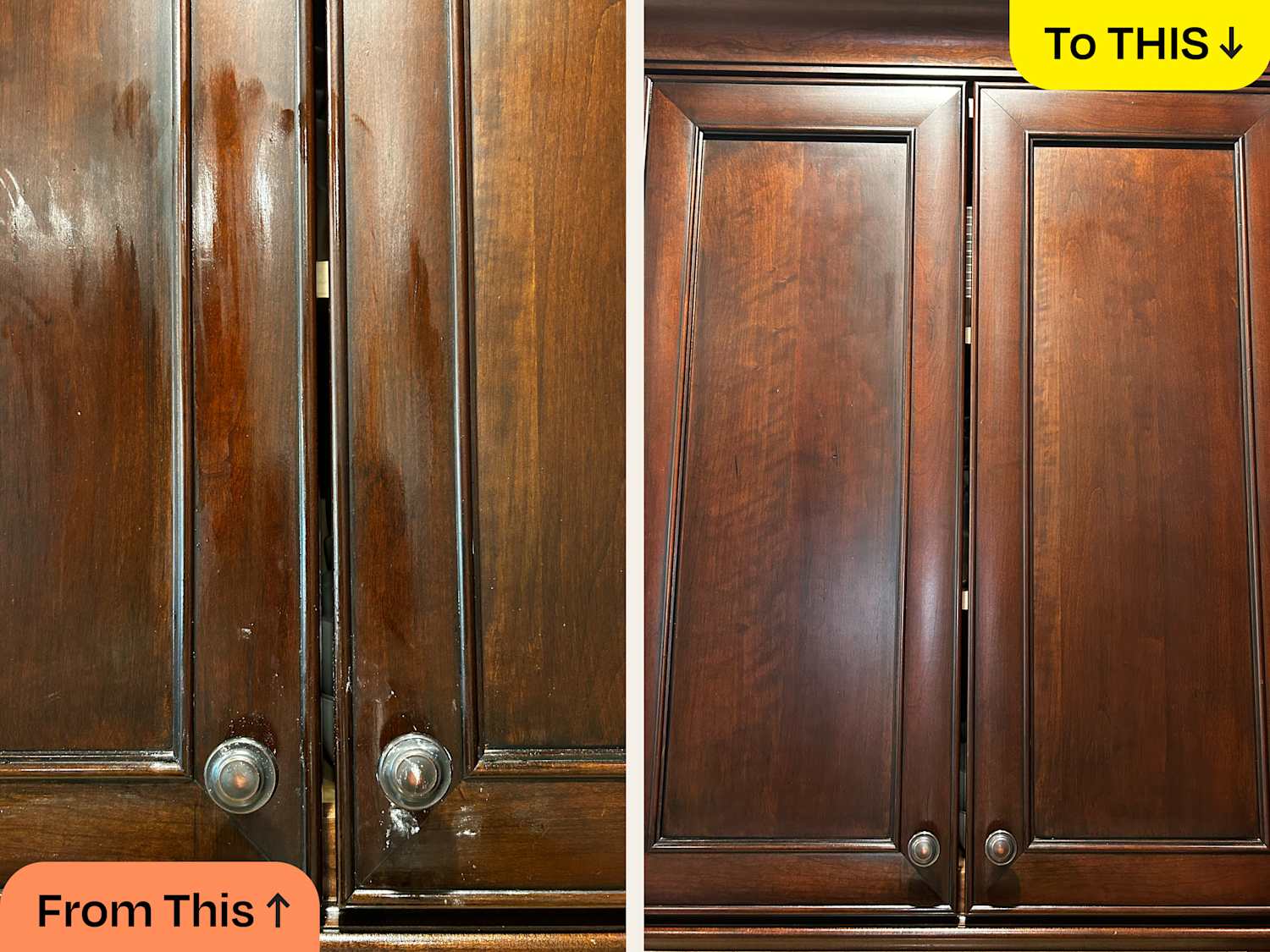
Credit: www.thekitchn.com
Preparation Steps
Cleaning kitchen cabinets starts with good preparation. Taking time to get ready makes the job easier and faster.
Organizing your supplies and clearing the space helps you clean more thoroughly and safely.
Gather Supplies
Before you begin cleaning, collect all the tools and products you need. This keeps you from stopping in the middle of the job.
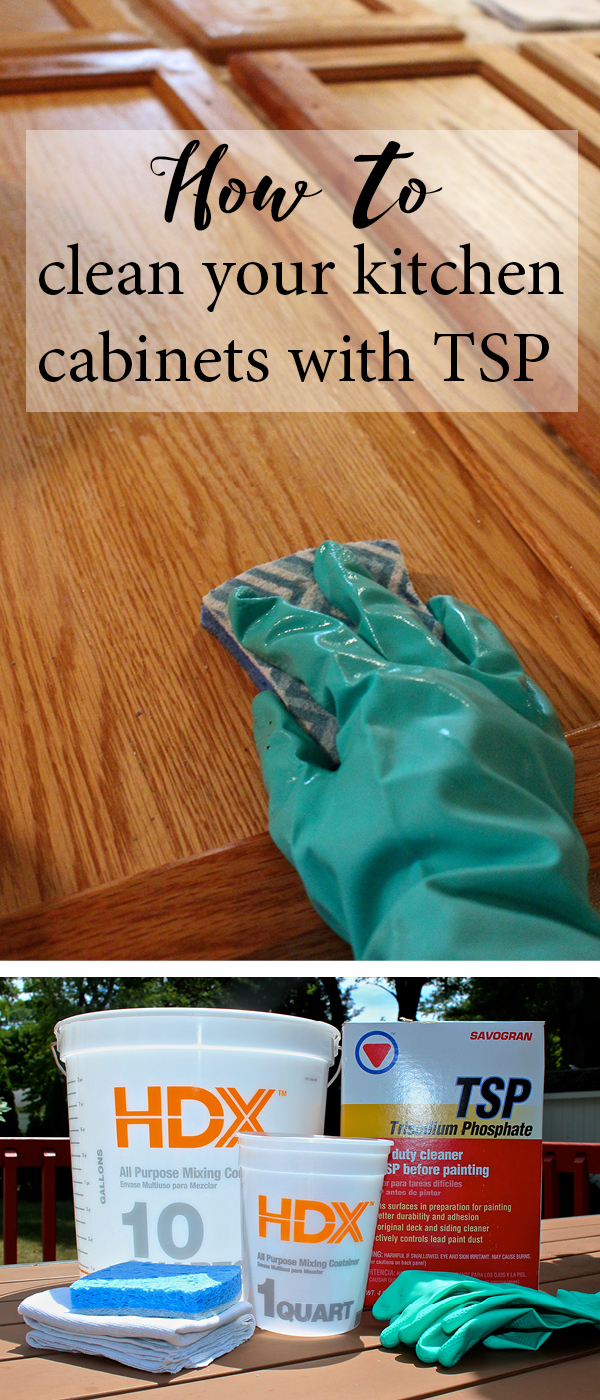
Use gentle cleaners and soft cloths to avoid damage to your cabinets.
- Mild dish soap
- Warm water
- Soft microfiber cloths
- Non-abrasive sponge
- Old toothbrush or small brush
- Step stool or ladder (if needed)
- Plastic bags for trash
Clear The Cabinets
Remove all items from your cabinets before cleaning. This makes it easier to clean every corner.
Check for expired or unused items. Throw away anything you no longer need to reduce clutter.
- Take out dishes, food, and containers
- Sort items into keep, toss, or donate
- Wipe shelves after emptying
- Place items on a clean surface or table
Homemade Cleaning Solutions
Cleaning kitchen cabinets can be easy and safe with homemade solutions. These options use natural ingredients found at home.
They help remove dirt, grease, and stains without harsh chemicals. Let’s explore three simple mixtures you can try.
Vinegar And Water Mix
Mix equal parts of white vinegar and water in a spray bottle. This solution cuts through grease and grime well.
Spray on the cabinets and wipe with a soft cloth. Avoid using on wood finishes that vinegar may damage.
- Use 1 cup vinegar and 1 cup water
- Test on a small area first
- Wipe dry after cleaning
Baking Soda Paste
Make a paste by mixing baking soda with a little water. This paste gently removes stains and sticky spots.
Apply the paste to the cabinet surface and scrub lightly with a soft cloth. Rinse with clean water and dry.
- Use 3 parts baking soda to 1 part water
- Do not scrub too hard to avoid scratches
- Wipe off completely to prevent residue
Lemon And Salt Scrub
Cut a lemon in half and dip it in salt. Use this to scrub tough stains and brighten your cabinets.
The lemon’s acidity and salt’s abrasiveness work together to clean effectively. Rinse and dry after scrubbing.
- Use fresh lemon halves
- Dip in coarse salt before scrubbing
- Rinse thoroughly to remove salt
Cleaning Techniques
Keeping kitchen cabinets clean is important for a fresh kitchen look. Using the right cleaning techniques helps remove dirt and grease.
Simple tools and methods can make cleaning easier and protect your cabinets. Learn how to clean well without damage.
Wiping With Microfiber Cloth
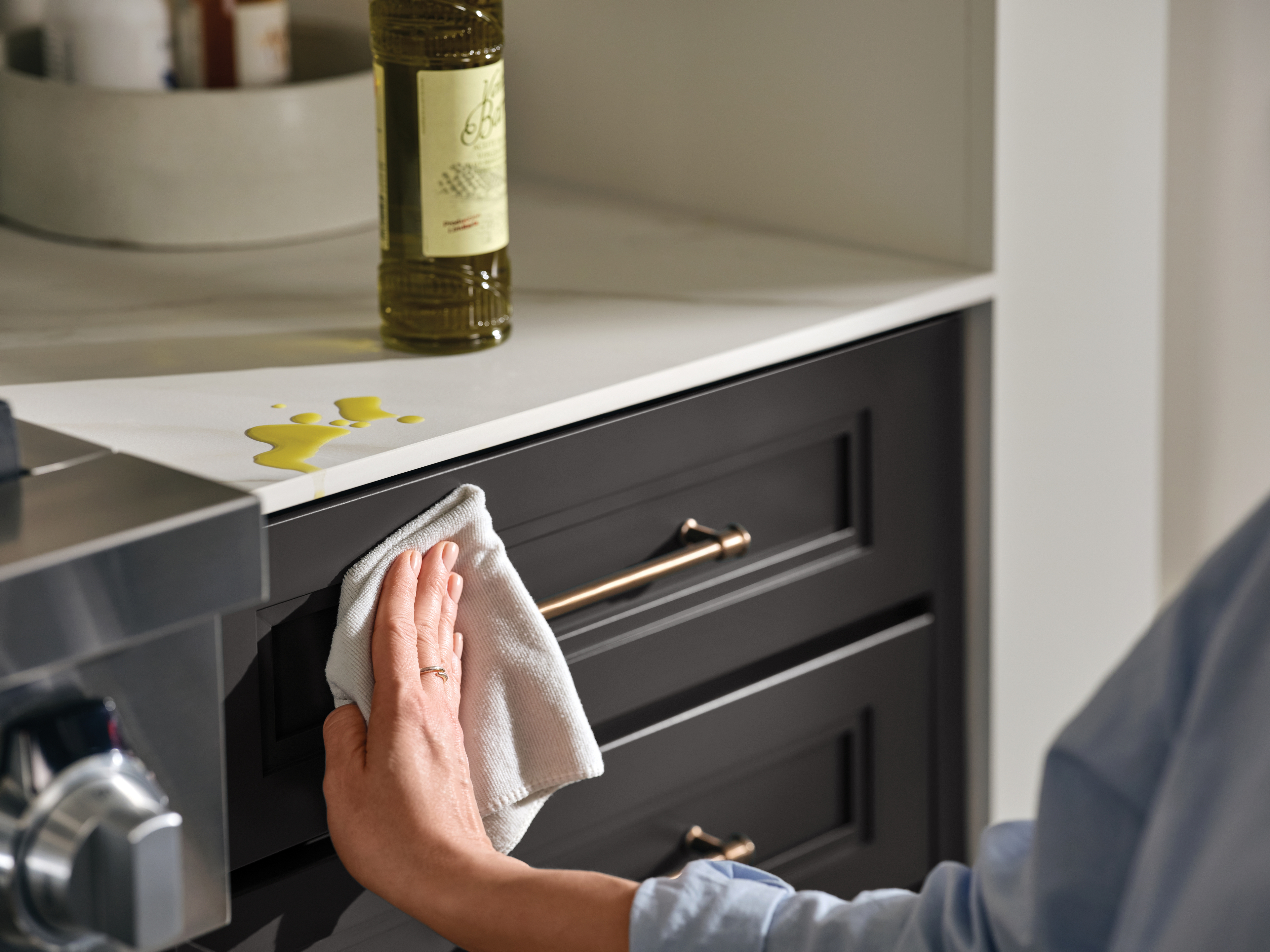
Use a microfiber cloth to wipe dust and light dirt from cabinets. It traps dust better than regular cloths.
Damp the cloth with water or a mild cleaner for sticky spots. Wipe gently to avoid scratching the surface.
- Start from the top and work down
- Use circular motions for best results
- Rinse and wring cloth often to avoid spreading dirt
Scrubbing Stubborn Stains
For tough stains, use a soft brush or sponge with mild soap. Avoid harsh scrubbing that can damage finish.
Test cleaning solutions on a hidden spot first. Scrub gently in small circles to lift grease or grime.
- Use baking soda paste for grease stains
- Try vinegar diluted with water for sticky spots
- Avoid bleach or strong chemicals
Polishing For Shine
Polishing cabinets adds shine and protects the wood or paint. Use a polish made for your cabinet material.
Apply polish with a clean cloth in small amounts. Buff the surface gently to avoid buildup and streaks.
- Use wood polish for wooden cabinets
- Choose a non-abrasive polish for painted cabinets
- Polish cabinets every few months
Credit: www.kraftmaid.com
Handling Different Materials
Cleaning kitchen cabinets needs care for different materials. Using the wrong cleaner can damage the surface.
Learn how to clean wood, laminate, and painted cabinets safely and effectively.
Wood Cabinets
Wood cabinets need gentle cleaning to keep their finish. Avoid harsh chemicals that can strip the wood.
Use a soft cloth with mild soap and water. Dry the surface quickly to prevent water damage.
- Use gentle wood cleaner or mild soap
- Wipe with a soft, damp cloth
- Dry immediately to avoid water spots
- Polish occasionally with wood polish
Laminate Surfaces
Laminate cabinets are durable but can stain or scratch. Avoid abrasive scrubbers that cause damage.
Clean with warm soapy water and a soft sponge. For tough stains, use a baking soda paste gently.
- Use mild detergent and warm water
- Clean with a soft sponge or cloth
- For stains, apply baking soda paste
- Do not use steel wool or harsh scrubbers
Painted Finishes
Painted cabinets can chip if cleaned roughly. Use gentle cleaners and soft cloths only.
Mix mild soap with water and wipe gently. Avoid soaking painted surfaces to keep paint intact.
- Use mild soap and water
- Wipe with a soft, damp cloth
- Do not soak or scrub hard
- Dry with a soft towel after cleaning
Preventive Measures
Keeping kitchen cabinets clean is easier with simple habits. Preventive measures stop dirt and damage.
These tips help maintain cabinets and reduce deep cleaning needs.
Regular Dusting
Dust collects on cabinets and makes them look dirty. Dusting often keeps surfaces fresh and clean.
Use a soft cloth or duster to remove dust weekly. This prevents buildup that can scratch the finish.
Using Cabinet Liners
Cabinet liners protect shelves from spills and stains. They make cleaning quicker and easier.
Choose liners that fit your shelves well. Replace them if they get dirty or worn out.
- Easy to remove and clean
- Protects wood from moisture
- Prevents scratches from dishes
Avoiding Grease Build-up
Grease makes cabinets sticky and hard to clean. Stop grease by wiping spills quickly.
Keep cabinet doors closed while cooking. Use a vent or fan to reduce grease in the air.
- Clean cooking splashes right away
- Use mild soap and warm water
- Dry cabinets after cleaning to avoid damage
Credit: kitchcrafteds.com
Storing Cleaning Products
Keeping cleaning products in your kitchen cabinets helps save space. It also makes your kitchen look neat and tidy.
Proper storage prevents accidents and keeps products effective for longer. Use smart storage ideas to stay safe and organized.
Safe Storage Tips
Store cleaning products out of reach of children and pets. Use high shelves or locked cabinets for safety.
Keep products in their original containers. Avoid mixing chemicals to prevent harmful reactions.
- Place products away from food items
- Keep lids tightly closed
- Store in a cool, dry place
- Use child-proof locks if needed
Labeling And Organizing
Label all containers clearly to know what is inside. This helps you find products quickly and avoid mistakes.
Group similar products together. Organize by type or use, so you can grab what you need fast.
- Use waterproof labels for durability
- Store sprays, wipes, and liquids in separate groups
- Use baskets or bins to keep items tidy
- Check and remove expired products regularly
Frequently Asked Questions
How Often Should I Clean Kitchen Cabinets?
Clean kitchen cabinets every 1-2 weeks to prevent grease buildup. Wipe spills immediately to maintain cleanliness and prolong cabinet life.
What Is The Best Cleaner For Kitchen Cabinets?
Use a mild soap and warm water solution for regular cleaning. Avoid harsh chemicals to protect cabinet finishes and materials.
How Do I Remove Grease From Kitchen Cabinets?
Mix baking soda with water to create a paste. Apply gently with a soft cloth, then wipe clean with a damp cloth.
Can I Use Vinegar To Clean Kitchen Cabinets?
Yes, diluted vinegar is effective for cleaning cabinets. Mix equal parts vinegar and water for a natural, safe cleaner.
Conclusion
Keeping kitchen cabinets clean is simple with these easy tips. Regular wiping stops dirt and grease build-up. Use gentle cleaners to protect cabinet surfaces. Dry cabinets well to avoid water damage. Clean handles and knobs often for better hygiene. A little care goes a long way in keeping cabinets fresh and lasting longer.
Try these steps to enjoy a neat, bright kitchen every day. Your cabinets will thank you!