
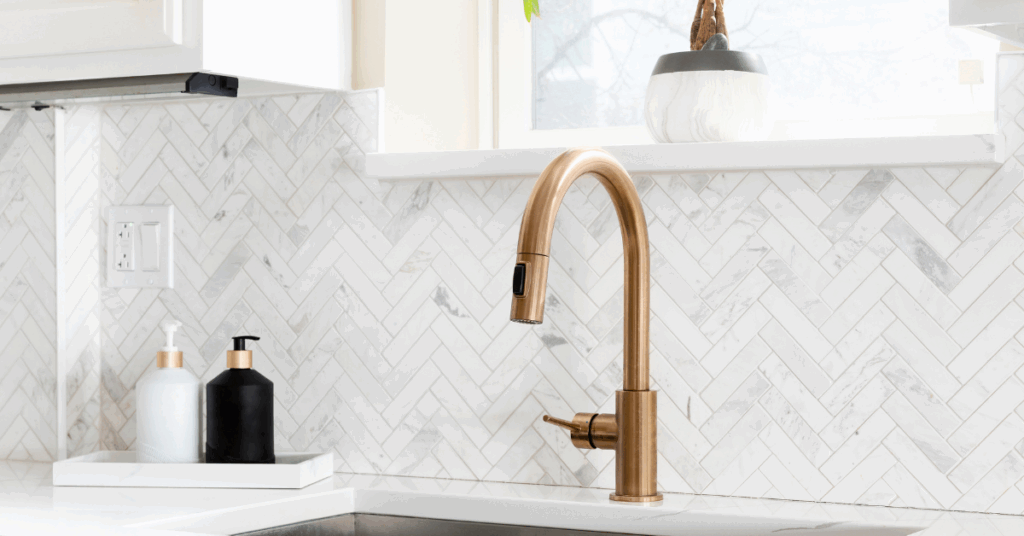
Your kitchen backsplash may seem like just another surface, but it plays a big role in keeping your cooking space fresh and inviting. If you’ve noticed stubborn stains, grease spots, or dull grout lines, you’re not alone.
Cleaning your backsplash thoroughly can transform your kitchen’s look instantly. You’ll discover simple, effective tips that make cleaning easier and faster. Ready to bring back that shine and impress everyone who steps into your kitchen? Keep reading—your backsplash will thank you.
Choosing The Right Cleaning Materials
Cleaning your kitchen backsplash well needs the right materials. Using the correct tools and cleaners helps keep it spotless and safe.
Selecting the proper cleaning products prevents damage and removes grime effectively. This guide explains what to use for different backsplash types.
Understand Your Backsplash Material
Different backsplash surfaces require specific cleaners. Some materials are delicate and need gentle products.
For example, natural stone should avoid acidic cleaners, while glass can handle stronger solutions. Always check the material before cleaning.
Use Gentle Cleaners For Delicate Surfaces
Natural stone and wood backsplashes need mild soaps or stone-specific cleaners. Harsh chemicals can cause stains or cracks.
- Use pH-neutral soap and warm water
- Avoid bleach or vinegar on stone
- Test cleaners on a small area first
- Use soft cloths or sponges, not scrubbers
Choose Stronger Cleaners For Tiles And Glass
Ceramic, porcelain tiles, and glass backsplashes can handle stronger cleaners. These remove grease and food stains well.
| Material | Recommended Cleaner | Cleanser Type |
| Ceramic Tile | All-purpose cleaner | Liquid spray or wipes |
| Porcelain Tile | Dish soap and water | Liquid or foam |
| Glass | Glass cleaner | Spray with microfiber cloth |
Gather Appropriate Cleaning Tools
Using the right tools makes cleaning easier and safer for your backsplash.
- Soft cloths for wiping
- Non-abrasive sponges
- Soft-bristle brushes for grout
- Spray bottles for even cleaner application
Preparing The Backsplash For Cleaning
Cleaning your kitchen backsplash starts with good preparation. This makes the cleaning easier and more effective.
Proper preparation helps protect your backsplash and removes loose dirt before deeper cleaning.
Clear The Area Around The Backsplash
Remove all items near the backsplash. This includes utensils, appliances, and decorations.
Clearing the area prevents damage and gives you full access to the surface.
Dust Or Wipe Off Loose Debris
Use a dry cloth or soft brush to remove dust and crumbs. This stops dirt from spreading during cleaning.
Wiping off loose debris helps the cleaning solution work better on stains and grease.
Test Cleaning Products On A Small Area
Try your cleaning solution on a hidden spot first. This checks if it harms the backsplash surface.
Testing avoids damage like discoloration or surface wear before full cleaning.
Gather All Cleaning Supplies
Get your cleaning cloths, brushes, and solutions ready. Having everything close saves time.
Organizing your tools ensures a smooth cleaning process with no interruptions.
- Soft microfiber cloths
- Non-abrasive sponges
- Mild cleaning solutions
- Warm water
- Protective gloves
Cleaning Grease And Stains
Kitchen backsplashes often collect grease and stains from cooking. Cleaning them well keeps your kitchen fresh and hygienic.
Using the right cleaners helps remove tough grime without damage. Choose natural or commercial products based on your needs.
Using Natural Cleaners
Natural cleaners work gently on kitchen backsplashes. They remove grease and stains without harsh chemicals.
Common natural cleaners include vinegar, baking soda, and lemon juice. These ingredients break down grease and brighten surfaces.
- Mix equal parts vinegar and water in a spray bottle.
- Sprinkle baking soda on stains, then spray vinegar solution.
- Let the mixture bubble for a few minutes, then scrub gently.
- Use lemon juice for fresh stains and to add shine.
- Rinse with warm water and dry with a soft cloth.
Effective Commercial Products
Commercial cleaners offer strong grease-cutting power. They work fast on tough stains and baked-on grime.
Choose products safe for your backsplash material. Always follow the instructions to avoid damage.
- Degreaser sprays designed for kitchen use.
- All-purpose cleaners with grease-fighting formulas.
- Non-abrasive scrubbing pads or cloths for safe cleaning.
- Test products on a small area before full use.
- Wear gloves to protect your skin.

Credit: www.americantinceilings.com
Deep Cleaning Techniques
Cleaning your kitchen backsplash deeply keeps your cooking area fresh and safe. Dirt, grease, and stains build up over time. Using the right cleaning methods removes these tough spots.
Different backsplash materials need special care. This guide explains how to clean tiles, grout, glass, and metal backsplashes well.
Tile And Grout Cleaning
Tiles and grout can hold dirt in small cracks. Regular cleaning may not reach deep stains and mildew. A strong cleaner and scrubbing help.
Use baking soda and vinegar to make a paste. Apply it to grout lines and let it sit for 10 minutes. Scrub with a brush to remove grime. Rinse with warm water to finish.
- Mix baking soda with water to form a thick paste
- Apply paste on grout and spray vinegar over it
- Wait 10 minutes for fizzing action
- Scrub grout with a stiff brush or old toothbrush
- Wipe clean with warm water and a cloth
Glass And Metal Backsplash
Glass and metal backsplashes look smooth but show fingerprints and smudges. Use gentle cleaners to avoid scratches. A microfiber cloth works best.
For glass, spray a glass cleaner or a mix of water and vinegar. Wipe in circular motions. For metal, use a mild soap solution and dry it well to avoid water spots.
- Spray glass cleaner or vinegar solution on glass surface
- Wipe with a soft, lint-free cloth in circles
- Use mild soap and water for metal backsplashes
- Rinse with clean water and dry immediately
- Avoid abrasive pads that can scratch surfaces
Preventing Future Buildup
Keeping your kitchen backsplash clean is easier with good habits. Stopping buildup early saves time and effort.
Simple steps can protect your backsplash from stains and grease. This helps keep your kitchen fresh and nice.
Regular Maintenance Tips
Wipe your backsplash daily with a damp cloth. This removes light dirt before it hardens.
Use mild soap and warm water for weekly cleaning. Avoid harsh cleaners that may damage the surface.
- Clean spills right away to stop stains
- Dry the surface after cleaning to avoid water marks
- Use a soft cloth or sponge to prevent scratches
- Check grout lines and clean them gently
Protective Coatings And Sealants
Applying sealants helps block dirt and grease from sticking. This makes cleaning easier later.
Choose a sealant suitable for your backsplash material. Follow the instructions carefully for the best results.
- Seal natural stone backsplashes to prevent stains
- Reapply sealant every 6 to 12 months
- Test any new coating on a small area first
- Keep the area clean before applying sealant

Credit: creoglass.co.uk
Dealing With Hard Water Stains
Hard water stains can make your kitchen backsplash look dull and dirty. These stains form when minerals in water leave marks after drying.
Cleaning these stains needs special care to avoid damage. Use the right techniques to keep your backsplash shining.
Use Vinegar To Break Down Mineral Deposits
White vinegar is acidic and works well to remove hard water stains. It breaks down the minerals causing the marks on your backsplash.
Spray vinegar directly on the stains and let it sit for a few minutes. Then, wipe with a soft cloth to clean the area.
Apply Baking Soda Paste For Stubborn Stains
Baking soda is gentle but effective for tough hard water stains. Mix it with water to make a thick paste.
Spread the paste on the stained spots and let it sit for 10 to 15 minutes. Gently scrub with a soft brush and rinse well.
Avoid Harsh Scrubbing Tools
Hard brushes or steel wool can scratch your backsplash surface. Use soft cloths or non-abrasive sponges instead.
- Soft microfiber cloths work best
- Non-abrasive sponges protect tiles
- Avoid metal scrubbers or rough brushes
Dry The Backsplash After Cleaning
Water left on the backsplash can cause new hard water stains. Use a dry cloth to wipe the area after cleaning.
Keep the backsplash dry to reduce future mineral buildup and keep it looking clean longer.
Safe Practices For Cleaning
Cleaning your kitchen backsplash keeps it looking fresh and prevents stains. Using safe cleaning methods protects your surfaces and health.
Choose gentle products and tools to avoid damage. This guide shares tips for safe and effective cleaning.
Non-toxic Options
Non-toxic cleaners are safe for your family and the environment. They clean well without harsh chemicals.
Common natural ingredients work great on kitchen backsplashes. Use them for regular cleaning to avoid buildup.
- Mix equal parts water and white vinegar in a spray bottle.
- Use baking soda paste for tough stains: mix baking soda with water.
- Lemon juice helps remove grease and adds a fresh scent.
- Castile soap diluted in water cleans gently and safely.
Avoiding Abrasive Tools
Avoid scrubbers that can scratch or damage your backsplash surface. Abrasive tools wear down tiles and grout.
Choose soft cloths or sponges that clean without harm. This keeps your backsplash smooth and shiny.
- Use microfiber cloths for wiping and drying.
- Soft sponges remove dirt without scratching.
- Avoid steel wool or rough brushes.
- Test new tools on a small area first.

Credit: www.yahoo.com
Creative Cleaning Hacks
Cleaning your kitchen backsplash can be tough. Grease and stains build up quickly.
These creative hacks help you clean it thoroughly and easily.
Use Baking Soda And Vinegar Paste
Baking soda and vinegar work well to remove tough stains. Make a paste with baking soda and a little water.
Apply the paste on the backsplash and spray vinegar over it. Let it fizz for a few minutes, then scrub gently.
Lemon Juice For Grease Removal
Lemon juice cuts grease and leaves a fresh scent. Squeeze lemon juice on greasy spots and wipe with a cloth.
If the stains are strong, let lemon juice sit for 5 minutes before wiping.
Use Toothbrush For Small Crevices
Old toothbrushes reach small gaps between tiles. Dip the brush in cleaning solution and scrub gently.
This method removes dirt from grout lines and textured surfaces.
Microwave Steam Cleaning
Fill a microwave-safe bowl with water and vinegar. Heat it until steam forms inside the microwave.
Use the steam to loosen dirt on your backsplash. Then wipe it clean with a cloth.
Dryer Sheet Wipe Down
Dryer sheets can remove light grease and dust. Rub a damp dryer sheet over the backsplash for a quick clean.
This hack also helps reduce static and keeps surfaces shiny.
Frequently Asked Questions
How Often Should I Clean Kitchen Backsplash?
Clean your kitchen backsplash weekly to prevent grease and grime buildup. Frequent cleaning keeps tiles shiny and hygienic. For tougher stains, deep clean monthly with appropriate cleaners. Regular maintenance saves time and effort in the long run.
What Is The Best Cleaner For Backsplash Tiles?
Use a mild dish soap mixed with warm water for daily cleaning. For stubborn stains, try a baking soda paste or vinegar solution. Avoid harsh chemicals that can damage tile surfaces. Always test cleaners on a small area first.
How Do I Remove Grease From Kitchen Backsplash?
Spray a vinegar and water solution on greasy spots and let sit for 5 minutes. Wipe with a soft cloth or sponge in circular motions. Rinse with warm water and dry thoroughly to prevent streaks and residue.
Can I Use Natural Products For Backsplash Cleaning?
Yes, natural products like vinegar, baking soda, and lemon juice effectively clean backsplashes. They safely remove dirt and grease without harmful chemicals. Natural cleaners are eco-friendly and safe for most tile types.
Conclusion
Cleaning your kitchen backsplash keeps your space fresh and neat. Use gentle cleaners to protect the surface. Regular wiping stops dirt and grease buildup. Small efforts save time and energy later. A clean backsplash makes cooking more pleasant. Try these simple tips for lasting results.
Your kitchen will look bright and welcoming. Keep up the habit for a healthier home. Easy steps, great impact.