
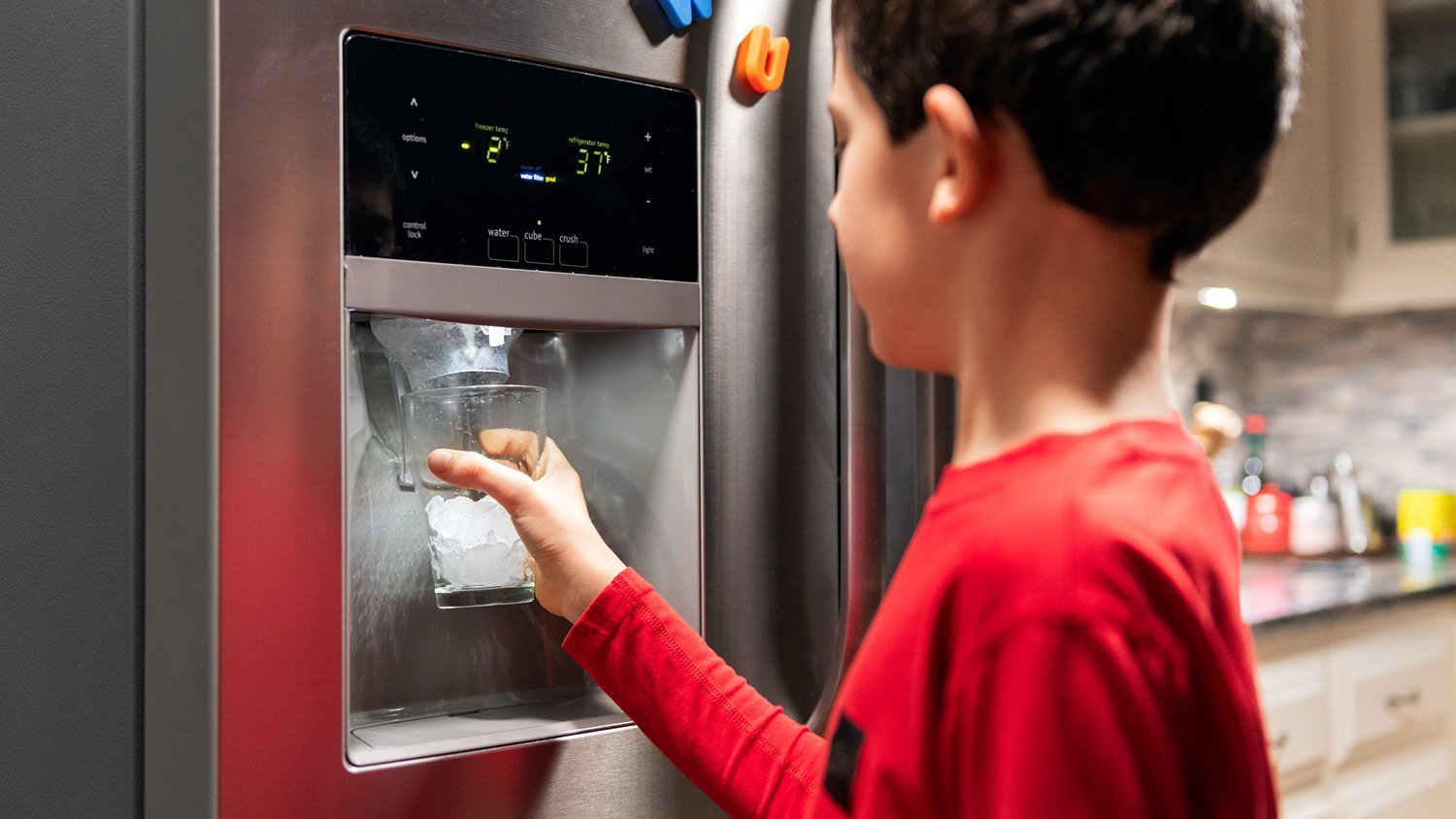
Your fridge water dispenser is a convenient feature, giving you fresh, cold water with just a tap. But have you ever thought about how clean it really is?
Over time, dirt, mold, and bacteria can build up inside, affecting the taste and safety of your water. If you want to keep your water fresh and your dispenser working perfectly, you need to clean it regularly. You’ll discover simple and effective tips to clean your fridge water dispenser easily.
Keep reading to learn how to protect your health and enjoy pure water every time you fill your glass.
Importance Of Regular Cleaning
Keeping your fridge water dispenser clean is key to safe drinking water. Dirt and germs can build up quickly.
Regular cleaning stops bad smells and ensures the water tastes fresh every time you use it.
Preventing Bacteria Growth
Water dispensers can become a home for bacteria if not cleaned often. This can cause health problems.
- Clean the dispenser drip tray weekly
- Disinfect water nozzle every two weeks
- Replace water filters as recommended
Avoiding Clogs And Malfunctions
Mineral deposits and dirt can block water flow. This leads to poor dispenser performance.
| Issue | Effect |
| Mineral Build-up | Slow water flow |
| Dirt in Nozzle | Water leaks or drips |
| Unclean Drip Tray | Bad odor and mold |
Keeping Water Taste Fresh
Old water and grime change the taste. Clean dispenser parts keep water fresh and clear.
Tips for fresh water taste:
- Use clean cloths to wipe surfaces
- Flush water after cleaning before use
- Store fridge door closed to reduce dust

Credit: shopping.yahoo.com
Gathering Necessary Supplies
Cleaning your fridge water dispenser keeps it fresh and safe to use. You need the right supplies before you start. This helps you clean quickly and well.
Gather all items in one place. This way, you won’t stop in the middle of cleaning.
Cleaning Cloths And Sponges
Use soft cloths or sponges to avoid scratching the dispenser. Microfiber cloths work best because they clean well without damage.
Cleaning Solutions
Choose safe cleaning solutions that remove dirt and germs. Mild dish soap and white vinegar are good options. Avoid harsh chemicals that may harm your dispenser.
- Mild dish soap
- White vinegar
- Baking soda (optional for tough stains)
- Warm water
Tools For Cleaning Hard-to-reach Areas
Small brushes and cotton swabs help clean narrow spaces inside the dispenser. Use these tools gently to avoid damage.
| Tool | Use |
| Soft-bristle brush | Scrub inside dispenser nozzle |
| Cotton swabs | Clean small crevices and corners |
| Spray bottle | Apply cleaning solution evenly |
Protective Gear
Wear gloves to protect your hands from cleaning solutions. Use old towels or newspapers to cover the floor and catch drips.
Step-by-step Cleaning Process
Keeping your fridge water dispenser clean is important for fresh water and good taste. Dirt and mold can build up inside the parts.
This guide will help you clean your fridge water dispenser safely and easily. Follow each step to keep your dispenser fresh.
Turning Off The Water Supply
Before cleaning, turn off the water supply to stop water flow. This prevents spills and keeps you safe.
Locate the water valve behind or under the fridge. Turn it clockwise until it stops to close the water.
Removing And Soaking Components
Remove parts like the water reservoir, drip tray, and dispenser nozzle if possible. These parts hold most dirt.
Soak the parts in warm water mixed with mild dish soap. Let them soak for 15-20 minutes to loosen grime.
- Use warm water, not hot, to avoid damage
- Choose mild dish soap to protect parts
- Soak parts in a clean basin or sink
Cleaning The Dispenser Nozzle
The dispenser nozzle can collect dirt and bacteria. Clean it carefully to keep water safe and fresh.
Use a small brush or cotton swab dipped in vinegar or mild soap. Gently scrub inside and outside the nozzle.
- Remove any visible buildup or residue
- Rinse the nozzle with clean water
- Dry with a soft cloth before reattaching
Scrubbing The Drip Tray
The drip tray collects water spills and can grow mold. Clean it regularly to avoid smells and stains.
Use warm soapy water and a sponge or brush to scrub the tray. Rinse well and dry completely before placing it back.
- Remove the drip tray carefully
- Scrub all corners and edges
- Dry fully to prevent mold growth
Using Natural Cleaning Solutions
Cleaning your fridge water dispenser keeps it safe and fresh. Using natural cleaning solutions is safe for your family and the environment.
Natural cleaners remove dirt and germs without harsh chemicals. They are easy to make and gentle on surfaces.
Benefits Of Vinegar And Baking Soda
Vinegar and baking soda are powerful natural cleaners. They fight bacteria and remove buildup in your water dispenser.
Vinegar breaks down mineral deposits and kills germs. Baking soda scrubs away grime and neutralizes odors.
- Safe for food-related surfaces
- Non-toxic and eco-friendly
- Cost-effective and easy to find
- Leaves no harmful residue
- Helps keep water tasting fresh
Creating A Homemade Cleaning Solution
Mix equal parts vinegar and water to start. Add a small amount of baking soda for extra cleaning power.
Use a soft cloth or brush to apply the solution. Rinse well with clean water to remove all residues.
- Combine 1 cup white vinegar and 1 cup water
- Add 1 tablespoon baking soda slowly
- Apply with a cloth or soft brush
- Let sit for 5 minutes on tough spots
- Rinse thoroughly to avoid taste changes
Preventing Mold And Bacteria
A fridge water dispenser can collect mold and bacteria if not cleaned well. This can cause bad smell and unsafe water.
Keeping the dispenser clean helps protect your health. Follow simple tips to stop mold and germs from growing.
Regular Cleaning Schedule
Clean your fridge water dispenser at least once a month. This keeps mold and bacteria from building up inside.
- Turn off the water supply before cleaning.
- Remove the dispenser parts carefully.
- Wash parts with warm water and mild soap.
- Use a soft brush to reach small areas.
- Rinse thoroughly to remove soap residue.
- Dry all parts completely before reassembling.
- Wipe the dispenser area with a clean cloth.
Checking For Leaks
Leaks can cause water to pool and help mold grow. Check your dispenser often to catch leaks early.
| Area to Check | Signs of Leak | Action Needed |
| Water line connection | Wet spots or dripping water | Tighten or replace fittings |
| Dispenser nozzle | Water pooling under dispenser | Clean nozzle and inspect seal |
| Inside dispenser housing | Musty smell or mold spots | Clean housing and dry fully |
Maintaining Water Filter Efficiency
Keeping your fridge water dispenser clean helps the water filter work well. A clean filter gives you fresh and safe water.
Regular care extends the filter’s life and keeps the water tasting good. Follow simple steps to keep the filter efficient.
Replacing Water Filters
Changing the water filter on time is very important. Old filters can slow water flow and cause bad taste.
Check your fridge manual for how often to replace the filter. Usually, it is every 6 months or 200 gallons.
- Turn off the water supply before replacing the filter
- Remove the old filter carefully
- Insert the new filter firmly
- Flush the new filter by running water for a few minutes
- Reset the filter indicator if your fridge has one
Signs Of A Clogged Filter
A clogged filter lowers water flow and affects taste. Watch for signs to know when to clean or replace it.
- Water flows slowly or stops
- Water tastes strange or smells bad
- Ice maker works poorly
- Filter indicator light turns on
Clean the dispenser parts and change the filter if you see these signs. This keeps water clean and fresh.
Troubleshooting Common Issues
Fridge water dispensers can face common problems like low water pressure and bad smells. Fixing these issues keeps your water fresh and clean.
Below are simple tips to help you solve these problems quickly and safely.
Low Water Pressure
Low water pressure may happen if the water line is blocked or the filter is dirty. It can also be caused by a kinked hose or a faulty valve.
- Check the water filter and replace it if clogged.
- Inspect the water line for kinks or damage.
- Make sure the water valve is fully open.
- Clean the dispenser nozzle to remove any buildup.
- Call a professional if pressure stays low after checks.
Unpleasant Odors
Bad smells from the water dispenser often come from bacteria or mold growth. The filter may also be old or contaminated.
| Cause | How to Fix |
|---|---|
| Bacteria or Mold | Clean dispenser parts with warm soapy water weekly. |
| Old Filter | Replace filter every 6 months or as recommended. |
| Standing Water | Flush dispenser by running water for a few minutes. |

Credit: www.reddit.com

Credit: sustainlifejournal.com
Frequently Asked Questions
How Often Should I Clean My Fridge Water Dispenser?
Clean your fridge water dispenser every 1 to 3 months. This prevents bacteria buildup and ensures fresh, clean water. Regular cleaning also maintains the dispenser’s functionality and taste quality.
What Materials Are Best For Cleaning Water Dispensers?
Use a soft cloth, warm water, and mild dish soap. Avoid abrasive cleaners or brushes that can damage the dispenser. Vinegar solution helps remove mineral deposits safely.
Can I Use Vinegar To Clean The Water Dispenser?
Yes, vinegar is effective for removing mineral buildup. Mix equal parts vinegar and water, soak parts, then rinse thoroughly. This natural method disinfects and deodorizes the dispenser.
How Do I Clean The Water Dispenser Nozzle Effectively?
Wipe the nozzle with a soft cloth soaked in soapy water. Use a small brush or cotton swab to remove debris. Rinse well to avoid soap residue.
Conclusion
Keeping your fridge water dispenser clean helps avoid bad taste and germs. Regular cleaning stops mold and bacteria from growing inside. Use simple tools and mild cleaners to keep it safe. Clean the dispenser every few weeks for best results.
A clean dispenser means fresh, safe water every time. Small effort brings big health benefits. Stay consistent and enjoy clear, tasty water daily.