
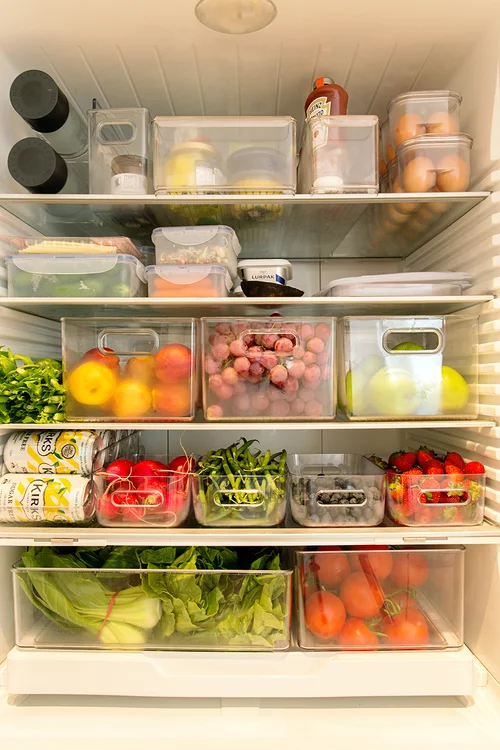
Is your fridge’s vegetable drawer starting to look less fresh and more messy? You might not realize how much dirt, moisture, and old food can build up in there, affecting the freshness of your veggies.
Cleaning this hidden space regularly can keep your produce crisp and your fridge smelling fresh. You’ll discover simple, effective tips to clean your vegetable drawer quickly and easily. Keep reading to learn how a little effort can make a big difference for your food and your kitchen!

Credit: sustainlifejournal.com
Regular Cleaning Routine
Keeping your fridge vegetable drawer clean helps your vegetables stay fresh longer. A regular cleaning routine stops bad smells and mold growth.
Clean the drawer often to avoid dirt buildup. A simple routine makes it easier to keep your fridge fresh and healthy.
Empty The Drawer Completely
Take out all the vegetables before cleaning. Remove any loose dirt or leftover food pieces to prepare the drawer for washing.
Use Mild Soap And Warm Water
Wash the drawer with mild soap and warm water. This removes stains and kills germs without damaging the plastic.
- Use a soft sponge or cloth
- Avoid harsh cleaners and scrubbing pads
- Rinse thoroughly to remove soap
Dry The Drawer Fully
Wipe the drawer dry with a clean towel. Let it air dry completely before putting it back to stop mold growth.
Clean The Fridge Area Around The Drawer
Wipe the inside fridge area where the drawer sits. This removes spilled juices and dust that cause odors and bacteria.
- Use a damp cloth with mild soap
- Dry the area well after cleaning
- Check this area each time you clean the drawer
Set A Cleaning Schedule
Clean the vegetable drawer once every one or two weeks. Regular cleaning keeps your fridge fresh and your vegetables safe to eat.
- Mark cleaning days on your calendar
- Clean more often if spills occur
- Keep cleaning supplies handy near the fridge
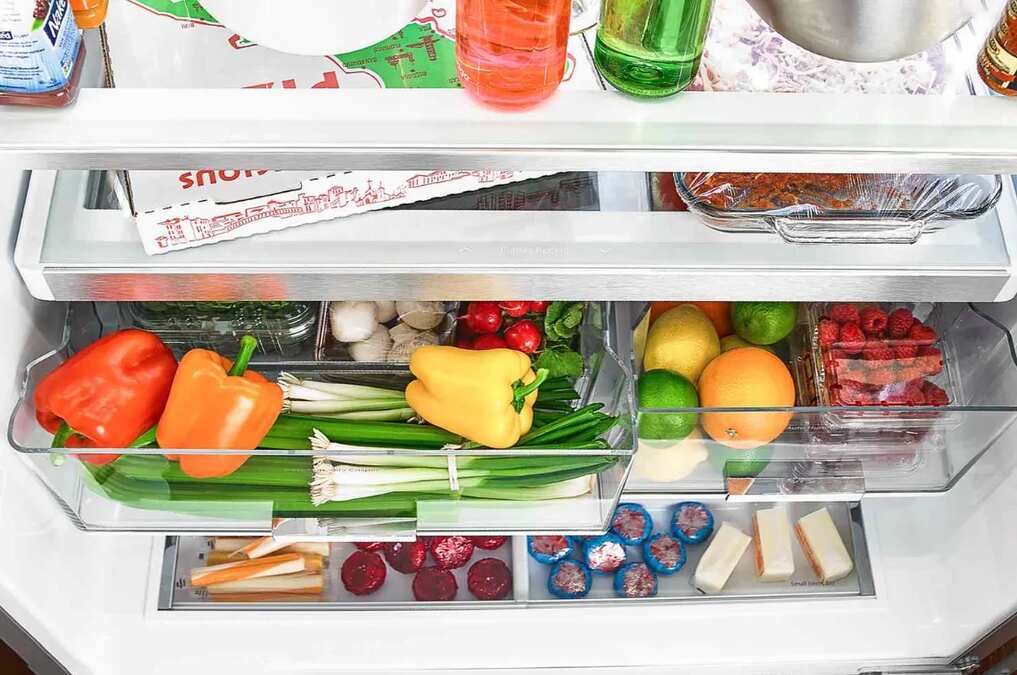
Credit: www.slurrp.com
Natural Cleaning Solutions
Cleaning your fridge vegetable drawer keeps vegetables fresh and safe. Natural cleaning solutions are safe and easy to use.
These solutions remove dirt and odors without harsh chemicals. You can make them with items in your kitchen.
Baking Soda And Water
Baking soda is a natural cleaner that removes smells and stains. Mix it with water to create a gentle scrub.
- Mix 2 tablespoons of baking soda with 1 cup of warm water.
- Dip a cloth or sponge into the mixture.
- Wipe the vegetable drawer inside and outside.
- Rinse with clean water and dry with a towel.
White Vinegar Spray
White vinegar kills bacteria and removes odors naturally. Use it as a spray cleaner for the drawer.
- Mix equal parts white vinegar and water in a spray bottle.
- Spray the drawer surfaces well.
- Let it sit for 5 minutes to disinfect.
- Wipe clean with a damp cloth and dry.
Lemon Juice And Salt Scrub
Lemon juice cleans and freshens with natural acid. Salt adds scrubbing power to remove stains.
- Cut a lemon in half and sprinkle salt on it.
- Rub the lemon on the drawer surfaces.
- Focus on spots with stains or sticky residue.
- Rinse with water and dry with a cloth.
Castile Soap And Warm Water
Castile soap is a gentle, plant-based soap that cleans well. Mix it with warm water for a safe cleaning solution.
- Add a few drops of castile soap to a bowl of warm water.
- Use a sponge or cloth to wipe the drawer.
- Rinse with clean water to remove soap residue.
- Dry the drawer completely before replacing it.
Organization Techniques
Keeping your fridge vegetable drawer tidy helps your vegetables stay fresh longer. A good system makes it easy to find what you need.
Organizing the drawer prevents damage and reduces waste. Use simple methods to keep your veggies neat and ready to use.
Sort Vegetables By Type
Group vegetables with similar storage needs together. Leafy greens, root vegetables, and fruits like tomatoes should be separated. This helps keep moisture levels right for each type.
Use Clear Containers
Clear containers keep vegetables visible and prevent them from rolling around. They also help stop cross-contamination and make cleaning easier.
Label Containers And Drawers
Labels remind you where each vegetable belongs. This keeps things organized and helps family members put items back in the right spot.
- Use waterproof labels or masking tape
- Write the vegetable name and date
- Change labels as you restock
Keep A Moisture Control Table
| Vegetable Type | Best Storage Condition | Drawer Setting |
| Leafy Greens | High humidity | Moisture control on |
| Root Vegetables | Low humidity | Moisture control off |
| Bell Peppers | Medium humidity | Moisture control half open |
Use Dividers Or Bins
Dividers create sections in the drawer, keeping vegetables separated. Bins help group smaller items and prevent them from mixing or falling out.
Tip:Use recycled plastic containers or small baskets as dividers.
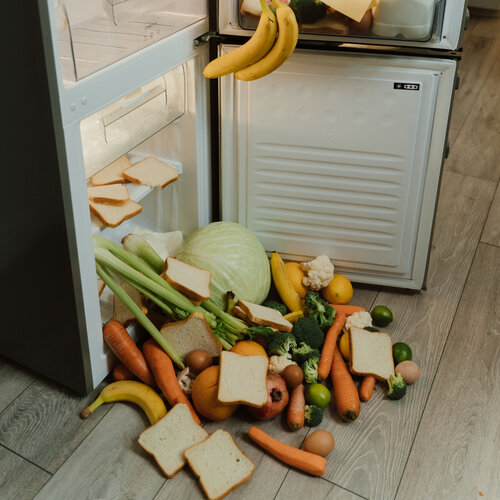
Credit: grapeslauren.com
Temperature Settings
Keeping the fridge vegetable drawer at the right temperature helps vegetables stay fresh longer. Setting the temperature correctly slows down spoilage and keeps veggies crisp.
Many fridges have separate controls for the vegetable drawer. Adjusting this setting can make a big difference in how well your vegetables keep.
Ideal Temperature Range
The best temperature for a vegetable drawer is usually between 32°F and 40°F (0°C to 4°C). This range keeps vegetables fresh without freezing them.
Too cold can cause freezing damage. Too warm can cause faster spoilage. Check your fridge manual for exact settings.
Adjusting Temperature Controls
Some fridges have a dial or slider for the vegetable drawer temperature. Move it to colder or warmer based on the drawer’s contents.
Test the drawer temperature with a fridge thermometer. Adjust slowly and check often for best results.
- Place a fridge thermometer inside the drawer
- Wait 24 hours for the temperature to stabilize
- Adjust the control if needed
- Repeat until temperature stays in ideal range
Avoid Temperature Fluctuations
Opening the fridge often changes the drawer temperature. Try to keep the door closed as much as possible.
Do not overfill the drawer. Air needs to circulate to keep the temperature steady.
- Keep drawer items organized and not too crowded
- Close the fridge door gently and quickly
- Clean the drawer regularly to avoid blockages
Proper Ventilation
Proper ventilation in the fridge vegetable drawer helps keep vegetables fresh. It controls moisture and airflow inside the drawer.
Without good ventilation, vegetables can spoil faster due to excess humidity or lack of air circulation.
Why Ventilation Matters
Vegetables release moisture and gases after being stored. Ventilation helps remove these to prevent mold and decay.
Signs Of Poor Ventilation
- Vegetables feel slimy or wet
- Condensation forms inside the drawer
- Leaves turn yellow or brown quickly
- Unpleasant odors develop
Tips To Improve Ventilation
| Tip | Reason |
| Do not overfill the drawer | Allows air to circulate between vegetables |
| Use perforated containers | Supports airflow and reduces moisture buildup |
| Keep vent openings clear | Prevents blocking of air pathways |
| Clean drawer regularly | Removes debris that can block vents |
Using Drawer Settings
Many fridges have adjustable humidity controls on vegetable drawers. Set it to low humidity for leafy greens.
Adjust drawer vents to open slightly for better airflow. Close them more for vegetables needing higher humidity.
Choosing The Right Containers
Keeping your fridge vegetable drawer clean helps your vegetables stay fresh. Choosing the right containers can make cleaning easier and keep things organized.
Good containers protect vegetables from moisture and air. This prevents spoilage and keeps your fridge tidy.
Use Clear Containers
Clear containers let you see what is inside without opening them. This helps you find vegetables quickly and reduces waste.
Choose containers made of clear plastic or glass. They make your fridge look neat and help you keep track of freshness.
Pick Airtight Containers
Airtight containers stop air and moisture from reaching your vegetables. This slows down spoilage and keeps food fresh longer.
Look for containers with tight-fitting lids or seals. These containers are easy to clean and help keep odors out.
Choose Stackable Containers
Stackable containers save space in your vegetable drawer. They keep the fridge organized and make cleaning easier.
- Look for containers that fit well on top of each other
- Use uniform sizes to maximize space
- Stacking prevents clutter and spills
Select Easy-to-clean Materials
Containers made of smooth plastic or glass clean quickly. Avoid containers with many grooves or cracks that trap dirt.
Choose containers that are dishwasher safe. This helps keep them clean and hygienic for your vegetables.
Opt For Containers With Ventilation
Some vegetables last longer with air circulation. Containers with small vents help control moisture and keep veggies fresh.
Use vented containers for leafy greens or mushrooms. This reduces mold and keeps vegetables crisp.
Avoiding Cross-contamination
Cleaning your fridge vegetable drawer is important to keep your food safe. Cross-contamination happens when germs spread from one item to another.
Follow simple steps to stop germs and keep vegetables fresh and clean.
Remove All Items Before Cleaning
Take out every vegetable and container from the drawer. This helps you clean all surfaces well and avoid spreading germs.
Check the vegetables for damage or rot. Throw away any spoiled items to stop germs from spreading.
Use Separate Cloths For Cleaning
Use one cloth for the drawer and a different one for the fridge shelves. This stops germs moving from one place to another.
Wash cloths often with hot water and soap to kill bacteria.
Clean With Safe Cleaning Solutions
Use mild soap and warm water to clean the drawer. Avoid harsh chemicals that can leave harmful residues on food.
Rinse the drawer well and dry it completely before putting vegetables back.
Keep Raw And Washed Vegetables Separate
Store raw vegetables separately from washed or cut ones. This prevents germs from raw veggies spreading to ready-to-eat items.
- Use different containers or bags
- Label containers to avoid confusion
- Clean containers regularly
Wash Hands Before And After Handling
Wash your hands well before cleaning and handling vegetables. This stops germs from your hands moving to food.
Wash hands again after cleaning to keep your kitchen safe.
Regular Inspection
Checking your fridge vegetable drawer often keeps your vegetables fresh. It helps find spoiled items early.
Regular inspection stops bad smells and mold from spreading inside the fridge.
Look For Signs Of Spoilage
Check vegetables for soft spots, mold, or unusual colors. These signs show they may be spoiling.
- Remove any slimy or mushy vegetables.
- Throw away items with mold growth.
- Separate fresh vegetables from those near spoilage.
Clean The Drawer Regularly
Take out the drawer and wash it at least once a week. Use warm soapy water and dry it well.
| Cleaning Step | Reason |
|---|---|
| Remove drawer | Access all corners for cleaning |
| Wash with soap and water | Remove dirt and bacteria |
| Dry completely | Prevent mold and odors |
| Replace drawer | Keep vegetables fresh and organized |
Monitor Temperature And Humidity
Keep the fridge temperature between 35-40°F (2-4°C). Use fridge drawers with humidity controls if possible.
- High humidity is good for leafy greens.
- Low humidity helps keep fruits fresh longer.
- Adjust settings based on what you store in the drawer.
Using Moisture Control Tools
Keeping your fridge’s vegetable drawer clean helps your vegetables stay fresh longer. Moisture control tools help manage humidity and prevent mold.
Using these tools correctly can reduce spoilage and keep your fridge smelling fresh. Let’s look at some useful moisture control tips.
Use Adjustable Humidity Drawers
Many fridges have drawers with humidity controls. Set the drawer to high humidity for leafy greens and low humidity for fruits.
Add Moisture Absorbers
Moisture absorbers like silica gel packs reduce excess water in the drawer. This helps stop mold and keeps vegetables crisp.
- Place absorbers in a corner of the drawer.
- Replace packs every few months.
- Do not place absorbers directly on vegetables.
Use Ventilated Drawer Liners
Ventilated liners allow air flow under vegetables. This prevents moisture buildup and helps keep the drawer clean.
| Type of Liner | Benefit |
|---|---|
| Perforated Plastic | Allows air circulation |
| Bamboo Mats | Absorbs moisture naturally |
| Silicone Grids | Non-slip and easy to clean |
Regularly Clean And Dry Drawers
Take out the drawer and wash it with mild soap. Dry it completely before putting it back to avoid trapping moisture.
- Remove old vegetables to prevent rot.
- Wipe drawer walls and seals.
- Check for cracks where water can collect.
Labeling System
Keeping your fridge vegetable drawer clean helps food last longer. A labeling system makes it easier to organize and find vegetables.
Labels show what is inside and when you stored it. This reduces waste and keeps things fresh.
Choose Clear Labels
Use clear labels that you can write on and erase. This helps you update dates or names easily without confusion.
Label By Vegetable Type
Group vegetables by type and label each group. This keeps similar items together and prevents mixing.
- Leafy greens
- Root vegetables
- Peppers and tomatoes
- Herbs
Include Storage Dates
Write the date when you put vegetables in the drawer. This helps you use older items first and avoid spoilage.
| Label | Information to Include |
| Vegetable Name | Type of vegetable inside the drawer |
| Storage Date | Date when you placed the vegetables inside |
| Use By | Estimated date to consume for best freshness |
Use Color Coding
Assign colors to different vegetable types or freshness levels. This makes it fast to spot what you need.
- Green: Fresh and recently stored
- Orange: Use soon
- Red: Near expiration or old
Frequently Asked Questions
How Often Should I Clean My Fridge Vegetable Drawer?
Clean your fridge vegetable drawer every 1-2 weeks. Regular cleaning prevents mold, bacteria, and unpleasant odors. It also keeps vegetables fresh longer and reduces food waste.
What’s The Best Way To Clean A Vegetable Drawer?
Remove the drawer, empty its contents, and wash with warm soapy water. Rinse well and dry completely before replacing it. Avoid harsh chemicals to protect the plastic.
Can I Use Vinegar To Clean The Vegetable Drawer?
Yes, vinegar is a safe, natural cleaner. Mix equal parts water and white vinegar. It disinfects, removes odors, and is gentle on plastic surfaces.
Should I Remove Vegetables Before Cleaning The Drawer?
Always remove all vegetables before cleaning. This prevents damage and ensures thorough cleaning. Check for spoiled items and discard them to keep your fridge fresh.
Conclusion
Keeping your fridge vegetable drawer clean helps keep veggies fresh longer. Clean it regularly to stop bad smells and germs. Use mild soap and warm water for best results. Dry the drawer well before placing vegetables back. Simple steps save you money and reduce food waste.
A tidy fridge makes cooking easier and more pleasant. Try these tips to enjoy fresher, healthier vegetables every day.