
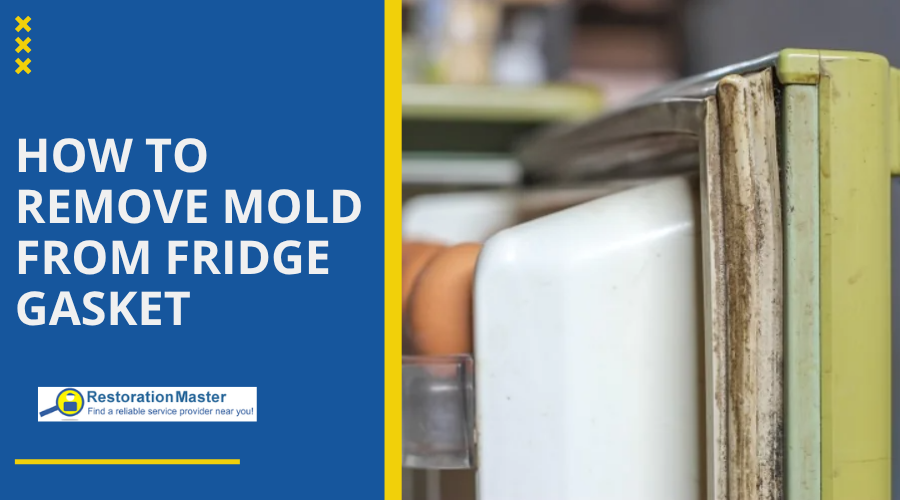
Your fridge gasket plays a crucial role in keeping your food fresh by sealing in the cold air. But did you know that if it’s dirty or moldy, it can affect your fridge’s efficiency and even your health?
Cleaning your fridge gasket thoroughly might seem like a small task, but it makes a big difference. You’ll discover simple yet effective tips to get your fridge gasket spotless and working perfectly. Keep reading—you’ll be amazed at how easy it is to keep your fridge clean and your food safer.
Importance Of A Clean Fridge Gasket
The fridge gasket is the rubber seal around your refrigerator door. It keeps cold air inside and warm air out.
Cleaning the gasket regularly helps your fridge work well and saves energy.
Prevents Mold And Mildew Growth
Fridge gaskets often collect moisture and food spills. This creates a perfect place for mold and mildew to grow.
Cleaning the gasket stops these harmful substances from spreading inside your fridge.
Maintains Proper Door Seal
A clean gasket seals the fridge door tightly. This keeps cold air in and saves electricity.
Dirt or sticky residue can stop the gasket from closing fully. Cleaning helps avoid this problem.
Extends Fridge Lifespan
Regularly cleaning the gasket reduces wear and tear. It keeps the rubber soft and flexible.
This care helps your fridge last longer and work without issues.
Improves Food Safety
A clean gasket prevents dirt and germs from entering your fridge. This keeps your food fresh and safe.
It also stops bad odors caused by bacteria buildup around the door seal.
Credit: www.iba-tradefair.com
Identifying Signs Of A Dirty Gasket
The fridge gasket is the rubber seal around the door. It keeps cold air inside and saves energy.
A dirty gasket can cause the fridge to work harder. It may lead to bad smells and food spoilage.
Visible Dirt And Mold
Look closely at the gasket for dirt, stains, or mold. These often appear as black, green, or white spots.
Mold grows in moist places and can damage the rubber over time. Cleaning it is important to keep the gasket healthy.
Sticky Or Slimy Texture
If the gasket feels sticky or slimy, it is dirty. This can happen from spilled food or liquids.
Sticky gaskets trap germs and cause bad odors. Clean them regularly to avoid this problem.
Door Not Closing Properly
A dirty or damaged gasket can stop the fridge door from closing tightly. Check if the door feels loose or hard to shut.
Gaps let cold air escape, making the fridge work harder and waste energy.
Unusual Odors Near The Door
Bad smells near the fridge door can mean the gasket is dirty. Food spills or mold cause these odors.
Cleaning the gasket helps remove the smells and keeps your fridge fresh.
Tools And Materials Needed
Cleaning a fridge gasket well needs the right tools and materials. Using proper items helps remove dirt and mold easily.
Gathering these things before you start makes the job faster and better.
Soft Cloths Or Sponges
Soft cloths or sponges clean the gasket without causing damage. Avoid rough materials that can tear the rubber.
- Microfiber cloths work well
- Soft kitchen sponges are gentle
- Use clean cloths to prevent spreading dirt
Mild Cleaning Solution
A mild cleaning solution breaks down grime and mold. Harsh chemicals can damage the gasket or leave harmful residues.
- Mix warm water with a few drops of dish soap
- Use a vinegar and water solution for mold
- A baking soda paste can help remove stains
Old Toothbrush Or Small Brush
An old toothbrush or a small brush cleans hard-to-reach spots in the gasket folds. It removes trapped dirt and debris.
- Choose a brush with soft bristles
- Use gentle scrubbing motions
- Rinse the brush often to keep it clean
Spray Bottle
A spray bottle helps apply cleaning solutions evenly. It reaches tight spaces without soaking the gasket too much.
Use it to spray vinegar or soapy water before wiping and scrubbing.
Dry Towels Or Paper Towels
Dry towels or paper towels remove moisture after cleaning. Keeping the gasket dry stops mold from growing back quickly.
- Use clean towels to avoid adding dirt
- Pat dry the gasket folds carefully
- Dispose of used paper towels properly
Step-by-step Cleaning Process
Cleaning your fridge gasket is important to keep your fridge fresh and working well. Dirt and mold can build up in the gasket over time. A clean gasket keeps the door sealed tightly and stops cold air from escaping.
This guide shows you how to clean the gasket in easy steps. Follow these tips to get your fridge gasket spotless and fresh.
Preparing The Gasket
Start by unplugging the fridge to stay safe. Remove all food from the fridge door and wipe away loose dirt and crumbs from the gasket. Check for any cracks or damage to the gasket before cleaning.
Choosing The Right Cleaner
Pick a cleaner that removes dirt and kills mold without harming the gasket. Mild soap and water work well. Avoid harsh chemicals that can dry out or crack the rubber.
- Mix warm water with a few drops of dish soap
- Use white vinegar to kill mold and bacteria
- Try baking soda paste for tough stains
- Avoid bleach or strong solvents
Cleaning Techniques
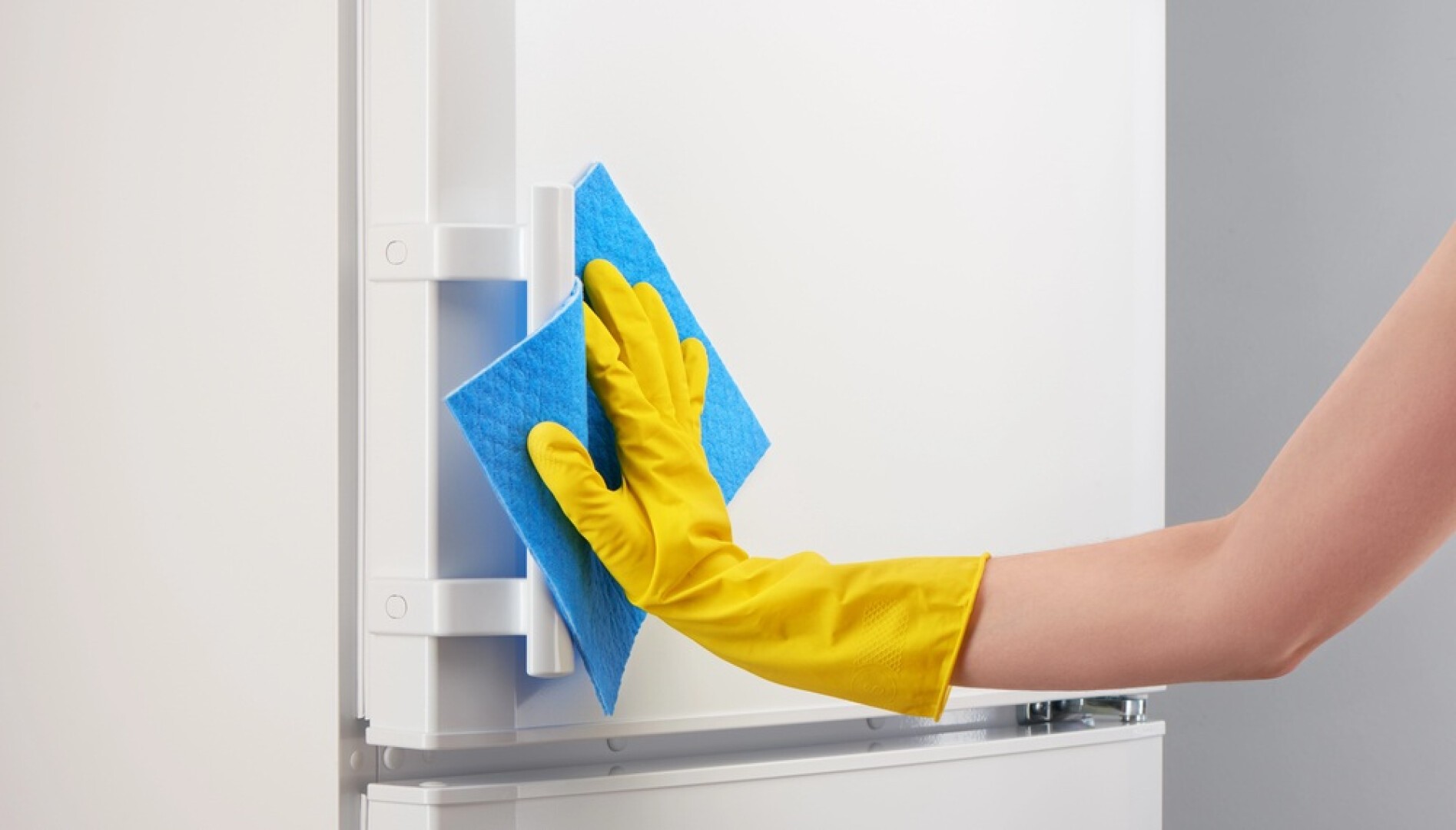
Use a soft cloth or sponge to clean the gasket gently. Avoid scrubbing too hard to prevent damage. Clean all sides of the gasket, including folds and crevices.
- Dip the cloth in your cleaning solution
- Wipe the gasket from top to bottom
- Use an old toothbrush for tight spots
- Rinse the cloth often and change solution if dirty
Rinsing And Drying
After cleaning, wipe the gasket with a cloth dampened in clean water to remove soap or vinegar. Dry the gasket fully with a soft towel to stop mold growth.
| Drying Tips |
|---|
| Use a dry microfiber cloth |
| Leave fridge door open for 10 minutes |
| Check gasket edges for moisture |
Preventing Future Build-up
Keeping your fridge gasket clean helps the fridge work better. Dirt and mold can cause damage and smells. It is important to stop build-up before it starts.
Use simple habits to keep the gasket dry and clean. This saves time and effort on deep cleaning later.
Keep The Gasket Dry
Moisture causes mold and dirt to stick to the gasket. Always dry the gasket after cleaning or if you see water drops. Use a soft cloth to wipe it down regularly.
Clean Spills Immediately
Food or drink spills can trap bacteria and cause stains. Clean any spills on the gasket right away. Use mild soap and water to remove sticky spots.
Use A Protective Barrier
A thin layer of petroleum jelly can protect the gasket from drying and cracking. Apply it every few weeks to keep the rubber soft. This barrier also helps stop dirt from sticking.
Check And Adjust Door Seal
A loose fridge door lets in warm air and moisture. This causes faster build-up on the gasket. Regularly check the door seal and fix any gaps. Replace the gasket if it is cracked or damaged.
- Close the door firmly every time
- Keep gasket free of debris that blocks sealing
- Test seal with a piece of paper: if it slips out easily, adjust the gasket
Schedule Regular Cleaning
Set a routine to clean the gasket every month. Regular care stops dirt from building up and keeps your fridge fresh. Use mild soap and a soft brush to clean all folds in the gasket.
| Cleaning Tip | Frequency |
| Wipe gasket dry | After every spill or cleaning |
| Apply petroleum jelly | Every 3 weeks |
| Inspect door seal | Monthly |
| Deep clean gasket | Monthly |
Common Mistakes To Avoid
Cleaning your fridge gasket is important for keeping your fridge fresh. Many people make mistakes that can damage the gasket or leave it dirty.
Knowing what not to do will help you clean the gasket well and keep it working longer.
Using Harsh Chemicals
Strong cleaners can hurt the gasket’s rubber. They may cause cracks or make it lose its seal.
Use mild soap and warm water instead. Avoid bleach or ammonia-based products.
Scrubbing Too Hard
Scrubbing hard can damage the gasket’s soft rubber. It may tear or wear out faster.
Use a soft cloth or sponge and clean gently to protect the gasket.
Ignoring Mold And Mildew Early
Waiting too long to clean mold can make it spread and become harder to remove.
Check the gasket often and clean mold or mildew right away to keep it safe.
Skipping Drying After Cleaning
Leaving the gasket wet can cause mold to grow again. It also weakens the rubber.
Always dry the gasket well with a soft towel after cleaning.
Not Cleaning The Gasket Folds
Dirt and grime can hide in the folds of the gasket. Missing these spots leaves the gasket dirty.
Open the gasket folds carefully and clean inside to remove all dirt.
Benefits Of Regular Maintenance
Cleaning your fridge gasket often keeps your refrigerator working well. It stops bad smells and mold from growing.
Regular care helps save money by avoiding repairs. It also keeps your food fresh and safe to eat.
Prevents Mold And Mildew Growth
Cleaning the gasket removes dirt and moisture. This stops mold and mildew from growing in the fridge door seal.
Mold can cause bad smells and may harm your health. Keeping the gasket clean keeps your kitchen safe.
Improves Fridge Efficiency
A clean gasket seals the fridge door tightly. This stops cold air from leaking out.
Good seals help your fridge use less electricity. This lowers your energy bills and helps the environment.
Extends Fridge Life
Regular gasket cleaning prevents damage to the seal. It keeps the door working well for a longer time.
A healthy gasket reduces the chances of fridge breakdowns. This means fewer repair costs and less hassle.
Keeps Food Fresh And Safe
A tight door seal keeps the fridge cold inside. This helps food stay fresh and prevents spoilage.
Regular gasket cleaning stops bacteria from growing near the door. Clean seals keep your food safe to eat.

Credit: www.aol.com
Alternative Cleaning Methods
Cleaning the fridge gasket keeps your fridge fresh and working well. Some cleaners can harm the gasket. Here are gentle ways to clean it deeply.
These methods use common household items that are safe for rubber seals. They remove dirt, mold, and sticky residue effectively.
Use Baking Soda Paste
Baking soda is a mild cleaner that removes stains and smells. Mix it with water to make a paste. Apply the paste to the gasket with a soft cloth.
Let it sit for a few minutes to break down dirt. Wipe it off with a damp cloth. Baking soda also helps stop mold growth.
Clean With Vinegar Solution
White vinegar kills germs and mold on the gasket. Mix equal parts vinegar and water in a spray bottle. Spray the gasket and let it sit for five minutes.
Use a soft brush or cloth to scrub gently. Wipe clean with a damp cloth. Vinegar leaves no harmful residue.
Try Hydrogen Peroxide
Hydrogen peroxide is a safe disinfectant. Apply it to the gasket with a cotton ball. Let it sit for a few minutes to kill bacteria and mold.
Rinse with water and dry with a clean cloth. Use this method if mold is stubborn or smelly.
Use Lemon Juice For Freshness
Lemon juice cleans and freshens the gasket. Its natural acid breaks down grime. Apply lemon juice with a cloth and scrub gently.
Wipe with a damp cloth and dry. Lemon juice leaves a pleasant scent and helps prevent mold.
Clean With Mild Dish Soap
Mild dish soap works well for regular cleaning. Mix a few drops with warm water. Use a soft cloth to clean the gasket surface.
Rinse with a wet cloth to remove soap. Dry with a towel to avoid moisture buildup that causes mold.

Credit: restorationmasterfinder.com
Frequently Asked Questions
How Often Should I Clean My Fridge Gasket?
Clean your fridge gasket every 3 months to prevent mold and odors. Regular cleaning ensures a proper seal and energy efficiency. Wipe it down monthly to remove spills and debris for best results.
What Is The Best Cleaner For Fridge Gaskets?
Use mild soap mixed with warm water for safe and effective cleaning. Avoid harsh chemicals that can damage the gasket. A solution of vinegar and water also helps remove mold and mildew gently.
How Do I Remove Mold From Fridge Gaskets?
Apply a vinegar and water solution to the gasket and scrub gently with a soft brush. Vinegar kills mold without harming rubber. Wipe clean and dry thoroughly to prevent mold from returning.
Can I Use Bleach On Fridge Gaskets?
Bleach can damage rubber gaskets and reduce their lifespan. It’s better to use mild soap or vinegar solutions. If you must use bleach, dilute it heavily and rinse immediately to avoid damage.
Conclusion
Cleaning your fridge gasket helps keep your fridge fresh and efficient. Regular care stops mold and bad smells from building up. Use mild soap and a soft cloth for best results. Dry the gasket well after cleaning to avoid moisture.
Check your gasket often to catch dirt early. A clean gasket keeps your food safe and your fridge working well. Small steps make a big difference in fridge care. Keep it simple, clean often, and enjoy a fresh fridge every day.