
Your cutting board is one of the most used tools in your kitchen, but it can also be a hidden spot for germs and stains. Cleaning it the right way keeps your food safe and your kitchen fresh.
What if you could do this using simple, natural ingredients you already have at home? You’ll discover easy and effective tips for cleaning your cutting boards naturally. These methods not only protect your health but also extend the life of your boards.
Keep reading to learn how to make your cutting boards spotless without harsh chemicals.

Credit: menwiththepot.com
Types Of Cutting Boards
Choosing the right cutting board helps keep your kitchen clean and safe. Different materials need different care methods.
Here are some common types of cutting boards and tips for cleaning them naturally without harsh chemicals.
Wood
Wood cutting boards are gentle on knives and last a long time. They absorb some moisture, which can help kill bacteria.
- Clean with coarse salt and lemon juice to remove stains and odors.
- Dry the board upright to avoid warping.
- Oil regularly with food-safe mineral oil to keep the wood from cracking.
Plastic
Plastic boards are easy to clean and dishwasher safe. They are less porous but can get deep knife marks.
- Wash with hot soapy water after each use.
- Use baking soda paste to scrub away stains.
- Replace plastic boards once they have many grooves, as bacteria can hide there.
Bamboo
Bamboo boards are eco-friendly and harder than wood. They resist water better but can dry out without care.
| Care Tip | How to Do It |
| Cleaning | Wipe with vinegar diluted in water |
| Deodorizing | Rub with lemon and salt |
| Conditioning | Apply mineral oil monthly |
Glass
Glass cutting boards are easy to clean and do not absorb odors. They are very hard and can dull knives quickly.
- Wash with hot water and natural soap.
- Use baking soda to remove tough stains.
- Handle with care to avoid chipping or breaking.
Common Contaminants
Cutting boards often hold dirt and germs after use. Cleaning them well helps keep your kitchen safe.
Natural cleaning methods work well to remove common contaminants. These tips focus on bacteria, odors, and stains.
Bacteria
Bacteria grow easily on cutting boards, especially after cutting raw meat. They can cause food poisoning.
Use natural cleaners like vinegar or lemon juice. These help kill germs without harsh chemicals.
- Spray vinegar on the board and let it sit for minutes.
- Rub lemon juice on the surface to reduce bacteria.
- Rinse with hot water after cleaning.
Odors
Cutting boards can keep strong smells from garlic, onions, or fish. These odors can mix with other foods.
Baking soda is a natural deodorizer. It absorbs bad smells and leaves the board fresh.
- Sprinkle baking soda on the board.
- Let it sit for 15 minutes to absorb odors.
- Scrub gently with a wet cloth and rinse well.
Stains
Cutting boards often get stained by colorful foods like beets or turmeric. Stains can make boards look old.
Salt and lemon work well to lift stains naturally. They scrub and brighten the surface without damage.
- Sprinkle salt on the stained area.
- Rub with half a lemon, squeezing juice as you clean.
- Let sit for a few minutes, then rinse with water.
Natural Cleaning Agents
Cleaning cutting boards with natural agents keeps them safe and fresh. These ingredients help remove stains and odors.
They are easy to find and gentle on wood or plastic boards. Use these simple items for a clean kitchen tool.
White Vinegar
White vinegar kills bacteria and removes smells from cutting boards. It works well on both wood and plastic surfaces.
To use, spray or wipe the board with vinegar. Let it sit for a few minutes, then rinse with water.
Baking Soda
Baking soda helps scrub away stains and neutralizes odors. It is gentle and safe for all types of cutting boards.
Sprinkle baking soda on the board and scrub with a damp cloth or sponge. Rinse well with warm water afterward.
Lemon Juice
Lemon juice acts as a natural bleach and deodorizer. It brightens cutting boards and kills some bacteria.
Cut a lemon in half and rub it on the board. Leave the juice for a few minutes, then rinse with water.
Salt
Salt works as a natural scrub to remove tough stains and food particles. It also helps fight odors.
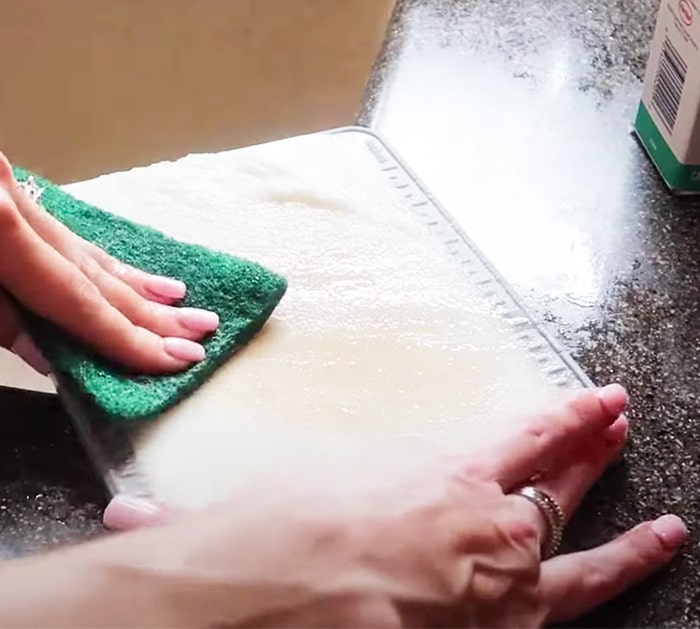
Sprinkle coarse salt on the board and scrub with a lemon half or cloth. Rinse the board thoroughly afterward.
Daily Cleaning Routine
Keeping your cutting boards clean is important for food safety. Using natural methods protects the board and your health.
Daily cleaning prevents bacteria buildup and keeps the board fresh. Simple habits make a big difference.
Quick Rinse
After each use, rinse the cutting board with warm water. This removes food bits and stops stains from setting.
A quick rinse reduces the need for harsh cleaning chemicals. It also helps keep the board dry faster.
Air Drying
Let your cutting board air dry after rinsing. Place it upright to let air flow on all sides.
Air drying stops moisture buildup that can cause mold and warping. Avoid stacking boards while drying.
Deep Cleaning Techniques
Cutting boards need deep cleaning to remove germs and stains. Natural ways can clean them well without chemicals.
Using simple ingredients like baking soda and vinegar helps keep boards safe and fresh. These methods fight bacteria and odors.
Baking Soda Paste
Baking soda paste cleans cutting boards deeply by scrubbing away stains and smells. It is gentle but effective.
Mix baking soda with water to make a thick paste. Spread it on the board and scrub with a brush or cloth.
- Make paste with 3 parts baking soda and 1 part water
- Apply paste on the cutting board surface
- Scrub in circular motions for 2 to 3 minutes
- Let it sit for 10 minutes to absorb odors
- Rinse with warm water and dry well
Vinegar Soak
Vinegar soak is a natural way to kill bacteria on cutting boards. It also helps remove stains and odors.
Use white vinegar for soaking. Pour it over the board or soak a cloth and wipe the surface well.
- Pour white vinegar directly on the cutting board
- Let it soak for about 5 to 10 minutes
- Wipe the board with a clean cloth or sponge
- Rinse with warm water and dry completely
- Repeat weekly for best results

Credit: victoryrelax.com
Odor Removal Strategies
Cutting boards often keep strong smells from foods like garlic and onions. Removing these odors naturally helps keep your kitchen fresh. Using simple household ingredients can clean and freshen cutting boards without harsh chemicals.
Here are two effective natural ways to remove odors from cutting boards. These methods use common kitchen items that you may already have.
Lemon Rub
Lemon is a natural deodorizer and cleaner. Its acidic juice helps break down odors and bacteria on the board. Rubbing a lemon directly on the surface freshens and brightens the wood or plastic.
Cut a lemon in half and press it onto the board. Rub in small circles, squeezing juice as you go. Leave the juice on the board for a few minutes before rinsing with warm water.
Salt Scrub
Coarse salt helps scrub away stains and odors without damaging the board. It acts as a gentle abrasive that removes trapped food particles and smells.
Sprinkle a generous amount of coarse salt on the board. Use a half lemon or damp cloth to scrub the salt around. Rinse the board with warm water after scrubbing for best results.
Stain Removal Tips
Cutting boards often get stains from foods like beets and berries. Cleaning them naturally keeps them safe and fresh. Simple household items can remove tough stains without chemicals.
Below are two natural stain removal methods using baking soda and lemon. These tips help keep your cutting boards clean and looking new.
Baking Soda And Water
Baking soda is a gentle abrasive that lifts stains without damaging wood or plastic boards. Mixing it with water makes an effective paste to scrub away marks.
- Mix three parts baking soda with one part water to form a paste.
- Spread the paste over stained areas on the board.
- Let it sit for 10 to 15 minutes to break down stains.
- Scrub gently with a soft brush or cloth in circular motions.
- Rinse the board well with warm water and dry it completely.
Lemon And Sunlight
Lemon juice naturally bleaches stains and kills bacteria. Sunlight boosts this effect by fading discoloration and drying the board.
| Step | Action |
| 1 | Cut a fresh lemon in half. |
| 2 | Rub the lemon directly on the stained spots. |
| 3 | Let the juice sit on the board for 5 to 10 minutes. |
| 4 | Place the board in direct sunlight for 1 to 2 hours. |
| 5 | Wipe the board clean with a damp cloth and dry it well. |
Maintaining Cutting Boards
Keeping your cutting board clean and healthy helps it last longer. Natural care avoids harsh chemicals that can damage wood.
Simple habits like oiling and storing your board correctly keep it safe and ready to use.
Regular Oiling
Oiling your cutting board prevents it from drying out and cracking. Use food-grade mineral oil for the best results.
Apply oil evenly and let it soak in overnight. Wipe off any extra oil the next day.
- Clean the board before oiling
- Use a soft cloth to apply oil
- Repeat every few weeks for wooden boards
- Avoid cooking oils as they can go rancid
Proper Storage
Store your cutting board in a dry place to stop mold and bacteria growth. Avoid stacking heavy items on top.
Keep the board upright or flat with good airflow around it. This helps it stay dry and safe for food.
- Do not leave the board in water
- Keep it away from direct sunlight
- Use a rack or stand for upright storage
- Make sure it is fully dry before storing
Eco-friendly Practices
Cleaning cutting boards naturally helps protect the environment. Using safe, eco-friendly methods keeps your kitchen healthy.
Simple changes in cleaning tools and products reduce waste and pollution. These tips make it easy to keep boards clean without harm.
Reusable Cleaning Tools
Choose cleaning tools that you can use many times. This lowers trash and saves money over single-use items.
- Use cloth rags or old t-shirts instead of paper towels
- Try natural fiber scrub brushes that last long
- Pick sponges made from biodegradable materials
- Keep cleaning tools clean and dry to prevent bacteria
Avoiding Harsh Chemicals
Harsh chemicals can harm your health and the planet. Natural cleaners work well without toxic effects.
| Natural Cleaner | How to Use |
| White vinegar | Mix with water to wipe boards clean |
| Baking soda | Sprinkle on board and scrub with brush |
| Lemon juice | Rub on stains to remove odors and germs |
| Salt | Combine with lemon for scrubbing tough spots |
Credit: diyjoy.com
Frequently Asked Questions
How To Naturally Disinfect A Cutting Board?
Use white vinegar or lemon juice to disinfect naturally. Apply directly, let sit for 5 minutes, then rinse with water. These natural acids kill bacteria effectively without harsh chemicals.
What Natural Ingredients Clean Wooden Cutting Boards Best?
Baking soda, coarse salt, and lemon are ideal for wooden boards. Sprinkle baking soda and salt, scrub with lemon halves, then rinse. This combination removes stains and odors safely.
Can I Use Essential Oils To Clean Cutting Boards?
Yes, tea tree and lavender oils have antibacterial properties. Add a few drops to vinegar or water, spray on the board, and wipe clean for a fresh, natural cleanse.
How Often Should I Clean Cutting Boards Naturally?
Clean cutting boards after every use to prevent bacteria buildup. Deep clean with natural methods weekly or after cutting raw meat for best hygiene.
Conclusion
Cleaning cutting boards naturally keeps your kitchen safe and fresh. Natural ingredients like lemon and vinegar kill germs without harsh chemicals. Regular cleaning stops bad smells and stains from building up. Simple steps save money and help the environment too.
Try these tips often to keep boards clean and lasting longer. Healthy cooking starts with a clean board. Easy, natural care makes a big difference every day. Give your cutting boards the gentle touch they deserve.