
Your chopping board is one of the busiest tools in your kitchen. But have you ever stopped to think about how clean it really is?
A dirty chopping board can hide harmful bacteria that might make you sick. The good news is, keeping it clean doesn’t have to be hard. You’ll discover simple, effective tips that protect your health and make your food taste better.
Keep reading to find out how to keep your chopping boards fresh and safe every time you cook.
Credit: www.lemonslavenderandlaundry.com
Choosing The Right Material
Picking the right chopping board material helps keep your kitchen clean and safe.
Each material has its own pros and cons. Knowing them helps you make a smart choice.
Wood Vs. Plastic
Wood boards are gentle on knives and can last a long time if cared for well. Plastic boards are easy to clean and often dishwasher safe.
- Wood:Absorbs moisture, can be harder to sanitize
- Plastic:Non-porous, can harbor scratches that hold bacteria
- Cleaning:Wood needs hand washing; plastic can go in dishwasher
Bamboo Options
Bamboo boards are hard and eco-friendly. They resist knife marks but need regular oiling to stay smooth.
| Feature | Benefit |
| Hardness | Durable and resists cuts |
| Eco-friendly | Made from renewable resources |
| Maintenance | Requires oiling to prevent cracking |
Glass Boards
Glass boards look modern and clean easily. They can dull knives quickly and may slip on counters.
Use these tips for glass boards:
- Place a damp cloth under the board to stop slipping
- Clean with warm soapy water
- Avoid cutting with very sharp knives to protect blades
Daily Maintenance Tips
Keeping your chopping boards clean every day helps stop germs and keeps food safe.
Simple habits make your boards last longer and look good.
Quick Rinse Techniques
Rinse your chopping board right after use with warm water. This removes food bits that can cause smells or stains.
Use a soft brush or sponge to clean the surface gently. Avoid harsh scrubbing that can damage the board.
Drying Methods
Dry your chopping board completely to stop bacteria and mold growth. Leave it standing up to air dry well.
- Use a clean towel to wipe off water after rinsing.
- Place the board on its side to let air reach all areas.
- Avoid stacking boards while still wet.
- Keep the drying area well ventilated.
Preventing Stains
| Common Stain Source | Tip to Prevent |
|---|---|
| Beetroot | Wash immediately with cold water |
| Tomato | Rinse soon after cutting |
| Turmeric | Use lemon juice on stains |
| Carrot | Clean with baking soda paste |
Deep Cleaning Hacks
Chopping boards need regular cleaning to stay safe and fresh. Deep cleaning removes stains and germs.
Try simple natural ingredients to clean your chopping boards deeply. These hacks are easy and effective.
Salt And Lemon Scrub
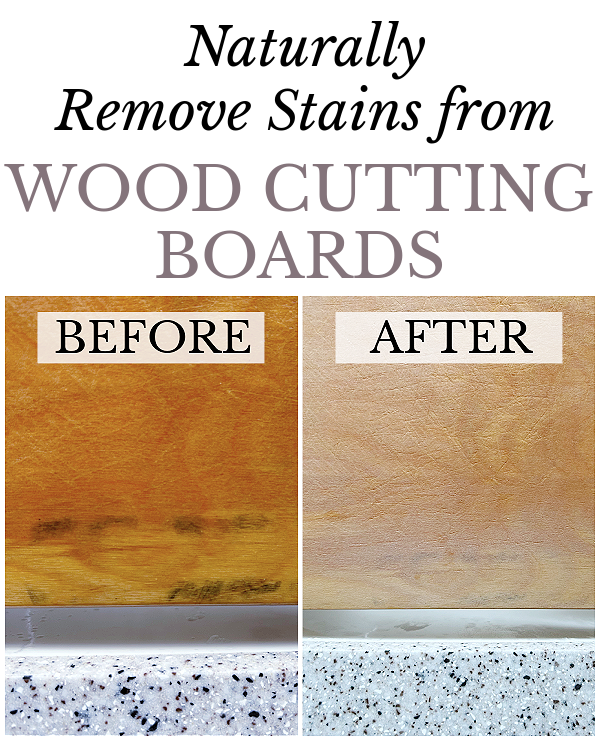
Salt and lemon make a great scrub for wooden boards. Salt scrapes away dirt, lemon kills bacteria.
Cut a lemon in half and sprinkle salt on the board. Rub the lemon on the salt in circles.
- Let it sit for 5 minutes
- Rinse with warm water
- Dry the board well
Vinegar Solutions
White vinegar cleans and disinfects chopping boards. It removes odors and kills germs.
Spray or pour vinegar on the board. Let it sit for 10 minutes before rinsing.
- Use pure white vinegar
- Rinse with warm water
- Dry completely to avoid warping
Baking Soda Paste
Baking soda removes stains and cleans deeply. It also neutralizes odors on the board.
Mix baking soda with water to make a paste. Spread it on the chopping board and scrub gently.
- Let the paste sit for 15 minutes
- Rinse well with warm water
- Dry the board before storing
:max_bytes(150000):strip_icc()/GettyImages-2195439933-114e75009db444fd816a82aeb8f7a5a8.jpg)
Credit: www.southernliving.com
Disinfecting Strategies
Cleaning chopping boards properly stops germs from spreading. Disinfecting helps kill bacteria and keep your kitchen safe.
Different disinfecting methods work well. Choose a safe way that fits your needs and board type.
Hydrogen Peroxide Use
Hydrogen peroxide is a strong cleaner for chopping boards. It kills many types of bacteria quickly.
Apply 3% hydrogen peroxide to the board and let it sit for a few minutes. Then rinse well with water.
- Use fresh hydrogen peroxide for best results
- Do not mix with other cleaners
- Store in a cool, dark place
Bleach Alternatives
Bleach is strong but can be harsh. You can use safer alternatives to disinfect chopping boards.
White vinegar and baking soda work well to clean and kill germs naturally.
- Spray vinegar on the board, wait 5 minutes, then rinse
- Make a paste with baking soda and water to scrub stains
- Use lemon juice to add extra cleaning power
Essential Oils For Freshness
Essential oils can disinfect and leave a fresh smell on chopping boards. They have natural antibacterial properties.
Tea tree, lavender, and eucalyptus oils are good choices. Add a few drops to water or vinegar before cleaning.
- Mix 10 drops of essential oil with one cup of water
- Spray on the board and wipe clean
- Store oils properly to keep them effective
Removing Odors
Chopping boards can hold strong smells from food. Removing odors keeps them fresh and safe to use.
Simple home ingredients can help get rid of bad smells. These tips are easy and effective.
Coffee Grounds Method
Used coffee grounds absorb odors well. Rub them on the board and let sit for a while.
After resting, rinse the board with warm water. The coffee grounds help remove smells.
Activated Charcoal
Activated charcoal is great for soaking up odors. Place some on the board and leave it overnight.
Clean the board the next day with soap and water. The charcoal draws out bad smells.
Vinegar And Baking Soda Mix
Mix vinegar and baking soda to make a cleaning paste. Apply it on the board to fight odors.
- Sprinkle baking soda evenly on the board
- Pour vinegar slowly over the baking soda
- Let the mixture bubble and sit for 5 minutes
- Scrub gently with a sponge or brush
- Rinse well with warm water
This mix kills bacteria and removes strong smells from wood or plastic boards.
Preventing Knife Damage
Using your chopping board correctly helps keep your knives sharp. Small habits can stop knives from dulling fast. Protect your tools by following easy tips.
This guide covers cutting methods, board care, and oiling to extend your knife life.
Proper Cutting Techniques
Cutting with the right technique reduces stress on your knife blades. Avoid pressing too hard or cutting on hard surfaces.
- Use a rocking motion instead of chopping straight down.
- Keep the knife edge moving, not digging into the board.
- Cut soft foods carefully to avoid slipping.
- Do not use your chopping board for cutting bones or frozen foods.
Board Rotation Practices
Rotating your chopping board’s position spreads wear evenly. This helps avoid deep cuts in one spot.
| Rotation Tip | Benefit |
| Turn board 90 degrees every week | Distributes knife marks evenly |
| Flip board to use both sides | Extends board lifespan |
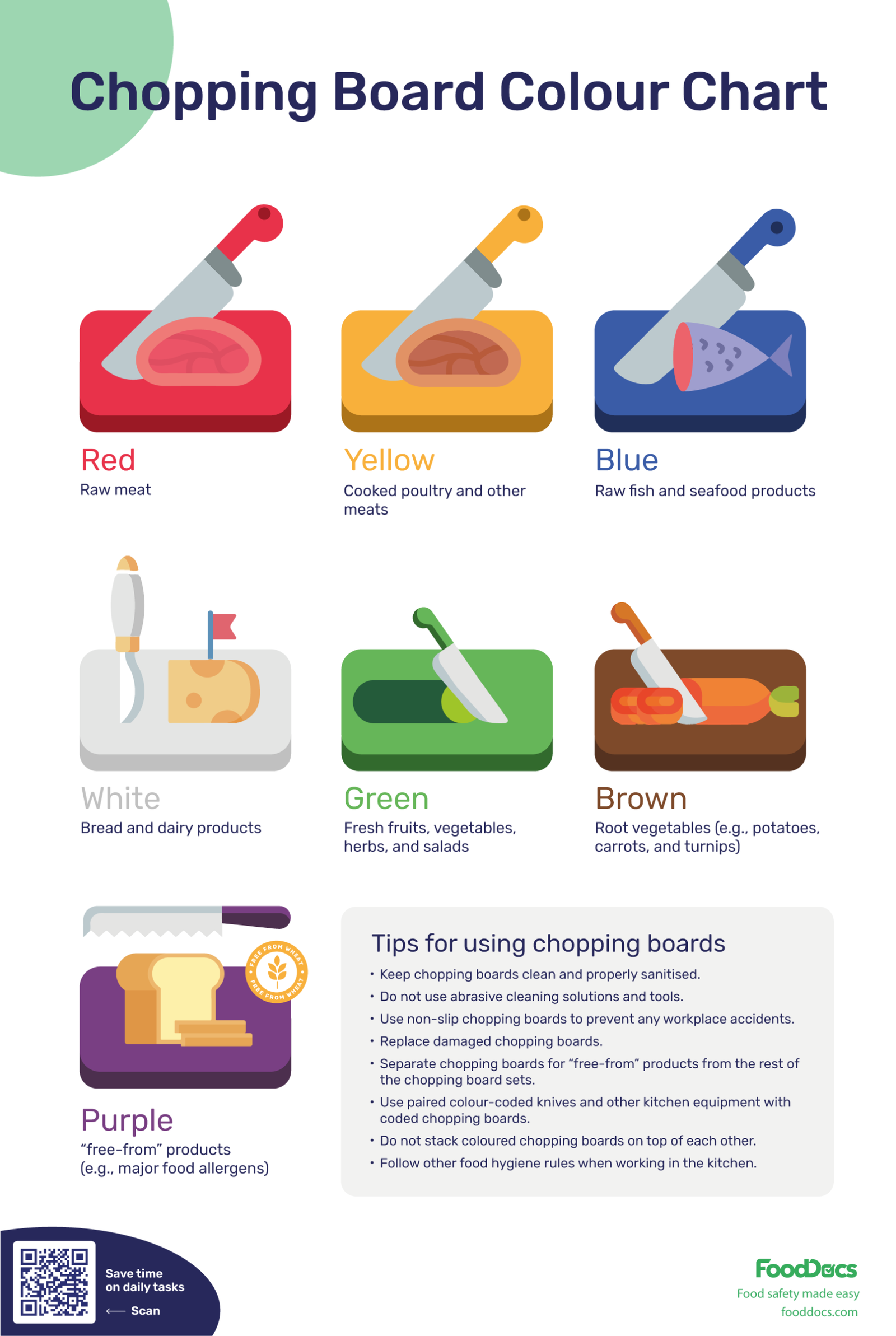
| Use different boards for meats and vegetables | Prevents cross-contamination |
Regular Oiling
Oiling wooden boards keeps the surface smooth. A smooth surface reduces friction that dulls knives.
Apply food-grade mineral oil evenly. Let it soak for a few hours before wiping off excess.
Do this once a month or when the wood looks dry.
Storage And Care
Keeping your chopping boards clean helps stop germs from growing. Proper storage and care keep boards safe and last longer.
Focus on how to avoid moisture, allow air flow, and use the right racks to store boards correctly.
Avoiding Moisture Buildup
Moisture causes wood to crack and plastic to warp. Dry your board fully after washing to prevent this.
- Wipe the board with a dry cloth right after cleaning.
- Stand the board upright to help water drain away.
- Do not store boards flat while wet.
- Use a fan or open window to speed drying.
Proper Ventilation
Good airflow stops mold and bad smells. Store chopping boards where air can reach all sides.
| Storage Spot | Air Flow Level |
| Closed drawer | Low |
| Open shelf | High |
| Mounted on wall | High |
| Under sink | Low |
Using Board Racks
Racks help keep boards upright and spaced apart. This prevents moisture and damage.
- Choose racks with dividers to separate boards.
- Clean racks often to stop dirt build-up.
- Place racks near a window or fan for airflow.
- Use wooden or plastic racks to avoid rust.
When To Replace Your Board
Chopping boards can last a long time if cared for well. Yet, they do wear out. Knowing when to replace your board keeps your kitchen safe and clean.
Replacing a worn or damaged board helps avoid germs and food contamination. Look for signs that your chopping board needs to be swapped out.
Signs Of Wear And Tear
Check your chopping board regularly for damage. Deep cuts and cracks can trap food and bacteria. These marks are a good sign you need a new board.
- Large grooves or cracks on the surface
- Warping or bending of the board
- Discoloration that won’t wash off
- Splitting or chipping edges
Hygiene Considerations
Boards that are hard to clean can hold harmful germs. If your board shows signs of mold or smells bad after washing, it is time to replace it.
| Problem | Effect | Action |
| Mold or mildew | Health risk | Replace board |
| Persistent bad odor | Indicates bacteria | Replace board |
| Stains from raw meat or fish | Possible contamination | Replace or deep clean |
Safety Concerns
Safety is key in the kitchen. A damaged board can cause accidents or spread bacteria. Replace your board if it becomes unsafe to use.
- Boards that slip easily during use
- Splintering wood that can fall into food
- Boards too thin or weak to support chopping
Credit: www.lysol.com
Frequently Asked Questions
How Often Should I Clean My Chopping Board?
Clean your chopping board after every use to prevent bacteria buildup. Regular cleaning ensures food safety and prolongs board life.
What Is The Best Way To Disinfect Chopping Boards?
Use a mixture of white vinegar or diluted bleach solution. Apply, let sit for a few minutes, then rinse thoroughly with water.
Can I Put Wooden Chopping Boards In The Dishwasher?
No, avoid dishwashers for wooden boards. High heat and water damage wood, causing cracks and warping over time.
How Do I Remove Stains And Odors From Chopping Boards?
Sprinkle baking soda or salt, scrub with lemon halves, then rinse. This natural method removes stains and neutralizes odors effectively.
Conclusion
Cleaning chopping boards keeps your kitchen safe and healthy. Regular washing stops bacteria from growing. Use soap and hot water every time you cook. Scrub well to remove food bits and stains. Dry your boards completely before storing them. Replace old or cracked boards to avoid germs.
Simple steps protect your family from foodborne illness. Clean boards also last longer and look better. Keep these tips in mind for a safer kitchen. Good habits make cooking easier and healthier every day.