
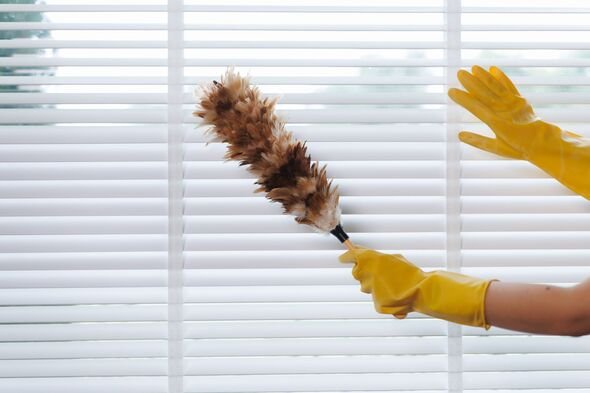
Are your blinds looking dusty or stained, but you’re worried about damaging them while cleaning? You’re not alone.
Blinds can be tricky to clean, and the wrong method can leave scratches, warping, or even broken slats. But don’t worry—there are simple, safe ways to get your blinds spotless without risking harm. Keep reading, and you’ll discover easy tips that protect your blinds and make them look like new again.
Your home deserves that fresh, clean look, and with these tricks, you’ll achieve it effortlessly.
Types Of Blinds
Cleaning blinds can be tricky because each type needs different care. Knowing your blind material helps avoid damage.
This guide covers wood, aluminum, fabric, and vinyl blinds. Learn the best tips for each type.
Wood Blinds
Wood blinds are elegant but need gentle cleaning. Avoid water to stop warping or cracking.
- Use a dry or slightly damp microfiber cloth.
- Dust regularly with a feather duster.
- Avoid harsh chemicals or soaking.
Aluminum Blinds
Aluminum blinds are durable and easy to clean. Use mild soap and water for best results.
| Cleaning Method | Details |
| Dusting | Use a soft cloth or duster weekly |
| Washing | Use mild soap and warm water |
| Drying | Wipe dry to prevent water spots |
Fabric Blinds
Fabric blinds need careful cleaning to keep colors and texture. Vacuum gently with a brush.
- Use a hand vacuum or brush attachment.
- Spot clean stains with mild detergent.
- Avoid soaking or harsh scrubbing.
Vinyl Blinds
Vinyl blinds resist moisture and dirt. Clean with soap and water but avoid abrasive tools.
| Cleaning Tip | Description |
|---|---|
| Regular Dusting | Use a dry cloth or duster weekly to remove dust. |
| Deep Cleaning | Wipe with a soft cloth dipped in soapy water. |
| Avoid Scratches | Do not use rough scrubbers or sharp tools. |
Essential Cleaning Tools
Cleaning blinds carefully helps keep them looking new. Using the right tools prevents damage and makes cleaning easier.
Below are essential tools to clean your blinds safely and effectively.
Microfiber Cloths
Microfiber cloths trap dust without scratching blind surfaces. They are soft, reusable, and work well for regular dusting.
Vacuum Attachments
Vacuum attachments remove dust from blinds quickly. Use a brush attachment to avoid bending slats or damaging fabric.
- Choose a soft brush vacuum head
- Set vacuum to low suction
- Clean in horizontal or vertical strokes
- Empty vacuum bag or bin after use
Soft Brushes
Soft brushes help clean hard-to-reach spots without scratching. They work well for wooden, faux wood, and fabric blinds.
| Brush Type | Best For |
|---|---|
| Paintbrush | Wooden blinds |
| Makeup brush | Fabric blinds |
| Soft nylon brush | Faux wood blinds |
Mild Detergents
Use mild detergents to clean stains or heavy dirt. Harsh chemicals can damage blinds, so choose gentle cleaning solutions.
Dusting Techniques
Cleaning blinds can be tricky because they are delicate. Dusting is the first step to keep them clean without damage.
Using the right dusting methods helps remove dust safely and keeps blinds looking fresh longer.
Regular Dusting Routine
Dust your blinds often to stop dust buildup. This keeps the blinds cleaner and easier to maintain.
Try dusting once a week using gentle tools. This routine prevents hard-to-remove dirt later.
- Close the blinds fully before dusting
- Dust one side first, then the other
- Use gentle, slow movements to avoid bending slats
- Check for any stains to clean separately
Using A Vacuum Cleaner
A vacuum cleaner with a soft brush attachment can remove dust safely. It saves time and reduces mess.
Use low suction to avoid pulling or damaging the blinds. Move the vacuum slowly along each slat.
- Set vacuum to gentle or low power
- Attach a soft brush tool
- Vacuum from top to bottom
- Do not press hard on the blinds
Feather Dusters Vs. Microfiber Cloths
Feather dusters can reach small spaces but may spread dust around. Microfiber cloths trap dust better.
Microfiber cloths work well for delicate blinds because they clean without scratching or bending.
- Feather dusters: light and flexible but can scatter dust
- Microfiber cloths: trap dust and hold it until cleaning
- Use a slightly damp microfiber cloth for sticky dust
- Wash microfiber cloths regularly to keep them effective
Deep Cleaning Methods
Cleaning blinds deeply keeps them looking fresh and extends their life. Dirt and dust build up over time and need more than quick dusting.
This guide covers soaking, spot cleaning, and steam cleaning to clean blinds without damage.
Soaking And Scrubbing
Remove blinds carefully and soak them in warm water with mild detergent. Let them sit for 15 to 30 minutes.
- Fill a bathtub or large basin with warm water and gentle soap
- Submerge the blinds completely
- Use a soft brush or sponge to scrub gently
- Rinse with clean water to remove soap
- Dry with a clean cloth or hang to air dry
Spot Cleaning Stains
For small stains, use a damp cloth with mild detergent. Rub gently in a circular motion.
| Stain Type | Cleaning Method |
| Grease | Dish soap and warm water |
| Ink | Rubbing alcohol on cloth |
| Mold | White vinegar and water mix |
Steam Cleaning Tips
Steam cleaning removes dirt without chemicals. Use a handheld steamer on low setting.
- Hold the steamer 6-8 inches from blinds
- Move slowly across each slat
- Wipe with a microfiber cloth after steaming
- Allow blinds to dry fully before rehanging
Preventing Damage
Cleaning blinds requires care to avoid damage. Using the right methods keeps them looking good.
Simple steps can protect your blinds from scratches, fading, and warping during cleaning.
Avoiding Harsh Chemicals
Strong chemicals can harm blind surfaces. They may cause discoloration or weaken materials.
- Use mild soap or detergent instead of bleach or ammonia.
- Read labels to ensure cleaners are safe for your blind type.
- Test cleaners on a small hidden area first.
- Avoid abrasive scrubbing pads or brushes.
Testing Before Cleaning
Try a small cleaning test before full cleaning. This helps spot any damage early.
| Test Area | Cleaning Product | Check For |
| Hidden corner | Mild soap solution | Color change, texture damage |
| Bottom edge | Water only | Water absorption, warping |
Handling Delicate Materials
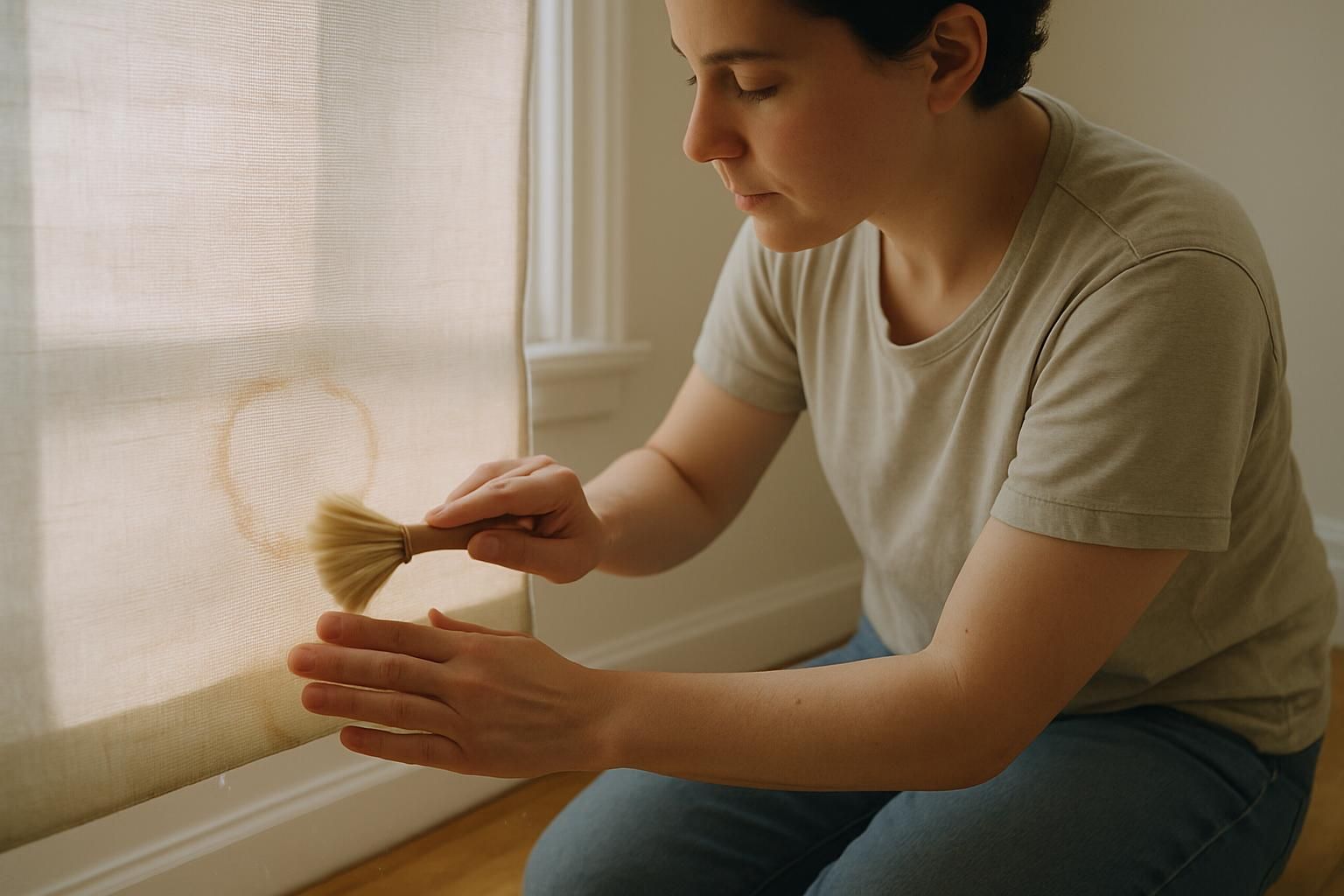
Some blinds need gentle care. Fabrics and thin slats can tear or bend easily.
- Use a soft cloth or feather duster for dusting.
- Do not soak fabric blinds; use a damp cloth instead.
- Support thin slats carefully to avoid bending.
- Dry blinds fully after cleaning to prevent mold.
Credit: mycleaningangel.com
Maintenance Tips
Cleaning blinds without causing damage needs care and regular upkeep. Proper maintenance keeps blinds looking good and working well.
Simple checks and small repairs can extend the life of your blinds. Use gentle cleaning and avoid harsh tools or chemicals.
Regular Inspection
Look over your blinds often to spot dirt, dust, or damage early. Check slats, cords, and mechanisms for any problems.
Regular inspections help you clean better and avoid bigger repairs later. Use a soft cloth or brush to remove dust gently.
Repairing Minor Damages
Fix small problems like bent slats or loose cords quickly. These issues can get worse if not handled early.
- Use pliers to straighten bent slats carefully.
- Tighten loose screws with a screwdriver.
- Replace or tie loose cords to keep blinds working well.
Use gentle tools to avoid breaking parts. Do not force any broken pieces back into place.
Replacing Parts When Necessary
Some parts wear out and need replacement. This keeps blinds safe and functioning smoothly.
- Replace broken slats with matching pieces.
- Swap damaged cords for new ones made for your blinds.
- Change faulty mechanisms to restore smooth operation.
Use parts made for your specific blind model. Follow instructions or get help if unsure about replacing parts.
Professional Cleaning Services
Cleaning blinds can be tricky and may cause damage if done incorrectly. Professional cleaning services offer safe and effective solutions. They use the right tools and methods to protect your blinds.
These services save time and help keep your blinds looking new. Knowing when to hire a professional can protect your investment and improve your home’s appearance.
When To Hire A Professional
Hire a professional if your blinds have tough stains or dust buildup. Large or delicate blinds also need expert care. Professionals can clean hard-to-reach areas safely.
- Blinds with mold or mildew
- Heavy dust or pet hair accumulation
- Large window blinds
- Blinds made of fragile materials
- Blinds that require special cleaning solutions
Selecting A Reliable Service
Choose a cleaning service with good reviews and experience. Check if they use safe cleaning products. Ask about their process and if they guarantee no damage.
| Factor | What to Look For |
| Experience | Years cleaning blinds professionally |
| Reviews | Positive feedback from past clients |
| Cleaning Methods | Use of gentle, safe products |
| Guarantee | Assurance of no damage |
Cost Considerations
Prices vary by blind size and material. Professionals may charge by the hour or by the job. Ask for a clear estimate before hiring. Remember, cheap service can lead to damage.
- Request detailed quotes from multiple providers
- Compare what is included in the price
- Check for hidden fees or extra charges
- Consider the value of preserving your blinds

Credit: www.makemyblinds.co.uk

Credit: www.servpro.com
Frequently Asked Questions
How Do I Clean Blinds Without Causing Damage?
Use a soft cloth or microfiber duster to gently remove dust. Avoid harsh chemicals and abrasive tools. For deeper cleaning, use mild soap and water, then dry immediately to prevent warping or discoloration.
What Is The Best Cleaning Method For Wooden Blinds?
Dust regularly with a microfiber cloth. For stains, use a damp cloth with mild soap. Avoid soaking wood to prevent warping. Always dry thoroughly to maintain the wood’s finish and durability.
Can I Use A Vacuum To Clean Blinds Safely?
Yes, use the vacuum with a brush attachment on low suction. Gently run over the blinds to remove dust. Avoid high suction to prevent bending or damaging the slats.
How Often Should I Clean My Blinds To Avoid Damage?
Clean your blinds every two weeks to prevent dust buildup. Regular light cleaning reduces the need for harsh methods. Deep clean every few months depending on exposure to dirt and pollutants.
Conclusion
Cleaning blinds carefully keeps them looking fresh and new. Use gentle tools and mild cleaners to avoid damage. Regular dusting helps reduce deep dirt build-up. Take your time and clean each slat with care. This simple routine saves money and effort later.
Clean blinds brighten any room and improve air quality. Keep these tips in mind for safe, easy cleaning. Your blinds will stay beautiful longer with little work. Try these steps and enjoy a cleaner, fresher home.