
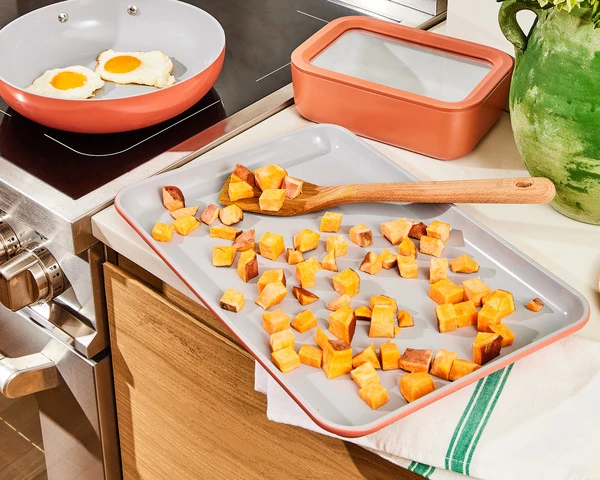
Are you tired of scrubbing your bakeware for hours only to see stubborn stains and burnt-on food still clinging to the surface? You’re not alone.
Cleaning bakeware can feel like a frustrating chore, but it doesn’t have to be. With the right tips and tricks, you can make your bakeware sparkle like new without wasting time or effort. Keep reading, and you’ll discover simple, effective ways to clean your favorite pans that will save you stress and bring back the joy of baking.
Your bakeware—and your kitchen—deserve it.
Credit: blog.blueapron.com
Types Of Bakeware Materials
Bakeware comes in different materials. Each type needs special care to stay in good shape.
Knowing the material helps you clean your bakeware safely and well.
Glass
Glass bakeware holds heat evenly and shows how your food cooks. It is easy to clean but can break if dropped.
Use warm soapy water and a soft sponge. Avoid harsh scrubbers that can scratch glass.
- Soak tough stains before cleaning
- Do not use metal utensils to avoid scratches
- Dry completely to prevent water spots
Metal
Metal bakeware heats up fast and is very durable. It can be made of aluminum, stainless steel, or non-stick coated metal.
Use warm water and gentle dish soap. Avoid abrasive cleaners to keep the surface smooth.
- Hand wash non-stick metal to protect coating
- Dry metal bakeware immediately to stop rust
- Use baking soda for stuck-on food
Silicone
Silicone bakeware is flexible and easy to remove food from. It cleans quickly and resists stains.
Wash with warm soapy water or place in dishwasher. Avoid sharp tools that can cut the silicone.
- Use a soft brush for grooves and corners
- Rinse well to remove soap residue
- Store flat or rolled to keep shape
Ceramic
Ceramic bakeware looks nice and cooks food evenly. It can chip or crack if dropped.
Clean with mild soap and a soft cloth. Avoid sudden temperature changes to protect the ceramic.
- Remove food gently to avoid scratches
- Use baking soda for tough stains
- Dry fully before storing
Common Baking Residues
Bakeware often holds leftover food and grease after baking. These residues can be hard to clean.
Knowing the types of residues helps you clean bakeware better and faster.
Grease And Oil
Grease and oil leave a shiny, slippery film on bakeware. This can attract dust and dirt.
Use hot water and dish soap to break down grease. Scrub gently to avoid damage.
- Soak bakeware in warm soapy water for 15 minutes
- Use a soft sponge to clean the greasy surface
- Rinse well with hot water to remove soap
Burnt Food
Burnt food sticks tightly to bakeware and is tough to remove. It may look black and hard.
Try soaking the bakeware in hot water to soften burnt bits. Use a scraper carefully to avoid scratches.
- Fill bakeware with hot water and a little baking soda
- Let it soak for 30 minutes or more
- Use a plastic scraper to lift burnt spots
- Avoid metal scrubbers that can scratch surfaces
Sticky Baked-on Residues
Sticky residues come from sugar or syrup in baked goods. They make surfaces tacky and hard to clean.
Warm water helps dissolve sticky leftovers. Use gentle scrubbing with dish soap to remove them.
- Soak bakeware in warm water with dish soap
- Scrub with a non-abrasive sponge or cloth
- Rinse thoroughly to remove all sticky residue
Essential Cleaning Supplies
Keeping bakeware clean is easy with the right supplies. Using common household items can help remove tough stains and grease.
This guide covers four essential supplies that work well for cleaning your bakeware.
Baking Soda
Baking soda is a gentle abrasive that helps scrub off baked-on food. It also neutralizes odors and brightens surfaces.
Make a paste by mixing baking soda with water. Apply it to stains and let it sit for 15 minutes before scrubbing.
Vinegar
Vinegar breaks down grease and dissolves mineral deposits. It works well with baking soda for a deeper clean.
- Spray vinegar on stained areas
- Let it fizz with baking soda for 5 minutes
- Wipe away with a damp cloth
- Rinse thoroughly with water
Dish Soap
Dish soap cuts through grease and food residue. Use a few drops on warm water to soak your bakeware.
| Type of Dish Soap | Best Use |
| Regular dish soap | Daily cleaning |
| Degreasing dish soap | Heavy grease removal |
| Gentle dish soap | Non-stick bakeware |
Scrub Brushes And Sponges
Use scrub brushes and sponges to remove stuck-on food. Choose non-abrasive options for delicate surfaces.
- Soft sponge for non-stick pans
- Stiff brush for heavy bakeware
- Replace sponges regularly to avoid bacteria
Cleaning Glass Bakeware
Glass bakeware is popular because it heats evenly and looks nice. It can last a long time with proper care.
Cleaning glass bakeware is easy if you follow some simple tips. This helps keep it clear and scratch-free.
Removing Stains
Stains on glass bakeware come from baked-on food and grease. You can remove them with gentle cleaning methods.
Use baking soda and water to make a paste. Spread it on the stains and let it sit for 15 minutes. Then scrub gently with a soft sponge.
- Mix baking soda and water to form a thick paste
- Apply paste to stained areas
- Wait 15 minutes for the paste to work
- Scrub gently with a soft sponge or cloth
- Rinse with warm water and dry
Avoiding Scratches
Glass bakeware can get scratched if you use rough tools or scrub hard. Use soft cleaning tools to protect the surface.
Do not use metal scrubbers or harsh chemicals. Use a soft sponge and mild dish soap to clean your glass bakeware safely.
- Use soft sponges or cloths only
- Avoid metal scrubbers or brushes
- Choose mild dish soap without abrasives
- Do not stack glass bakeware without protection
- Dry with a soft towel to avoid marks
Cleaning Metal Bakeware
Metal bakeware needs special care to keep it clean and last long. Dirt and grease can build up after baking.
Using the right cleaning tips helps protect your metal bakeware from damage and rust.
Tackling Rust
Rust can form on metal bakeware if it stays wet or is stored improperly. Clean rust quickly to stop it from spreading.
Use gentle methods to remove rust without scratching the metal surface.
- Make a paste with baking soda and water.
- Apply the paste on rust spots and let it sit for 30 minutes.
- Scrub gently with a soft brush or cloth.
- Rinse well and dry immediately to prevent more rust.
Polishing Techniques
Polishing metal bakeware keeps it shiny and smooth. It also helps remove stains and small scratches.
Use safe materials that clean without harming the metal finish.
- Rub the surface gently with a cloth and white vinegar.
- Use a small amount of olive oil to add shine after cleaning.
- Buff the bakeware with a soft, dry cloth until it glows.
- Do not use harsh chemicals or steel wool, which can damage the metal.
Credit: www.carawayhome.com
Cleaning Silicone Bakeware
Silicone bakeware is popular for its flexibility and non-stick surface. Cleaning it properly keeps it safe for baking and helps it last longer.
Some stains and grease can build up over time. Using the right methods removes residue without harming the silicone.
Handling Grease Build-up
Grease can stick to silicone bakeware after many uses. Removing it needs gentle scrubbing and special cleaners.
- Use warm, soapy water and a soft sponge.
- Apply baking soda paste to tough grease spots.
- Let the paste sit for 15 minutes before scrubbing.
- Rinse well with warm water to remove all residue.
- Avoid abrasive tools that can damage silicone.
Maintaining Flexibility
Silicone bakeware stays useful if it stays flexible. Harsh cleaning or heat can make it brittle over time.
| Tip | Reason |
| Wash with mild soap | Protects silicone’s surface |
| Air dry completely | Prevents mold and odors |
| Store flat or loosely rolled | Maintains shape and flexibility |
| Avoid sharp knives | Prevents cuts and tears |
| Keep away from direct flame | Prevents melting or warping |
Cleaning Ceramic Bakeware
Ceramic bakeware is popular for cooking and serving food. It looks nice and cleans easily if you know how.
Cleaning ceramic bakeware carefully keeps it safe and lasts longer. Use gentle steps to avoid damage.
Dealing With Crazing
Crazing shows as small cracks on the ceramic surface. It happens from heat changes or age. Crazing can trap food and stains.
Clean crazed ceramic bakeware by soaking it in warm water with mild soap. Avoid harsh scrubbing to stop more cracks.
- Use a soft sponge or cloth
- Soak for 15-30 minutes if stains are deep
- Rinse well to remove soap
- Dry with a soft towel
Preventing Cracks
Prevent cracks by handling ceramic bakeware with care. Avoid sudden temperature changes like putting hot bakeware in cold water.
Use low to medium oven heat and do not place ceramic directly on stove burners. Store carefully to avoid dropping or hitting.
- Preheat oven before placing bakeware inside
- Let bakeware cool before washing
- Do not use metal tools that can chip ceramic
- Store in a safe place with padding if needed
Credit: www.carawayhome.com
Natural Cleaning Methods
Cleaning bakeware can be easy using natural ingredients. These methods avoid harsh chemicals.
Natural cleaners are safe for your health and the environment. They also help keep your bakeware shiny.
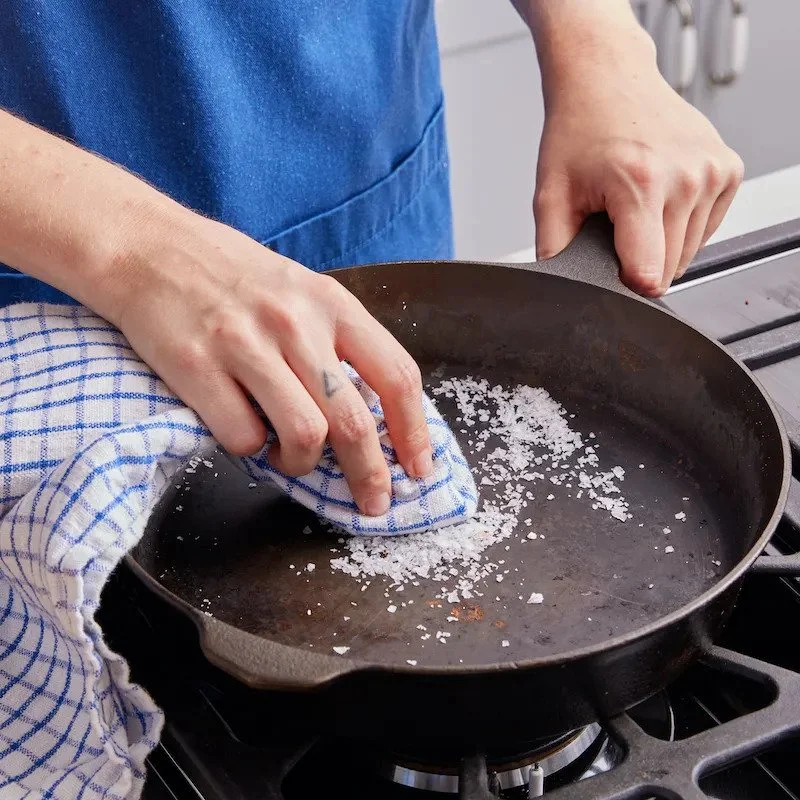
Lemon And Salt
Lemon and salt work well to remove stains and grease. Lemon’s acid breaks down grime, while salt scrubs gently.
- Cut a lemon in half and dip the cut side in salt.
- Rub the lemon and salt over the stained bakeware.
- Let it sit for 10 minutes to lift stains.
- Rinse with warm water and dry with a cloth.
Hydrogen Peroxide
Hydrogen peroxide helps whiten and disinfect bakeware. It is safe and effective for tough spots.
| Usage | Instructions |
| Light Stains | Spray hydrogen peroxide, wait 5 minutes, then wipe clean. |
| Deep Stains | Mix hydrogen peroxide with baking soda to form paste. Apply, wait 30 minutes, then scrub. |
| Disinfection | Spray directly and rinse after 10 minutes. |
Preventive Measures
Cleaning bakeware can be easier with simple preventive steps. These steps help keep your pans clean longer.
Using the right tools and storing your bakeware properly can stop stains and damage. This saves time and effort.
Using Parchment Paper
Place parchment paper on your bakeware before adding food. This stops food from sticking and makes cleaning fast.
Parchment paper also protects the pan’s surface from heat and spills. It is safe for most oven temperatures.
- Cut parchment paper to fit your pan
- Use it for cookies, cakes, and roasting
- Dispose of it after use to avoid build-up
Proper Storage
Store bakeware in a dry place to prevent rust and stains. Avoid stacking pans tightly to stop scratches.
Use soft cloths or paper towels between pans if you stack them. Keep lids and accessories organized to avoid damage.
- Keep pans dry before storing
- Stack with protective layers between items
- Store lids separately or with care
Frequently Asked Questions
How Do I Clean Burnt Bakeware Effectively?
To clean burnt bakeware, soak it in warm soapy water for 30 minutes. Use a non-abrasive scrubber to remove residue. For tough stains, apply baking soda paste, let it sit, then scrub gently. Avoid harsh chemicals to protect the surface.
What Is The Best Method To Prevent Bakeware Stains?
Prevent stains by greasing bakeware before use. Use parchment paper or silicone mats for easy cleanup. Clean bakeware promptly after use to avoid baked-on residue. Regular maintenance keeps your bakeware looking new and extends its lifespan.
Can I Use Dishwasher For All Types Of Bakeware?
Not all bakeware is dishwasher safe. Check the manufacturer’s instructions first. Non-stick and delicate materials may get damaged. Hand wash with mild detergent for best results. This helps maintain the bakeware’s coating and durability.
How To Remove Stubborn Grease From Bakeware?
Remove stubborn grease by soaking bakeware in hot water with dish soap. Use a soft sponge or cloth to scrub gently. For extra grease, sprinkle baking soda and scrub. Rinse thoroughly and dry to prevent residue buildup.
Conclusion
Cleaning bakeware does not have to be hard or take long. Use gentle scrubbing and warm water for best results. Avoid strong chemicals that can damage your pans. Regular cleaning keeps your bakeware looking new and safe to use. Take care of your tools, and they will last longer.
Happy baking starts with clean, well-kept bakeware. Keep these tips handy for easy, quick cleaning every time. Simple steps make a big difference in your kitchen routine.