
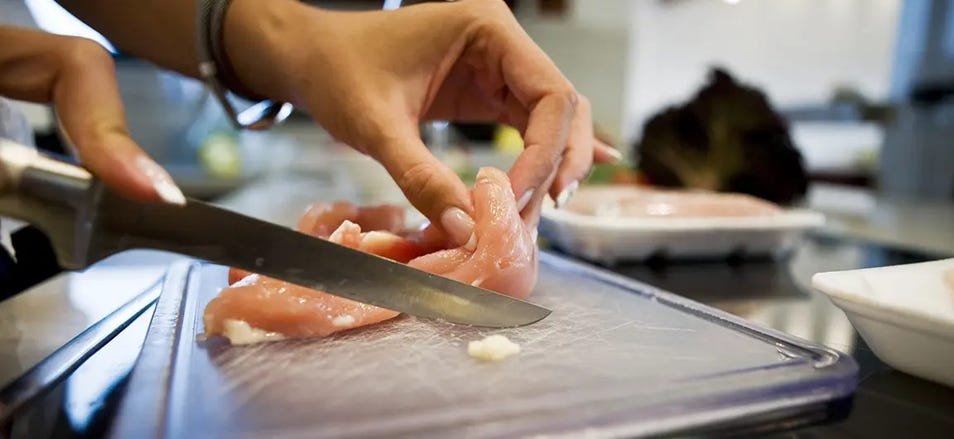
Your cutting board is more than just a kitchen tool—it’s where your meals begin. But if it’s not cleaned and sanitized properly, it can harbor harmful bacteria that put your health at risk.
You might think a quick rinse is enough, but that’s not always true. Want to keep your family safe and your kitchen fresh? Keep reading to discover simple, effective tips that will make your cutting boards spotless and germ-free every time.

Credit: branchbasics.com
Choosing The Right Cutting Board
Choosing the right cutting board is important for kitchen safety and hygiene. Different materials have unique benefits and drawbacks.
Consider the type of food you prepare and how often you clean your boards. This will help you pick the best option.
Wood Vs Plastic Boards
Wood and plastic are common materials for cutting boards. Each has its own features and benefits.
Wood boards are often made from bamboo, maple, or teak. Plastic boards are usually made from polyethylene or similar materials.
Pros And Cons Of Each Material
Both wood and plastic cutting boards have pros and cons. Understanding them helps in making the right choice for your kitchen.
- Wood boards are durable and gentle on knives.
- Plastic boards are lightweight and dishwasher safe.
- Wood can absorb moisture and bacteria if not cared for.
- Plastic can get deep grooves that harbor bacteria.
Best Boards For Different Foods
Different foods require different cutting boards. This helps prevent cross-contamination and keeps food safe.
Use separate boards for raw meat, vegetables, and bread. This minimizes the risk of spreading bacteria.
- Use a plastic board for raw meat. It is easy to clean.
- Choose a wood board for bread and fruits. It is gentle on knives.
- Keep a separate board for vegetables to avoid mixing flavors.

Credit: www.aol.com
Daily Cleaning Techniques
Keeping cutting boards clean is important to stop germs from spreading. Daily cleaning helps keep your kitchen safe.
Simple steps can remove dirt and bacteria. This guide shows easy ways to clean and sanitize cutting boards every day.
Proper Washing Methods
Wash cutting boards right after use. Use warm water and soap to remove food particles and bacteria.
Scrub all sides of the board. Don’t forget the edges and corners where dirt can hide.
Using Hot Water And Soap
Use hot water with dish soap to clean cutting boards. Hot water helps kill germs and breaks down grease.
Rinse well to remove all soap. Dry the board completely with a clean towel or air dry to stop bacteria growth.
Avoiding Cross-contamination
Use separate cutting boards for raw meat, vegetables, and cooked foods. This stops germs from spreading between foods.
- Label boards for different food types
- Clean boards thoroughly after each use
- Replace boards if deeply scratched or worn
Deep Sanitizing Methods
Cutting boards can hold bacteria even after washing. Deep sanitizing removes germs and keeps food safe. Use strong but safe methods to clean boards well.
This guide shows different ways to sanitize cutting boards deeply. Choose the best method for your needs.
Using Vinegar And Baking Soda
White vinegar kills many bacteria on cutting boards. Baking soda helps scrub off dirt and stains. Together, they clean and sanitize naturally.
Sprinkle baking soda on the board. Spray vinegar over it. Let it fizz for a few minutes. Scrub with a brush, then rinse with water.
- Use plain white vinegar, not flavored types
- Let vinegar and baking soda sit for 5 minutes
- Scrub gently to avoid damaging the board
- Rinse well and dry completely before storing
Bleach Solutions For Disinfection
Bleach is a strong cleaner that kills most bacteria and viruses. Use a diluted bleach solution to disinfect cutting boards safely.
Mix one tablespoon of bleach with one gallon of water. Soak the board or wipe it with the solution. Let it sit for a few minutes. Rinse well with water.
- Wear gloves to protect your skin
- Do not use bleach on wooden boards often
- Always rinse boards thoroughly after bleaching
- Use fresh bleach solution each time
Natural Alternatives For Sanitizing
Lemon juice and salt work well for cleaning and sanitizing. Lemon’s acid kills germs and salt scrubs off residue from boards.
Cut a lemon in half and sprinkle salt on the board. Rub the lemon over the surface. Let it sit for 5 minutes, then rinse and dry.
- Lemon juice is a natural disinfectant
- Salt removes stains and food particles
- Works best on wooden or plastic boards
- Safe and chemical-free method
Maintaining Cutting Board Hygiene
Cleaning and sanitizing cutting boards is important to keep food safe. Germs can hide in small cracks and cause illness.
Good habits help stop bacteria from spreading. Use the right cleaning methods and check your board often.
Regular Inspection For Damage
Look at your cutting board every time you clean it. Check for deep cuts, cracks, or rough spots.
Damaged areas can hold bacteria and food bits. Catching damage early helps keep the board safe to use.
- Check for cracks that are hard to clean
- Notice if the surface feels rough or worn
- Look for stains or discoloration
Sanding And Oil Treatments
Sanding removes small cuts and smooths the board’s surface. Use fine sandpaper for best results.
Apply food-safe oil after sanding to protect wood boards. Oil stops water from soaking in and cracking.
- Sand the board lightly to remove scratches
- Clean off dust before oiling
- Use mineral oil or beeswax-based oil
- Let the oil soak in overnight
- Wipe off extra oil before use
When To Replace Your Board
Replace your cutting board if it has deep cracks or many cuts. These are hard to clean and can grow bacteria.
Plastic boards can warp or get very scratched. Wood boards can dry out or split over time.
- Replace if the board smells bad after cleaning
- Change boards if they have deep grooves
- Consider replacing if the board is warped or cracked
- Use separate boards for raw meat and vegetables to avoid cross-contamination
Storing Cutting Boards Safely
Keeping cutting boards clean is important for kitchen safety. Proper storage helps stop germs from growing on them.
Good storage also protects cutting boards from damage. This keeps them in good shape for a long time.
Drying Techniques To Prevent Mold
Always dry cutting boards well before storing. Wet boards can grow mold quickly, which is unsafe.
Air drying is best. Stand boards upright or place them where air can flow on all sides.
- Use a drying rack to keep boards upright
- Wipe off extra water with a clean towel
- Do not stack boards while still wet
Proper Storage Positions
Store cutting boards so air can reach all surfaces. This stops moisture from building up.
Keep boards standing on their edges or hang them up. Flat storage traps moisture under the board.
- Stand boards vertically in a rack
- Hang boards using hooks or holes
- Keep boards away from damp places
Avoiding Bacteria Growth
Clean boards well before storing to stop bacteria. Use hot water and soap for washing.
Do not keep boards in closed, dark places. Bacteria grow fast in warm, wet spots without air.
- Wash boards with hot, soapy water
- Rinse and dry completely before storing
- Store in a dry, well-ventilated area
Expert Hacks For Longevity
Cutting boards need regular cleaning to stay safe and last longer. Dirt and stains can build up quickly. Using simple natural tricks can keep your boards fresh and clean.
These expert hacks use easy ingredients and techniques. They help remove stains, odors, and germs without damaging your cutting board.
Using Lemon For Stain Removal
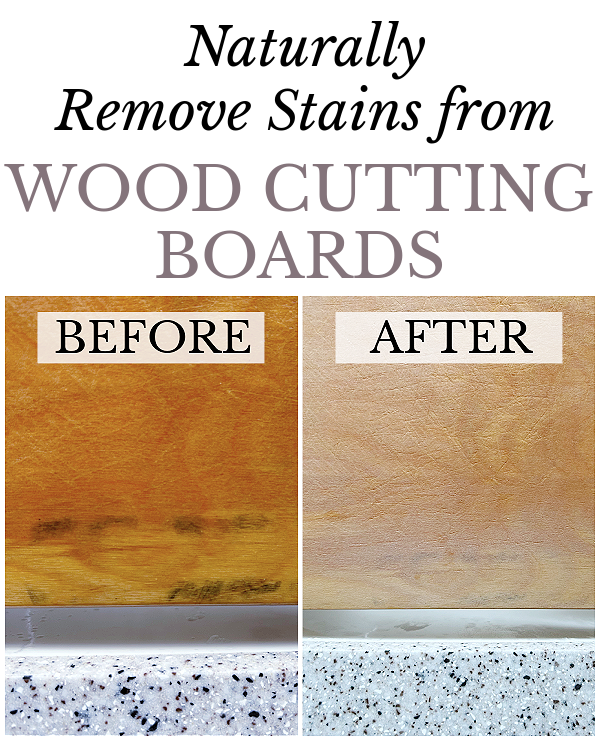
Lemon is great for lightening stains on wooden and plastic boards. Its natural acid breaks down marks and adds a fresh scent. Cut a lemon in half and rub it over the stained area.
Let the lemon juice sit for a few minutes. Then rinse with warm water and dry well. Repeat this if stains stay after the first try.
Salt Scrubbing For Odors
Salt works as a mild scrub to remove odors and food particles. Pour coarse salt over the board’s surface. Use a lemon half or a cloth to scrub the salt in small circles.
Salt absorbs smells and loosens trapped debris. Rinse the board with warm water and dry it completely after scrubbing.
- Use coarse salt for better scrubbing
- Scrub all board surfaces well
- Rinse to remove salt and loosened particles
Heat Treatments For Extra Cleanliness
Heat kills germs that water and soap may miss. You can use hot water or sunlight to sanitize boards. Pour boiling water over plastic boards carefully for quick cleaning.
For wooden boards, place them outside in direct sunlight for a few hours. Sunlight helps dry the board and kills bacteria naturally.
- Pour boiling water slowly over plastic boards
- Air dry wooden boards in sunlight
- Never soak wood in water to avoid damage
Credit: www.lemonslavenderandlaundry.com
Frequently Asked Questions
How Often Should I Clean My Cutting Board?
Clean your cutting board after every use. This prevents bacteria build-up and cross-contamination. Regular cleaning keeps your kitchen hygienic.
What’s The Best Way To Sanitize Cutting Boards?
Use a solution of one tablespoon bleach per gallon of water. Apply it after cleaning, then rinse thoroughly. This kills harmful germs effectively.
Can I Use Vinegar To Clean Cutting Boards?
Yes, vinegar is a natural disinfectant. Wipe your board with white vinegar to remove odors and some bacteria. It’s safe and eco-friendly.
How Do I Prevent My Cutting Board From Warping?
Avoid soaking wooden boards in water. Dry them immediately after washing. Store in a dry, well-ventilated area to maintain shape.
Conclusion
Keeping cutting boards clean protects your food and your health. Wash boards with hot, soapy water after each use. Sanitize regularly to kill harmful germs. Use separate boards for raw meat and vegetables. Dry boards well to stop bacteria growth.
Replace old, worn boards to stay safe. These simple steps help keep your kitchen healthy and your meals tasty. Clean boards mean safer food and happier cooking. Easy habits make a big difference every day.