

Your cutting board is one of the most important tools in your kitchen, but it can also be a hotspot for harmful bacteria if not cleaned properly. You might think rinsing it with water is enough, but that’s not always true.
Knowing how to clean and disinfect your cutting boards correctly can protect you and your family from foodborne illnesses. You’ll discover simple and effective tips that make your cutting boards safe and fresh every time you use them. Keep reading to learn how easy it is to keep your kitchen healthy!
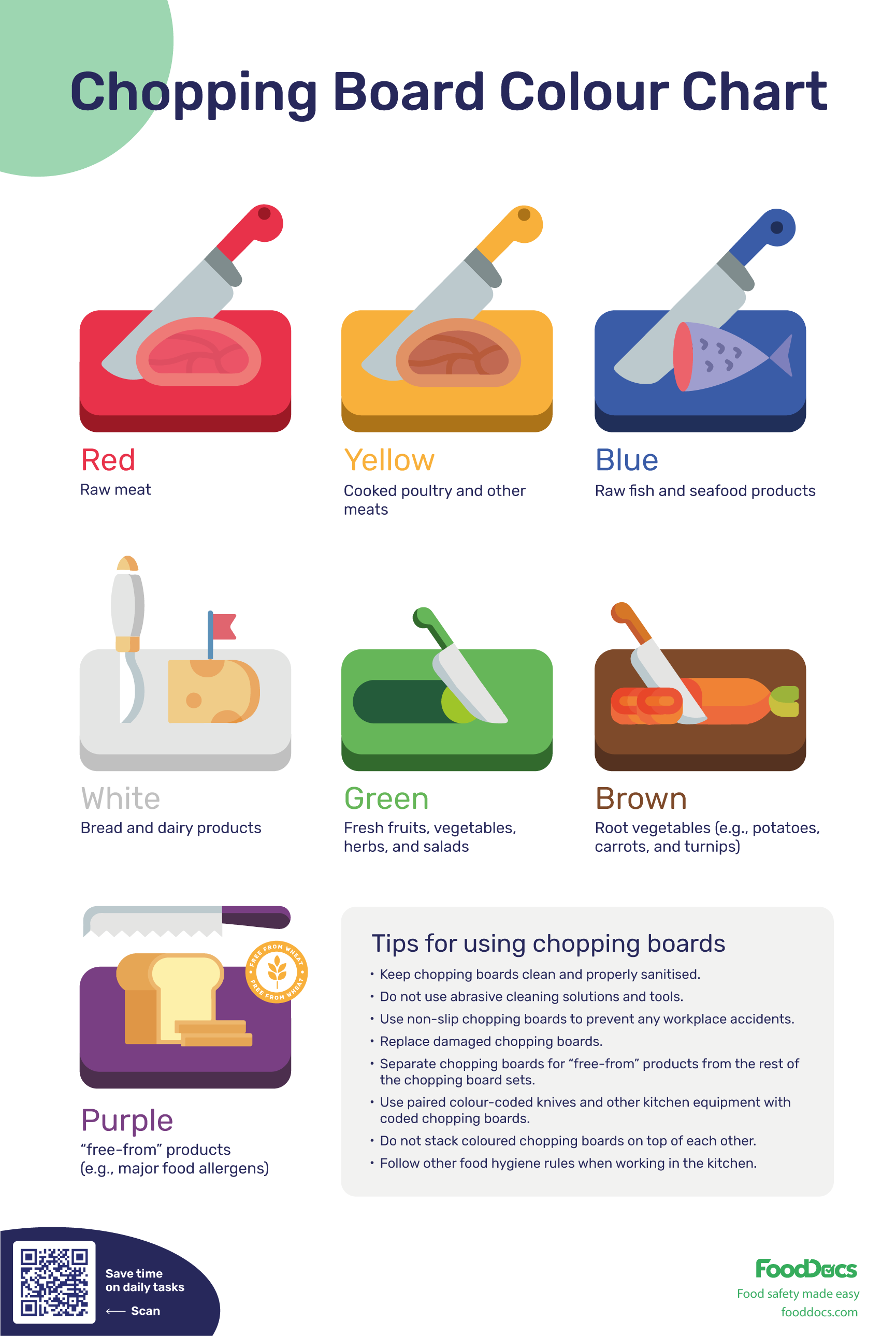
Credit: www.fooddocs.com
Types Of Cutting Boards
Cutting boards come in different materials. Each type has its cleaning and disinfecting needs.
Knowing the types helps keep your kitchen safe and your food fresh.
Wooden Cutting Boards
Wooden cutting boards are gentle on knives. They absorb less bacteria if cleaned well.
Use hot soapy water to wash them. Avoid soaking to prevent warping and cracking.
- Clean with mild soap and warm water
- Dry immediately with a towel
- Disinfect with vinegar or diluted bleach spray
- Oil regularly to keep wood healthy
Plastic Cutting Boards
Plastic boards are easy to clean and dishwasher safe. They do not absorb liquids.
Replace them if deep cuts or grooves appear. Bacteria can hide in these cracks.
- Wash with hot, soapy water or use dishwasher
- Sanitize with a bleach solution or vinegar spray
- Inspect for deep cuts and replace if needed
Glass Cutting Boards
Glass cutting boards are smooth and easy to clean. They do not absorb bacteria or odors.
They may dull knives faster. Clean with warm soapy water or dishwasher for best results.
- Wash with soap and warm water
- Use dishwasher for thorough cleaning
- Sanitize with vinegar or mild bleach solution
- Handle carefully to avoid chipping
:max_bytes(150000):strip_icc()/GettyImages-2195439933-114e75009db444fd816a82aeb8f7a5a8.jpg)
Credit: www.southernliving.com
Basic Cleaning Techniques
Cutting boards need proper cleaning to stay safe and last longer. Dirt and germs can hide in scratches.
Using the right cleaning methods keeps your cutting boards free from harmful bacteria.
Hand Washing Methods
Wash cutting boards with hot, soapy water after each use. Use a scrub brush or sponge to clean all surfaces well.
Rinse the board with clean water to remove soap and food particles. Dry it completely with a clean towel or air dry.
- Use warm water and dish soap
- Scrub all sides, including edges
- Rinse thoroughly with clean water
- Dry fully to prevent mold
Dishwasher Safety
Some cutting boards are safe for the dishwasher. Check the material before placing it inside.
Plastic boards usually withstand dishwasher heat and detergent. Wooden boards may crack or warp.
- Use dishwasher for plastic boards only
- Place boards on the top rack
- Avoid washing wooden boards in dishwasher
- Dry boards immediately after dishwasher cycle
Effective Disinfecting Methods
Keeping cutting boards clean is important to stop germs from spreading. Disinfecting helps kill bacteria and keep food safe.
Use safe and easy methods to clean your cutting boards well. Here are some ways to disinfect them at home.
Vinegar And Baking Soda
Vinegar has natural antibacterial properties. Baking soda helps remove stains and smells. Together, they clean and disinfect cutting boards.
First, sprinkle baking soda on the board. Then spray or pour white vinegar over it. Let it fizz for a few minutes. Scrub with a brush and rinse well.
- Use equal parts vinegar and water for spraying
- Let the mixture sit for at least 5 minutes
- Rinse with hot water after scrubbing
- Dry the board completely before storing
Hydrogen Peroxide Solution
Hydrogen peroxide kills many germs on surfaces. It is safe to use on most cutting boards. Use a 3% hydrogen peroxide solution for disinfecting.
Pour or spray hydrogen peroxide on the board. Let it sit for 10 minutes. Wipe or rinse the board with water and dry it well.
- Use fresh 3% hydrogen peroxide from the store
- Store boards in a dry place after disinfecting
- Avoid mixing hydrogen peroxide with other cleaners
Bleach Solution
Bleach is a strong disinfectant. It kills bacteria and viruses quickly. Use a diluted bleach solution for safety.
Mix one tablespoon of bleach with one gallon of water. Apply the solution to the board. Let it sit for 2 minutes. Rinse well with water and dry.
- Always use gloves when handling bleach
- Never mix bleach with ammonia or other cleaners
- Use bleach solution only on plastic or sealed boards
- Air dry or use a clean towel after rinsing

Credit: branchbasics.com
Preventing Cross-contamination
Cutting boards can carry harmful bacteria if not cleaned well. This can cause food poisoning. Keeping boards clean stops germs from spreading.
Using smart methods helps keep your kitchen safe. Two good ways are color-coding boards and using separate boards for different foods.
Color-coding Boards
Color-coding boards means using different colors for different foods. This helps you remember which board to use. It stops germs from mixing.
For example, use one color for meat and another for vegetables. This way, raw meat germs do not touch ready-to-eat foods.
- Red for raw meat
- Green for vegetables
- Blue for fish
- Yellow for cooked food
Separate Boards For Different Foods
Using separate boards for different food types lowers the risk of cross-contamination. Never cut raw meat on the same board as fruits.
Keep boards labeled or stored apart. This helps everyone in the kitchen use the right board every time.
- One board for raw meat
- One board for vegetables
- One board for cooked foods
- One board for bread or fruits
Maintaining Wooden Cutting Boards
Wooden cutting boards need special care to stay clean and last longer. Proper cleaning and maintenance keep them safe for food use.
Regular care stops cracks and removes germs. This helps keep your kitchen healthy and your board looking good.
Oiling The Board
Oiling your wooden board stops it from drying out and cracking. Use food-safe mineral oil for the best results.
Apply oil with a clean cloth and let it soak in for a few hours. Wipe off any extra oil before using the board again.
- Use mineral oil or beeswax-based oil
- Apply oil once a month or after washing
- Let the board absorb oil fully
- Wipe off excess oil to avoid sticky surface
Removing Stains And Odors
Wood can absorb stains and smells from food. Clean the board to keep it fresh and looking good.
Use natural cleaners like lemon and salt to remove stains and odors without harming the wood.
- Sprinkle coarse salt on the board
- Rub with half a lemon, squeezing juice out
- Let it sit for 5 minutes
- Rinse with warm water and dry well
Inspecting For Damage
Cleaning and disinfecting cutting boards is important for kitchen safety. Before cleaning, check your board for damage.
Damaged boards can hide bacteria and make cleaning less effective. Look closely to find any problems.
Checking For Cracks
Cracks on cutting boards are places where germs can grow. Even small cracks can trap food particles.
Check the surface carefully under good light. Run your fingers over the board to feel for cracks or splits.
- Look for thin or deep cracks on the board
- Check both sides of the cutting board
- Inspect edges and corners closely
- Discard boards with large or many cracks
Signs Of Wear And Tear
Wear and tear can make a cutting board unsafe to use. Look for rough spots, stains, or warping.
Boards that are deeply scratched or uneven are harder to clean well. Warped boards may not sit flat.
- Check for deep knife marks and grooves
- Look for discoloration or stains
- Notice if the board feels rough or splintered
- See if the board lies flat on the counter
- Replace boards that are badly worn or misshapen
Storing Cutting Boards Properly
Keeping cutting boards clean and safe starts with proper storage. Storing them the right way stops germs from growing. It also helps cutting boards last longer.
Two key points to focus on are drying the boards before storage and avoiding moisture buildup. These steps keep your kitchen healthy and your boards in good shape.
Drying Before Storage
Always dry your cutting boards completely before putting them away. Water left on the board can cause bacteria to grow. It also can make the wood or plastic warp or crack.
Use a clean towel or air dry the board in a dish rack. Make sure both sides get dry. Avoid stacking boards while they are still wet.
Avoiding Moisture Buildup
Store cutting boards in a dry, well-ventilated place. Moist areas like under the sink can trap humidity. This environment can cause mold and bacteria to grow on the boards.
- Use vertical holders to let air flow around each board
- Keep boards away from damp walls or cabinets
- Check boards regularly for signs of mold or soft spots
Choosing The Right Cleaning Products
Cleaning cutting boards well keeps your kitchen safe. Picking the right cleaning products helps remove germs and stains.
Some cleaners use natural ingredients. Others rely on chemicals for a deep clean. Knowing the difference helps you choose better.
Natural Vs. Chemical Cleaners
Natural cleaners use ingredients from plants or minerals. They are gentle on the board and the environment. They work well for daily cleaning.
Chemical cleaners often kill more bacteria quickly. They are strong and good for deep cleaning. Use them carefully to avoid damage or residue.
- Natural cleaners: vinegar, baking soda, lemon juice
- Chemical cleaners: bleach, disinfectant sprays, antibacterial soaps
- Natural options are eco-friendly and safe for kids
- Chemical options require careful rinsing and handling
Recommended Brands
Choose brands known for safe and effective cleaning products. Some brands focus on natural ingredients, while others offer strong chemical formulas.
- Seventh Generation – natural and plant-based cleaners
- Mrs. Meyer’s Clean Day – uses essential oils and natural ingredients
- Clorox – trusted for strong disinfecting products
- Lysol – known for antibacterial sprays and wipes
Frequently Asked Questions
How Often Should I Clean My Cutting Board?
Clean your cutting board after every use. This prevents bacteria buildup and cross-contamination. Regular cleaning keeps it safe and hygienic.
What Is The Best Disinfectant For Cutting Boards?
Use a mixture of one tablespoon bleach per gallon of water. Spray or soak the board, then rinse well. This effectively kills harmful germs.
Can I Use Vinegar To Disinfect Cutting Boards?
Yes, vinegar is a natural disinfectant. Spray it on the board, let it sit for a few minutes, then rinse. It removes odors and bacteria safely.
How Do I Remove Stains From Wooden Cutting Boards?
Sprinkle coarse salt, then rub with half a lemon. Let it sit for a few minutes before rinsing. This brightens and cleans the wood naturally.
Conclusion
Keeping cutting boards clean helps stop germs and keeps food safe. Use soap and hot water right after use. Sanitize boards regularly to kill hidden bacteria. Choose separate boards for meat and veggies to avoid cross-contamination. Replace old or damaged boards to stay safe.
Clean boards not only protect health but also last longer. Simple steps make a big difference in your kitchen’s hygiene. Stay careful, and enjoy cooking with peace of mind.