

You love the rich taste of a perfect espresso, but is your machine truly giving you the best every time? Cleaning your espresso machine might seem like a hassle, but it’s the secret to keeping your coffee fresh and flavorful.
If you want to avoid bitter shots and costly repairs, knowing the right cleaning tips is a game-changer. Keep reading, and you’ll discover simple, effective ways to maintain your machine so every cup feels like it was made just for you.
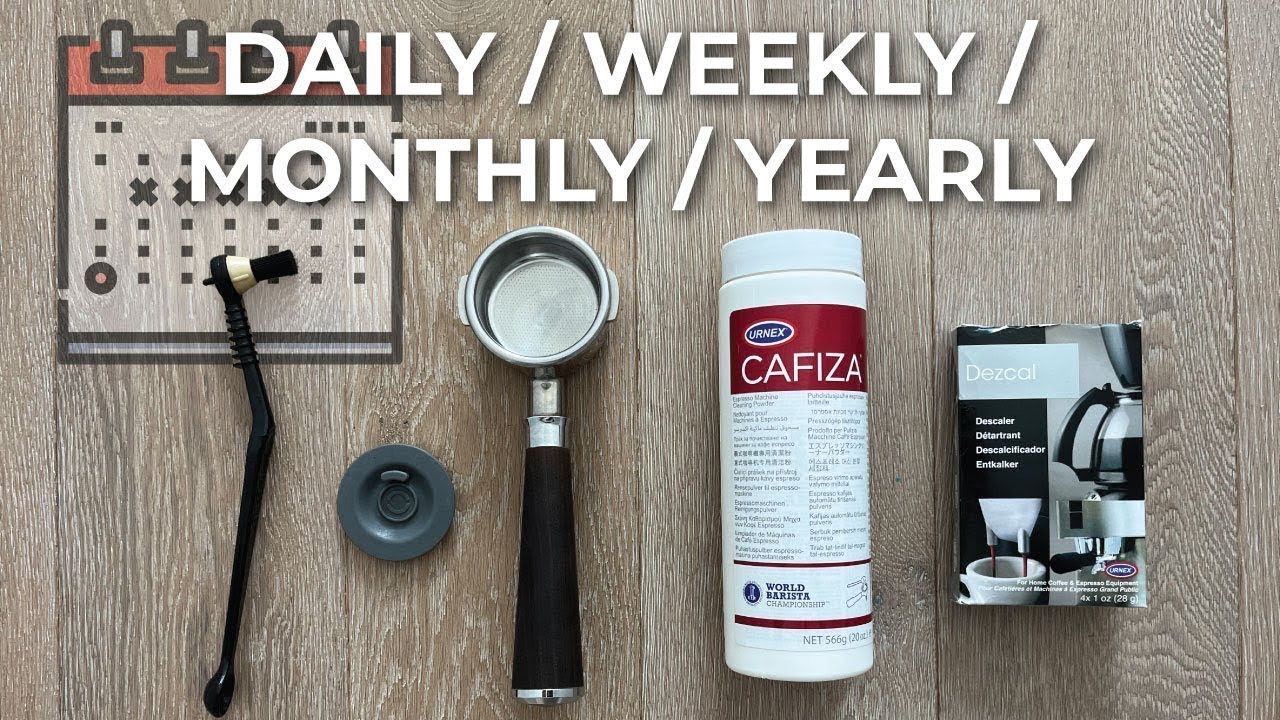
Credit: www.youtube.com
Essential Cleaning Supplies
Keeping your espresso machine clean helps it work well and last longer. Using the right supplies makes cleaning easier and more effective.
This guide lists the essential supplies you need to clean your espresso machine properly.
Cleaning Brushes
Cleaning brushes help remove coffee grounds from small parts. They reach tight spaces that cloths cannot.
- Use a small brush for the group head and portafilter.
- Choose brushes with soft bristles to avoid damage.
- Regular brushing prevents blockages and buildup.
Microfiber Cloths
Microfiber cloths clean surfaces without scratching them. They absorb water and coffee stains well.
- Use a dry cloth to wipe the machine daily.
- Use a damp cloth for deeper cleaning.
- Wash cloths regularly to avoid spreading dirt.
Descaling Solution
Descaling removes mineral buildup inside the machine. Use a solution made for espresso machines.
- Follow the product instructions carefully.
- Run the solution through the machine as directed.
- Rinse the machine well after descaling.
Cleaning Tablets Or Powder
Cleaning tablets or powder help remove coffee oils and residue. Use them regularly for deep cleaning.
- Place tablets in the portafilter or as instructed.
- Run a cleaning cycle to dissolve buildup.
- Rinse the machine to remove cleaning agents.
Water Filter
A water filter improves water quality and reduces scale. Replace filters as recommended by the manufacturer.
- Use filtered water to prevent mineral buildup.
- Check and change filters regularly.
- Filters help maintain good espresso taste.
Daily Maintenance Routine
Cleaning your espresso machine every day keeps it working well. It also helps your coffee taste fresh and pure.
Daily care is simple and does not take much time. Follow these easy steps to keep your machine clean and ready.
Flush The Group Head
Flush the group head with hot water after each use. This removes coffee grounds and oils that build up.
Run water for 10 seconds to clear any leftover particles. This keeps the machine clean and prevents blockages.
Clean The Portafilter And Basket
Remove the portafilter and basket after each use. Rinse them under warm water to remove coffee oils and grounds.
Use a brush to scrub the basket holes gently. This stops coffee buildup and keeps your shots tasting good.
Wipe The Steam Wand
After frothing milk, wipe the steam wand with a clean cloth. This removes milk residue before it hardens.
Purge steam through the wand for a few seconds to clear inside milk. It stops clogs and keeps steam flow strong.
Empty And Clean The Drip Tray
Remove and empty the drip tray every day. Wash it with warm soapy water to remove coffee stains and buildup.
Dry the tray fully before putting it back. A clean tray prevents bad smells and keeps your machine tidy.
Check And Refill Water Reservoir
Check the water level in the reservoir daily. Use fresh, clean water to keep your machine running well.
A full water tank helps keep the machine ready to brew. Change the water often to avoid stale taste.
Deep Cleaning Process
Cleaning your espresso machine well keeps it working great. Deep cleaning removes built-up coffee oils and minerals.
Regular deep cleaning helps your espresso taste fresh every time. It also keeps the machine safe to use.
Descaling The Machine
Descaling removes minerals that build up inside the machine. These minerals come from hard water.
Use a descaling solution made for espresso machines. Follow the instructions on the product label.
- Turn off the machine and unplug it.
- Mix the descaling solution with water.
- Pour the mixture into the water tank.
- Run the machine as if making coffee, but without coffee grounds.
- Rinse the water tank and run clean water through the machine.
Cleaning The Group Head
The group head is where water meets coffee grounds. It needs cleaning to remove old coffee residue.
Use a brush to scrub the group head after each use. Deep clean with a special cleaning tablet weekly.
- Remove the portafilter and soak it in hot water.
- Insert a cleaning tablet in the group head.
- Run the machine to dissolve the tablet.
- Brush the group head to clear leftover residue.
- Rinse by running water through the group head without coffee.
Steam Wand And Frother Care
Milk can clog the steam wand and frother. Cleaning them stops clogs and keeps milk fresh.
Clean the steam wand after every use and deep clean it weekly. This prevents bacteria growth.
- Wipe the steam wand with a damp cloth after steaming milk.
- Use a pin or needle to clear the steam hole if blocked.
- Soak the wand in warm water with mild detergent once a week.
- Rinse and dry the wand before using it again.

Credit: caffenu.com
Keeping The Grinder Clean
A clean grinder keeps your espresso tasting fresh. Old coffee grounds can cause bitterness.
Regular cleaning also helps your grinder last longer. You can avoid clogs and damage.
Remove Old Coffee Grounds
Empty the grinder chamber after every use. Use a brush to clear leftover grounds.
Clean The Burrs
Take apart the burrs carefully. Brush off coffee dust and oils from all surfaces.
- Use a soft brush or cloth
- Avoid water unless manufacturer allows it
- Check for stuck particles between burrs
Use Grinder Cleaning Tablets
Cleaning tablets remove oils and build-up inside the grinder. Follow package instructions.
Set A Cleaning Schedule
| Cleaning Task | Frequency |
| Empty grinder chamber | Daily |
| Brush burrs | Weekly |
| Deep clean with tablets | Monthly |
Avoiding Common Mistakes
Cleaning an espresso machine keeps it working well and makes your coffee taste better. Many people make simple mistakes that harm the machine or reduce its life.
Learn these common mistakes to avoid them and keep your espresso machine in top shape.
Using Harsh Chemicals
Some cleaners are too strong and can damage parts inside the machine. Avoid bleach, ammonia, or acidic cleaners unless the manual says they are safe.
Use only cleaners made for espresso machines to protect the internal parts and keep coffee tasting fresh.
Skipping Regular Cleaning
Waiting too long to clean causes coffee oils and residue to build up. This clogs the machine and changes the coffee flavor.
Clean your espresso machine after every use or at least weekly, depending on how often you make coffee.
Ignoring The Water Quality
Hard water leaves mineral deposits inside the machine. These deposits can block water flow and damage parts.
Use filtered or soft water to reduce buildup. Descale the machine regularly to remove minerals.
Not Cleaning The Group Head Properly
The group head is where coffee brews. Coffee grounds can stick here and cause clogging or bad taste.
Use a brush to clean the group head daily. Run water through it to flush out leftover coffee.
Overlooking The Portafilter And Basket
These parts hold the coffee grounds. Old coffee oils and grounds can build up and cause bitter taste or clog the machine.
Remove and wash the portafilter and basket after each use. Use warm water and mild soap for best results.
Not Drying Parts Before Reassembly
Putting wet parts back can cause mold or damage the machine’s electronics. It may also cause rust on metal parts.
Dry all removable parts completely before putting them back in the machine.
Natural Cleaning Alternatives
Cleaning your espresso machine regularly keeps it working well. Using natural cleaning options is safe and gentle.
These alternatives avoid harsh chemicals and protect your machine and health.
White Vinegar
White vinegar is a natural cleaner that removes coffee oils and mineral build-up. It helps keep the machine fresh.
Mix equal parts water and white vinegar. Run this solution through the machine, then rinse with water.
Baking Soda
Baking soda works well to scrub and deodorize parts of the espresso machine. It is gentle but effective.
Make a paste of baking soda and water. Use it to clean the portafilter and other removable parts. Rinse thoroughly.
Lemon Juice
Lemon juice has natural acidity that helps dissolve mineral deposits. It also leaves a fresh scent.
Mix lemon juice with water and run it through the machine. Flush the system with clean water after cleaning.
Castile Soap
Castile soap is a plant-based cleaner. It removes grease and coffee oils without harsh chemicals.
Use a small amount of castile soap mixed with warm water to clean removable parts. Rinse well after cleaning.
Cold Water Rinse
Cold water rinsing helps remove loose coffee grounds and leftover residue. It is simple and effective.
After each use, run cold water through the machine to flush out coffee oils and particles.
Regular Maintenance Schedule
Keeping your espresso machine clean is key to great coffee. A regular maintenance schedule helps your machine last longer. It also keeps your drinks tasting fresh and pure.
Follow a simple routine to clean different parts. This stops buildup and prevents damage. Let’s look at the best cleaning habits for your espresso machine.
Daily Cleaning
After each use, clean the portafilter and group head. Rinse them with warm water to remove coffee oils and grounds. Wipe the steam wand with a damp cloth to avoid milk residue buildup.
Weekly Deep Cleaning
Once a week, run a cleaning cycle with a coffee machine detergent. Soak the portafilter and baskets in detergent solution. Clean the drip tray and water reservoir to remove any deposits.
- Use a brush to clean the group head’s gasket and shower screen
- Flush the machine with water to clear detergent residue
- Check and descale if water hardness is high
Monthly Inspection
Check seals and gaskets for wear and tear. Replace them if they look cracked or loose. Inspect the machine’s pressure and temperature settings to ensure proper function.
| Task | Frequency | Purpose |
| Clean portafilter and group head | Daily | Remove coffee oils |
| Run detergent cleaning cycle | Weekly | Deep cleaning |
| Clean drip tray and water tank | Weekly | Prevent buildup |
| Inspect seals and gaskets | Monthly | Maintain tightness |
| Check pressure and temperature | Monthly | Ensure proper operation |
Descaling Schedule
Descale your espresso machine every 2 to 3 months. This removes mineral buildup inside the boiler and pipes. Use a descaling solution made for espresso machines to protect parts.
- Follow the manufacturer’s instructions carefully
- Run fresh water cycles after descaling to rinse
- Use filtered water to reduce mineral deposits

Credit: caffenu.com
Frequently Asked Questions
How Often Should I Clean My Espresso Machine?
Clean your espresso machine weekly to maintain performance. Daily cleaning of removable parts is essential. Deep cleaning monthly prevents buildup and ensures fresh coffee taste.
What Is The Best Cleaning Solution For Espresso Machines?
Use a specialized espresso machine cleaner or a mixture of vinegar and water. Avoid harsh chemicals that can damage parts. Always rinse thoroughly to remove any residue before brewing.
Can I Use Vinegar To Descale My Espresso Machine?
Yes, vinegar is effective for descaling. Mix equal parts vinegar and water, run through the machine, then flush with clean water. Avoid using too much vinegar to prevent damage.
How Do I Clean The Portafilter And Group Head?
Remove the portafilter and soak it in hot water with espresso cleaner. Use a brush to scrub the group head. Rinse all parts thoroughly before reassembling.
Conclusion
Cleaning your espresso machine keeps your coffee tasting fresh and pure. Regular care stops buildup and protects the machine’s parts. Use simple tools and follow easy steps for best results. Small efforts each week save time and money later. Enjoy a smooth, rich espresso every day.
Keep your machine clean, and it will serve you well. Simple habits make a big difference in your coffee routine. Try these tips and taste the difference yourself.