
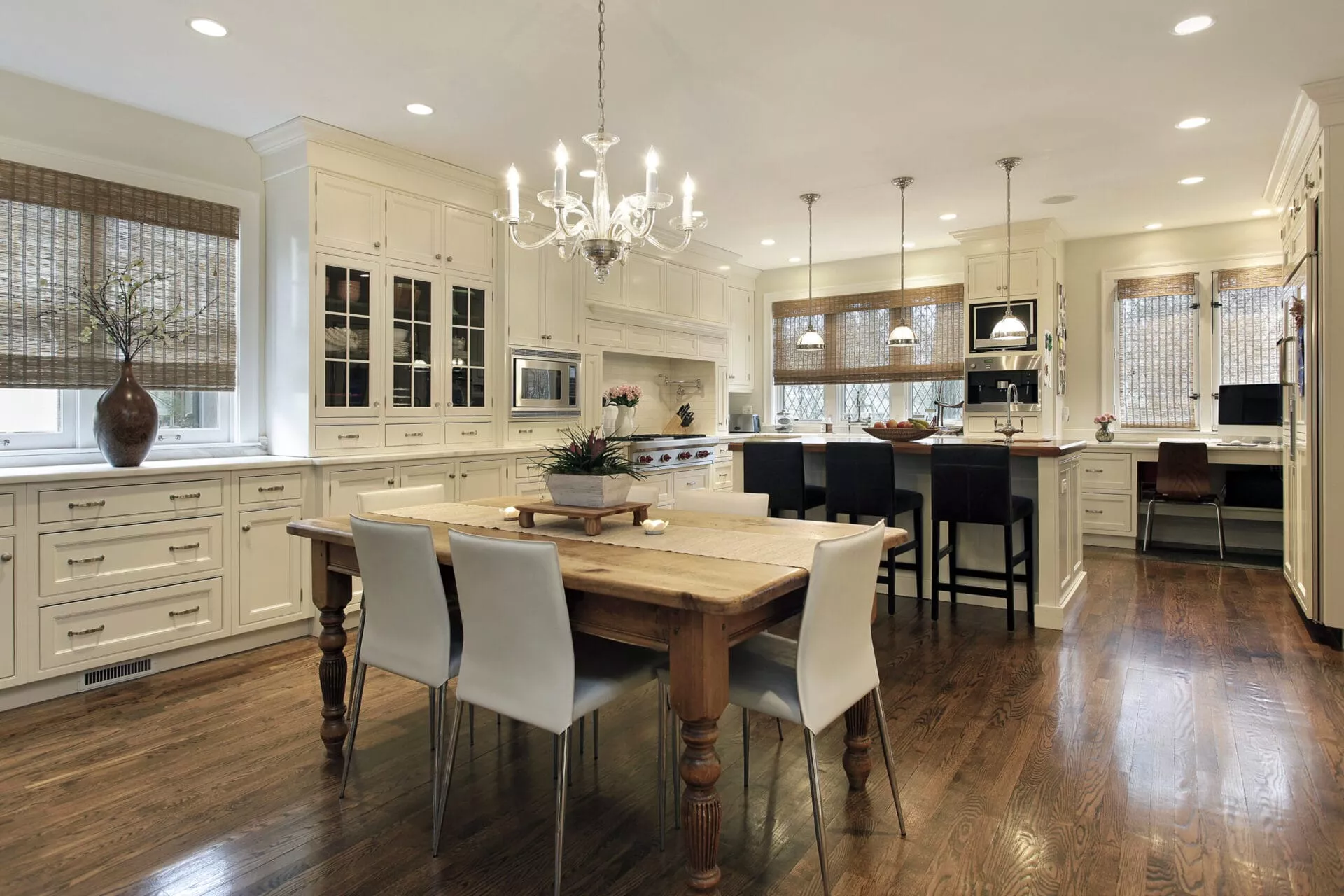
Choosing the right kitchen lighting can make a huge difference when you’re cooking. Imagine chopping vegetables with perfect clarity or seeing every color and texture of your ingredients clearly.
The right lighting doesn’t just brighten your space—it makes cooking safer, easier, and more enjoyable. If you’ve ever struggled with shadows or harsh glare while preparing meals, this guide is for you. Keep reading to discover simple tips that will transform your kitchen lighting and help you cook like a pro.
Types Of Kitchen Lighting
Good kitchen lighting helps you cook safely and comfortably. It also makes the kitchen look nice.
There are three main types of kitchen lighting. Each type has a different purpose.
Ambient Lighting
Ambient lighting is the main light in your kitchen. It lights up the whole room evenly.
This type of lighting creates a soft and warm background light. It helps you see clearly in the kitchen.
- Ceiling lights like flush mounts or chandeliers
- Recessed lights placed in the ceiling
- Track lighting that can be directed
Task Lighting
Task lighting focuses light on specific areas where you cook or prepare food. It helps you work safely.
Good task lighting reduces shadows and brightens counters, sinks, and stoves.
- Under-cabinet lights for countertops
- Pendant lights over islands or work areas
- Adjustable spotlights for flexible lighting
Accent Lighting
Accent lighting highlights features like cabinets or decor. It adds style and depth to your kitchen.
This lighting type creates visual interest and a cozy atmosphere.
- LED strip lights inside or under cabinets
- Small spotlights on artwork or shelves
- Toe-kick lights at the base of cabinets
Assessing Kitchen Layout
Good kitchen lighting helps you cook safely and comfortably. It should fit your kitchen’s design and needs.
Start by looking at your kitchen layout. This helps you choose the right lighting for each area.
Identifying Key Work Areas
Find the main spots where you cook and prepare food. These include the stove, sink, and counters.
Focus lighting on these areas to make cooking easier and safer. Bright light helps you see details well.
- Stove or cooktop for cooking tasks
- Sink for washing and cleaning
- Countertops for chopping and mixing
- Island or breakfast bar if you use it for prep
Considering Ceiling Height
Ceiling height affects how you place lights and what types to use. High ceilings need different lights than low ceilings.
Use pendant lights or chandeliers for high ceilings. For low ceilings, choose flush or semi-flush fixtures to save space.
- High ceilings: consider hanging lights
- Low ceilings: use flush mount lights
- Adjust light height for best brightness
- Check if lights cast shadows on work areas
Evaluating Natural Light
Look at how much sunlight your kitchen gets during the day. Natural light can reduce the need for artificial lighting.
Use window placement and size to plan where to add lights. Add task lighting where sunlight is weak or blocked.
- Large windows provide good daytime light
- Small or no windows need stronger artificial lights
- Use sheer curtains to keep natural light without glare
- Consider light direction to avoid shadows
Selecting Light Fixtures
Choosing the right light fixtures is important for kitchen lighting. Good lighting helps you see clearly while cooking.
Pick fixtures that fit your kitchen style and provide enough light. Different fixtures serve different purposes.
Pendant Lights
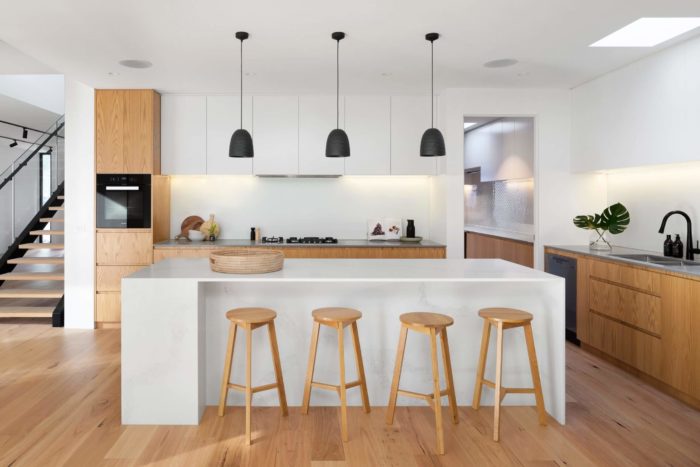
Pendant lights hang from the ceiling. They add style and focus light on work areas.
Use pendant lights over kitchen islands or dining tables. They offer good task lighting and look attractive.
- Choose adjustable height for flexibility
- Pick shades that direct light downward
- Use multiple pendants for even light
Recessed Lighting
Recessed lights sit flush with the ceiling. They provide clean, unobtrusive lighting.
Use recessed lights to brighten the entire kitchen. Space them evenly for balanced light.
- Install dimmers to control brightness
- Use LED bulbs for energy savings
- Place near work zones for good visibility
Under-cabinet Lights
Under-cabinet lights shine directly on countertops. They reduce shadows while you cook.
These lights make chopping and reading recipes easier. They also add a warm glow to your kitchen.
- Choose LED strips or puck lights
- Install with adhesive or screws
- Pick lights with a cool color temperature
Credit: modernize.com
Choosing The Right Bulbs
Good lighting is important in the kitchen. It helps you see clearly while cooking. Picking the right bulbs can make a big difference.
There are many types of bulbs. This guide will help you choose the best ones for your cooking space.
Led Vs. Incandescent
LED bulbs use less energy and last longer than incandescent bulbs. Incandescent bulbs give off a warm light but use more electricity. LED bulbs come in many color options. They also produce less heat, which is good for the kitchen.
- LED bulbs save energy and money.
- Incandescent bulbs have a warm, soft glow.
- LED bulbs stay cool and are safer near food.
- Incandescent bulbs may need frequent replacement.
Color Temperature
Color temperature shows how warm or cool the light looks. It is measured in Kelvins (K). Lower numbers mean warm yellow light. Higher numbers mean cool white or blue light.
| Kelvin (K) | Light Color | Best Use in Kitchen |
| 2700K-3000K | Warm White | Cozy areas, dining |
| 3500K-4100K | Neutral White | Main cooking areas |
| 5000K-6500K | Cool White/Daylight | Task lighting, detail work |
Lumens And Brightness
Lumens measure how bright a bulb is. Higher lumens mean brighter light. Kitchens need bright light for safety and clear cooking. Look for bulbs with enough lumens to light the space well.
- Under 450 lumens: dim light, good for mood lighting.
- 450 to 800 lumens: medium brightness for small areas.
- 800 to 1600 lumens: bright light for most kitchen tasks.
- 1600+ lumens: very bright for large or detailed work areas.
Energy Efficiency Considerations
Choosing the right kitchen lighting helps reduce energy use. It also lowers electric bills and protects the environment.
Energy-efficient lights shine bright without wasting power. This guide covers key points to keep in mind.
Energy Star Ratings
Energy Star labels show that a light meets strict energy-saving rules. These lights use less power and last longer.
- Look for the Energy Star label on bulbs and fixtures.
- Energy Star lights use up to 75% less energy than regular bulbs.
- They produce the same amount of light with less electricity.
- These lights reduce heat, which helps keep kitchens cooler.
- Choosing Energy Star products helps protect natural resources.
Smart Lighting Options
Smart lights let you control kitchen lighting with apps or voice commands. They help save energy by adjusting to your needs.
| Feature | Energy Benefit | Example Use |
|---|---|---|
| Motion Sensors | Turn lights off when no one is in the kitchen | Automatically turn off lights after leaving the room |
| Dimming Controls | Lower brightness to save energy | Dim lights during meal prep or cleaning |
| Scheduling | Set lights to run only when needed | Program lights to turn on before cooking |
| Remote Control | Switch off forgotten lights remotely | Use a smartphone to control lights from anywhere |
:max_bytes(150000):strip_icc()/Margaret-Wright-Photography-Interior-Architectural-Charleston-SC-Photographer-2024-24-e784b3f1297c465bb56a5c6ac24a6f36.jpg)
Credit: www.thespruce.com
Design And Aesthetic Choices
Choosing the right kitchen lighting helps set the mood and improve function. Light fixtures should fit your kitchen’s look and feel.
Good lighting design balances style and practicality. It highlights your space and makes cooking easier.
Matching Kitchen Style
Kitchen lighting must match the style of your kitchen. Classic kitchens suit warm, soft lights. Modern kitchens look great with sleek, bright fixtures.
- Traditional kitchens: use vintage or ornate lights
- Contemporary kitchens: choose minimalist and clean designs
- Farmhouse style: try rustic or industrial lamps
- Transitional kitchens: blend classic and modern lighting
Color And Material Coordination
Colors and materials of lighting fixtures should match your cabinets and countertops. This creates a unified look.
| Fixture Material | Best Kitchen Colors |
| Brushed Nickel | Gray, white, blue |
| Matte Black | White, wood, bold colors |
| Polished Brass | Warm tones, beige, cream |
| Wood | Earth tones, greens, browns |
Installation Tips
Good kitchen lighting makes cooking easier and safer. Installing the right lights needs care and planning.
Follow these tips to install kitchen lighting that works well for cooking tasks.
Hiring Professionals
Hiring a professional ensures your kitchen lights are installed correctly and safely. Electricians know local rules and codes.
They have the right tools and experience to handle wiring and fixtures. This reduces risks of electrical problems later.
- Look for licensed electricians with good reviews
- Ask about experience with kitchen lighting
- Get a clear price estimate before work starts
- Confirm they follow local safety codes
Diy Safety Tips
Installing kitchen lighting yourself can save money. You must follow safety rules to avoid accidents.
Turn off power at the breaker before starting any wiring. Use a voltage tester to confirm wires are safe to touch.
- Wear insulated gloves to protect from shocks
- Use proper tools for cutting and connecting wires
- Follow the lighting kit instructions carefully
- Check all connections twice before restoring power
- Do not work alone if you are inexperienced

Credit: www.magnet.co.uk
Maintenance And Upkeep
Good kitchen lighting needs regular care. Keeping lights clean and working helps you cook safely.
Simple upkeep can make your kitchen brighter and save money on repairs.
Cleaning Light Fixtures
Dust and grease build up on kitchen lights fast. Clean fixtures often to keep light bright.
Turn off lights and cool them before cleaning. Use a soft cloth and mild cleaner.
- Remove dust with a dry cloth or duster
- Use warm soapy water for greasy spots
- Dry fixtures well before turning lights on
- Clean glass covers and bulbs gently
Replacing Bulbs
Replace bulbs when they flicker or go out. Use the right wattage and type for safety.
Turn off power before changing bulbs. Handle bulbs with care to avoid damage.
- Check bulb size and wattage in fixture manual
- Use energy-saving bulbs to reduce heat
- Dispose of old bulbs properly
- Keep spare bulbs handy for quick replacement
Frequently Asked Questions
What Type Of Lighting Is Best For Kitchen Cooking?
Bright, focused task lighting is ideal for cooking areas. LED under-cabinet lights and adjustable ceiling fixtures provide clear visibility. They reduce shadows and enhance safety while preparing food. Choose warm white LEDs for a cozy and inviting atmosphere.
How Does Color Temperature Affect Kitchen Lighting?
Color temperature influences mood and visibility in the kitchen. Cooler temperatures (4000K-5000K) mimic daylight and improve focus. Warmer tones (2700K-3000K) create a relaxing environment. For cooking, a neutral white light (3500K) balances clarity and comfort.
Why Is Layered Lighting Important In Kitchens?
Layered lighting combines ambient, task, and accent lights. This approach ensures functional illumination for cooking and a pleasant atmosphere. It helps avoid dark spots and shadows. Layering enhances both aesthetics and usability in kitchen spaces.
How Can I Reduce Shadows While Cooking?
Install under-cabinet LED lights to minimize shadows on countertops. Use adjustable overhead lights to direct illumination precisely. Combining multiple light sources ensures balanced brightness. This setup improves safety and accuracy during meal preparation.
Conclusion
Choosing the right kitchen lighting makes cooking safer and more enjoyable. Bright, focused lights help you see ingredients clearly. Soft, ambient lights create a warm and inviting space. Mix different light types for the best results. Think about energy-saving bulbs to reduce costs.
Take your time to plan and test lights before buying. Good lighting changes how your kitchen feels and works every day. Keep these tips in mind to find the perfect kitchen lights. Your cooking space will look great and work well.