

Choosing the right flooring for your kitchen can feel overwhelming. After all, your kitchen is one of the busiest rooms in your home.
You want a floor that looks great, lasts long, and is easy to clean. But with so many options out there, how do you pick the best one for your space? You’ll discover simple tips that make choosing kitchen flooring materials easier.
By the end, you’ll feel confident about making the perfect choice for your kitchen’s style and your daily needs. Keep reading to find the flooring that matches your lifestyle perfectly.
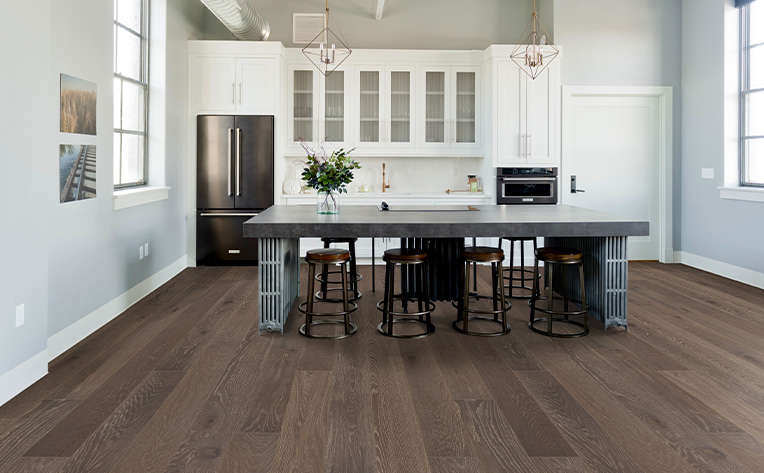
Credit: www.flooringcanada.ca
Factors To Consider
Choosing the right kitchen flooring is important. It affects the room’s look and function.
Think about how the floor will hold up and how much care it needs. These tips help you pick well.
Durability
Kitchen floors face heavy use. Pick materials that resist scratches and stains. Tiles and hardwood are strong choices.
Maintenance Requirements
Some floors need more cleaning and care. Consider how much time you want to spend on upkeep. Vinyl and laminate are easier to maintain.
Aesthetic Appeal
Flooring sets the kitchen’s style. Choose colors and textures that match your space. Wood offers warmth, tiles can add patterns.
Budget Constraints
| Material | Cost Range (per sq. ft.) | Longevity (Years) |
| Laminate | $1 – $5 | 10 – 20 |
| Vinyl | $2 – $7 | 10 – 25 |
| Hardwood | $5 – $15 | 25 – 100 |
| Ceramic Tile | $3 – $10 | 50 – 100 |
| Natural Stone | $7 – $20 | 50 – 100+ |
Check your budget and compare it with floor prices and how long they last.
Environmental Impact
- Look for eco-friendly materials like bamboo or cork.
- Choose floors made from recycled materials.
- Avoid floors with harmful chemicals.
- Consider how easy the floor is to recycle after use.
Popular Flooring Options
Choosing the right kitchen flooring is important for style and function. Different materials offer various benefits.
This guide covers popular flooring options to help you decide what fits your kitchen best.
Hardwood
Hardwood floors add warmth and natural beauty to kitchens. They last long with proper care. Choose from oak, maple, or cherry woods.
Tile
Tile flooring offers many design choices and resists water well. Ceramic and porcelain are common tile types for kitchens.
- Easy to clean
- Durable and water-resistant
- Available in many colors and patterns
- Can feel cold underfoot
Laminate
Laminate floors mimic wood or stone at a lower cost. They resist scratches and stains but may not handle water well.
Vinyl
Vinyl is a budget-friendly option that comes in sheets, tiles, or planks. It is water-resistant and soft underfoot.
| Type | Pros | Cons |
| Sheet Vinyl | Seamless, water-resistant | Can tear easily |
| Vinyl Tiles | Easy to replace, many designs | Seams can collect dirt |
| Vinyl Planks | Looks like wood, durable | May fade in sunlight |
Cork
Cork floors are soft and comfortable. They provide good insulation and resist mold. Cork is eco-friendly and quiet.
Cork Flooring Benefits:
- Soft and cushioned surface
- Natural thermal insulation
- Absorbs sound well
- Resistant to mold and mildew
- Renewable resource
Pros And Cons Of Each Material
Choosing the right kitchen flooring is important for style and function. Each material has benefits and drawbacks. Knowing these helps you pick the best option.
This guide covers hardwood, tile, laminate, vinyl, and cork flooring. Read about their strengths and weaknesses.
Hardwood Benefits And Drawbacks
Hardwood flooring looks warm and natural. It adds value to your home and lasts a long time with care.
It can scratch and get damaged by water. It needs regular cleaning and sometimes refinishing.
- Durable and long-lasting
- Easy to clean
- Susceptible to water damage
- Can scratch or dent
- Requires maintenance
Tile Advantages And Disadvantages
Tile flooring is strong and water-resistant. It suits kitchens well and comes in many styles and colors.
Tile can be cold and hard underfoot. It may crack if heavy objects fall. Grout needs cleaning to prevent stains.
- Waterproof and durable
- Variety of colors and designs
- Cold and hard surface
- Grout can stain
- Can crack if hit hard
Laminate Pros And Cons
Laminate flooring is affordable and easy to install. It looks like wood or tile but costs less.
It can get damaged by water and may peel over time. It is less durable than real wood or tile.
- Cost-effective
- Easy to install
- Variety of styles
- Not water-resistant
- Less durable than hardwood
Vinyl Strengths And Weaknesses
Vinyl flooring is soft and water-resistant. It is comfortable to stand on and easy to clean.
Vinyl can fade or tear with heavy use. It may look less natural than wood or tile.
- Water-resistant
- Comfortable and soft
- Easy to clean
- Can fade or tear
- Less natural appearance
Cork Upsides And Downsides
Cork flooring feels warm and soft. It is good for kitchens because it absorbs sound and is eco-friendly.
Cork can dent easily and fade in sunlight. It needs sealing to protect against water damage.
- Soft and warm underfoot
- Sound-absorbing
- Eco-friendly material
- Can dent or fade
- Needs sealing for water resistance
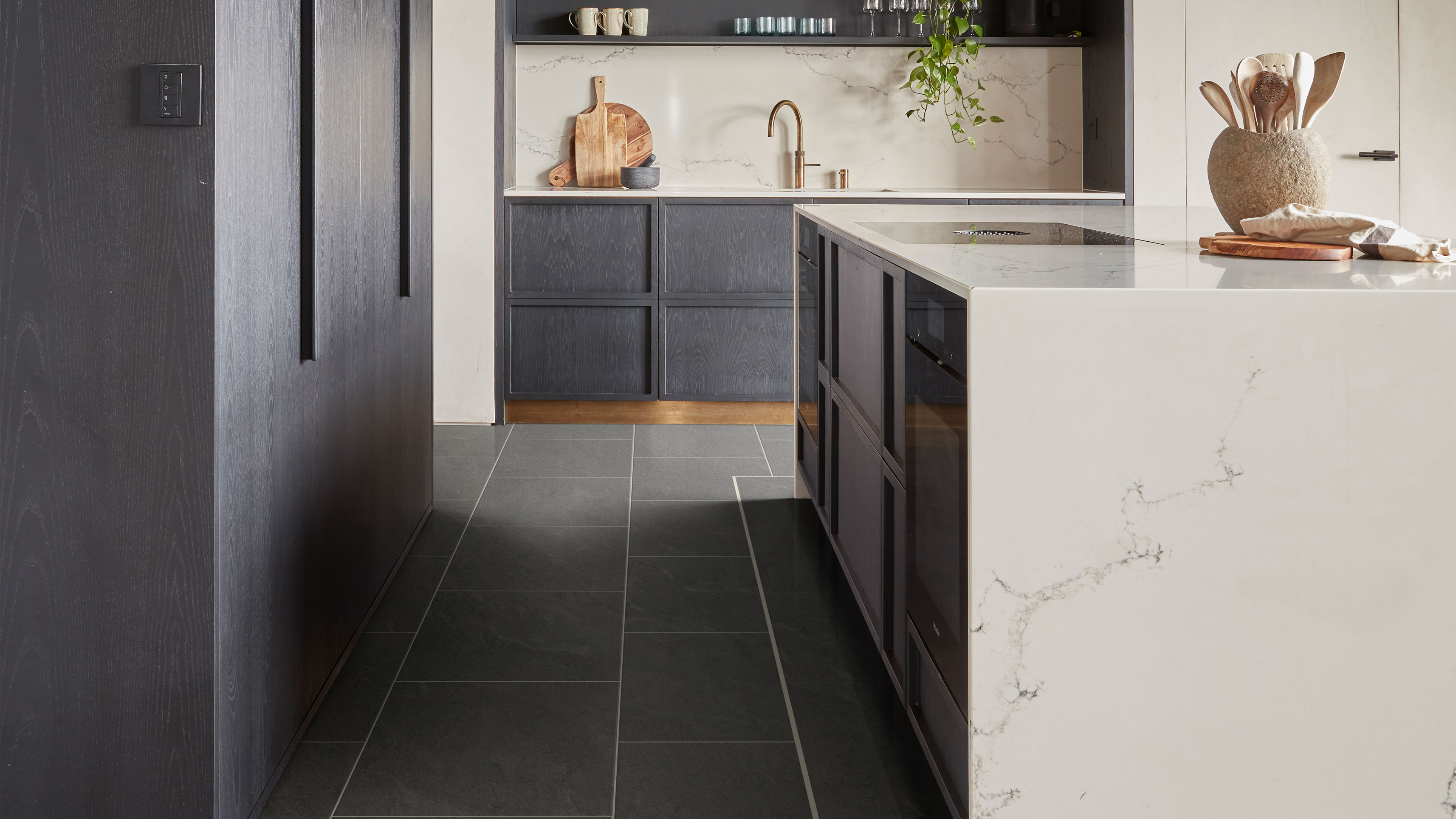
Credit: www.homesandgardens.com
Trends In Kitchen Flooring
Kitchen flooring is an important part of the room’s look and feel. New trends help homeowners choose floors that are both stylish and practical.
Choosing the right flooring means balancing durability, design, and eco-friendliness. Let’s explore popular trends in kitchen flooring materials.
Sustainable Choices
Sustainable flooring uses materials that are good for the planet. These floors reduce waste and save resources.
Bamboo and cork are popular because they grow fast and are easy to renew. Recycled wood and tiles also help lower environmental impact.
- Bamboo is strong and water-resistant
- Cork feels soft and is anti-microbial
- Recycled tiles reduce landfill waste
- Wood from certified forests supports sustainability
Modern Design Trends
Modern kitchen floors combine style and function. Many use large tiles or wide planks for a clean, open look.
Neutral colors like gray, beige, and soft whites create calm spaces. Bold patterns add personality without overwhelming the room.
- Large-format tiles make small kitchens look bigger
- Wood-look porcelain blends warmth and durability
- Matte finishes hide scratches better than glossy ones
- Geometric patterns add visual interest
Innovative Materials
New materials bring fresh options for kitchen floors. These often mix durability with easy cleaning.
Luxury vinyl tiles and engineered wood offer good water resistance. Some floors have built-in texture to prevent slipping.
- Luxury vinyl is affordable and waterproof
- Engineered wood handles moisture better than solid wood
- Concrete floors can be polished or stained for style
- Slip-resistant coatings improve safety
Expert Tips For Selection
Choosing the right kitchen flooring is important for comfort and style. The floor should be durable and easy to clean.
There are many materials to pick from, so it helps to follow expert advice. This guide shares key tips to help you decide.
Consulting Professionals
Talk to flooring experts or interior designers. They know what works best in kitchens.
Professionals can suggest materials based on your budget and kitchen use.
- Ask about durability and maintenance
- Get advice on styles that fit your home
- Learn about new flooring technologies
Testing Samples At Home
Bring flooring samples to your kitchen before buying. See how they look with your lighting.
Walk on the samples to feel comfort and texture. This helps avoid surprises later.
- Place samples near your cabinets and walls
- Check the color at different times of day
- Test if the surface feels safe and easy to clean
Long-term Considerations
Think about how your kitchen will be used in years ahead. Choose flooring that lasts and stays nice.
Consider factors like water resistance, stain resistance, and repair options.
- Pick materials that stand up to spills and drops
- Look for warranties and easy maintenance
- Choose floors that fit your lifestyle and family needs
Installation And Maintenance Tips
Choosing the right kitchen flooring is important for both look and function. Good installation and care keep floors strong and attractive.
This guide covers key tips for installing and maintaining your kitchen floors. Follow these ideas to protect your investment.
Diy Vs. Professional Installation
Installing kitchen flooring yourself can save money but may take more time. Some materials need special tools or skills.
Professional installers work faster and ensure a perfect fit. They can handle tricky areas and avoid costly mistakes.
- DIY is good for simple floors like vinyl or laminate.
- Hire pros for tile, hardwood, or complex patterns.
- Check warranties; some require professional installation.
- Measure carefully before starting any project.
Routine Care For Longevity
Regular cleaning keeps kitchen floors looking new. Use gentle cleaners to avoid damage.
Protect floors from water and scratches by wiping spills quickly and using mats or rugs.
- Sweep or vacuum daily to remove dirt.
- Mop with warm water and mild soap weekly.
- Use felt pads under furniture to prevent scratches.
- Clean spills immediately to stop stains or warping.
Handling Repairs And Replacements
Small damages can often be fixed without replacing the whole floor. Learn how to spot issues early.
For big damage, replace only the affected area if possible. This saves money and keeps your floor uniform.
- Fill cracks or chips with matching filler or putty.
- Replace loose or broken tiles carefully.
- Refinish hardwood floors to remove scratches.
- Call professionals for major repairs or uneven floors.

Credit: www.hgtv.com
Frequently Asked Questions
What Are The Best Materials For Kitchen Flooring?
The best kitchen flooring materials include tile, hardwood, vinyl, and laminate. Choose based on durability, water resistance, and style preferences. Tiles offer excellent water resistance, hardwood adds warmth, vinyl is budget-friendly, and laminate mimics wood while being easy to maintain.
How To Choose Durable Kitchen Flooring?
Select flooring with high durability and water resistance for kitchens. Porcelain tiles and vinyl are great options. They withstand heavy foot traffic, spills, and stains, ensuring long-lasting performance in busy kitchen environments.
Which Kitchen Flooring Is Easy To Clean?
Vinyl and tile flooring are the easiest to clean. They resist stains and moisture, making maintenance simple. Regular sweeping and mopping keep them looking fresh and hygienic with minimal effort.
Is Hardwood Flooring Suitable For Kitchens?
Hardwood can be used but requires proper sealing to resist moisture. It adds warmth and elegance but may need more maintenance to prevent water damage. Engineered hardwood offers better moisture resistance than solid wood.
Conclusion
Choosing the right kitchen flooring makes a big difference. Think about durability, style, and budget first. Pick a material that fits your daily needs and looks good. Easy cleaning matters a lot in busy kitchens. Don’t forget to consider how long the floor will last.
Take your time to compare options carefully. This helps you avoid costly mistakes later. A good floor keeps your kitchen comfortable and safe. Simple choices lead to happy cooking moments every day.