
Choosing the right flooring for your kitchen can feel overwhelming. You want something that looks great, lasts long, and fits your daily routine.
But how do you pick the perfect option without getting lost in endless choices? This guide will help you make smart decisions that match your style and needs. Keep reading, and you’ll discover simple tips to find kitchen flooring that truly works for you.

Credit: www.magnet.co.uk
Factors To Consider
Choosing the right kitchen flooring is important for a functional space. You want floors that last long and look good.
Think about how you use your kitchen and what fits your lifestyle. This helps pick the best floor type.
Durability And Maintenance
Kitchen floors face spills, stains, and heavy foot traffic. Durable floors protect your investment. Easy cleaning saves time and effort.
- Choose water-resistant materials like tile or vinyl
- Avoid floors that scratch or dent easily
- Consider how often you want to clean and maintain the floor
Comfort And Safety
Comfort matters since you spend time standing in the kitchen. Floors should feel soft underfoot and reduce fatigue.
| Floor Type | Comfort Level | Safety Features |
| Cork | High | Slip-resistant |
| Hardwood | Medium | Can be slippery when wet |
| Tile | Low | Choose textured for grip |
| Vinyl | Medium | Slip-resistant options available |
Aesthetic Appeal
Flooring affects the kitchen’s look. Pick colors and styles that match your cabinets and walls.
- Wood floors add warmth and natural beauty
- Tile offers many patterns and colors
- Vinyl can mimic other materials affordably
- Cork gives a unique texture and look
Cost And Budget
Set a budget before choosing. Flooring prices vary by material and installation.
| Floor Type | Average Cost per Sq Ft | Maintenance Cost |
|---|---|---|
| Tile | $3 – $7 | Low |
| Vinyl | $2 – $5 | Low |
| Hardwood | $5 – $10 | Medium |
| Cork | $3 – $8 | Medium |
Popular Flooring Options
Choosing the right flooring for your kitchen is important. The floor should be strong, easy to clean, and look good.
There are many types of flooring to pick from. Each has its own benefits and styles.
Hardwood Flooring
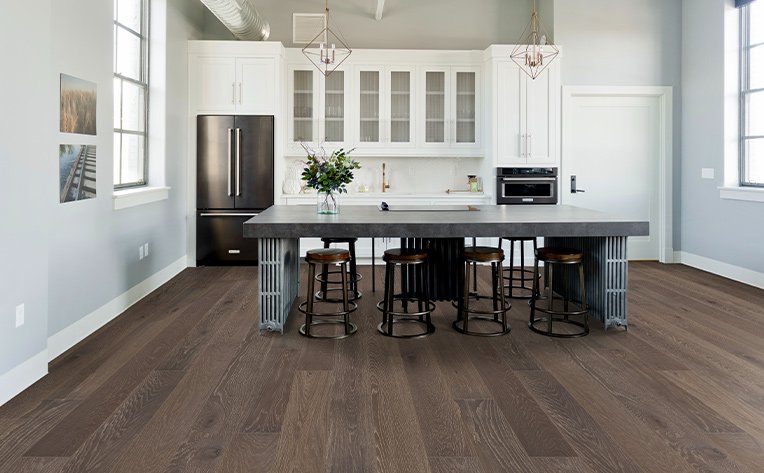
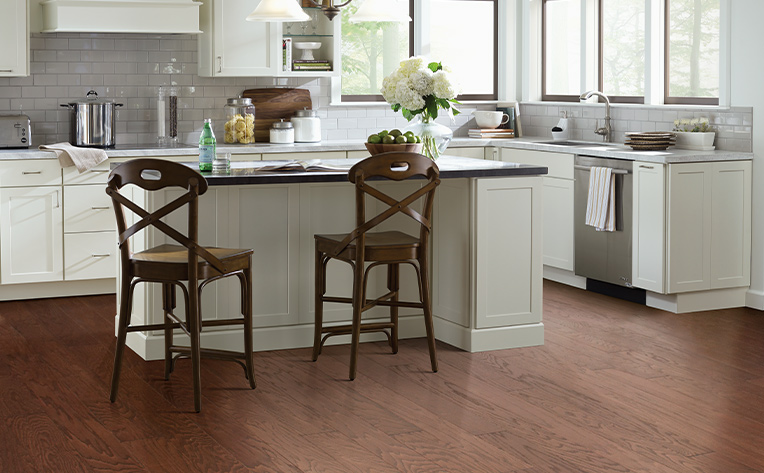
Hardwood floors add warmth and a classic look to kitchens. They come in many wood types and finishes.
They are strong but need care to avoid water damage. Regular sealing helps protect the wood.
Tile Flooring
Tile floors are very popular in kitchens. They come in ceramic, porcelain, and glass options.
- Tiles are easy to clean and water-resistant.
- They come in many colors and patterns.
- Grout lines may need regular cleaning.
- Tiles can be cold and hard underfoot.
Vinyl And Laminate
Vinyl and laminate floors are budget-friendly and easy to install. They mimic wood or stone looks well.
| Feature | Vinyl | Laminate |
| Water Resistance | High | Moderate |
| Durability | Good | Good |
| Cost | Low | Low to Medium |
| Installation | Easy | Easy |
Natural Stone
Natural stone floors like marble, granite, or slate offer a unique look. They are durable and add value.
Stone can be cold and slippery. It may need sealing to prevent stains and water damage.
Matching Flooring With Kitchen Style
Choosing the right flooring can make your kitchen look complete and welcoming. The floor should fit the style of your kitchen to create a balanced space.
Different kitchen styles need different types of flooring. This guide helps you pick floors that match your kitchen’s look and feel.
Modern Kitchens
Modern kitchens use clean lines and simple shapes. Floors with smooth surfaces and neutral colors work well here. Materials like polished concrete or large porcelain tiles fit perfectly.
Traditional Kitchens
Traditional kitchens have warm tones and classic designs. Wood or wood-look floors are great choices. Choose floors with rich colors and natural patterns.
- Hardwood floors add warmth and charm
- Natural stone gives an elegant look
- Patterned tiles add classic style
Rustic And Farmhouse Styles
Rustic kitchens feel cozy and natural. Flooring should look worn or handmade. Wood with knots or wide planks suits this style well.
| Floor Type | Benefit | Best For |
| Reclaimed Wood | Unique texture and history | Farmhouse |
| Slate Tiles | Durable and natural | Rustic |
| Ceramic Tiles | Easy to clean | Rustic and Farmhouse |
Minimalist Designs
Minimalist kitchens focus on simplicity and space. Light-colored floors with smooth finishes work best. Avoid busy patterns or bright colors.
Minimalist Flooring Tips:
- Choose pale wood or light tiles
- Keep the floor design simple
- Use seamless flooring for a clean look
Pros And Cons Of Materials
Choosing the right kitchen flooring is important for comfort and style. Different materials offer unique benefits and drawbacks. Knowing these can help you pick the best option for your home.
This guide covers wood, tile, vinyl, and stone flooring options. Each section explains the pros and cons to consider before making your choice.
Wood Pros And Cons
Wood floors add warmth and natural beauty to kitchens. They feel comfortable underfoot and can increase home value. Wood can be sanded and refinished if it gets scratched.
- Pros:Warm appearance, long-lasting, can be refinished.
- Cons:Can scratch easily, sensitive to water, needs regular care.
Tile Advantages And Disadvantages
Tile is a durable and water-resistant option. It comes in many styles and colors. Tiles stay cool, which can be nice in warm climates. They can be slippery and hard on feet.
| Advantages | Disadvantages |
| Water-resistant | Can be cold and hard |
| Variety of designs | Grout needs cleaning |
| Very durable | Can crack if heavy objects drop |
Vinyl Benefits And Drawbacks
Vinyl flooring is affordable and easy to install. It feels softer than tile and wood. Vinyl can mimic other materials well. It may fade or tear over time.
- Benefits:Cost-effective, water-resistant, soft underfoot.
- Drawbacks:Can fade, less durable than tile or wood, may tear.
Stone Strengths And Weaknesses
Stone floors look elegant and last many years. They handle heat and water well. Stone can be cold and slippery. It usually costs more and needs sealing.
| Strengths | Weaknesses |
| Very durable | Cold and hard surface |
| Water and heat resistant | Can be slippery when wet |
| Elegant appearance | Higher cost and maintenance |
Sustainability And Eco-friendly Choices
Choosing kitchen flooring that is eco-friendly helps protect the planet. Sustainable materials reduce waste and use less energy.
This guide covers recycled materials, sustainable wood, and eco-conscious tiles. Each choice supports a greener home.
Recycled Materials
Recycled flooring uses old materials to create new surfaces. It saves resources and cuts down on landfill waste.
- Recycled glass tiles brighten kitchens with color.
- Rubber flooring from old tires adds durability.
- Composite tiles made from reclaimed wood and plastic mix style with eco benefits.
Sustainable Wood Options
Sustainable wood comes from forests managed to grow back. This keeps ecosystems healthy.
| Wood Type | Key Feature | Eco Benefit |
| Bamboo | Fast-growing grass | Renewable in 5 years |
| Cork | Harvested from bark | Tree not cut down |
| FSC-Certified Hardwood | Certified by Forest Stewardship Council | Supports responsible forestry |
Eco-conscious Tile Choices
Tiles made with natural or recycled materials use less energy. They last long and look great.
Popular eco-friendly tile types:
- Clay tiles fired at lower temperatures
- Natural stone tiles like slate and granite
- Recycled ceramic tiles with vibrant patterns
Credit: www.flooringamerica.com
Installation Tips
Choosing the right kitchen flooring is important, but installing it properly matters too. Good installation helps the floor last longer and look better.
This guide shares useful tips for installing kitchen flooring. It covers DIY versus hiring a pro, preparation, and common mistakes to avoid.
Diy Vs. Professional Installation
Some flooring types are easy to install yourself. Others need special tools and skills. Think about your experience before deciding.
Professional installers save time and reduce risks of errors. They also handle tricky parts like uneven floors or cutting materials.
- DIY saves money but requires time and patience
- Professionals provide faster and cleaner results
- Complex floors often need expert installation
- Check warranty rules; some need pro installation
Preparation And Planning
Good preparation makes installation easier. Measure your kitchen accurately before buying flooring material.
Clear the room and remove old flooring if needed. Make sure the subfloor is clean, dry, and level for best results.
- Measure twice to avoid buying too little or too much
- Remove furniture and appliances from the kitchen
- Check the subfloor for damage or uneven spots
- Gather all tools and materials before starting
Common Mistakes To Avoid
Many installation problems come from small mistakes. Avoid rushing and follow instructions carefully.
Watch out for poor alignment and not leaving expansion gaps. These issues can cause the floor to warp or buckle.
- Do not skip cleaning the subfloor before installation
- Leave space around edges for floor expansion
- Use the right adhesive or underlayment for your floor type
- Check each piece for damage before installing
- Take your time to cut pieces accurately

Credit: www.designcafe.com
Frequently Asked Questions
What Is The Best Flooring For Kitchen Durability?
The best kitchen flooring is durable, water-resistant, and easy to clean. Options like tile, vinyl, and hardwood provide lasting strength and withstand spills and heavy foot traffic effectively.
How To Choose Kitchen Flooring For Easy Maintenance?
Choose kitchen flooring that resists stains and requires minimal upkeep. Materials like ceramic tile and vinyl offer simple cleaning routines, saving time and effort in daily kitchen maintenance.
Which Kitchen Flooring Is Safest Against Slips?
Slip resistance is key in kitchen flooring. Textured tiles and vinyl with slip-resistant coatings help prevent accidents, making your kitchen safer for all family members.
What Kitchen Flooring Suits High Traffic Areas Best?
For high-traffic kitchens, select flooring that resists wear and tear. Porcelain tiles and luxury vinyl planks stand up well to constant use without losing their appeal.
Conclusion
Choosing the right kitchen flooring takes time and care. Think about durability, style, and comfort. Don’t forget how easy it is to clean. Your kitchen flooring should fit your daily needs. Take your space and budget into account. Visit stores to see and feel options.
Make a choice that feels right for you. Enjoy your kitchen with a floor that works well. Simple steps help you find the best fit. Your perfect kitchen floor is waiting.