
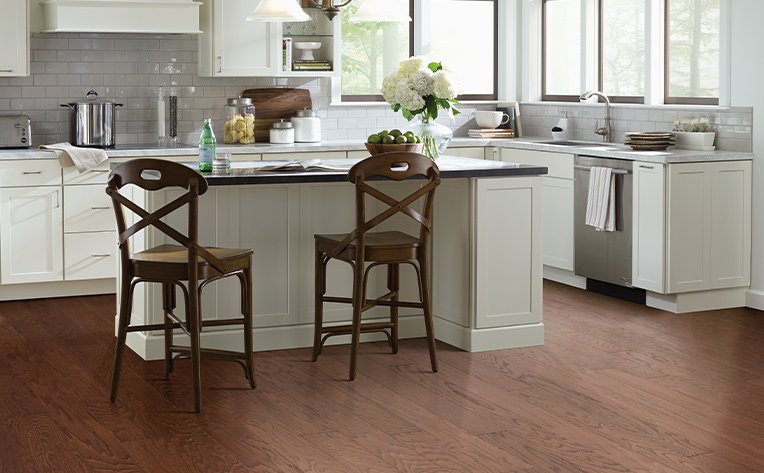
Choosing the right flooring for your kitchen can feel overwhelming. After all, your kitchen is one of the busiest spots in your home, and the floor needs to be both stylish and durable.
You want something that looks great, stands up to spills, and is easy to clean. But how do you pick the perfect option without making costly mistakes? This guide will help you discover simple, practical tips to choose kitchen flooring that fits your lifestyle and taste.
Keep reading, and you’ll feel confident about making the best choice for your kitchen.

Credit: www.magnet.co.uk
Factors To Consider
Choosing the right kitchen flooring is important. It affects how your kitchen looks and works every day.
Think about different factors before picking the best floor for your kitchen.
Lifestyle And Usage
Your daily activities in the kitchen affect flooring choice. If you cook often, the floor should handle spills well.
Homes with kids or pets need floors that resist scratches and are easy to clean.
- Choose durable floors for heavy use
- Pick water-resistant floors if spills happen often
- Consider non-slip surfaces for safety
Climate And Environment
Local weather affects flooring performance. Some materials work better in dry climates than in humid ones.
If your kitchen gets cold, pick floors that keep warmth or are comfortable to stand on.
- Use moisture-resistant floors in humid areas
- Pick warm flooring for cold climates
- Avoid materials that expand or contract too much
Budget Constraints
Your budget sets the limits for flooring options. Some floors cost more but last longer.
Think about both cost and how long the floor will stay in good shape.
- Compare prices of different flooring materials
- Consider installation costs
- Balance cost with durability and maintenance needs
Credit: www.mineraltiles.com
Material Options
Choosing the right kitchen flooring depends on the material you pick. Each material offers different looks, durability, and care needs.
Think about how the floor will handle spills, traffic, and cleaning. Let’s explore popular kitchen flooring materials.
Hardwood Choices
Hardwood floors bring warmth and charm to kitchens. They can last many years with proper care.
Wood types vary in hardness and color. Some woods resist dents better than others.
- Oak is strong and has a classic look
- Maple offers a smooth, light finish
- Hickory is very hard with unique grain patterns
- Cherry ages to a rich, deep color
Tile Varieties
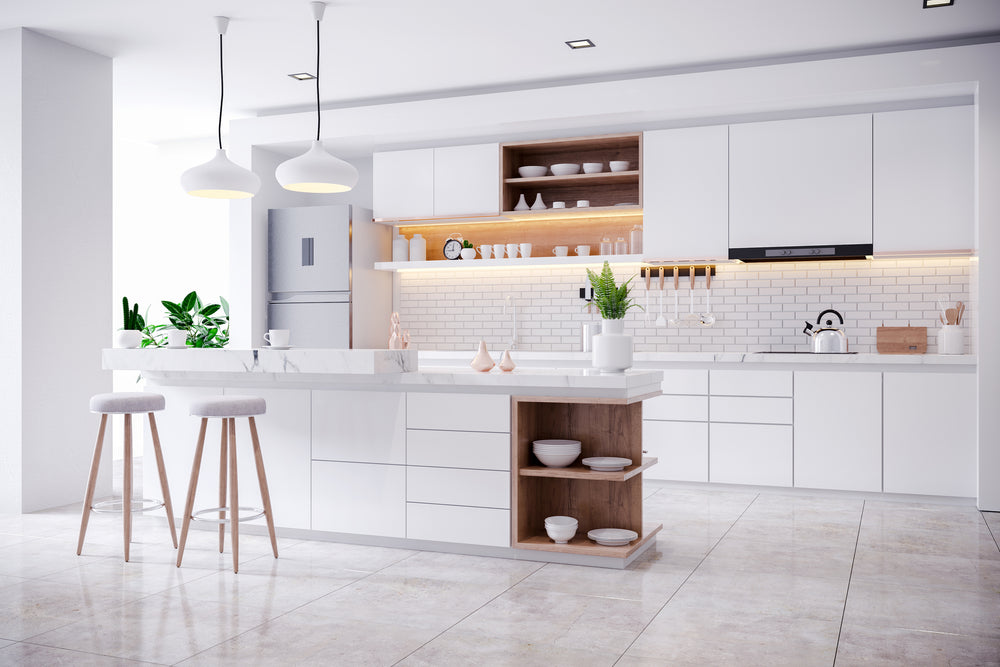
Tiles come in many shapes, sizes, and materials. They are water-resistant and easy to clean.
Ceramic and porcelain tiles are popular for kitchen floors. Natural stone tiles add a luxurious feel.
- Ceramic tiles are affordable and come in many designs
- Porcelain tiles are dense and very durable
- Slate and granite offer a natural, rugged look
- Tiles can be cold, so consider underfloor heating
Vinyl And Linoleum
Vinyl and linoleum are budget-friendly and easy to install. Both handle spills well and feel soft underfoot.
Vinyl is highly water-resistant and comes in many patterns. Linoleum is eco-friendly and made from natural materials.
- Vinyl can mimic wood, tile, or stone
- Linoleum has a warm, natural look
- Both are easy to clean with regular mopping
- Choose thicker products for more comfort
Laminate Solutions
Laminate flooring offers the look of wood or stone at a lower cost. It is simple to install and maintain.
Laminate resists scratches and stains but can be damaged by water. Use a good sealant to protect it.
- Laminate floors come in many designs and colors
- They are scratch-resistant and easy to clean
- Use water-resistant laminate for kitchen areas
- Install with underlayment for better comfort and sound
Durability Features
Choosing the right kitchen flooring means looking at durability features. These features help your floor last longer and stay looking good.
Durable floors resist damage from daily use and keep your kitchen safe and clean.
Wear Resistance
Wear resistance shows how well flooring handles foot traffic and daily use. Floors with high wear resistance do not fade or wear out easily.
- Look for floors rated for heavy use.
- Materials like ceramic tile and vinyl have good wear resistance.
- Protect floors with mats in busy areas.
Waterproof Qualities
Kitchen floors often get wet. Waterproof flooring prevents water damage and mold growth.
| Flooring Type | Waterproof Level | Maintenance Needs |
|---|---|---|
| Vinyl | High | Low |
| Ceramic Tile | High | Medium |
| Laminate | Low | High |
Scratch And Dent Resistance
Floors in kitchens face scratches and dents from dropping items or moving furniture. Choose materials that resist these marks.
Here are common flooring materials and their scratch and dent resistance:
- Hardwood:Moderate resistance, can dent easily.
- Laminate:High resistance to scratches.
- Tile:Very high resistance, but can crack under heavy impact.
- Vinyl:Good resistance to both scratches and dents.
Aesthetic Considerations
Choosing the right kitchen flooring affects the room’s look and feel. It sets the tone for the entire space. Good choices balance beauty and practicality.
Focus on color, texture, and how the floor fits with your kitchen style. These factors help create a welcoming, stylish kitchen.
Color And Pattern Selection
Colors and patterns shape the kitchen’s mood. Light colors make the space feel bigger. Dark tones add warmth and depth. Patterns can add interest or keep it simple.
- Choose colors that match your cabinets and walls.
- Use patterns to hide dirt and wear.
- Consider classic patterns for timeless appeal.
- Bold patterns suit modern kitchens.
Texture And Finish
Texture affects how the floor feels and looks. Smooth finishes give a sleek look. Matte finishes reduce glare. Textured floors add grip and hide scratches.
| Texture | Appearance | Benefit |
| Glossy | Shiny and bright | Easy to clean |
| Matte | Soft and subtle | Less slippery |
| Textured | Natural and rough | Hides dirt and scratches |
Cohesion With Kitchen Design
Your flooring should match the kitchen’s style. Think about the cabinets, counters, and walls. Flooring that blends well creates a balanced look.
Consider these design matches:
- Modern kitchens: Choose sleek, simple floors.
- Rustic kitchens: Go for natural wood or stone looks.
- Traditional kitchens: Pick classic tile or hardwood.
- Open layouts: Use consistent flooring throughout.
Maintenance And Care
Choosing the right kitchen flooring means thinking about care and upkeep. Easy maintenance saves time and keeps your floor looking good longer.
Different materials need different cleaning and repair methods. Knowing these helps you keep your kitchen safe and clean.
Cleaning Requirements
Some floors need daily cleaning, while others need less frequent care. Using the right products prevents damage and keeps the floor shiny.
- Use a soft broom or vacuum to remove dirt.
- Mop with mild soap and warm water.
- Avoid harsh chemicals that can harm the surface.
- Wipe spills quickly to prevent stains.
- Use rugs or mats in high-traffic areas.
Repair And Replacement
Fixing damage early stops problems from growing. Some floors allow easy patching, while others may need full plank or tile replacement.
| Floor Type | Common Repair | Replacement Ease |
| Laminate | Replace damaged plank | Easy |
| Tile | Replace broken tile | Moderate |
| Vinyl | Patch small tears | Moderate |
| Hardwood | Sand and refinish | Hard |
Longevity Enhancements
Simple actions can extend your floor’s life. Protect it from heavy wear and moisture to keep it strong.
- Place felt pads under furniture legs.
- Use mats near sinks and entrances to catch water.
- Keep pet nails trimmed to avoid scratches.
- Regularly seal or finish floors as needed.
- Avoid dragging heavy items across the floor.

Credit: www.reddit.com
Expert Recommendations
Choosing the right kitchen flooring is important for style and function. Experts suggest thinking about durability and ease of cleaning.
Consider your daily kitchen use and the flooring that fits your lifestyle best. This helps you pick a floor that lasts.
Popular Choices By Professionals
Many professionals choose flooring that balances look and durability. Tile and hardwood remain top picks for kitchens.
- Porcelain tile: Water-resistant and easy to clean
- Hardwood: Adds warmth but needs sealing
- Vinyl plank: Budget-friendly and soft underfoot
- Cork: Comfortable and eco-friendly
- Natural stone: Durable but may require more care
Common Mistakes To Avoid
Many people pick flooring without checking how it handles spills or heavy use. This causes early damage and extra costs.
Ignoring the kitchen’s moisture levels and traffic can lead to wrong choices. Also, avoid floors that are hard to clean.
- Choosing soft flooring that dents easily
- Using materials that absorb water quickly
- Picking floors that need special cleaners
- Ignoring slip resistance for wet areas
- Not considering the floor’s maintenance needs
Future-proofing Your Flooring
Think about your kitchen’s future use when selecting flooring. Durable floors save money over time.
Choose flooring that can handle changes like more family members or higher cooking activity. This keeps your kitchen looking good longer.
- Pick materials with good wear resistance
- Consider floors that are easy to repair
- Choose timeless colors and styles
- Look for water and stain resistance
- Plan for simple cleaning and upkeep
Frequently Asked Questions
What Is The Best Material For Kitchen Flooring?
The best kitchen flooring material balances durability, water resistance, and style. Popular choices include tile, vinyl, and hardwood. Each offers unique benefits depending on your kitchen’s usage and design preferences.
How Do I Choose Kitchen Flooring For High Traffic?
For high-traffic kitchens, select flooring that resists scratches and wear. Porcelain tile and luxury vinyl are excellent options. They offer durability and easy maintenance for busy households.
Which Kitchen Flooring Is Easiest To Clean?
Vinyl and tile floors are the easiest to clean. Both resist stains and moisture, requiring only regular sweeping and mopping. These materials keep your kitchen hygienic with minimal effort.
Can Kitchen Flooring Improve Room Safety?
Yes, slip-resistant flooring enhances kitchen safety. Look for textured tiles or vinyl with anti-slip features. This reduces accident risks, especially in areas prone to spills.
Conclusion
Choosing the right kitchen flooring takes thought and care. Think about durability, style, and ease of cleaning. Select a material that fits your daily needs and budget. Remember, flooring affects your kitchen’s look and comfort. Take your time to explore options and compare features.
Your perfect kitchen floor will blend beauty with function. Make a choice that feels right for your home and family. Enjoy a kitchen space you love every day.